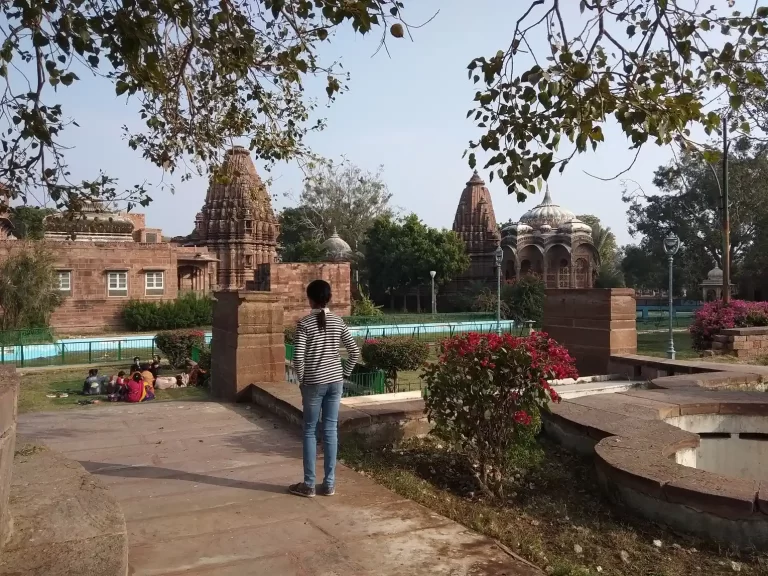
Traditional Rajasthani Dishes to Try in Jodhpur
Traditional Rajasthani dishes form the backbone of Jodhpur’s food identity, developed over centuries to suit the Thar Desert’s arid climate and limited fresh produce, resulting in a cuisine built around hardy grains, preserved vegetables, dairy, and clever spicing rather than the abundant fresh greens found in wetter parts of India. For travelers, working through a list of these classic dishes at Jodhpur’s restaurants offers an educational, delicious way to understand how geography and history shape a regional cuisine.
Dal Baati Churma
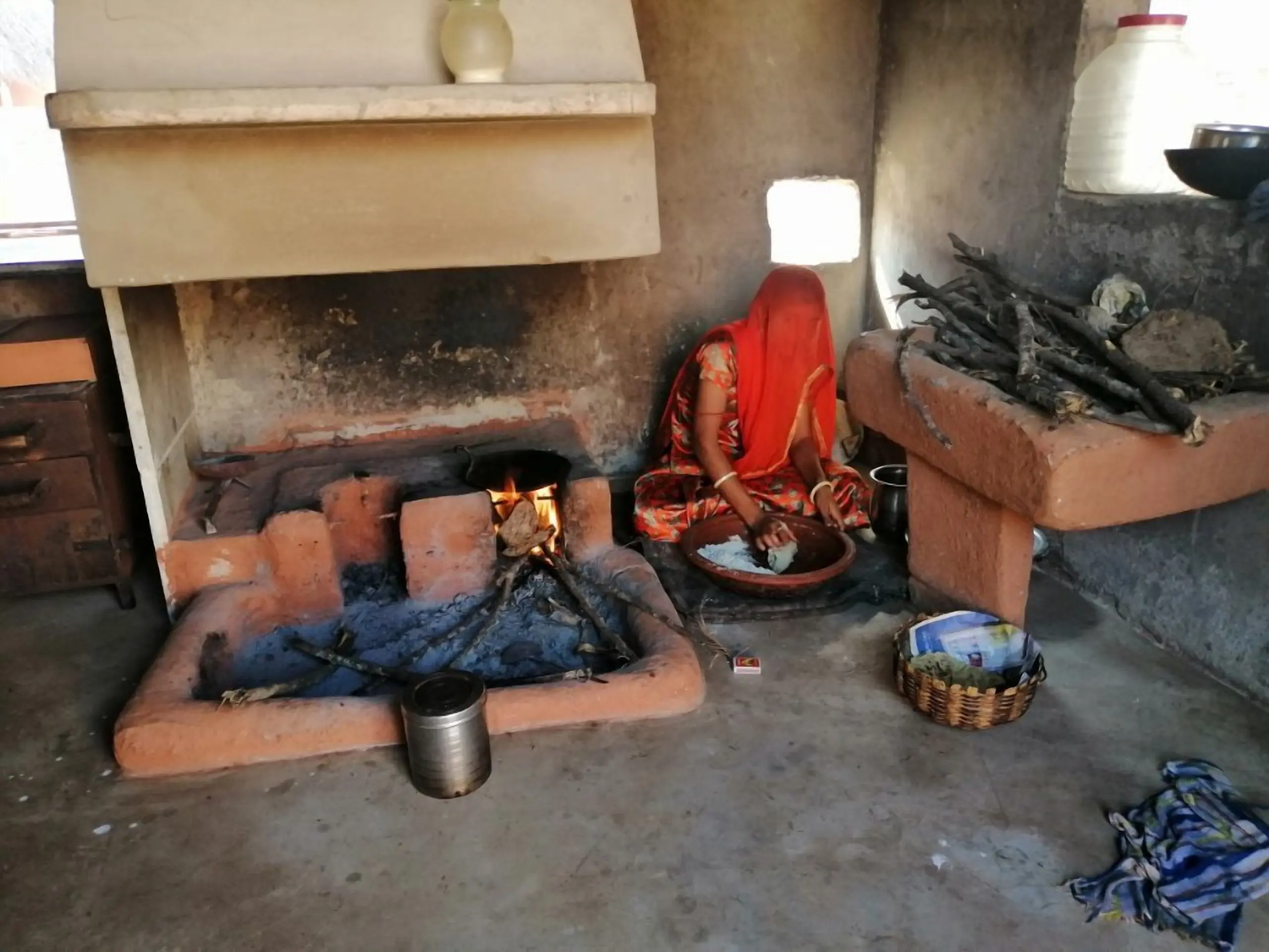
Rajasthan’s most iconic dish combines baati, hard baked wheat balls traditionally cooked over hot coals, with a spiced lentil dal and churma, a sweet crumbled wheat preparation mixed with ghee and sugar, together forming a complete meal that balances savory and sweet elements in a single traditional serving. It’s found at nearly every traditional restaurant in Jodhpur, and the city’s versions are widely considered among the most authentic in the state given its strong Marwari culinary heritage.
Ker Sangri
This distinctive dry preparation combines ker, a wild desert berry, with sangri, the bean pods of the khejri tree, both foraged from the surrounding desert environment and traditionally dried for year-round use. It illustrates how Marwar’s cuisine adapted specifically to ingredients that thrive in harsh, low-water desert conditions rather than relying on irrigation-dependent produce, making it one of the more historically significant dishes to try in the region.
Gatte Ki Sabzi
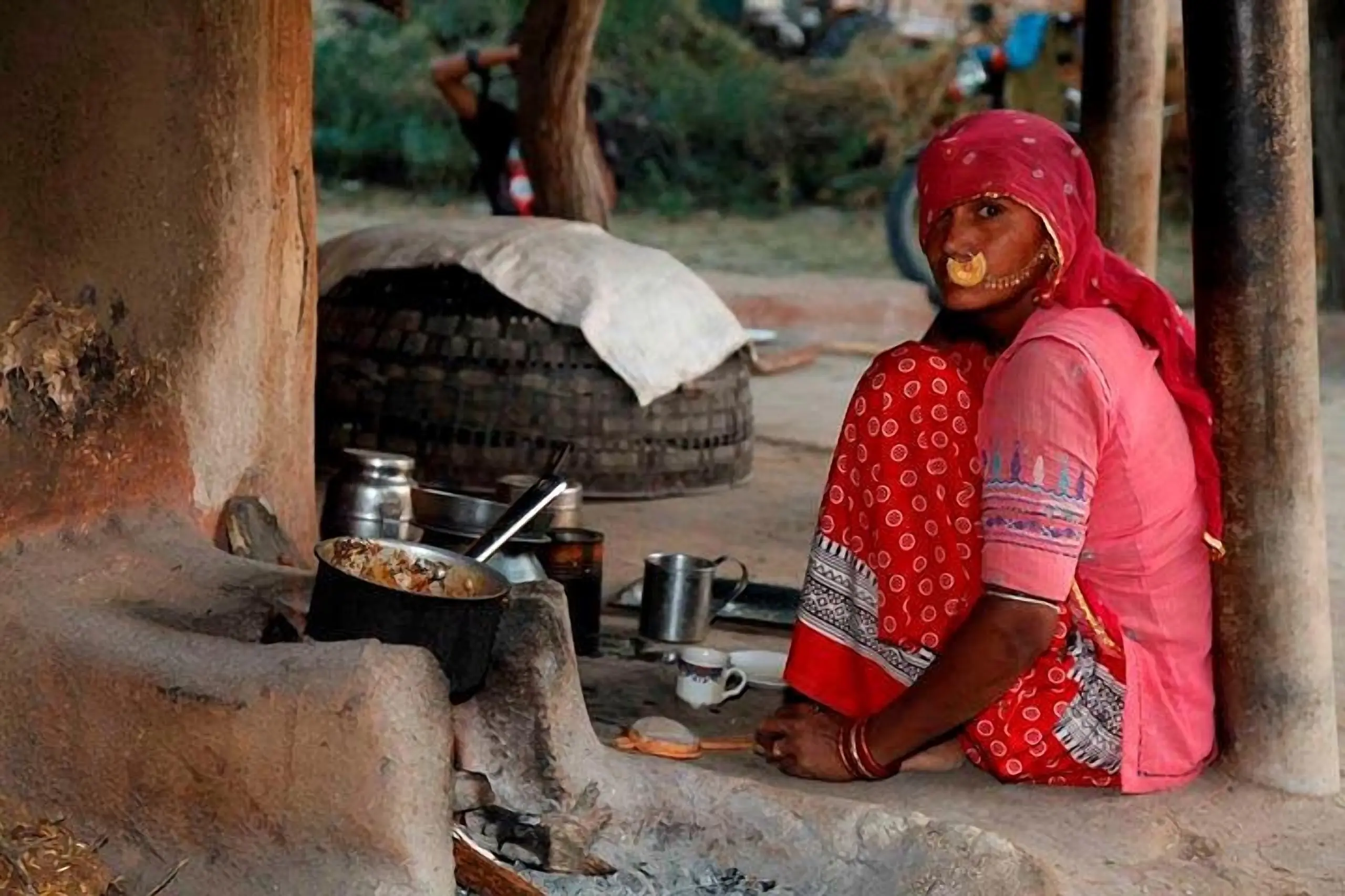
Gram flour dumplings, steamed then simmered in a spiced yogurt-based gravy, make up gatte ki sabzi, a dish that reflects the historical Marwari preference for shelf-stable ingredients like gram flour over fresh vegetables that could spoil quickly in the desert heat before refrigeration became widely available. It remains a staple dish across Jodhpur households and restaurants alike.
Laal Maas
For non-vegetarian travelers, laal maas, a fiery mutton curry loaded with Mathania chillies, represents the signature Rajput contribution to Marwar’s food traditions, historically connected to royal hunting culture and now considered essential eating for visitors interested in the region’s non-vegetarian cuisine. Our dedicated laal maas guide covers the dish’s history and where to find the best versions in the city in full detail.
Mohan Maas
A milder, creamier alternative to laal maas, mohan maas uses a yogurt and cashew-based gravy rather than the intense chili base of its fierier counterpart, offering non-vegetarian travelers a gentler introduction to Marwar’s meat cookery for those less inclined toward extreme heat levels.
Safed Maas

A white, creamier counterpart to laal maas, safed maas uses a mild almond and cashew-based gravy without the heavy chili content, offering yet another variation on Rajasthani meat cookery for travelers wanting to explore beyond the two more famous mutton preparations, and often available at the same restaurants serving laal maas and mohan maas.
Bajre Ki Roti

Pearl millet flatbread, made from a grain well suited to the region’s arid growing conditions, traditionally accompanies many Rajasthani meals in place of the wheat roti more common elsewhere in North India, often served alongside a generous serving of ghee and jaggery for a simple, filling traditional meal.
Papad ki Sabzi
A simple, resourceful dish made by simmering broken papad (lentil wafers) in a spiced yogurt gravy, papad ki sabzi exemplifies the same desert-adapted culinary philosophy seen in gatte ki sabzi, transforming a shelf-stable pantry staple into a satisfying curry when fresh vegetables were historically scarce or unavailable.
Kadhi
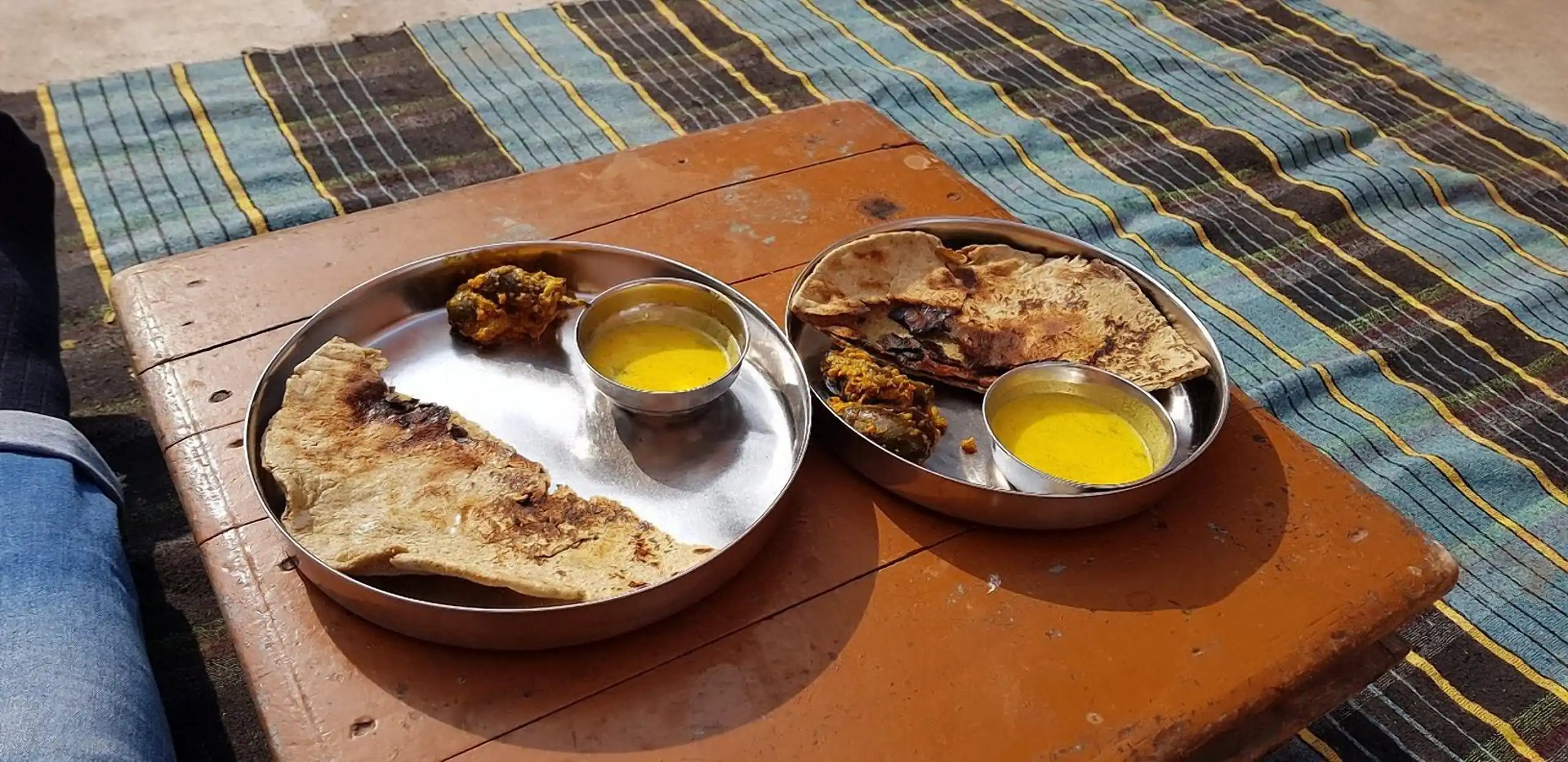
A yogurt-based curry thickened with gram flour and flavored with fenugreek and other spices, kadhi appears across North India in various regional forms, with Rajasthan’s version carrying its own distinct spicing and often served alongside rice or roti as part of a traditional Marwari thali.
Traditional Accompaniments and Pickles
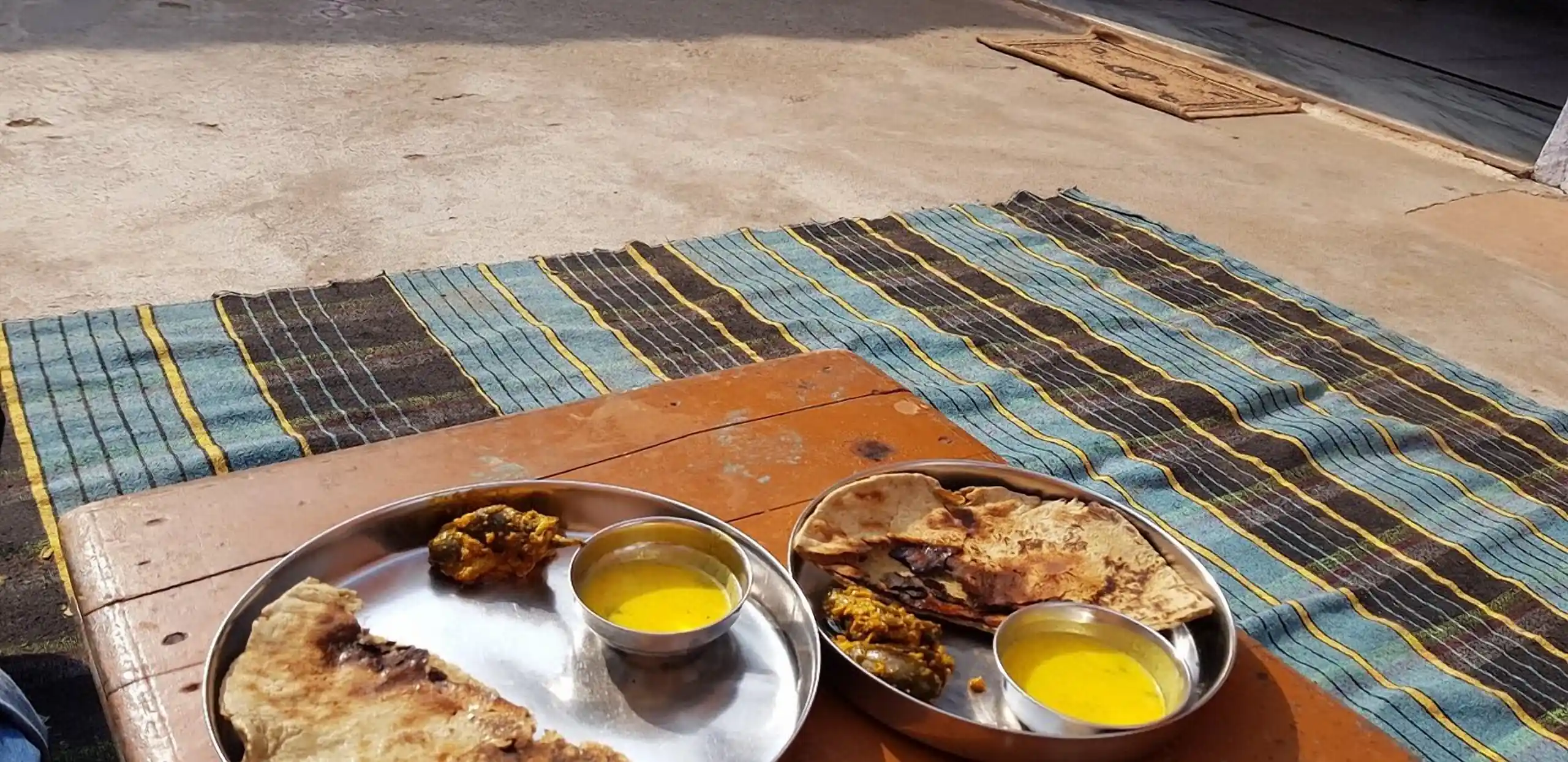
No traditional Rajasthani meal is complete without an assortment of pickles and chutneys, often intensely spiced and preserved using the region’s abundant chillies and mustard oil, adding sharp, tangy contrast to the richer curries and breads that form the meal’s main components.
Regional Variations Within Marwar
While broadly similar across the Marwar region, subtle variations in spicing and preparation exist between Jodhpur and surrounding towns like Nagaur or Pali, reflecting local ingredient availability and family traditions passed down within specific communities across the wider historical Marwar territory.
How These Dishes Reflect Desert Adaptation
Taken together, Jodhpur’s traditional Rajasthani dishes tell a coherent story of culinary adaptation to a demanding desert environment, favoring drought-resistant grains like bajra, foraged desert ingredients like ker and sangri, and preservation techniques that allowed communities to eat well despite unreliable fresh produce availability throughout much of the year.
Where to Try These Dishes
Heritage restaurants set within converted havelis throughout Jodhpur’s old city offer the most authentic settings for sampling these traditional Rajasthani dishes, often prepared using family recipes passed down through generations, though simpler local eateries frequented primarily by residents rather than tourists can offer an equally authentic, more affordable alternative. Several old city restaurants specialize in traditional Marwari thali meals that bring together dal baati churma, ker sangri, gatte ki sabzi, and other regional dishes on a single platter, offering the most efficient way to sample this cooking tradition in one sitting. Seeking out a restaurant that prepares these dishes fresh rather than pre-made, particularly for baati, which is best served hot straight from the fire, makes a meaningful difference in experiencing these dishes as they’re meant to be eaten.
Learning to Cook These Dishes Yourself
Several cooking classes in Jodhpur, often hosted within family homes, teach travelers to prepare traditional Rajasthani dishes like dal baati churma or gatte ki sabzi from scratch, covering the specific spice combinations and techniques that give Marwari cuisine its distinct character, offering a practical way to take a piece of this culinary tradition home beyond a single restaurant meal.
Beyond Savory: Mawa Kachori and Rajasthani Sweets
Jodhpur’s sweet tradition, including mawa kachori and various milk-based sweets, reflects the same desert-adapted culinary philosophy carried into rich, ghee-heavy desserts, often tied to specific festival calendars throughout the year. Our dedicated sweets guide covers the full range in detail.
Is Dal Baati Churma Difficult to Find Outside of Rajasthan?
While available in some Rajasthani specialty restaurants elsewhere in India, dal baati churma is best experienced in Rajasthan itself, particularly in Jodhpur and the wider Marwar region, where traditional preparation methods and coal-baked baati remain most authentic.
What Makes Marwari Cuisine Different from Other Rajasthani Regional Cuisines?
Marwari cuisine, centered on Jodhpur, places particularly strong emphasis on desert-adapted ingredients and preservation techniques, along with a notably robust vegetarian tradition connected to the region’s historical Jain and Marwari merchant communities, distinguishing it somewhat from the cuisines of other Rajasthani regions like Mewar or Shekhawati.
FAQ
What are Jodhpur’s most traditional dishes?
Dal baati churma, gatte ki sabzi, and laal maas represent the region’s traditional cuisine.
Where can I find authentic Rajasthani thalis?
Established local restaurants across the old city serve traditional multi-course thalis.
Is dal baati churma available everywhere in Jodhpur?
Yes, it’s a staple dish found at most traditional Rajasthani restaurants in the city.
What makes Rajasthani food distinct?
A reliance on dairy, lentils, and preserved ingredients suited to the region’s arid climate.
Are traditional dishes very spicy?
Some, like laal maas, carry significant heat, though milder traditional dishes are widely available.