Best Villages to Visit Near Jodhpur
The villages surrounding Jodhpur offer a rewarding way to experience rural Marwar life, from wildlife-protecting Bishnoi communities to smaller settlements maintaining traditional desert farming and craft practices largely unchanged for generations. This guide to the best villages to visit near Jodhpur covers where to go, what each place actually offers, and how to visit respectfully.
Bishnoi Villages: Wildlife and Community
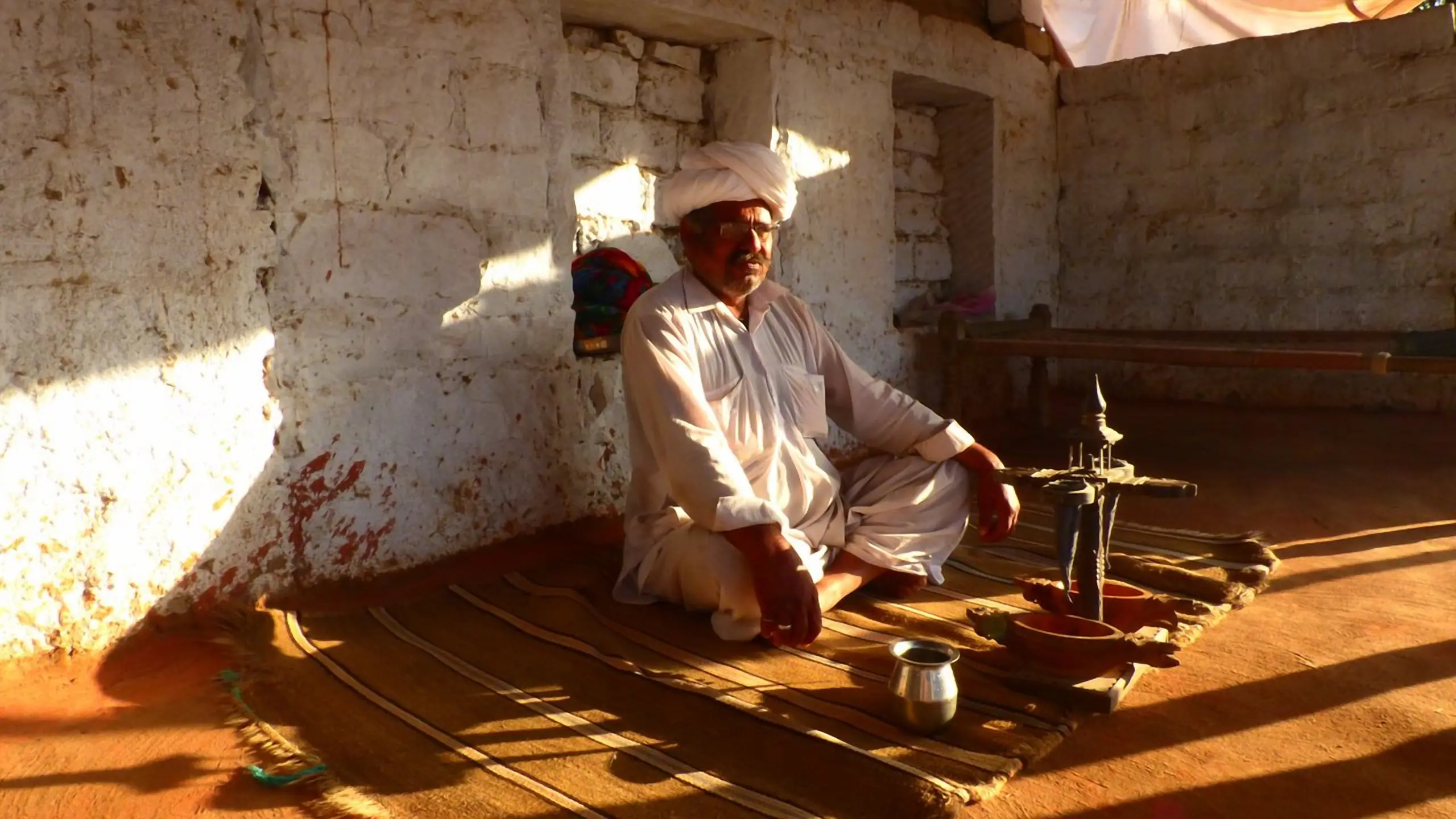
The Bishnoi villages south of Jodhpur are the most visited and accessible rural destination near the city, known for a centuries-old conservation ethic that has left blackbuck, chinkara, and peacocks living comfortably alongside the human population. A visit combines close-up wildlife spotting with real cultural exchange — craft demonstrations, and often tea in a local home — making it the natural starting point among the best villages to visit near Jodhpur for travellers with limited time.
Guda Bishnoi
Guda Bishnoi, centred on a seasonal lake that draws migratory birds through the winter, offers a quieter alternative to the more visited Bishnoi safari villages — appealing especially to birdwatchers and travellers wanting a slower-paced rural visit away from group-tour crowds. The village itself retains a traditional layout, with mud-plastered homes and community wells still in daily use.
Osian: A Temple Village at the Desert Edge
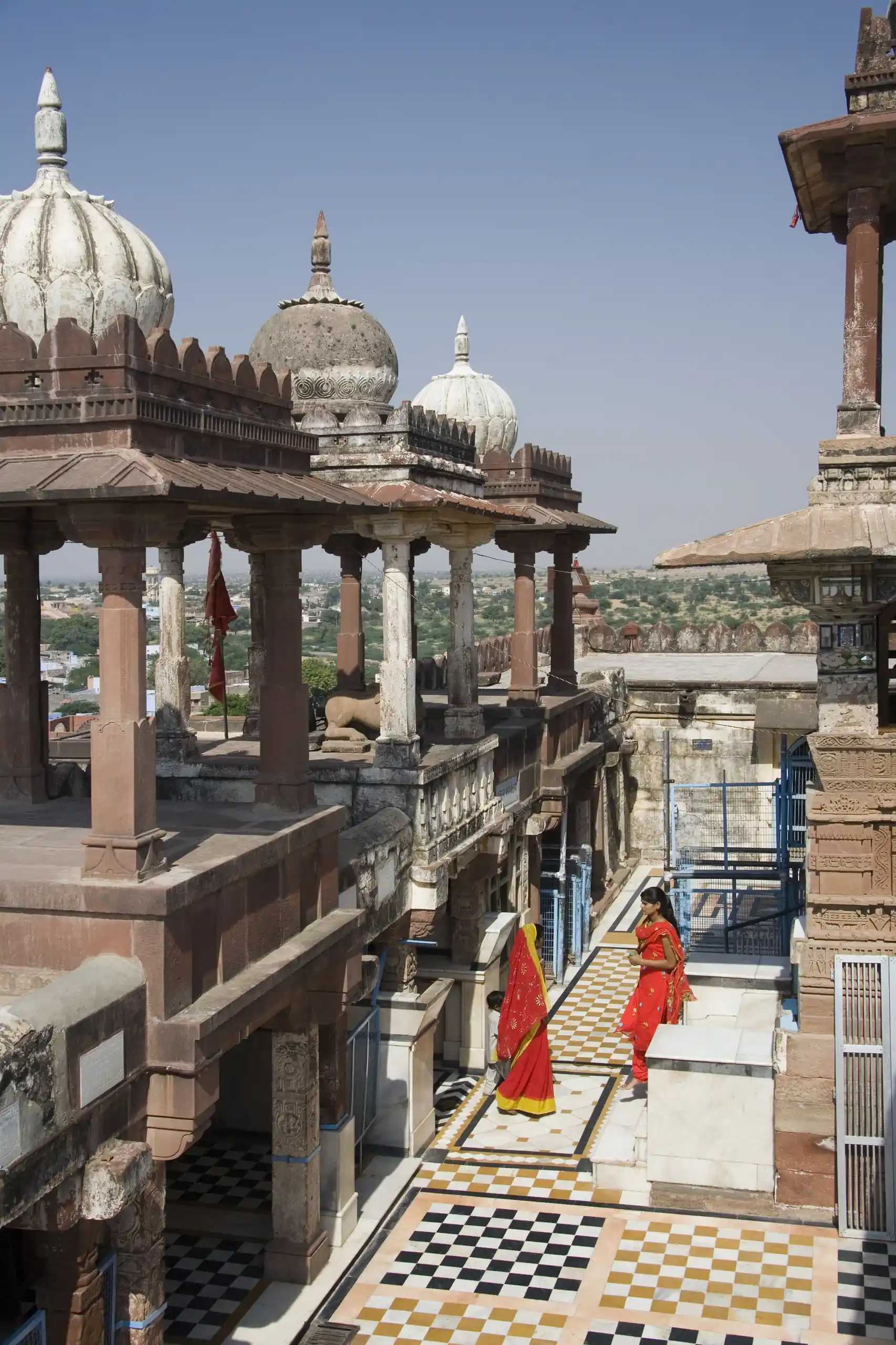
Osian functions as both a historic temple site and a living village, with narrow lanes, small shops, and everyday rural life continuing around the ancient temple complex. Unlike a purely archaeological stop, Osian gives visitors a sense of how a small desert community has grown up around — and continues to sustain — a place of ongoing religious significance, adding a further cultural layer to what might otherwise be treated as a purely historical and scenic day trip.
Salawas: Durrie Weaving Village
Known for its traditional durrie (dhurrie) weaving, Salawas gives visitors a chance to watch artisans creating hand-woven rugs using techniques passed down through generations, combining a genuine craft demonstration with an ordinary rural village atmosphere rather than a staged performance. Among the region’s options, it’s the strongest pick for travellers specifically interested in traditional crafts.
Rural Craft Traditions Beyond Salawas
Several other villages around Jodhpur maintain distinct craft traditions beyond Salawas’s weaving, including pottery and embroidery practiced within specific families, and a knowledgeable guide can often arrange visits to these lesser-known craft villages for travellers with a particular interest in specific techniques. These smaller craft villages typically receive far fewer visitors than the established Bishnoi safari circuit, offering a quieter, more intimate glimpse into rural artisan life for travellers willing to go slightly further off the standard tourist path.
Traditional Farming Villages
Various smaller farming communities around Jodhpur showcase traditional desert agriculture, including drought-resistant crop cultivation and water conservation techniques adapted to the region’s demanding climate — useful insight into how rural Marwar actually sustains itself, beyond the wildlife and craft experiences that usually headline a village visit.
Mandore’s Surrounding Hamlets
Beyond the well-known gardens and cenotaphs, the smaller hamlets around Mandore offer glimpses of agricultural life on the immediate outskirts of Jodhpur, with fields, cattle, and modest homes forming a backdrop rarely explored by visitors who stop only at the main historical site itself — a convenient add-on for anyone already headed that way rather than a destination in its own right.
Bishnoi Village or a Craft Village Like Salawas — Which Should You Choose?
Bishnoi villages emphasise wildlife viewing alongside cultural hospitality, while Salawas and similar craft villages focus specifically on watching, and sometimes joining, traditional artisan work — the choice comes down to whether wildlife or craft is the bigger draw for a particular trip.
Best Time of Year for Village Visits
Visiting during different seasons reveals different sides of rural Marwar life: post-monsoon visits show off active farming and greener landscapes, while winter — the most popular tourist season — brings drier, more classically desert conditions. Whichever season, cooler months from October through March remain the most comfortable stretch for exploring the best villages to visit near Jodhpur, since outdoor jeep travel and walking are considerably easier without the summer heat.
Arranging a Village Visit
Most Jodhpur hotels and local tour operators can arrange transport and, where relevant, a local guide familiar with the village and its customs, which tends to produce a richer, better-organised experience than visiting independently without any introduction. Half-day excursions combining two or three villages are common and generally more efficient than a single village visit on its own — pairing a Bishnoi village stop with Guda Bishnoi’s lake makes for a well-rounded half day covering both wildlife and a quieter rural landscape, while a full day free can extend the trip to include Osian’s temples for culture, history, and village life together. Early morning departures work best, both for cooler travel conditions and for catching daily activities like herding or craft work before midday heat slows the pace of rural life. Villages near Jodhpur remain lived-in communities rather than tourist attractions, so keep facilities expectations modest — restrooms and refreshments are typically minimal, so it’s worth using facilities and carrying water before setting out.
Are Overnight Homestays Available?
Yes — several operators arrange overnight homestay experiences with local families, offering considerably deeper immersion into daily rural life than a standard half-day visit allows, for travellers with the extra time and interest.
Can You Visit More Than One Village in a Day?
Most day trips focus on a single primary village to keep the pace unhurried, though itineraries sometimes fold in a brief stop at a second village if it sits conveniently along the same route.
Visiting Respectfully
Rural villages near Jodhpur are lived-in communities rather than tourist attractions built for visitors, so it’s worth approaching each visit with a degree of care: asking before photographing individuals or private homes, dressing modestly, and supporting local artisans directly by buying crafts or paying fairly for any experience arranged, rather than treating the village purely as a sightseeing stop. Small, practical gifts are sometimes appreciated though not required — purchasing crafts directly from village artisans is generally the more meaningful way to support the communities visited. Most communities welcome respectful visitors warmly, and a little courtesy goes a long way toward a good experience on both sides.
Combining Village Visits with City-Based Craft Shopping
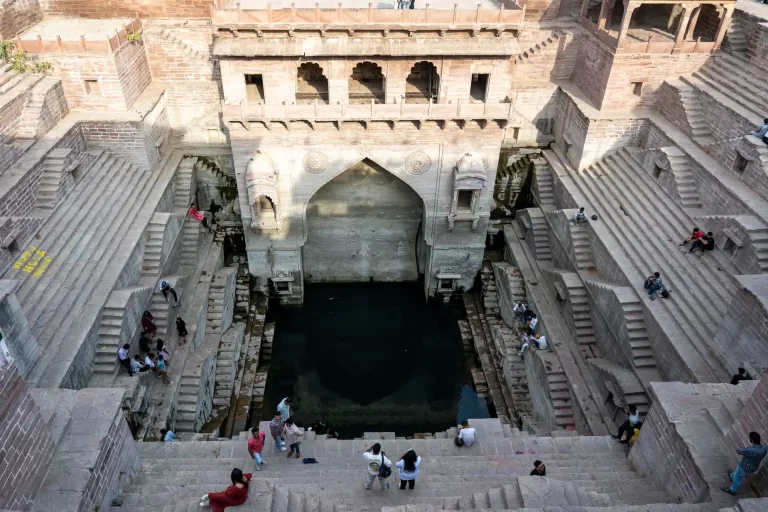
Many travellers combine a rural village craft visit with later shopping at Jodhpur’s city markets, using the village experience to understand the techniques behind items subsequently purchased in the more convenient, varied setting of Sardar Market or the boutique shops around Toorji Ka Jhalra — among the best villages to visit near Jodhpur for craft-focused travellers, Salawas in particular pairs naturally with this kind of city-market follow-up.
FAQ
What villages are worth visiting near Jodhpur?
Bishnoi villages stand out for their conservation culture and wildlife proximity.
How do I arrange a village visit near Jodhpur?
Local tour operators or your hotel can arrange a guided jeep-based village excursion.
Are village visits respectful of local communities?
Well-run, guided visits prioritize respectful, mutually beneficial interaction with residents.
What can I expect to see in a rural village near Jodhpur?
Traditional homes, craft demonstrations, and often a glimpse of local wildlife conservation.
Are village visits suitable for children?
Yes, the jeep-based format and open-air setting generally suit families well.