Diwali in Jodhpur: Lights, Markets & Local Celebrations
Diwali, the festival of lights celebrating the victory of light over darkness, transforms Jodhpur each autumn into a visually spectacular sight, with the Old City’s lanes, homes, and monuments illuminated by oil lamps, candles, and increasingly elaborate electric light displays. Falling in October or November depending on the lunar calendar, Diwali in Jodhpur offers travellers a chance to see the Blue City at its most striking, alongside significant market activity as families shop for gifts, sweets, and decorations ahead of the main celebration.
When Diwali Takes Place
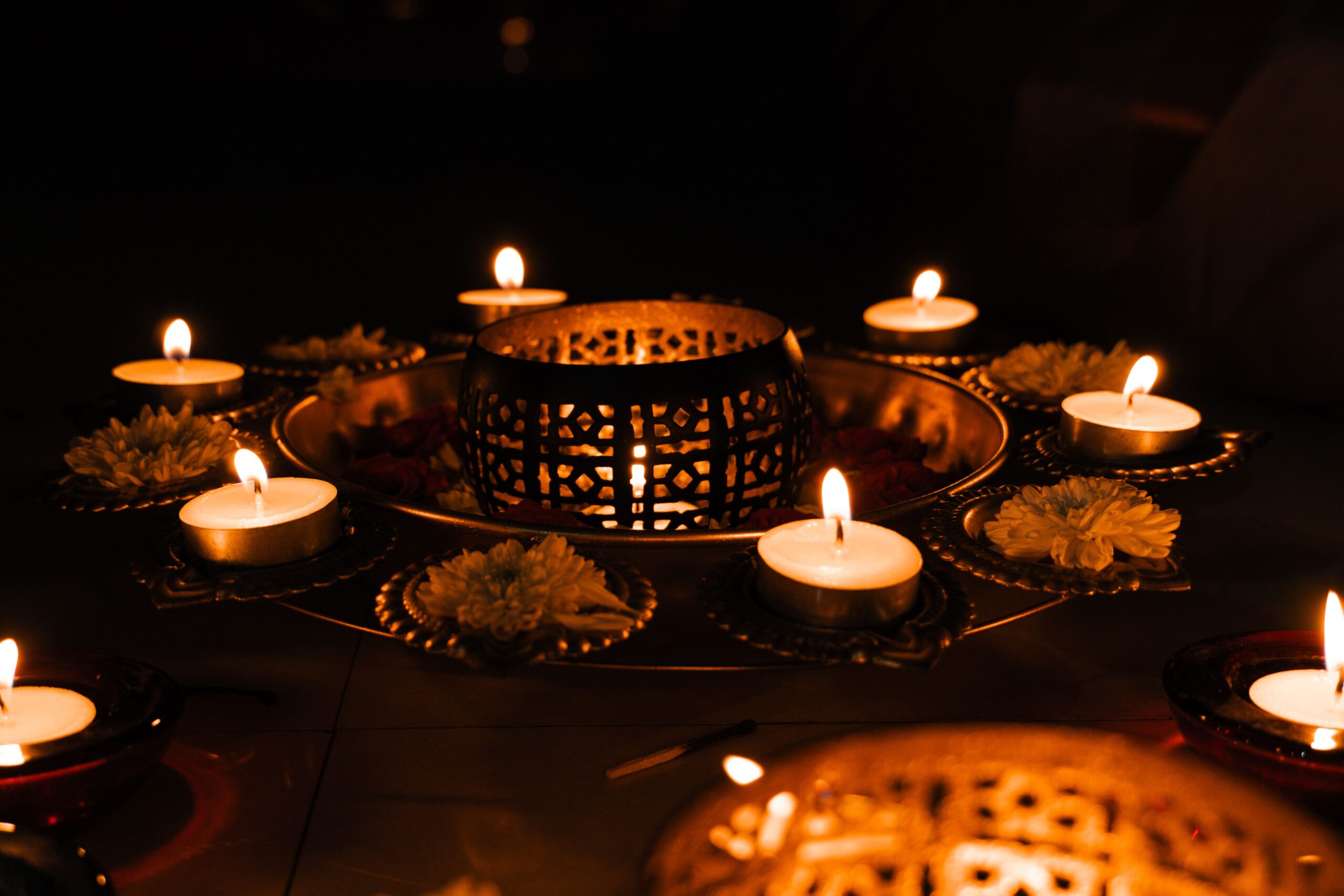
Diwali follows the Hindu lunar calendar and typically falls in late October or November, spanning several days of associated celebrations building up to the main festival night, with specific dates shifting annually according to the lunar cycle. Confirming exact dates ahead of time remains an essential first step for any trip planned specifically around this festival.
Lighting Up the Blue City
In the weeks leading up to Diwali, Jodhpur’s markets, homes, and public spaces grow increasingly decorated with lights, rangoli floor art, and seasonal displays, with the Old City’s blue-painted lanes taking on a particularly striking character as oil lamps and string lights spread across rooftops and doorways. This transformation of the Blue City creates a distinctive version of Jodhpur’s famous night views during the festival period, one that builds gradually rather than appearing all at once.
Diwali Shopping and Markets
Sardar Market and the wider bazaar area see significantly increased activity in the run-up to Diwali in Jodhpur, as families purchase new clothes, sweets, and gifts, giving travellers visiting during this period a chance to witness the city’s commercial energy at its most concentrated point in the year. This is also the best window to pick up festival-specific sweets and decorative items alongside the everyday textiles and handicrafts Jodhpur’s markets are known for.
Fort and Palace Illuminations
Mehrangarh Fort and Umaid Bhawan Palace both put on special lighting for Diwali, adding a grander, more monumental scale to the festival’s illuminations beyond the residential decorations found throughout the Old City. Seeing both the fort’s ramparts and the palace lit up during the festival period is one of the more memorable sights Jodhpur offers around Diwali, distinct from the sound and light show the fort runs on ordinary evenings.
Best Places to View Diwali Lights in Jodhpur
Rooftop restaurants and cafes overlooking the Old City offer excellent vantage points for taking in Jodhpur’s Diwali lights and fireworks displays, providing a comfortable, elevated way to appreciate the city’s festive transformation without needing to navigate crowded streets during the busiest celebration periods. Jodhpur does not have an elevated public viewpoint quite as prominent as Jaipur’s Nahargarh Fort, but Mehrangarh Fort’s own ramparts offer a strong alternative for a wide view over the illuminated city.
Are Mehrangarh Fort and other monuments open during Diwali?
Yes, standard sightseeing generally continues throughout Diwali, though some sites may have modified hours on the main festival day itself, so checking current hours specifically for the festival dates is worthwhile.
Fireworks During Diwali
Fireworks form a significant part of Diwali celebrations throughout Jodhpur, particularly on the main festival night, with displays visible across the city, though air quality can decline noticeably during this period given the volume of fireworks set off, a consideration for travellers with respiratory sensitivities. Awareness of air quality and noise concerns has grown in recent years, with some households and areas of the city opting for quieter, more lights-focused celebrations rather than extensive fireworks.
Is it safe for travellers to be out during Diwali fireworks?
Generally yes, with normal precautions around crowded areas and fireworks displays, though travellers with respiratory sensitivities may want to limit prolonged outdoor exposure during the heaviest fireworks periods given temporarily reduced air quality.
Diwali Sweets and Food Traditions
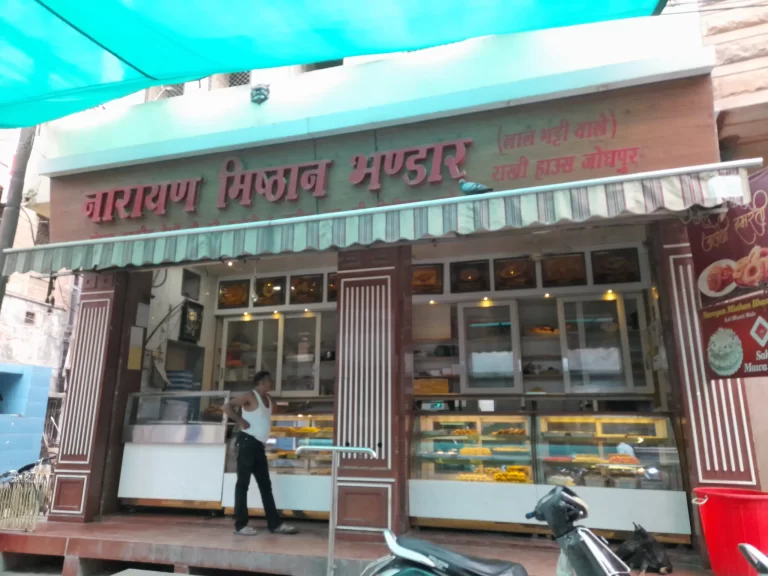
Special sweets and festive foods form a central part of Diwali celebrations, with families preparing and exchanging elaborate mithai gift boxes, and travellers get the chance to sample seasonal specialties not always available year-round. Jodhpur’s sweet shops expand their offerings significantly around Diwali, with mawa kachori and various milk-based mithai produced in larger quantities specifically for festival gifting, making this one of the best times of year to sample the city’s dessert traditions at their most abundant.
Family and Religious Observances
Diwali carries deep religious and family significance, with home worship rituals, particularly for the goddess Lakshmi, and family gatherings forming the heart of the celebration, meaning travellers should approach residential areas with particular respect and awareness during the main festival days.
Diwali Home Visits and Hospitality
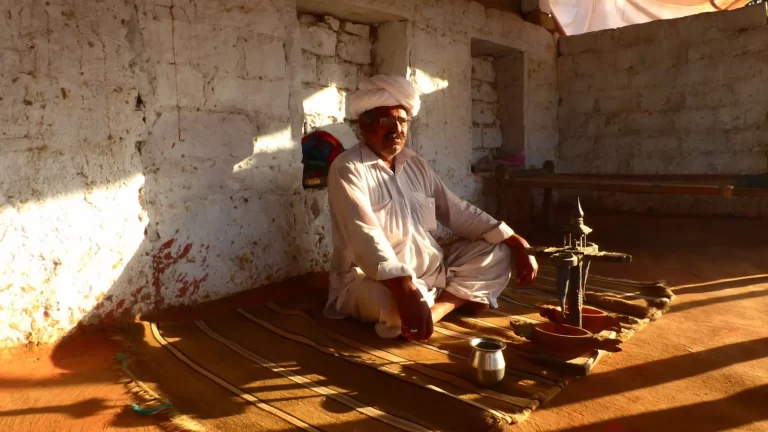
Some travellers arrange, through guides or homestay hosts, to be invited into a local home during Diwali, offering a particularly meaningful way to experience the festival’s family and religious dimensions firsthand rather than only observing its public, commercial expressions throughout the city’s markets and streets. Visiting a home decorated with rangoli floor art and oil lamps, where a local connection makes this possible, offers a more intimate view of Diwali than the public market and monument displays alone can provide.
Is it appropriate to give gifts if invited to a local home during Diwali?
Yes, bringing a small gift such as sweets or dried fruit is considered good etiquette when visiting a local home during Diwali, reflecting the festival’s broader culture of gift-giving and hospitality among family and guests.
Diwali and the Business Community
Given Jodhpur’s historical Marwari merchant heritage, Diwali carries particular significance as a time associated with new financial beginnings and prosperity, adding a distinct commercial layer to the celebrations beyond the purely religious and family aspects, with the city’s markets seeing a mix of commercial and celebratory activity during the festival period.
Multi-Day Diwali Celebrations
Diwali is actually a multi-day festival period, with distinct associated observances on preceding and following days including Dhanteras, focused on prosperity and often marked by jewellery and metal purchases, and Bhai Dooj, celebrating sibling relationships, giving travellers visiting during this window several different, related cultural touchpoints beyond the single main festival night. Most travellers find the extra planning worthwhile, given how visually spectacular and culturally significant Diwali is in Jodhpur, though booking accommodation and any desired restaurant reservations well in advance is essential given the increased domestic travel during this period.
Are there any Diwali-specific tours or experiences available for travellers in Jodhpur?
Some operators offer Diwali-specific evening tours focused on viewing the city’s illuminated Old City lanes and monuments, providing a curated way to experience the festival’s visual highlights, particularly valuable for travellers unfamiliar with the best vantage points independently.
Diwali and the Start of Wedding Season
Diwali roughly marks the beginning of Jodhpur’s peak wedding season, and travellers visiting during this period may notice increasingly elaborate venue decorations and processions across the city continuing well beyond the festival itself into the following winter months. Booking accommodation ahead of Diwali is particularly important given the combination of festival tourism and the start of the busy wedding and peak winter tourist season converging around the same calendar window, since Diwali is a major Indian holiday period with significant domestic travel and Jodhpur’s hotels and popular sites can see increased demand and crowds during this window.
Whether you spend Diwali in Jodhpur watching the fireworks from a rooftop cafe, wandering the newly lit lanes of the Old City, or visiting a local home for the festival’s more intimate rituals, the experience is worth building a trip around. Given how visually spectacular and culturally significant the festival is here, most travellers find the extra planning worthwhile, so confirm exact dates ahead of time and book accommodation early, since Diwali shifts with the lunar calendar each year and remains one of the busiest travel windows of the season.
FAQ
How does Jodhpur celebrate Diwali?
With lit-up markets, decorated homes, and family gatherings across the city.
Is Diwali a good time to visit Jodhpur?
Yes, the festive atmosphere and lights add a distinctive charm, though it’s also a busy travel period.
Are markets particularly active during Diwali?
Yes, markets see increased activity as locals shop for festival essentials and gifts.
Is Jodhpur crowded during Diwali?
Yes, domestic travel increases significantly around Diwali, so booking ahead is advisable.
What can tourists do to experience Diwali in Jodhpur?
Walking through lit-up market areas in the evening offers the most immersive experience.