Marwar Festival Jodhpur: Dates, Events & Visitor Guide
The Marwar Festival Jodhpur hosts each year stands as one of the city’s most distinctly regional celebrations, dedicated specifically to honouring the folk heroes, traditions, and equestrian culture of the historical Marwar kingdom, typically held annually across two days in September or October around the Sharad Purnima full moon. Partly hosted within Jodhpur city and partly at nearby Osian, the festival offers travellers a concentrated, authentic dose of Marwar’s folk music, dance, and horsemanship traditions in a single well-organised event.
Origins and Purpose of the Festival
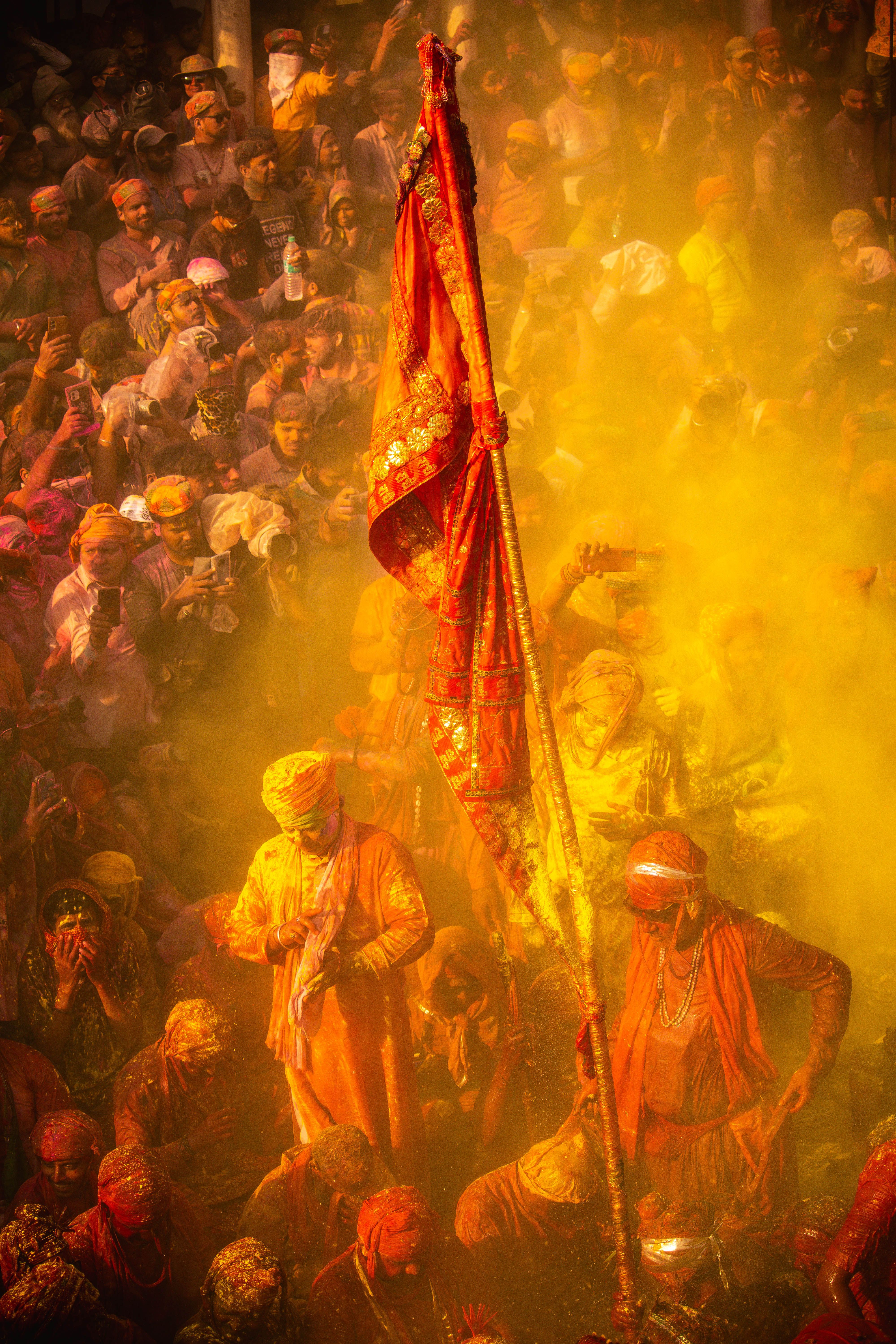
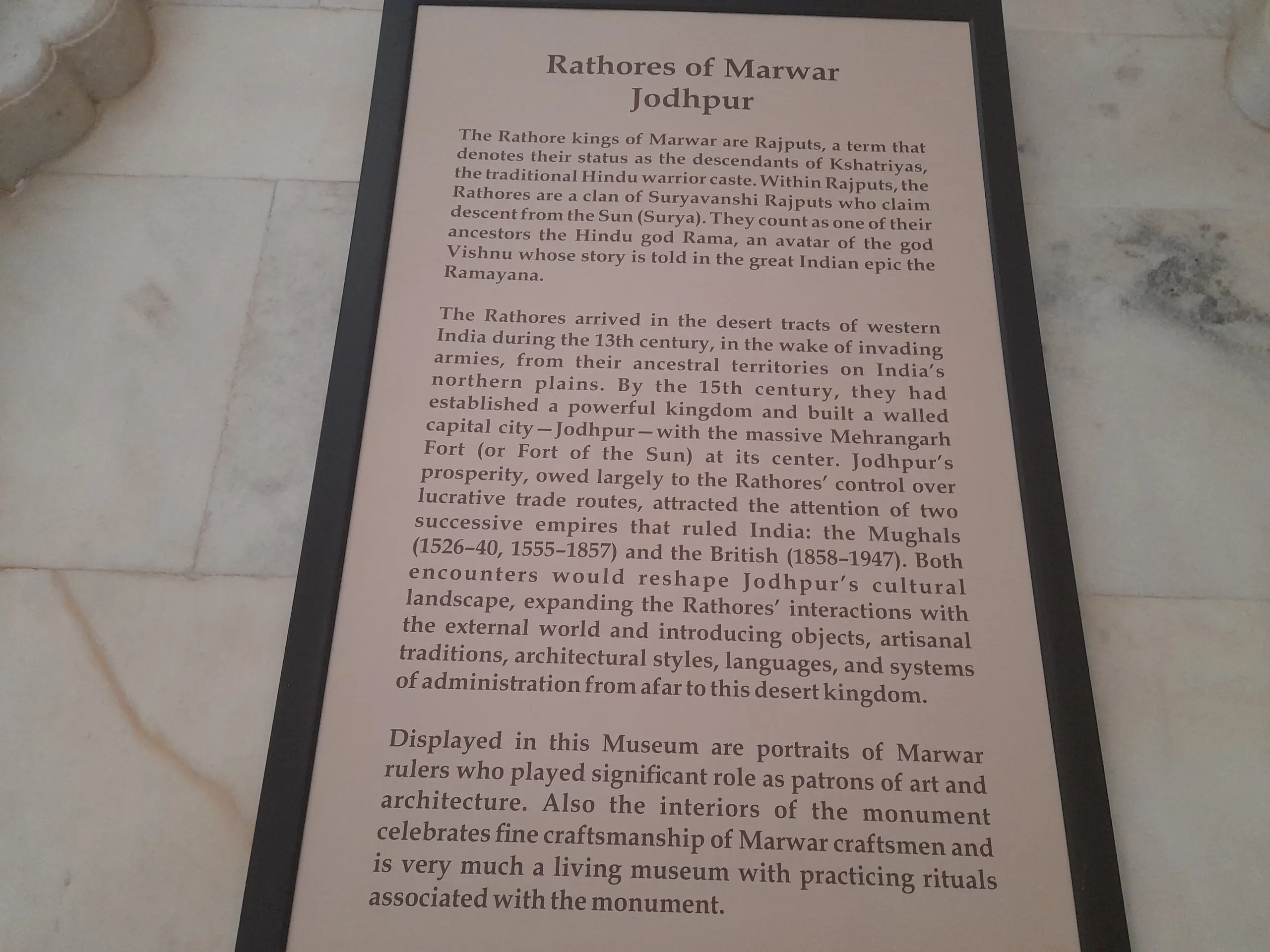
Organised by the Rajasthan Tourism Department through Jodhpur’s Tourist Reception Centre, the Marwar Festival celebrates and preserves Marwar’s folk heritage, specifically honouring local folk heroes and the martial traditions of the Rathore rulers who founded and expanded the Jodhpur kingdom, distinguishing it from more broadly Rajasthani celebrations by its specific focus on Marwar’s distinct regional identity. The festival uses the celebration to keep Rathore martial and cultural traditions visible and actively practised rather than confined purely to museum displays and historical accounts.
Music and Dance Performances
Traditional Marwar folk music and dance form the core of the festival’s programming, featuring performers including Manganiyar and Langa musicians alongside other traditional Marwar cultural programming, offering visitors an accessible, well-curated introduction to the folk traditions covered in more depth throughout Jodhpur’s cultural venues year-round.
Equestrian and Camel Events
A distinctive feature of the Marwar Festival is its equestrian programming, showcasing the Marwari horse breed native to the region alongside camel-related events, reflecting the historical importance of horses and camels to Marwar’s military and desert transport traditions. Polo matches, reflecting the sport’s deep royal association with Jodhpur specifically, form one of the festival’s signature events, along with other equestrian displays that connect directly to the Rathore dynasty’s historic cavalry and hunting traditions.
Festival Venues in Jodhpur and Osian
The Marwar Festival Jodhpur programme typically runs across two days, split between central Jodhpur and the town of Osian, roughly 65 kilometres and about ninety minutes away by road. The first day centres on venues within Jodhpur itself, including Mehrangarh Fort, the Clock Tower, and Government Umaid Stadium, while the second day moves to Osian for sand-dune equestrian and camel events, meaning travellers planning to attend the full festival programme should arrange transport between the two locations as part of their festival itinerary.
Best Way to Experience the Festival
Given the festival’s spread across multiple venues and days, checking the official programme schedule in advance and prioritising specific events of greatest personal interest, whether music, dance, or equestrian displays, helps make the most of a Marwar Festival visit without needing to attend every single event.
Combining the Marwar Festival with Other Sightseeing
Since Osian events connect naturally with the town’s own temple and desert attractions, combining Marwar Festival attendance with broader Osian sightseeing offers an efficient way to experience both the festival and one of Jodhpur’s most popular day trip destinations in a single outing.
Is the Marwar Festival the Same Event as RIFF?
No, these are separate festivals, both typically held around the same September-to-October Sharad Purnima window but with distinct focuses: RIFF centred on world folk music performances at Mehrangarh Fort, and the Marwar Festival centred specifically on regional Marwar folk heritage including equestrian events across Jodhpur and Osian.
What Is the Significance of the Marwari Horse Breed Featured at the Festival?
The Marwari horse, recognisable by its distinctive curved ears, is a breed native to the historical Marwar region with deep cultural significance connected to the area’s Rajput military and equestrian traditions, making its featured role at the festival a genuine expression of regional heritage.
Traditional Costume and Turban-Tying Competitions
A popular feature of the Marwar Festival includes traditional costume displays and turban-tying competitions, showcasing the distinctive Jodhpuri turban style and its various regional colour conventions, offering visitors an engaging, hands-on cultural touchpoint beyond passive performance-watching. These competitions often draw enthusiastic local participation alongside curious travellers, creating a distinctly communal festival atmosphere that extends beyond formal staged performances into more interactive cultural exchange between performers, competitors, and visiting audience members.
Photography Opportunities at the Marwar Festival
The festival’s combination of vibrant traditional costumes, equestrian displays, and folk performances offers excellent photography opportunities, with the Osian desert backdrop in particular providing a striking setting distinct from the more architecturally focused photography opportunities available within Jodhpur city itself.
Is Transport Between Jodhpur and Osian Provided as Part of the Festival, or Arranged Independently?
Transport arrangements vary by year and specific event, so checking the official festival programme for provided shuttle options, or arranging independent taxi transport between the two venues, is advisable when planning festival attendance.
How Many Days Does the Marwar Festival Typically Run?
The Marwar Festival Jodhpur schedule typically runs across two days, one centred on Jodhpur and one on Osian, though checking current official schedules is worth doing since specific programming can vary slightly from year to year.
Supporting Local Communities Through Festival Attendance
Attending the Marwar Festival, much like RIFF, provides meaningful economic support to the folk musicians, dancers, and craftspeople whose traditions the festival celebrates, and, alongside checking whether specific events are free to attend or require tickets, making festival attendance a way for travellers to combine an enjoyable cultural experience with genuine support for the continuation of Marwar’s regional heritage. Many Marwar Festival events are open to the public without a formal ticket requirement, though checking the official festival schedule for any specific ticketed events is worthwhile when planning attendance.
Is the Marwar Festival More Family-Oriented Compared to RIFF?
The Marwar Festival’s daytime equestrian and cultural competition events tend to feel somewhat more family-oriented and accessible compared to RIFF’s evening concert-style programming, though both festivals welcome visitors of all ages.
What Should I Know Before Attending the Equestrian Events at the Marwar Festival?
Equestrian events typically take place at outdoor venues, so sun protection and comfortable seating arrangements are worth planning for, and arriving early secures better viewing positions for the more popular Marwari horse display segments.
Can I Buy Handicrafts and Souvenirs at the Marwar Festival Venues?
Yes, stalls selling local handicrafts, textiles, and food are typically set up around festival venues, giving attendees a convenient opportunity to shop for Marwar-region souvenirs alongside enjoying the festival’s music and equestrian programming.
Timing and Lunar Calendar Considerations
Like most major Rajasthani festivals, the Marwar Festival’s exact dates shift annually according to the lunar calendar, typically falling around the Sharad Purnima full moon in the September to October window, making it worth confirming specific dates well ahead of a planned trip. The Rajasthan Tourism Department typically publishes official festival dates and venue schedules a few months ahead, and checking these directly closer to travel time remains the most reliable way to plan around this specific event.
Comparing the Marwar Festival to RIFF
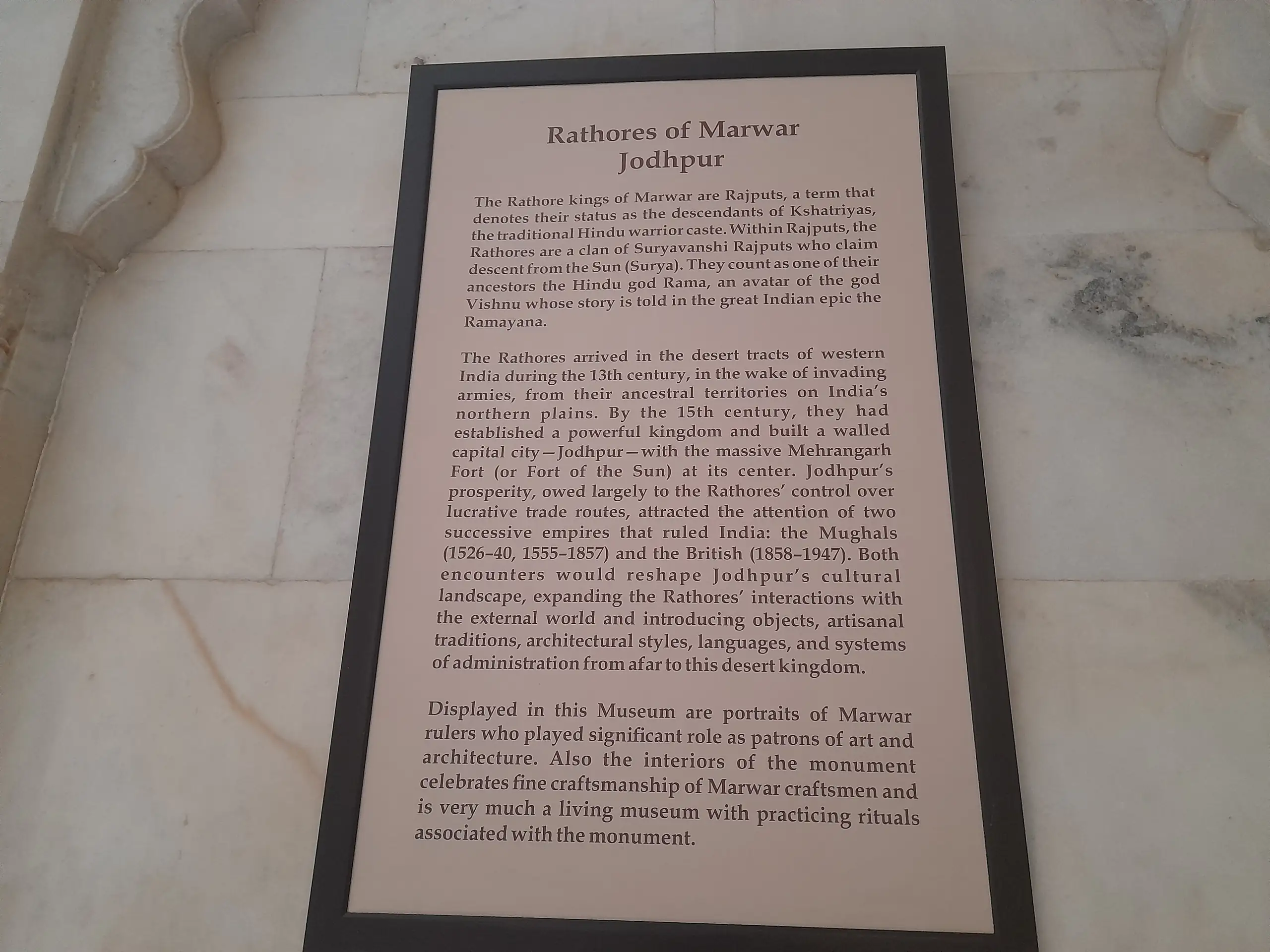
While both festivals showcase Marwar’s musical and cultural heritage, RIFF leans more heavily toward international folk music collaboration and artistic programming, while the Marwar Festival centres more specifically on Rathore martial heritage through polo and equestrian events alongside its folk performances, giving the two events distinctly different characters despite some overlapping themes. Travellers weighing RIFF against the Marwar Festival Jodhpur hosts each October should choose based on this distinction: RIFF for a more internationally curated music experience, the Marwar Festival for a more locally rooted celebration of Rathore heritage specifically.
Combining the Marwar Festival with the standard fort and old city sightseeing circuit works naturally, given the festival’s own use of Mehrangarh Fort and the Clock Tower as central-day venues. This festival remains one of the clearer, more accessible ways to see Jodhpur’s Rathore heritage actively performed and celebrated rather than only encountered through static monuments and museum exhibits. A single well-timed visit here offers genuine insight into the martial traditions that shaped so much of the city’s history and architecture.
FAQ
What is Marwar Festival?
An annual celebration honoring Rajput valor and folk traditions, held around Mehrangarh Fort.
When does Marwar Festival take place?
It typically falls in September or October, timed with the full moon of Sharad Purnima.
What events happen during Marwar Festival?
Folk music, dance performances, and cultural competitions fill the festival’s schedule.
Is Marwar Festival free to attend?
Some events are ticketed while others remain open to the public without charge.
Where does Marwar Festival take place?
Events are held at Mehrangarh Fort and other venues around Jodhpur.