Hidden Gems in Jodhpur: Offbeat Places & Experiences
Beyond Mehrangarh Fort and the postcard Blue City view, Jodhpur holds a handful of quieter, less-visited spots that even repeat visitors often miss. This guide covers the city’s actual hidden gems in Jodhpur — places that stay quiet not because they’re unimpressive, but because they sit just off the standard fort-to-market route.
Rao Jodha Desert Rock Park
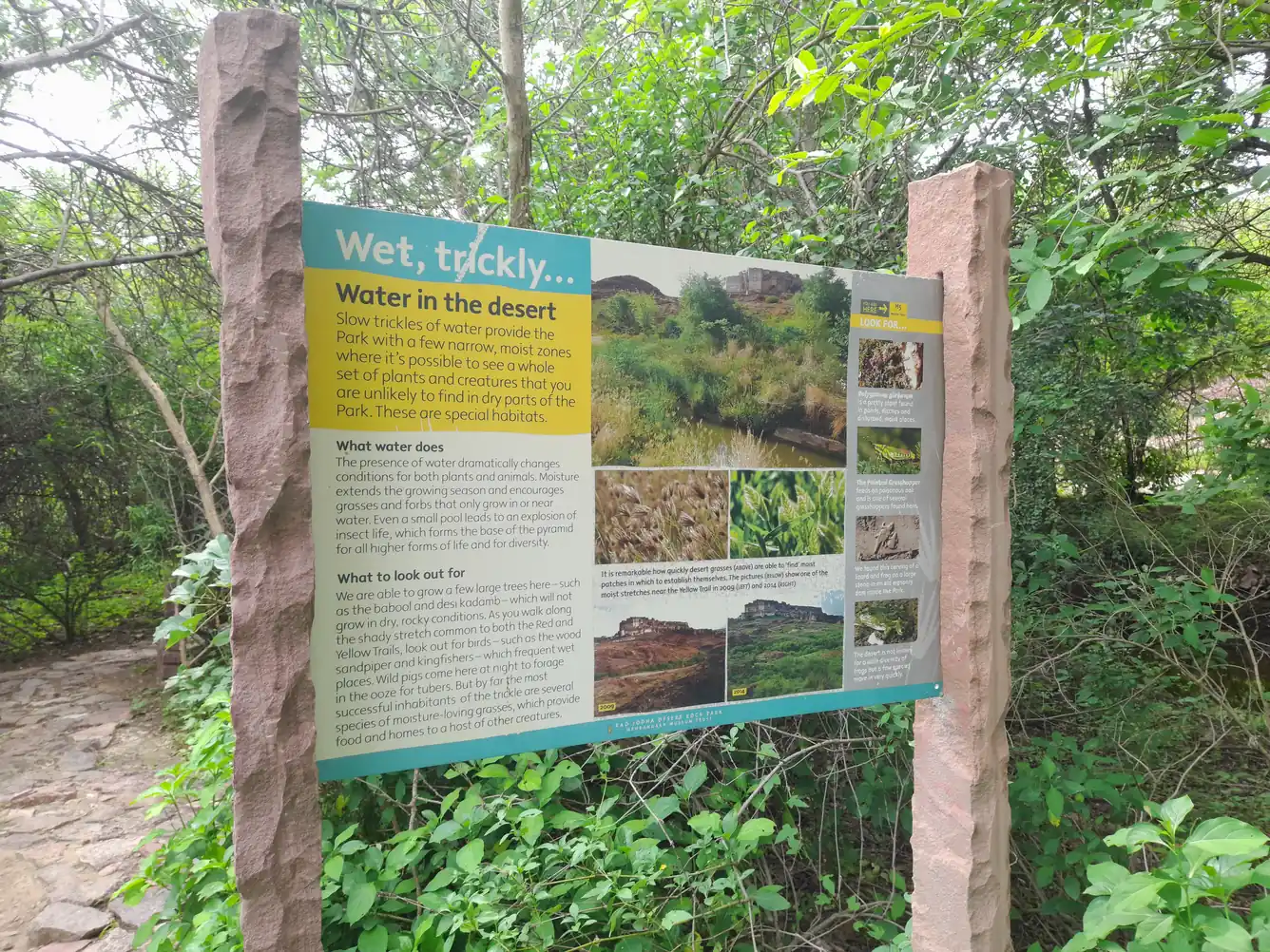
Sharing an entrance area with Mehrangarh Fort but almost entirely overlooked, this roughly 70-hectare restored native scrub ecosystem offers marked walking trails through volcanic rock formations and reintroduced desert plants, along with fort views from angles most visitors never see. It’s one of the quietest, most restorative spots in central Jodhpur, and most people walk straight past the entrance without realising what they’re missing.
Mandore Gardens
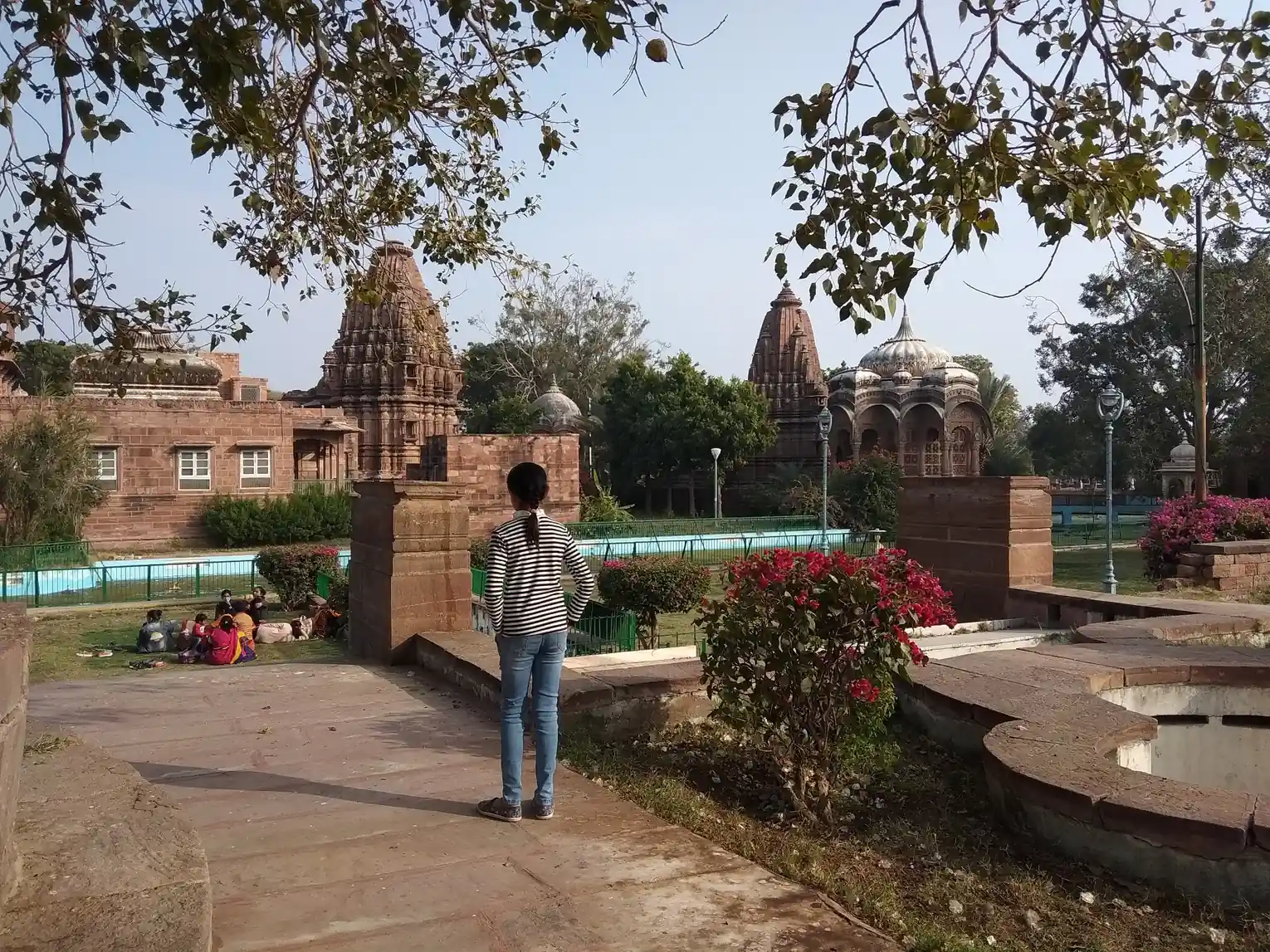
The old capital of Marwar before Rao Jodha founded Jodhpur in 1459, Mandore holds older, less-crowded Rathore royal cenotaphs than Jaswant Thada, along with a rock-cut Hall of Heroes and the Shrine of 33 Crore Gods. Shaded, atmospheric, and rarely busy even during peak season, it’s a genuine alternative for travellers who’ve already covered the city’s main monuments and want comparable architectural interest without the crowds.
Chamunda Mata Temple at Sunset
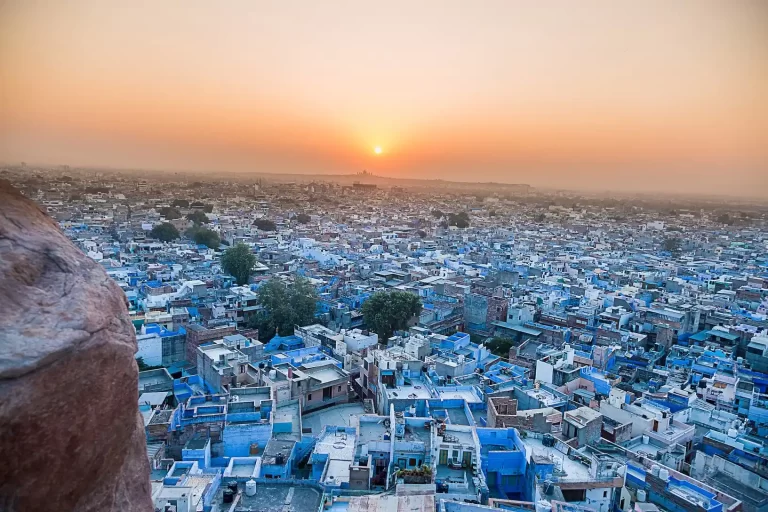
One of the easiest hidden gems in Jodhpur to reach, Chamunda Mata Temple sits at the southern end of Mehrangarh’s ramparts and draws far fewer visitors than the fort itself despite an equally striking sunset view over the city — worth the short walk for anyone who’s already covered the main fort circuit.
Guda Bishnoi Lake
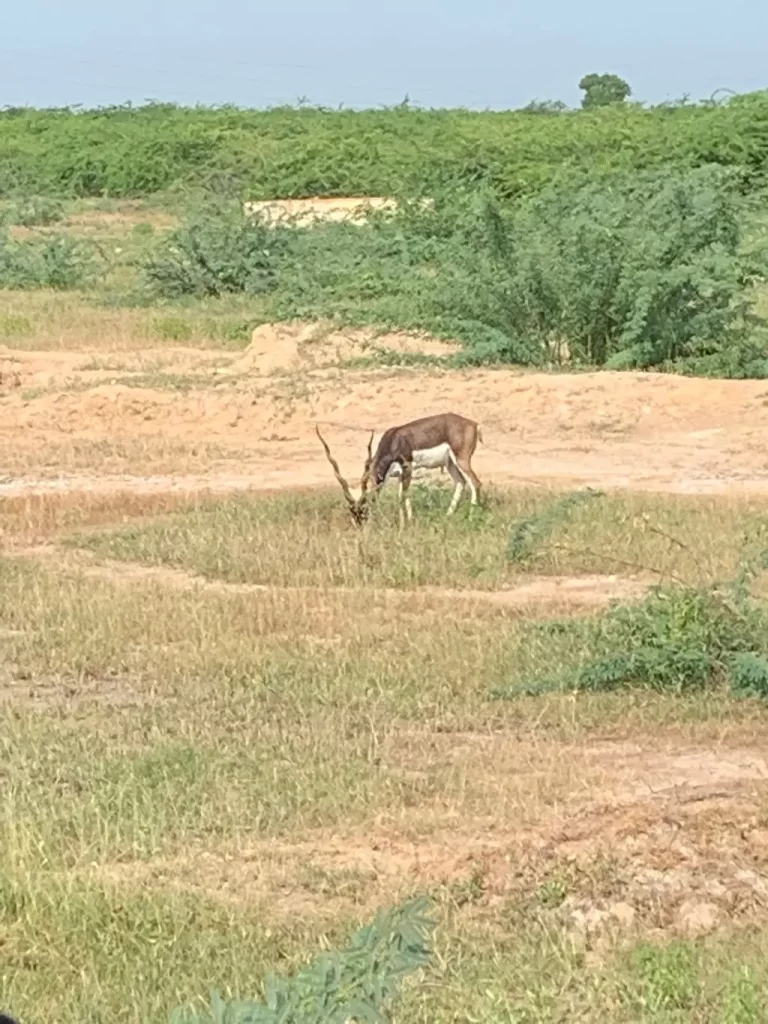
A seasonal lake roughly 25 to 30 km from Jodhpur, surrounded by an active Bishnoi village, where blackbuck and chinkara graze calmly within metres of the road — one of the more reliable wildlife encounters near the city, and one most first-time visitors never hear about.
Balsamand Lake and Garden
A former royal summer retreat, Balsamand Lake and its surrounding garden offer a quieter, greener alternative to the city’s stone monuments, with a small palace structure and mango orchards giving the site a distinctly different character from Jodhpur’s more famous forts and stepwells.
Rai Ka Bagh Palace
Built in 1663 by the queen of Maharaja Jaswant Singh I, this older royal palace sees a fraction of the visitors that Umaid Bhawan Palace draws, despite a richly decorated Durbar Hall and a collection of antique weapons and paintings worth the detour.
Kaylana Lake, the Quiet Version
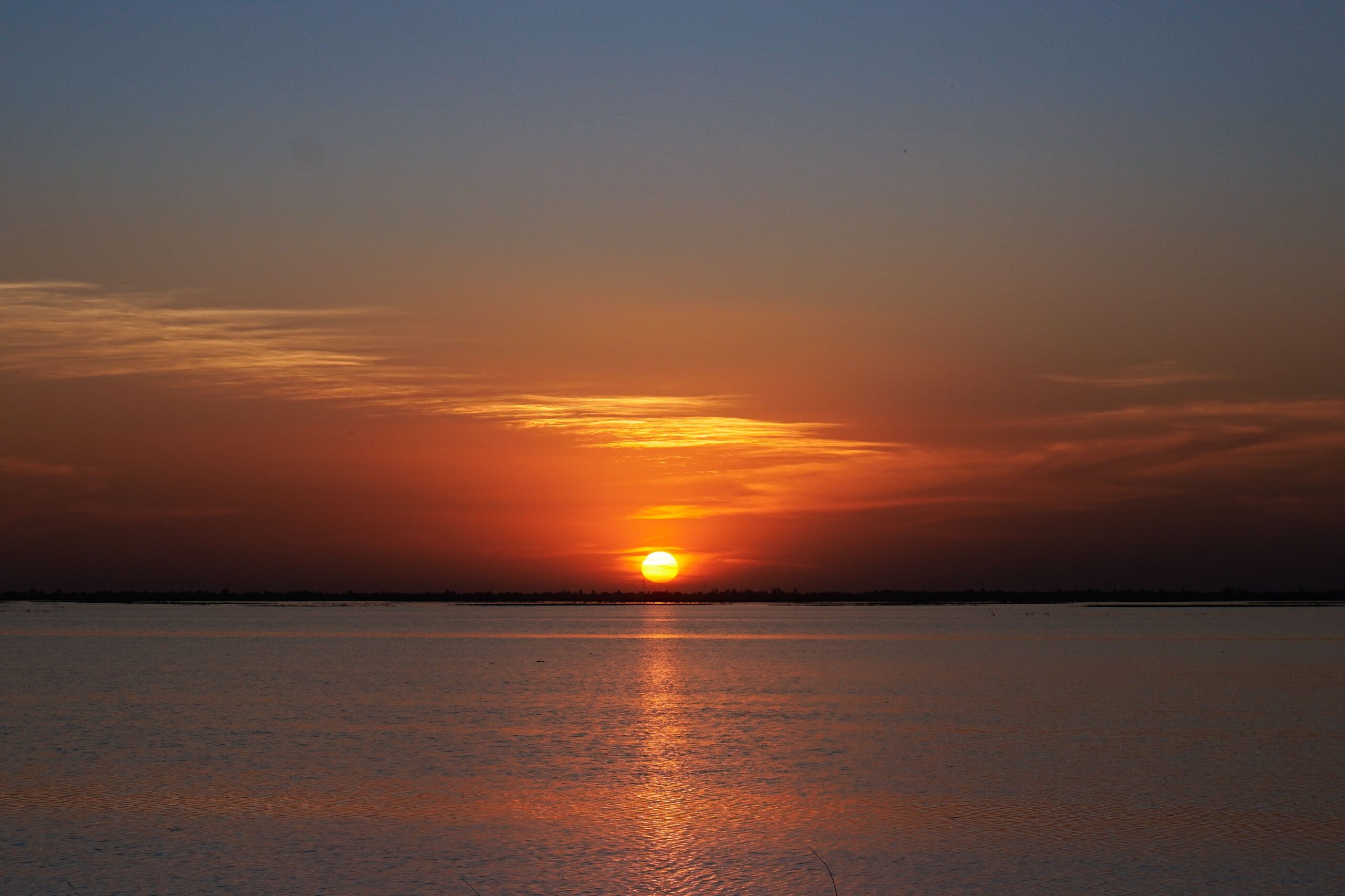
Most visitors know Kaylana Lake as a sunset spot, but this artificial reservoir, built in 1872 under Maharaja Pratap Singh, is also a real local outing — popular mainly with Jodhpur picnickers rather than tourists, and noticeably calmer outside the golden hour when the crowds gather for the view.
Merchant Havelis in the Old City Lanes
Among the quieter hidden gems in Jodhpur, a handful of ornately carved merchant havelis scattered through the lanes near Sardar Market built by historic trading families offer a different register of architecture from Mehrangarh’s royal grandeur — private, decorative, and largely unmarked, best found with a knowledgeable local guide.
The Old City’s Quieter Lanes and Original Gates
Sojati Gate, Chandpol, and Nagori Gate mark the boundaries of the historic walled town, and several stretches of the original city wall remain walkable, unsignposted for visitors. Moving even one or two streets away from the main tourist paths through the Blue City reveals quieter residential lanes where daily life continues largely undisturbed by tourism — precisely why wandering the old city without a fixed plan tends to turn these up.
Toorji Ka Jhalra Beyond the Photograph
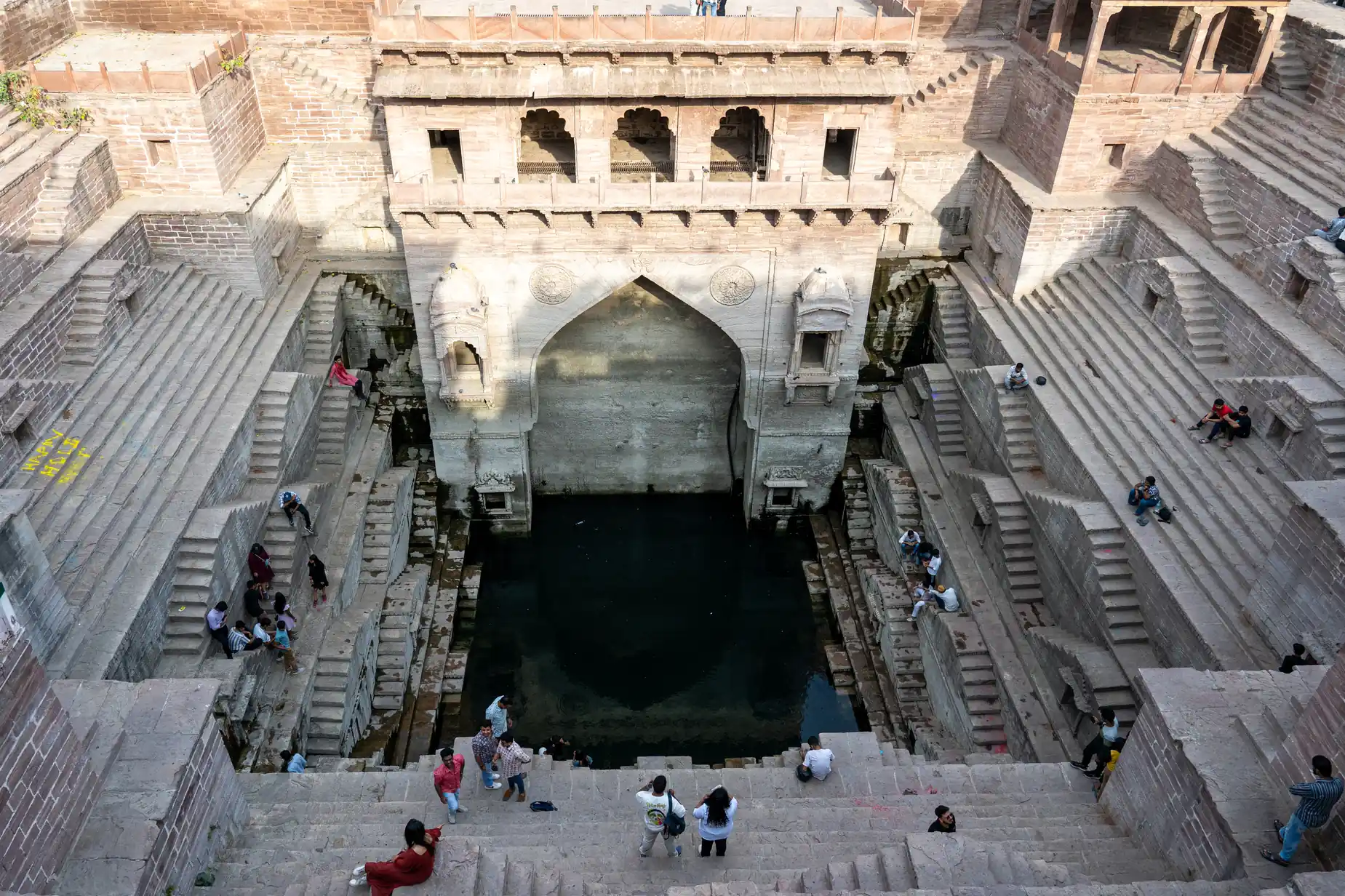
Toorji Ka Jhalra has become a popular photo stop, but arriving early morning before the crowds and cafés fill in reveals the stepwell’s original function as a neighbourhood water source, with local residents still occasionally using its steps — a quieter, more everyday encounter with the site than the busier midday hours offer.
Local Workshops Off the Main Bazaar
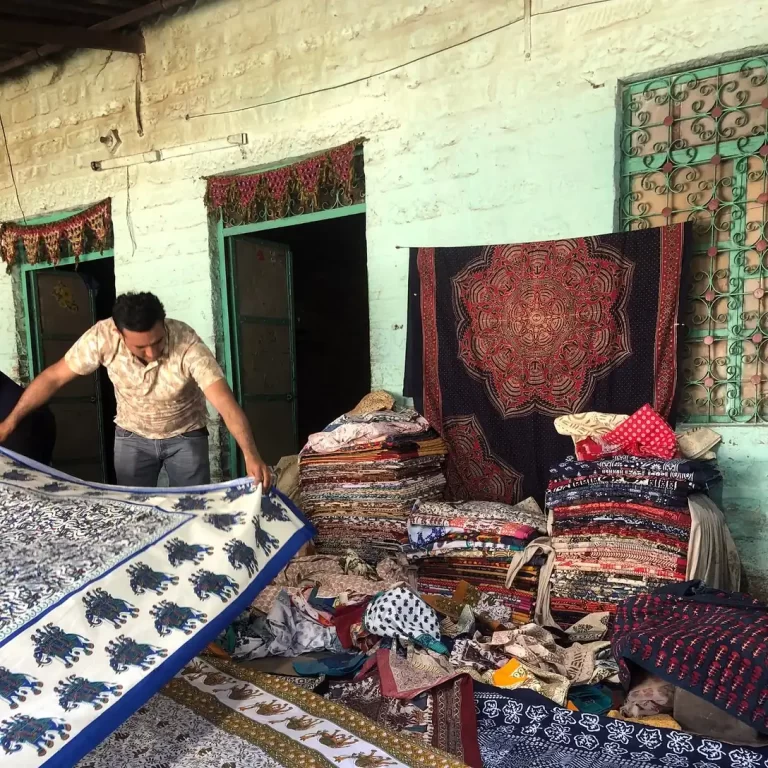
Smaller artisan workshops tucked away from Sardar Market’s main thoroughfare, particularly those working in textiles and metal, offer a distinctly offbeat shopping and observation experience for travellers willing to wander slightly further from the most obvious tourist routes through the old city.
Osian’s Ancient Temples
Roughly 65 km and ninety minutes from Jodhpur, this cluster of eighth-to-twelfth-century Hindu and Jain temples, combined with accessible sand dunes, remains surprisingly under-visited relative to its historical significance — a strong candidate for a half-day trip that most standard city itineraries skip entirely. Our dedicated Osian day trip guide covers it in full.
Why These Places Stay Quiet
Most of Jodhpur’s hidden gems share a common trait: they require either a short drive outside the immediate old city, or a willingness to wander without a fixed itinerary, rather than sitting directly on the standard fort-to-market tourist route. That’s precisely what keeps them quiet, and precisely what makes them worth the small extra effort for visitors who’ve already covered the headline sights.
A Local’s Perspective on What Counts as Hidden
Ask a Jodhpur-based guide what they’d show a repeat visitor, and the answer rarely includes anything on the standard tourist list. Beyond the specific sites above, many guides will point toward a particular unmarked stepwell, a specific rooftop with an unusually good sunset angle, or a specific family’s workshop — details that don’t scale into a generic list but reward asking a local directly once you’ve built some rapport during your stay.
Fitting Hidden Gems into a Standard Trip
Rao Jodha Desert Rock Park pairs naturally with a Mehrangarh Fort visit, requiring almost no extra planning, and Chamunda Mata Temple is an easy add-on to the same fort circuit. Among Jodhpur’s hidden gems, Mandore Gardens works especially well as a short add-on to any day already heading toward the city’s northern edge. Guda Bishnoi Lake, Balsamand Lake, and Osian are better suited to travellers with at least a third day, since each involves enough travel time to justify a dedicated slot rather than a rushed add-on. A good combined offbeat day pairs Rao Jodha Desert Rock Park in the morning, Balsamand Lake around midday, and Chamunda Mata Temple for sunset — best attempted once the main sites are already covered rather than as a first-day priority.
Practical Notes for Offbeat Sightseeing
Hiring a local guide or driver familiar with these less-marked routes helps considerably, since several of these spots lack the clear signage found at Jodhpur’s more famous monuments. Checking current access and any seasonal closures before setting out is a sensible precaution too, given their lighter tourism infrastructure compared to the city’s major sites. Building even a single stop from this list of hidden gems in Jodhpur into an otherwise standard itinerary noticeably changes how the trip feels — a quiet morning at Rao Jodha Desert Rock Park alone is often enough to convince a skeptical traveller that the city has more to offer than its headline monuments suggest.
What counts as a hidden gem in Jodhpur?
Quiet stepwells, back lanes of the old city, and lesser-visited viewpoints away from the main fort crowds.
Are hidden gems hard to find without a guide?
Most are reachable on foot with a rough map, though a local guide adds context and easier navigation.
Is it worth seeking out offbeat spots on a short trip?
If time allows even half a day, offbeat spots offer a quieter, more local perspective on the city.
Are these places safe to explore independently?
Yes, most offbeat spots sit within the well-trafficked old city, making independent exploration reasonably safe.
What’s the best time to explore lesser-known areas?
Early morning or late afternoon offers cooler temperatures and quieter lanes for unhurried exploration.