Jodhpur Festivals, Cultural Events & Folk Arts
Jodhpur’s calendar is punctuated by festivals that range from major pan-Indian celebrations like Holi and Diwali, marked here with distinctly Marwari traditions, to events found nowhere else, like the Rajasthan International Folk Festival held partly within the walls of Mehrangarh Fort itself. Timing a visit around one of these can transform an otherwise straightforward sightseeing trip into something considerably more memorable. This guide covers Jodhpur’s major festivals, cultural events, and folk arts traditions — when they fall, and what to actually expect at each. For the fuller single-article walkthrough, see our complete Jodhpur festivals calendar.
Jodhpur’s Festival Calendar: An Overview
Most of Jodhpur’s major festivals follow the Hindu lunar calendar, which means exact dates shift from year to year relative to the Gregorian calendar — worth confirming current-year dates specifically when planning a trip around any of them, rather than assuming last year’s date will repeat exactly. Broadly, the festival calendar runs from Holi in early spring (usually March), through summer’s quieter stretch, into a dense cluster of festivals across the monsoon and post-monsoon months (roughly August through November) including Teej, Gangaur, and Diwali, before the Rajasthan International Folk Festival typically closes out the year’s major events around October.
Rajasthan International Folk Festival (RIFF)
RIFF is Jodhpur’s highest-profile cultural event for visitors specifically — a multi-day music festival held within Mehrangarh Fort, typically timed around the October full moon (Sharad Purnima), bringing together Rajasthani folk musicians, including hereditary Manganiar performers, alongside international artists for a series of evening concerts set against the fort’s ramparts. Performances happen across multiple fort venues simultaneously, from grand courtyards to more intimate settings, and the festival has grown into a significant draw for visitors specifically planning their trip around it — hotel availability tightens noticeably during the festival dates, so booking well ahead matters more than for a typical Jodhpur visit. Our full RIFF guide covers the festival in more depth.
RIFF also functions as one of the most important living showcases for Marwar’s hereditary folk-music traditions, discussed in more depth in our Jodhpur folk music and dance guide — many performers come from families who have played court and folk music for generations, and the festival has been credited with helping sustain interest in traditions that might otherwise have faded as younger generations moved toward other careers.
Marwar Festival
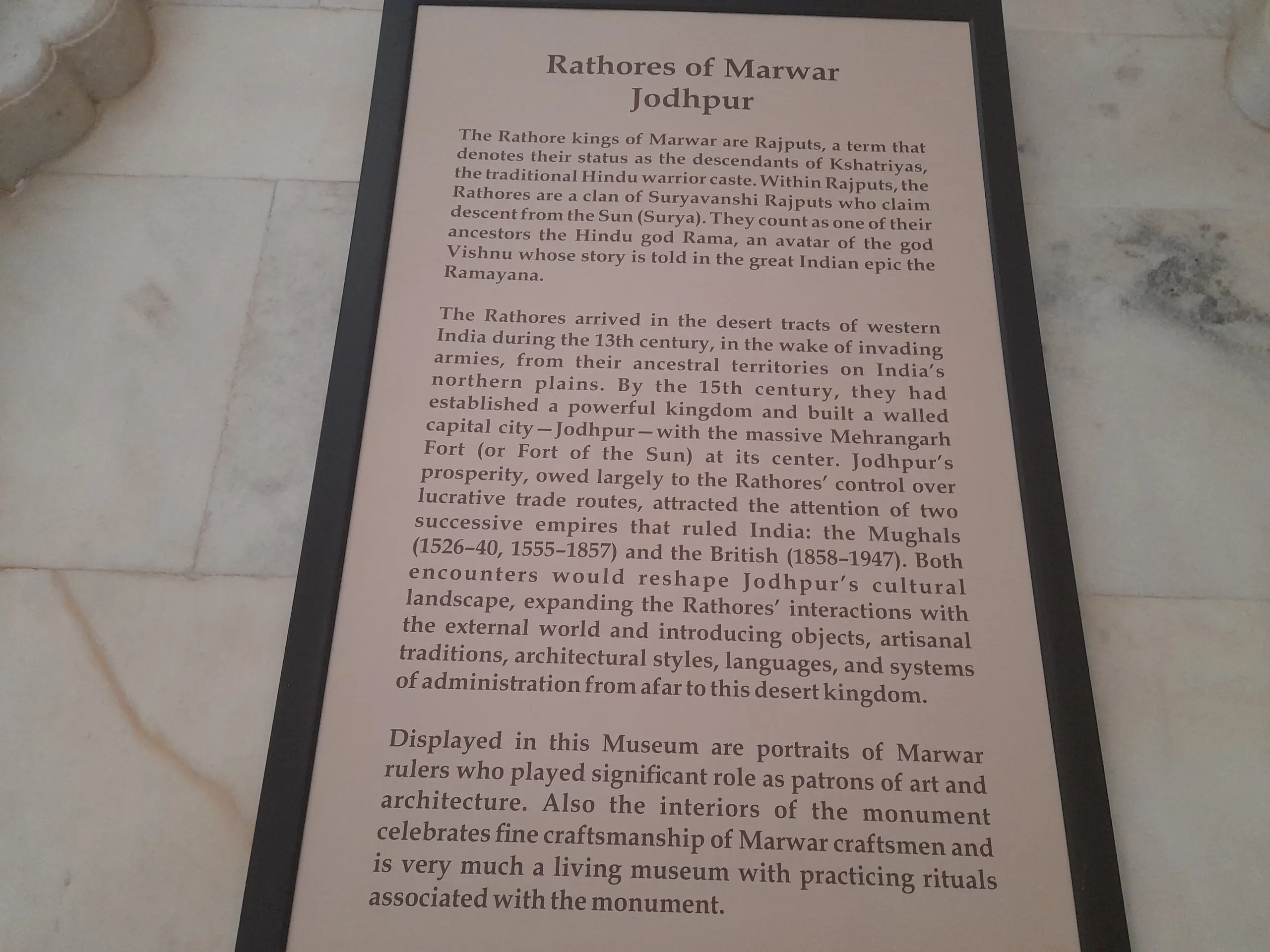
Held annually, typically in the lead-up to the autumn full moon, Marwar Festival celebrates the region’s folk heroes and cultural traditions through music, dance, and equestrian and camel events, with celebrations spanning both central Jodhpur and, on the second day, nearby Osian. It’s a considerably more local, less internationally marketed event than RIFF, and offers a somewhat more unfiltered look at Marwar folk culture as a result, including traditional Marwari horse displays and dance performances that draw heavily local audiences alongside visitors. See our dedicated Marwar Festival guide for exact venues and events.
Holi in Jodhpur
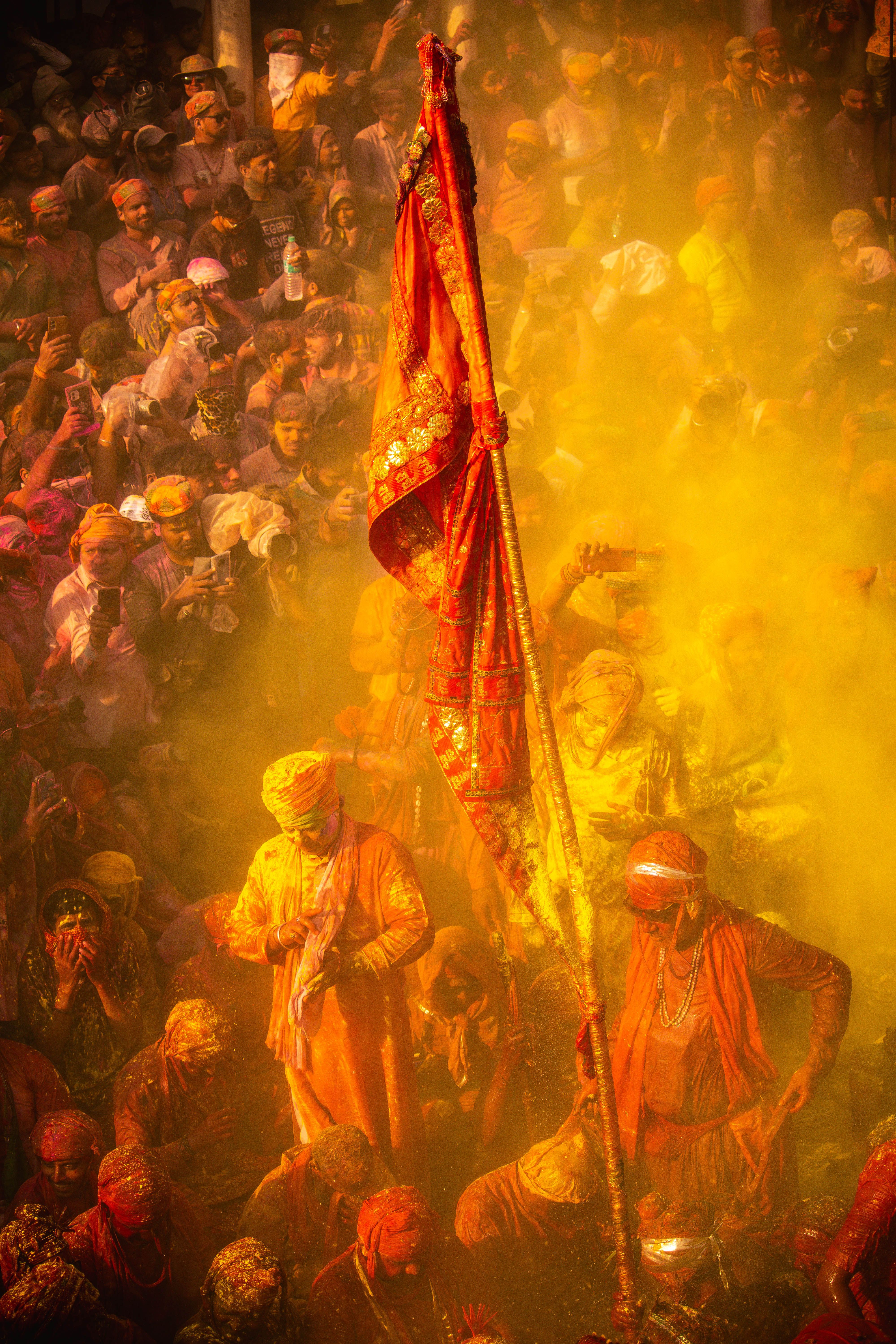
Holi, the festival of colours, is celebrated across Jodhpur with the same exuberant colour-throwing familiar from Holi celebrations nationally, but with a distinctly Rajasthani flavour to the associated traditions — including specific folk songs and community gatherings the evening before (Holika Dahan, marking the bonfire ritual that precedes the main colour celebration the following day). The old city’s streets and open squares become the main gathering points, and several hotels and havelis host organised Holi events specifically for guests, which tend to be a more comfortable option for visitors uneasy about the full intensity of a street celebration. Light, easily washable clothing you don’t mind ruining is essential regardless of how you choose to participate. Our full Holi in Jodhpur guide covers where to watch versus where to join in.
Diwali in Jodhpur
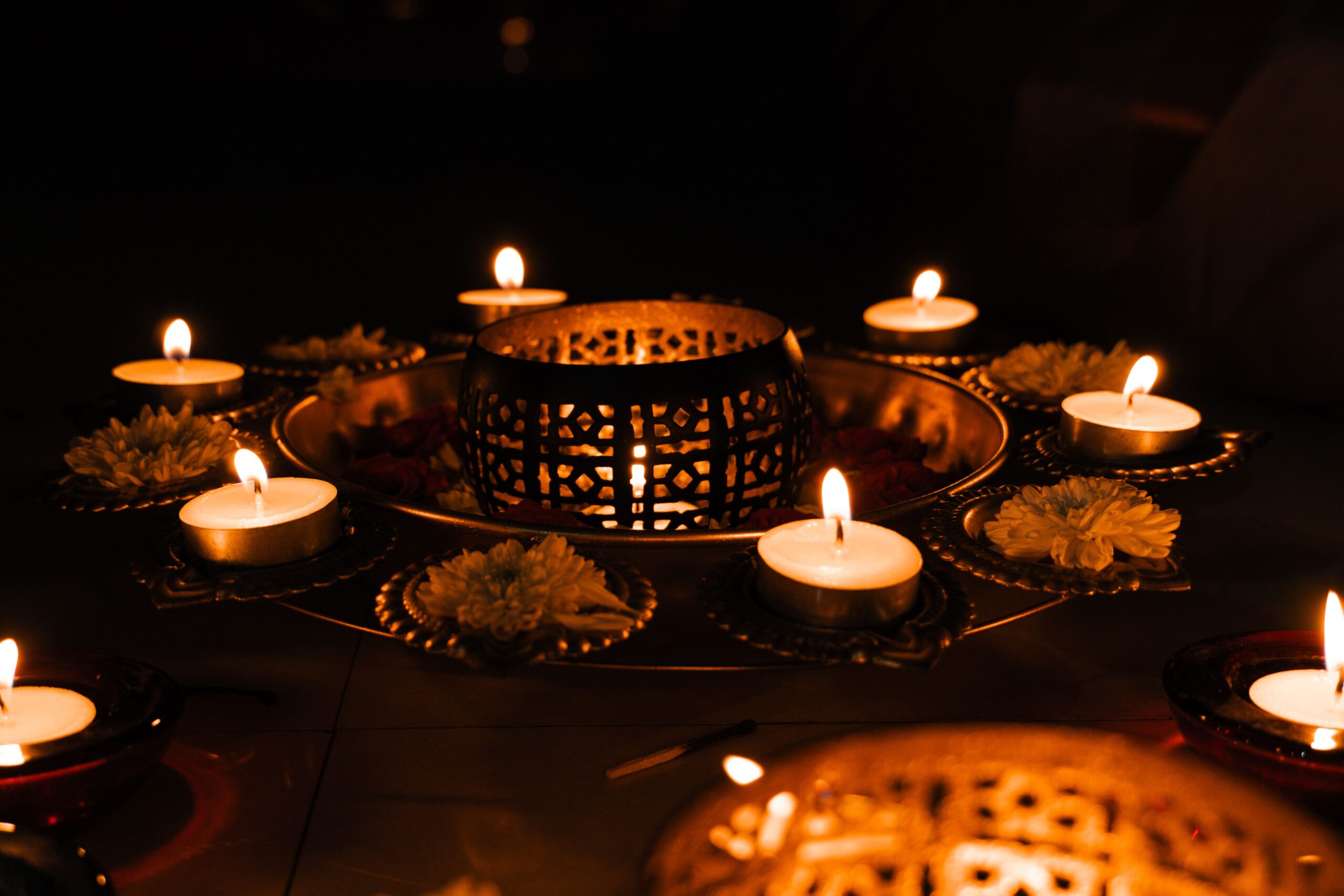
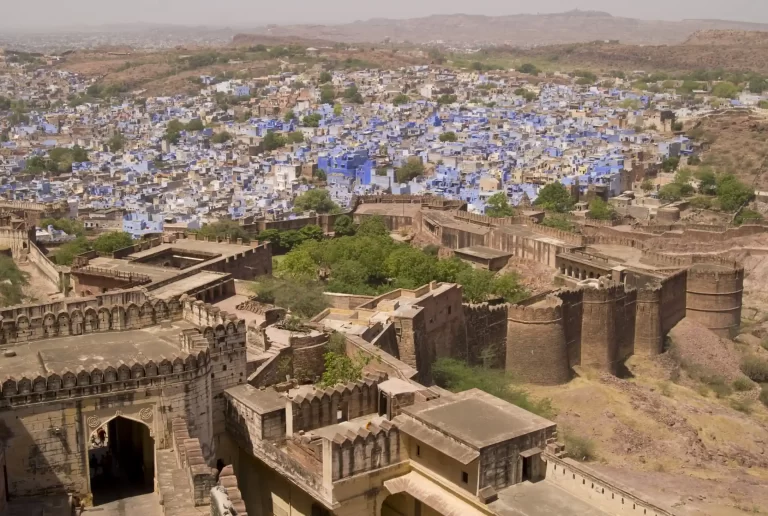
Diwali transforms Jodhpur’s old city into a strikingly spectacular sight after dark — thousands of oil lamps and string lights lining rooftops and windowsills across the Blue City, visible in a single sweeping view from Mehrangarh Fort’s ramparts, arguably one of the best festival viewpoints anywhere in Rajasthan. Markets, Sardar Market especially, become considerably busier in the days leading up to Diwali as locals shop for new clothes, sweets, and decorations, and fireworks are widespread across the city on the main night itself. Visiting Jodhpur specifically for Diwali rewards planning a fort visit or rooftop dinner reservation around sunset on the main night, when the citywide lighting display is at its most striking. See our dedicated Diwali in Jodhpur guide for more on markets, illuminations, and where to watch from.
Teej and Gangaur
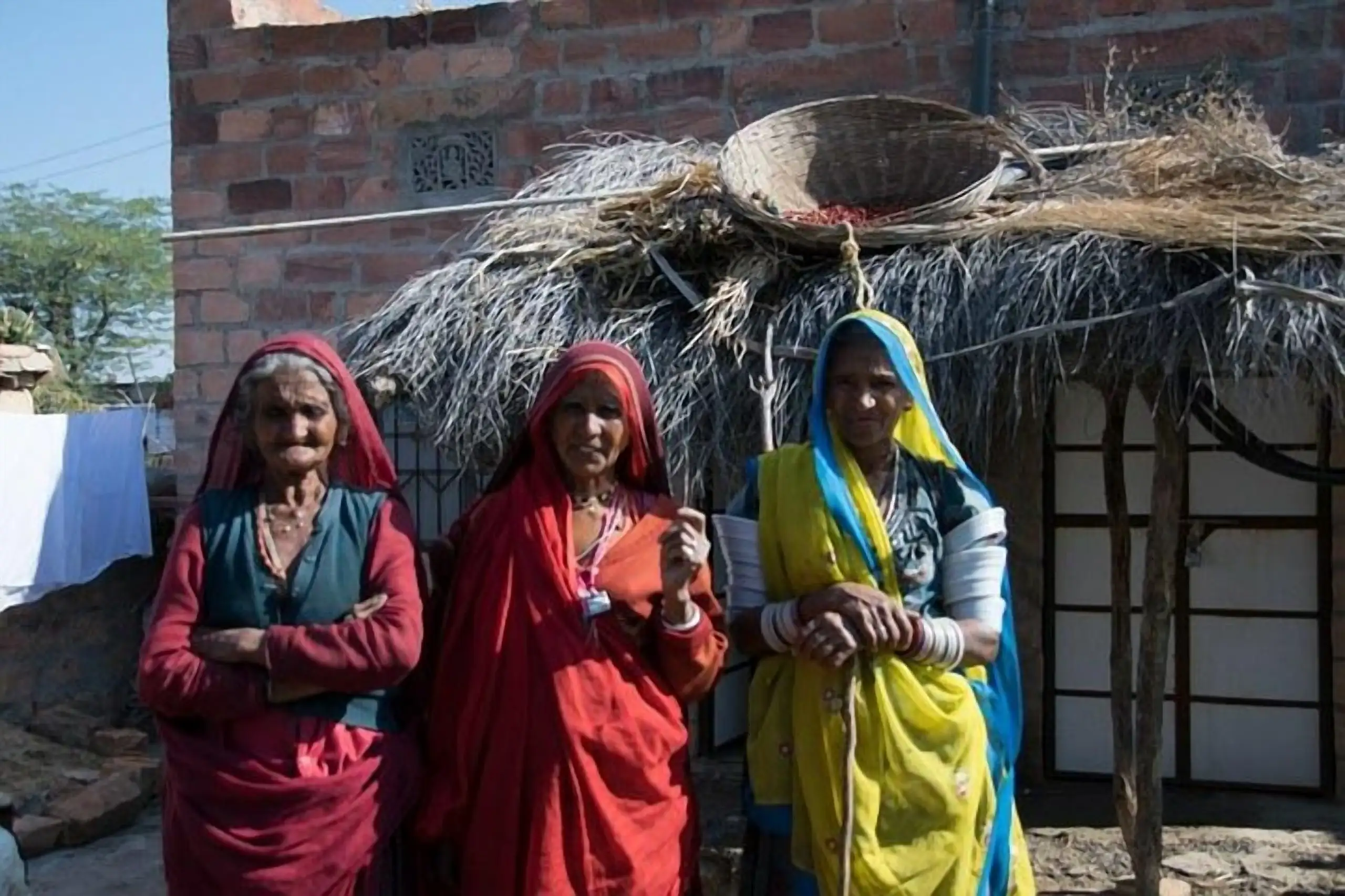
Teej, celebrated primarily by women and marking the arrival of the monsoon, involves traditional swings decorated and hung from trees, folk songs, and processions featuring elaborately dressed idols, with Jodhpur’s version drawing on the same broader Rajasthan Teej traditions seen in Jaipur but on a more local, less internationally marketed scale. Gangaur, celebrated in the weeks following Holi and dedicated to Gauri (a form of Parvati), similarly centres on women’s processions and idol worship, and in Jodhpur is marked by community gatherings and traditional dress rather than large public spectacles — both festivals offer visitors a genuine window into everyday religious and social life rather than a staged tourist event.
Folk Arts on Display: Music, Dance, and Puppetry
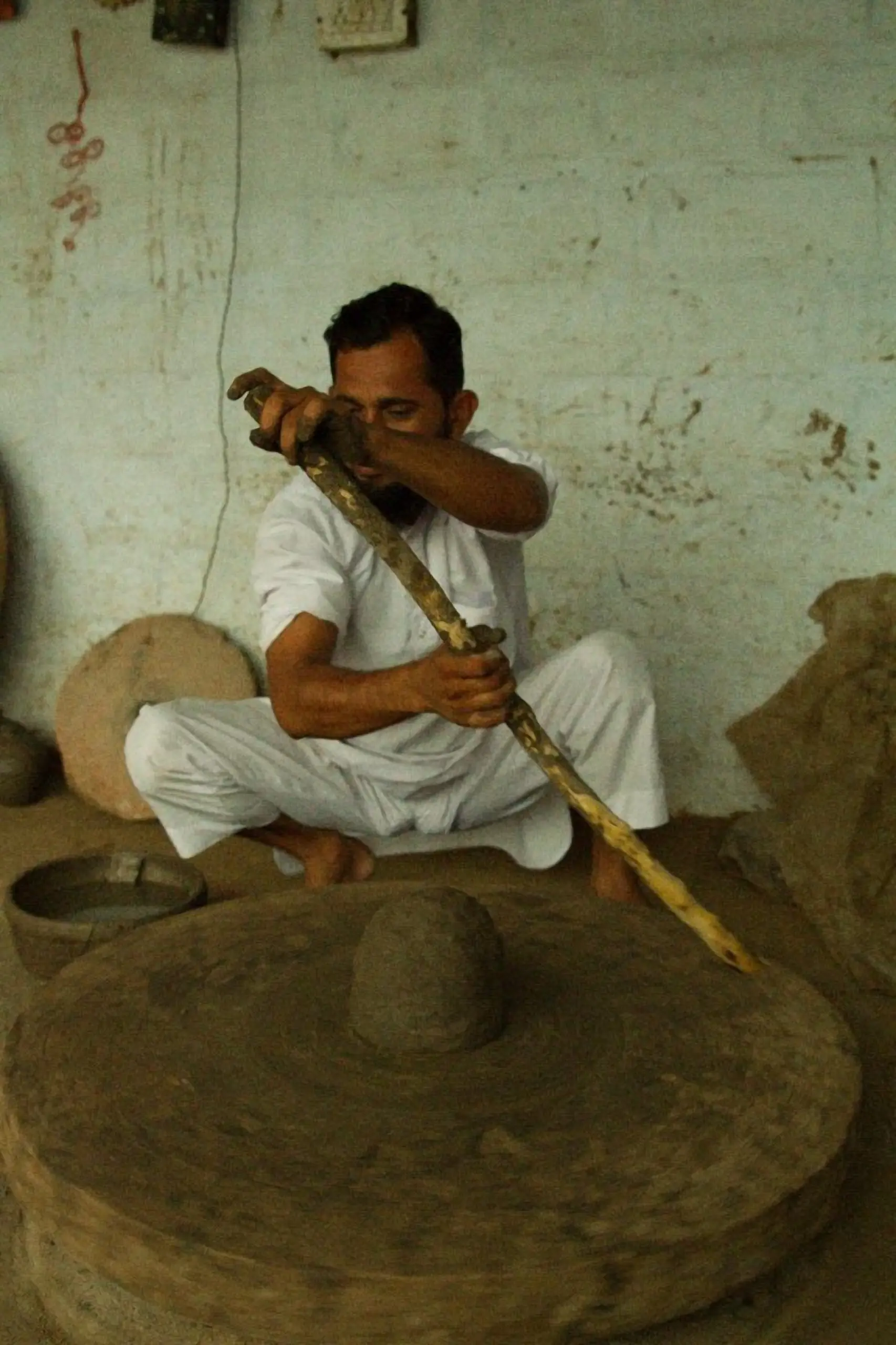
Beyond the named festivals, Jodhpur’s folk arts scene is worth understanding as its own thread running through the whole calendar. Ghoomar, a swirling women’s folk dance, and Kalbelia, a UNESCO-recognised dance historically performed by the snake-charmer community, both appear regularly at festival celebrations and cultural evenings across the city. Kathputli, Rajasthan’s traditional string-puppet performance art, is another folk-art form frequently woven into festival programming and cultural evenings at heritage hotels, using brightly costumed wooden marionettes to perform folk tales and historical stories — a tradition with its own dedicated performer communities, distinct from the musician communities behind Jodhpur’s folk-music scene.
Cultural Performances and Events Beyond the Festival Calendar
Outside the major named festivals, Jodhpur has a fairly steady stream of smaller cultural events — folk music and dance evenings hosted at heritage hotels, occasional classical music performances, and periodic exhibitions connected to the fort’s museum programming. Mehrangarh Fort in particular runs a changing calendar of exhibitions and events beyond RIFF, worth checking specifically if visiting outside the major festival months, since these smaller events often draw far fewer visitors than the headline festivals while still offering genuine cultural programming. Several heritage havelis and hotels also host regular evening performances for guests, typically combining a folk-music set with a Kalbelia or Ghoomar dance performance and, occasionally, a shorter kathputli show. Our full guide to Jodhpur’s cultural performances and events has more on what’s on beyond the festival calendar.
Planning a Trip Around a Festival
- Book well ahead: Hotel availability and prices both tighten significantly around RIFF and Diwali specifically — three to six months ahead is a reasonable target for festival-dates travel.
- Confirm exact dates yearly: Because most festivals follow the lunar calendar, dates shift annually — check the current year’s specific dates rather than relying on a previous year’s calendar.
- Expect crowds and noise: Major festivals bring substantially large crowds to central areas; if quiet sightseeing matters more to you than festival atmosphere, visiting just before or after peak festival dates can offer a middle ground.
- Ask your hotel about private or organised events: For festivals like Holi, hotel-organised celebrations offer a more controlled, comfortable alternative to full street participation.
- Look beyond the headline festivals: A hotel-hosted folk music and dance evening, arranged on any ordinary night of your stay, can deliver much of the cultural experience of a major festival without needing to time your whole trip around one.
Nag Panchami, Makar Sankranti, and Smaller Local Observances
Beyond the major festivals covered above, Jodhpur observes a range of smaller regional festivals that rarely make it onto international travel calendars but are still very much part of the city’s cultural rhythm. Makar Sankranti, marking the winter solstice transition, is celebrated with kite-flying across rooftops throughout the old city — a distinctly striking sight from any elevated viewpoint, with the sky filled with competing kites for much of the day. Nag Panchami, dedicated to snake worship, holds particular resonance in a desert region where snakes have long been both a practical danger and a subject of folk reverence. Neither festival is heavily promoted to visitors, which is part of what makes stumbling across one, especially the kite-flying of Makar Sankranti, feel like a genuine local discovery rather than a staged event.
Weddings and Ceremonial Culture
Jodhpur, like much of Rajasthan, hosts a significant number of elaborate weddings, particularly across the main wedding season (roughly October through February, avoiding the hottest months), and several of the city’s heritage palaces and havelis operate partly as wedding venues. Visitors staying at heritage properties during wedding season may well encounter a procession, a decorated venue, or the sound of a live band and fireworks in the evening — generally not something to intrude on directly, but a visible and colourful part of the city’s broader ceremonial culture worth being aware of when planning a stay during these months, since some properties may have limited public access during a private wedding event.
Where to Experience Folk Music and Dance as a Visitor
For visitors who want a folk-arts experience without timing a trip around a specific festival, three main options exist. Heritage hotel and haveli evenings offer the most convenient and consistently available option, typically a set-length performance combining music and dance, arranged for guests on a fairly predictable schedule. Dedicated cultural centres and smaller venues in the old city occasionally host ticketed performances open to the general public, worth checking for during your specific travel dates. And, for a completely unplanned encounter, wandering the old city in the evening during festival weeks often turns up informal community performances not aimed at visitors at all — arguably the most authentic version of the experience, though also the least predictable.
How Jodhpur’s Festival Culture Compares to Jaipur and Udaipur
Jaipur’s festival calendar leans more heavily toward large, internationally promoted events — the Jaipur Literature Festival and its own elephant festival among them — reflecting the city’s position as Rajasthan’s most internationally connected capital. Udaipur’s Mewar Festival, similarly, has a more polished, tourism-oriented production than Jodhpur’s comparable Marwar Festival. Jodhpur’s festival culture, RIFF aside, tends to feel somewhat more locally rooted and less produced specifically for visitors — not necessarily a better or worse experience, but a distinctly different register, closer to how these festivals would look without significant tourism industry involvement.
Is it appropriate for visitors to photograph festival processions and celebrations?
Generally yes for public processions and street celebrations, though it’s courteous to ask before photographing individuals up close, particularly during more religious or ceremonial moments. Private events like weddings should not be photographed without explicit permission from the hosts.
Does visiting during wedding season affect hotel prices or availability?
It can, particularly at heritage properties that also host weddings — availability may be reduced around specific auspicious wedding dates, and prices at in-demand properties can rise during the peak October-to-February wedding season, which also happens to be Jodhpur’s most comfortable weather window generally.
A Sample Festival-Focused Itinerary
For visitors specifically building a trip around Jodhpur’s festival calendar, a reasonable approach is to anchor the trip on RIFF or Diwali as the centrepiece, then bracket it with two or three days of standard sightseeing before or after — arriving a day or two early allows time to settle in and see the fort and old city without festival crowds, while the festival days themselves become the trip’s highlight rather than competing with an already packed sightseeing schedule.
Are festival dates the same every year, or do they shift?
Most shift, since they follow the Hindu lunar calendar rather than fixed Gregorian dates. RIFF is a partial exception, generally anchored to the October full moon each year, but even this can move by several weeks depending on the lunar cycle — always confirm the current year’s specific dates before booking travel.
Is there an entry fee to attend Diwali or Holi celebrations in the old city?
No — street celebrations for Diwali and Holi are open, public events with no entry fee. Only ticketed events like RIFF performances or specific hotel-organised celebrations carry a cost.
Carrying Festival Traditions Forward
Jodhpur’s festival calendar, from the Marwar Festival’s celebration of Rajput martial and musical heritage to the RIFF world music festival held within Mehrangarh Fort itself, shows a city actively adapting centuries-old traditions into formats that draw both local participation and international audiences. Timing a visit around one of these events adds a dimension to a Jodhpur trip that standalone monument sightseeing cannot replicate on its own.
FAQ
What is Jodhpur’s biggest festival?
Marwar Festival stands out as the city’s major cultural celebration, alongside Jodhpur RIFF.
When is the best time to visit for festivals?
October through March covers most of Jodhpur’s major festivals, including Marwar Festival and RIFF.
Is Holi celebrated widely in Jodhpur?
Yes, Holi is celebrated enthusiastically across the old city and surrounding neighborhoods.
What is Jodhpur RIFF?
The Rajasthan International Folk Festival, a major annual celebration of folk music held at the fort.
Are festival events open to tourists?
Yes, most festivals welcome visitors, though some events may require advance tickets.