Wildlife Around Jodhpur: Best Places for Nature & Wildlife
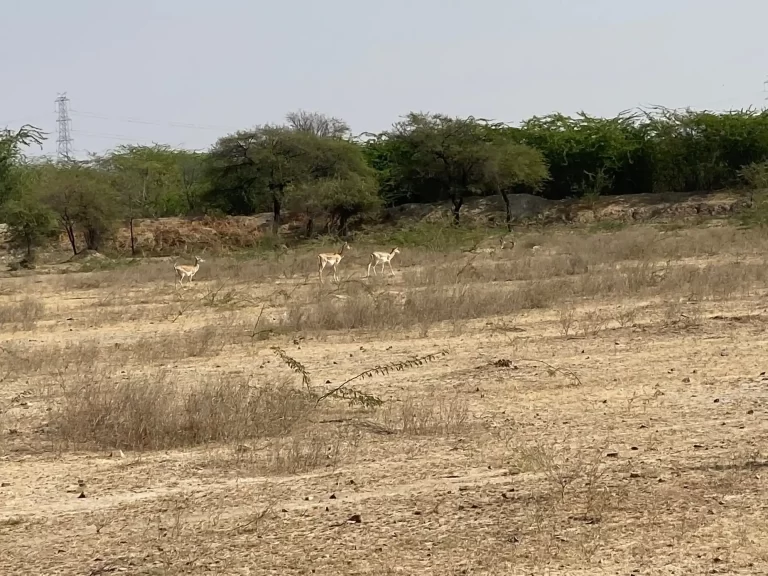
Wildlife around Jodhpur is a surprisingly rich part of the desert landscape, from blackbuck antelope grazing freely near Bishnoi villages to migratory birds gathering at desert lakes, offering travellers a distinctly rewarding nature experience that complements the city’s more famous fort and palace sightseeing. Unlike dedicated national parks requiring lengthy travel, much of Jodhpur’s best wildlife viewing sits within a comfortable half-day excursion of the city, making it an accessible addition to a standard Jodhpur itinerary.
Blackbuck and Chinkara Near Bishnoi Villages
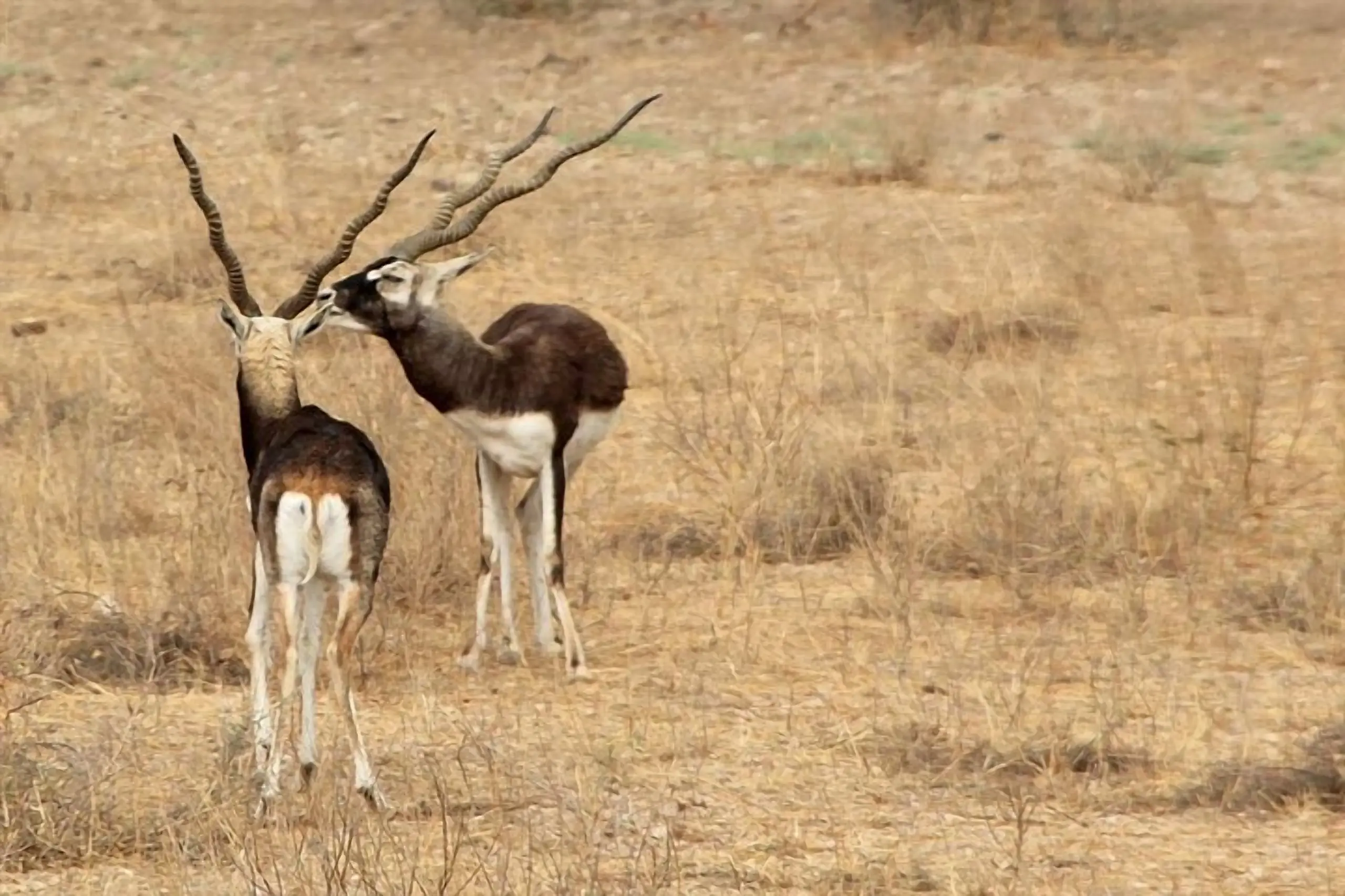
The villages surrounding Jodhpur inhabited by the Bishnoi community, whose religious principles prohibit hunting and harming animals, host unusually large and approachable populations of blackbuck antelope and chinkara gazelle, offering some of the closest, most reliable wildlife viewing of these species available anywhere in Rajasthan.
Guda Bishnoi Lake
This seasonal lake, roughly twenty-five to thirty kilometres from Jodhpur and surrounded by Bishnoi villages, attracts migratory and resident bird species alongside the antelope populations common throughout the area, making it a worthwhile stop for travellers combining wildlife viewing with the cultural experience of a Bishnoi village visit.
Desert Foxes and Smaller Mammals
Beyond the more commonly spotted blackbuck and chinkara, the scrubland around Jodhpur is also home to smaller mammals including desert foxes and various rodent species adapted to arid conditions, though these are considerably less commonly sighted than the larger, more visible antelope species.
Migratory and Resident Birdlife
Jodhpur’s surrounding lakes and wetlands, including Guda Bishnoi Lake, attract a range of migratory bird species during winter months, alongside resident birds found year-round, making the region a worthwhile stop for birdwatching enthusiasts, particularly during the cooler winter season when migratory numbers peak.
Rao Jodha Desert Rock Park
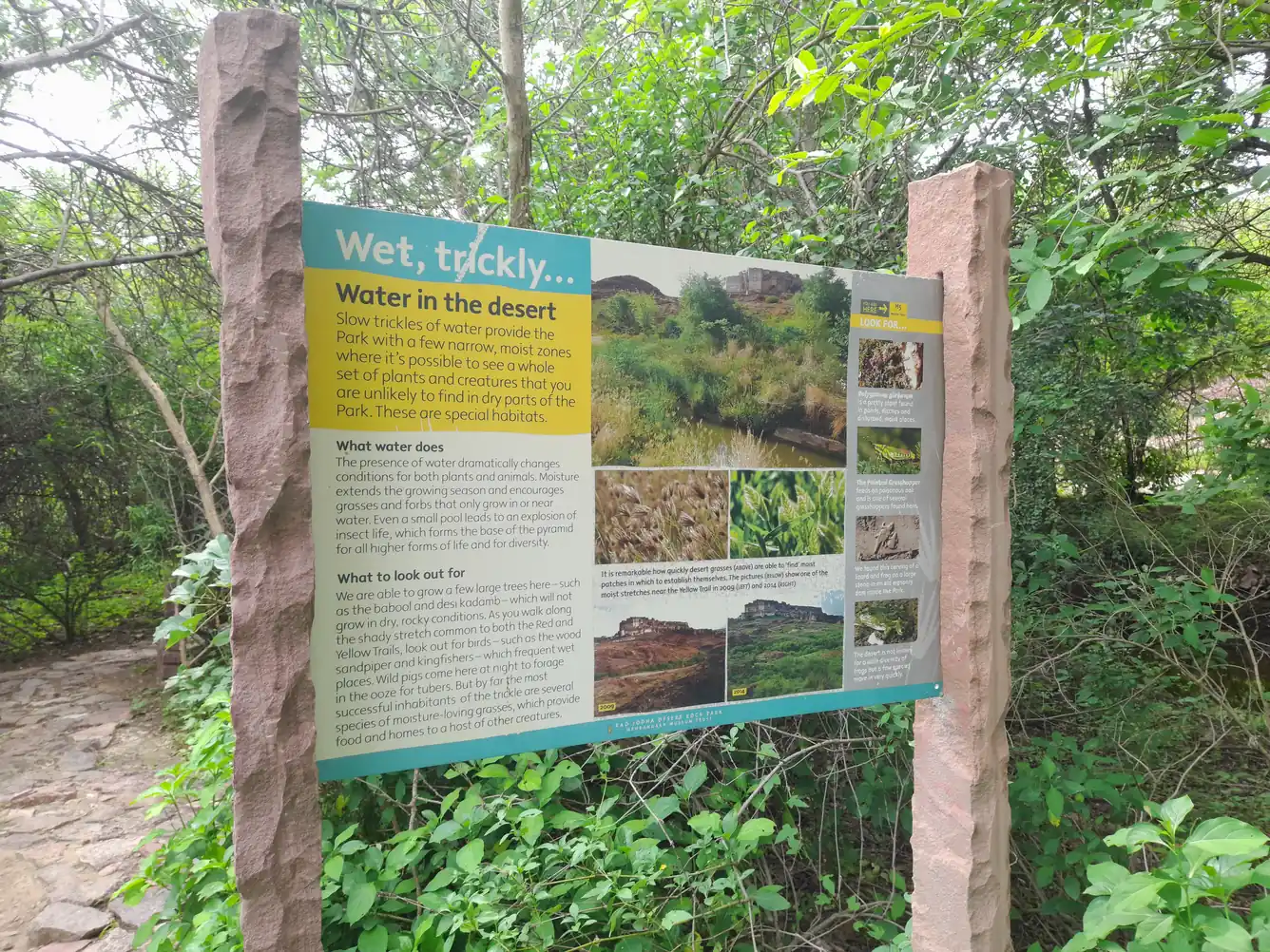
This restored native scrubland park adjacent to Mehrangarh Fort offers a more accessible, in-city introduction to the region’s desert ecology, with walking trails through reclaimed rocky terrain showcasing native plant species and, occasionally, smaller wildlife adapted to this arid environment — a useful option for travellers who want a taste of Jodhpur’s desert habitat without arranging a full village safari.
Machia Biological Park
Machia Biological Park, sometimes referred to locally as Machia Safari Park, is actually a fenced zoological garden rather than an open-range safari, housing lions, tigers, leopards, chital, chinkara, blackbuck, crocodiles, hyenas, and wolves across roughly twenty enclosures. It offers a more conventional, structured way to see a wider range of species than the village-based excursions, useful for travellers who prefer reliable sightings over the patience-dependent, spot-it-yourself nature of a desert safari.
The Bishnoi Conservation Ethic
The Bishnoi community’s centuries-old commitment to wildlife and tree protection, rooted in Guru Jambheshwar’s twenty-nine principles, has created an unusual and enduring coexistence between human settlement and free-roaming antelope populations across the villages surrounding Jodhpur — a living conservation tradition rather than a purely government-managed protected area. This close, protective relationship has created what amounts to an informal, community-enforced conservation area extending across a substantial stretch of land around Jodhpur, resulting in wildlife populations that are noticeably healthier and more visible here than in many other rural desert areas of Rajasthan without a comparable cultural protection factor.
Best Way to Experience Jodhpur’s Wildlife
Jeep safaris organised through Jodhpur-based operators offer the most reliable way to experience wildlife around Jodhpur, typically combining stops at Bishnoi villages, Guda Bishnoi Lake, and sometimes Osian into a single half-day or full-day excursion covering wildlife, culture, and desert scenery. Operators based in Jodhpur specialise specifically in these safaris, and booking through an experienced local guide generally produces better wildlife sighting odds and more meaningful cultural context than attempting to explore independently.
Wildlife Safari Duration Options
Half-day safaris typically cover Bishnoi villages and basic wildlife viewing within three to four hours, while full-day options extend to include Guda Bishnoi Lake, Osian’s temples, and more extensive village exploration, giving travellers flexibility to choose based on available time and depth of interest in the region’s wildlife and culture, and the jeep-based format keeps things comfortable and engaging for children on either length of trip.
What should I bring on a Jodhpur wildlife safari?
Carrying water, sun protection, and binoculars improves the experience considerably given the open, exposed terrain typical of most wildlife viewing spots around the city, and a hat or scarf is worth adding for the midday sun on longer excursions.
Best Time of Year for Wildlife Viewing
Winter months, November through February, offer the most comfortable conditions for wildlife excursions given the milder temperatures, while early morning and late afternoon consistently produce better animal activity and sighting odds than midday regardless of season, an optimal window for combining comfortable travel with the best wildlife viewing opportunities.
Responsible Wildlife Viewing Practices
Responsible viewing of wildlife around Jodhpur starts with maintaining a respectful distance, avoiding loud noises that could startle animals, and following guide instructions regarding vehicle movement near wildlife all help ensure both visitor safety and minimal disturbance to the animals being observed, particularly important given how habituated to human presence some blackbuck populations have become near Bishnoi villages.
Do I need a permit to go on a wildlife safari near Jodhpur?
Unlike formal national parks, the informal wildlife viewing around Bishnoi villages and Guda Bishnoi Lake generally doesn’t require special permits, though booking through an established local operator ensures proper access and guidance.
Is Jodhpur’s surrounding wildlife comparable to a formal safari experience like Ranthambore?
Not directly comparable, since Jodhpur’s wildlife viewing focuses on antelope, gazelle, and birdlife in an open, village-adjacent setting rather than the tiger-tracking, dense-forest safari format Ranthambore is known for — a distinctly different kind of wildlife experience rather than a lesser version of the same thing.
How much does a wildlife safari near Jodhpur typically cost?
Pricing falls into a moderate range for a half-day or full-day jeep safari, with group bookings often reducing the per-person cost, so checking directly with a few established local operators is worth doing before booking.
Combining Wildlife Viewing with Cultural Experiences
Given that much of Jodhpur’s best wildlife viewing takes place around Bishnoi villages, most safaris naturally combine animal sightings with cultural elements, including a stop at a village home for traditional hospitality and craft demonstrations, making these excursions distinctly multi-dimensional rather than purely wildlife-focused outings.
Photography Tips for Desert Wildlife
Given the open, exposed nature of the desert scrubland, early morning and late afternoon offer the best light for wildlife photography, avoiding the harsh, flat light of midday, and a zoom lens is useful for capturing detail on more skittish species while maintaining a respectful viewing distance.
Can I see wildlife near Jodhpur without booking an organised safari?
While independent exploration is technically possible, most travellers find an organised jeep safari considerably more practical and rewarding, given the local knowledge needed to locate wildlife effectively and navigate the informal network of village roads and tracks.
Is wildlife viewing near Jodhpur suitable for travellers with limited mobility?
Yes, since most wildlife viewing takes place from within a jeep with minimal walking required, this makes it a relatively accessible nature experience compared to activities requiring extended hiking or trekking.
This desert-edge wildlife around Jodhpur distinguishes the city from more purely architectural Rajasthan destinations, offering travellers a distinctly different, ecology-focused dimension to round out a broader city visit. Dedicating even a single half-day to this side of Jodhpur adds real variety to an itinerary that might otherwise stay entirely focused on forts, palaces, and bazaars.
FAQ
What wildlife is commonly seen around Jodhpur?
Blackbuck, chinkara antelope, and numerous bird species inhabit the surrounding countryside.
What’s the best way to see wildlife near Jodhpur?
A guided jeep safari through Bishnoi villages offers the most reliable wildlife spotting.
Is wildlife spotting guaranteed on a safari?
Sightings are common but not guaranteed, as with any wildlife excursion in the wild.
What time of day is best for wildlife spotting?
Early morning and late afternoon offer the best chances, when animals are most active.
Are wildlife excursions suitable for children?
Yes, jeep-based safaris are generally comfortable and engaging for children.