Bishnoi Village Safari Near Jodhpur: Complete Guide
A Bishnoi village safari ranks among the most distinctive and culturally rich half-day experiences available from Jodhpur, combining close-up wildlife viewing with genuine cultural immersion into the practices of a community whose religious principles have shaped one of Rajasthan’s most successful grassroots conservation stories. For travellers wanting to move beyond standard fort and palace sightseeing, this safari offers a meaningful, multi-dimensional alternative that many rank among the highlights of their entire Jodhpur visit.
What a Bishnoi Village Safari Involves
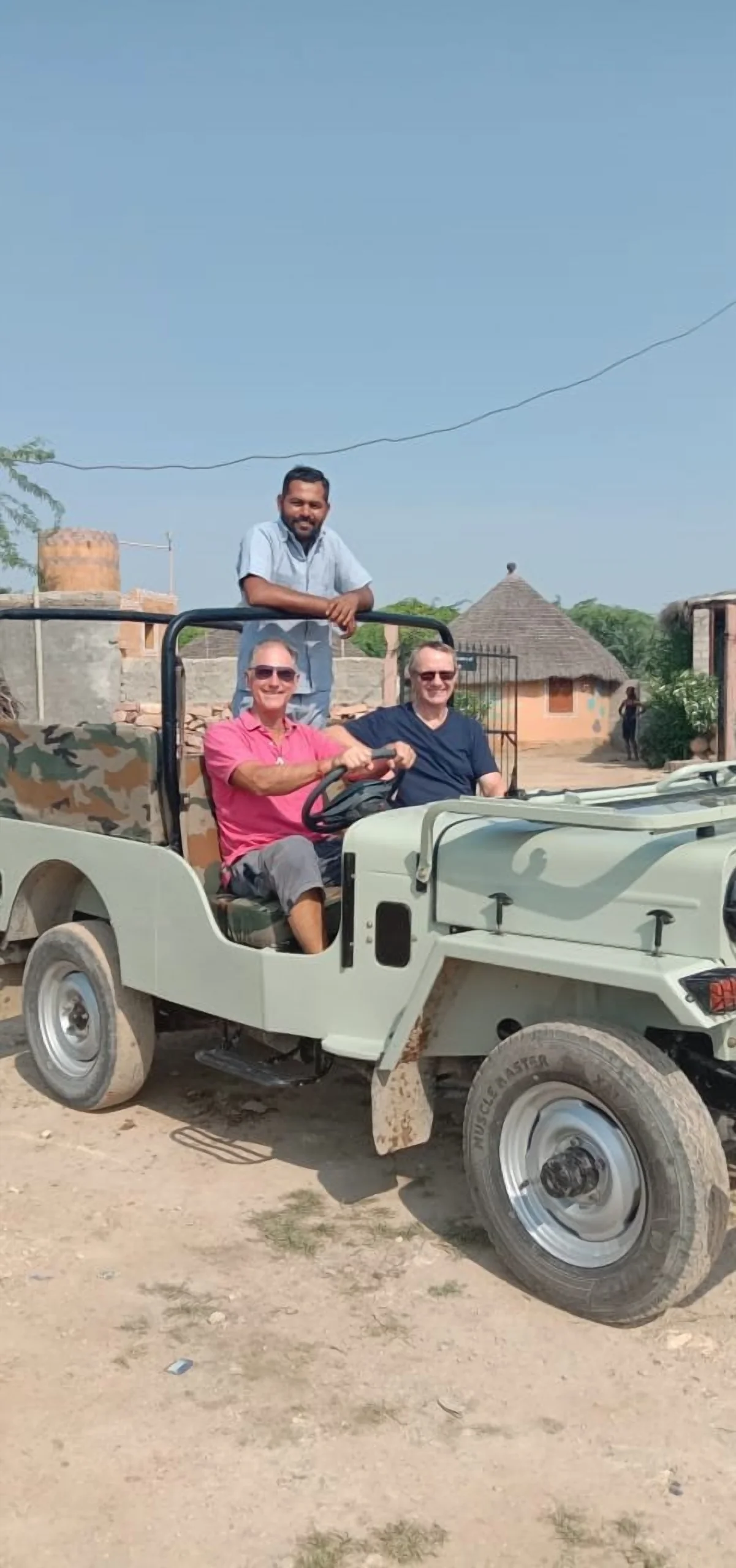
A Bishnoi village safari combines jeep transport through rural desert terrain, stops at one or more traditional Bishnoi homes, and wildlife spotting for blackbuck and chinkara antelope along the way, usually running as a half-day excursion from Jodhpur with a knowledgeable local guide. Most safaris also include a stop for local craft demonstrations, giving the excursion a genuine blend of wildlife and cultural content rather than a purely wildlife-focused outing.
Wildlife You’re Likely to See
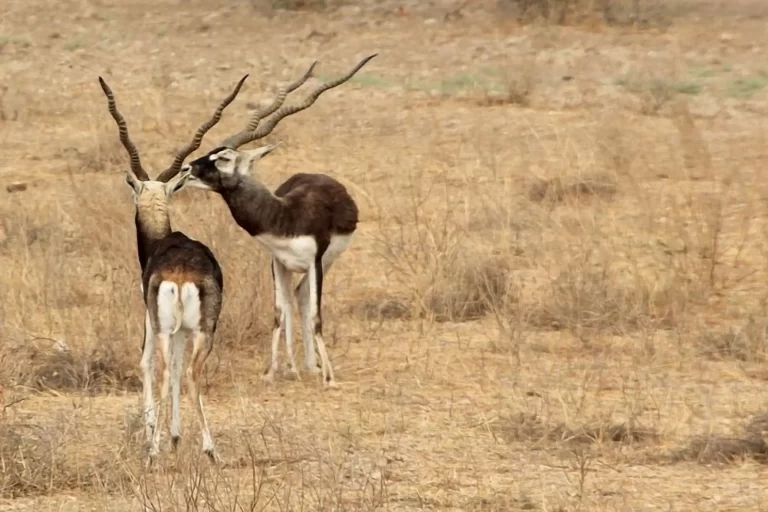
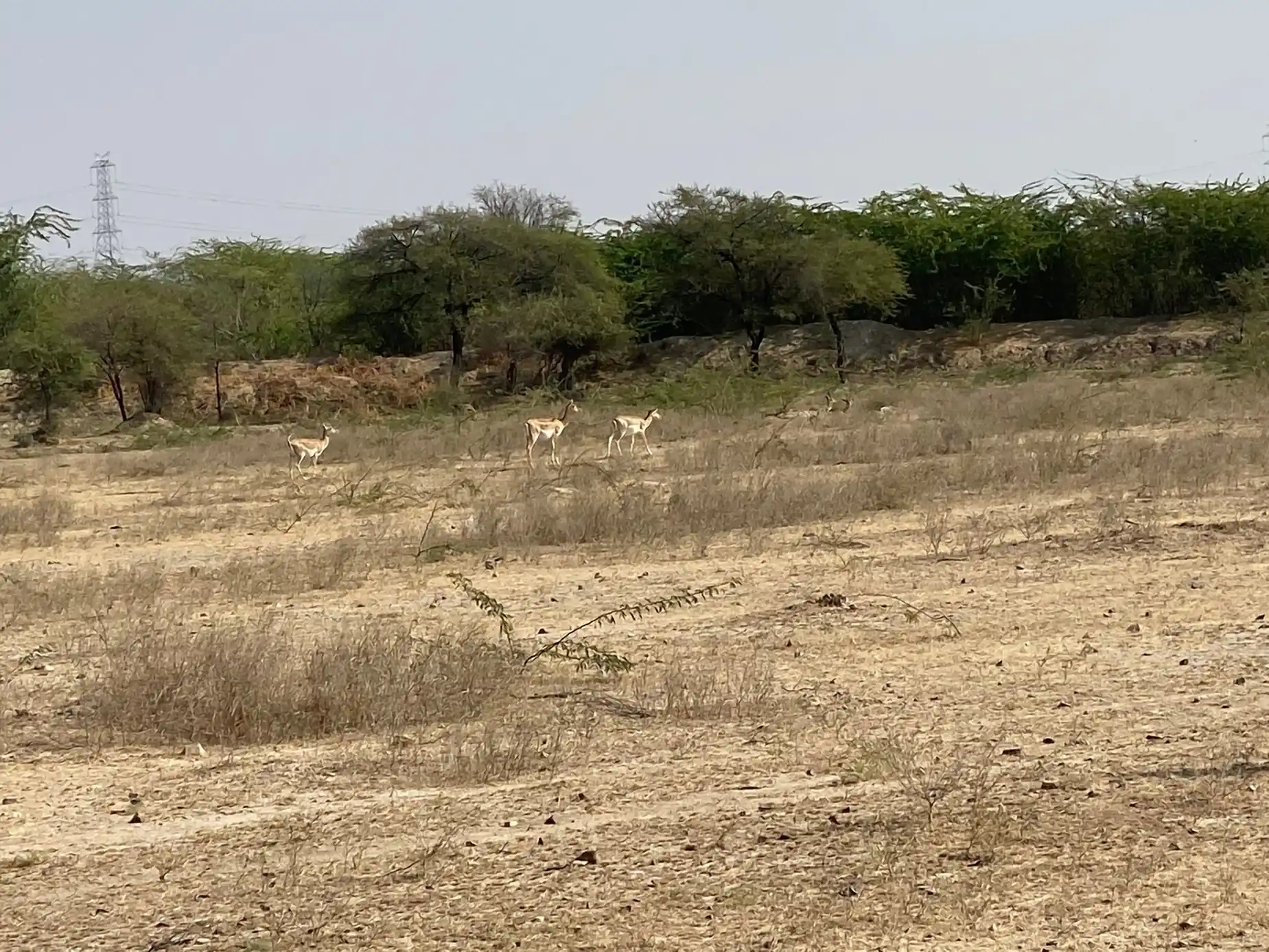
Blackbuck antelope and chinkara gazelle are the most reliable sightings on a well-run safari, roaming freely and largely unafraid of vehicles across Bishnoi-protected land, a direct result of the community’s longstanding conservation ethic that makes sightings considerably more reliable here than in many formally protected wildlife areas elsewhere.
Visiting a Traditional Bishnoi Home and the Opium Ceremony
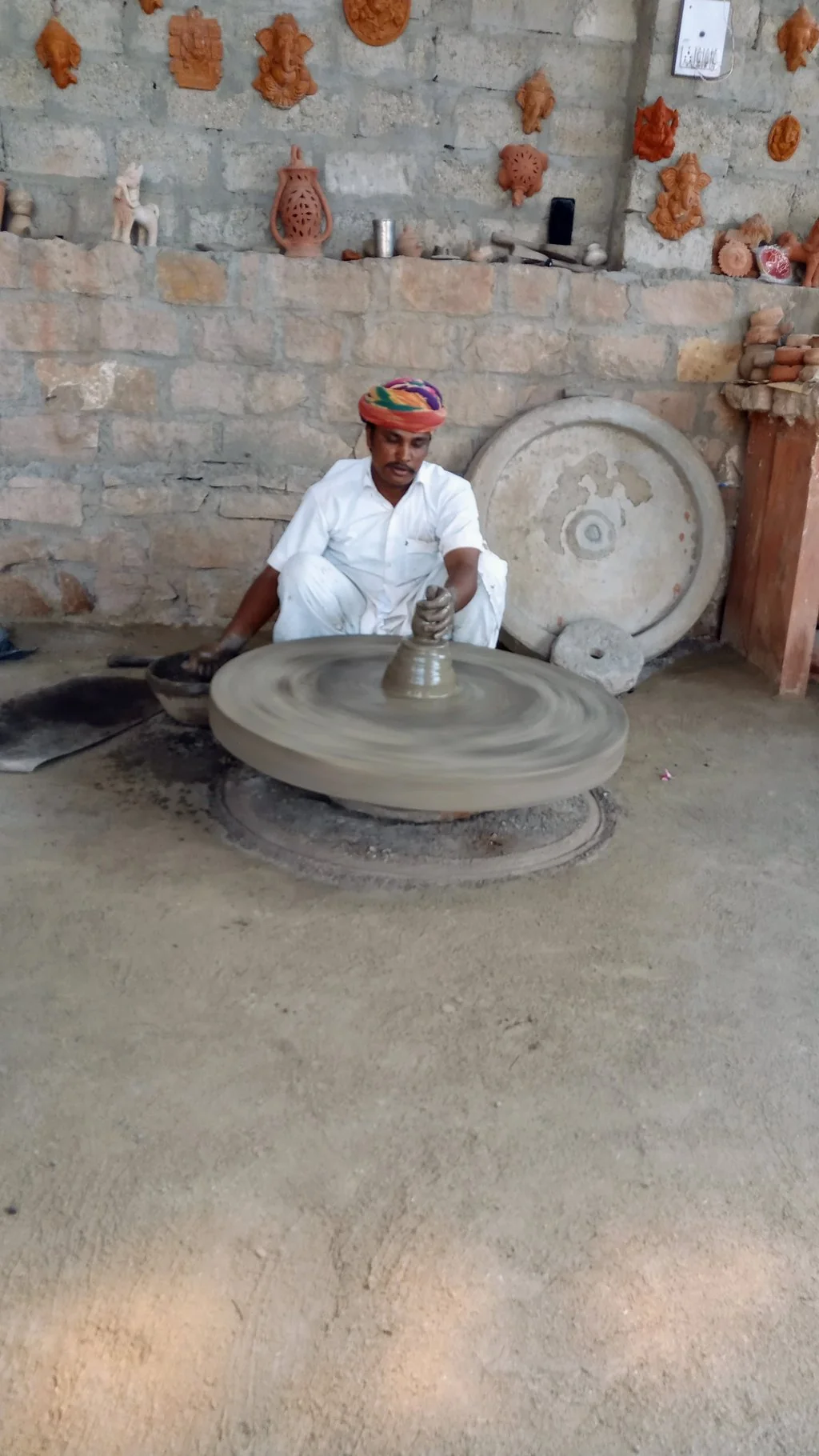
Village visits typically include an opportunity to see traditional mud-and-thatch home construction and everyday domestic life, often alongside a customary opium ceremony offered as a gesture of hospitality and community bonding. This ritualised preparation and sharing process, rooted in longstanding local custom across rural Marwar, gives visitors direct insight into a distinctive Bishnoi social tradition — visitors uncomfortable with the practice can typically observe without personally partaking, still gaining a clear sense of its significance.
Craft Demonstrations During the Safari
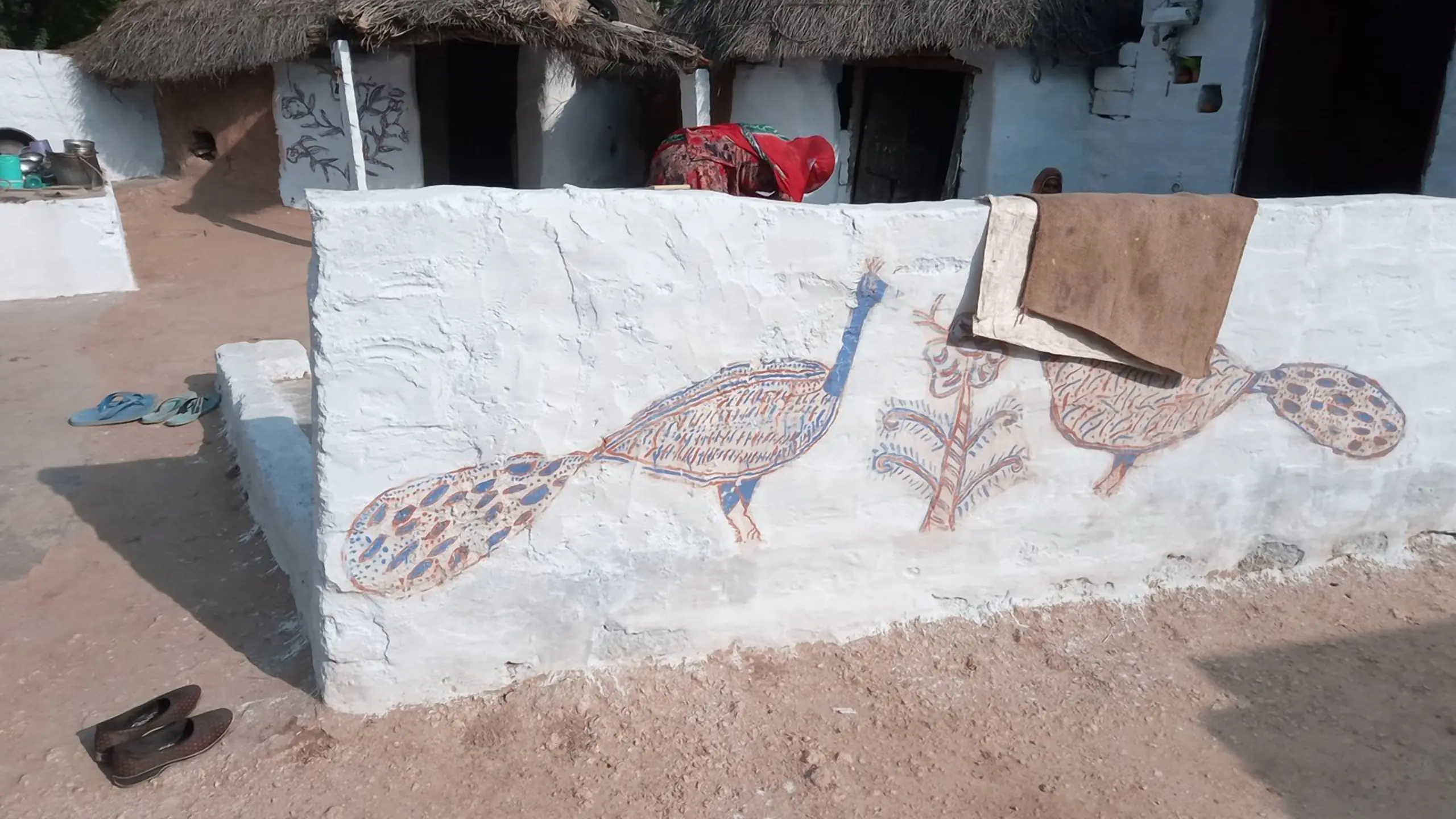
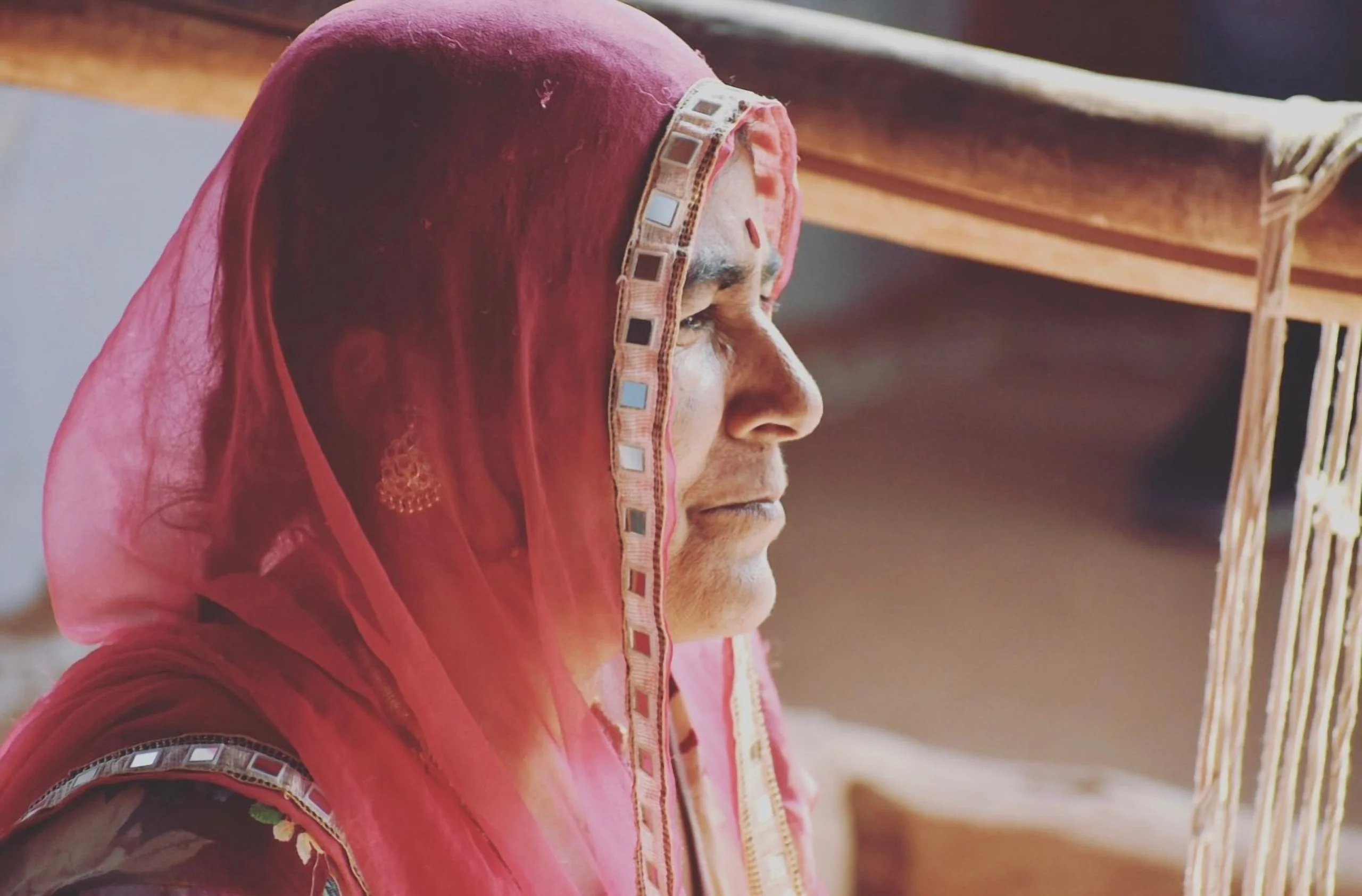
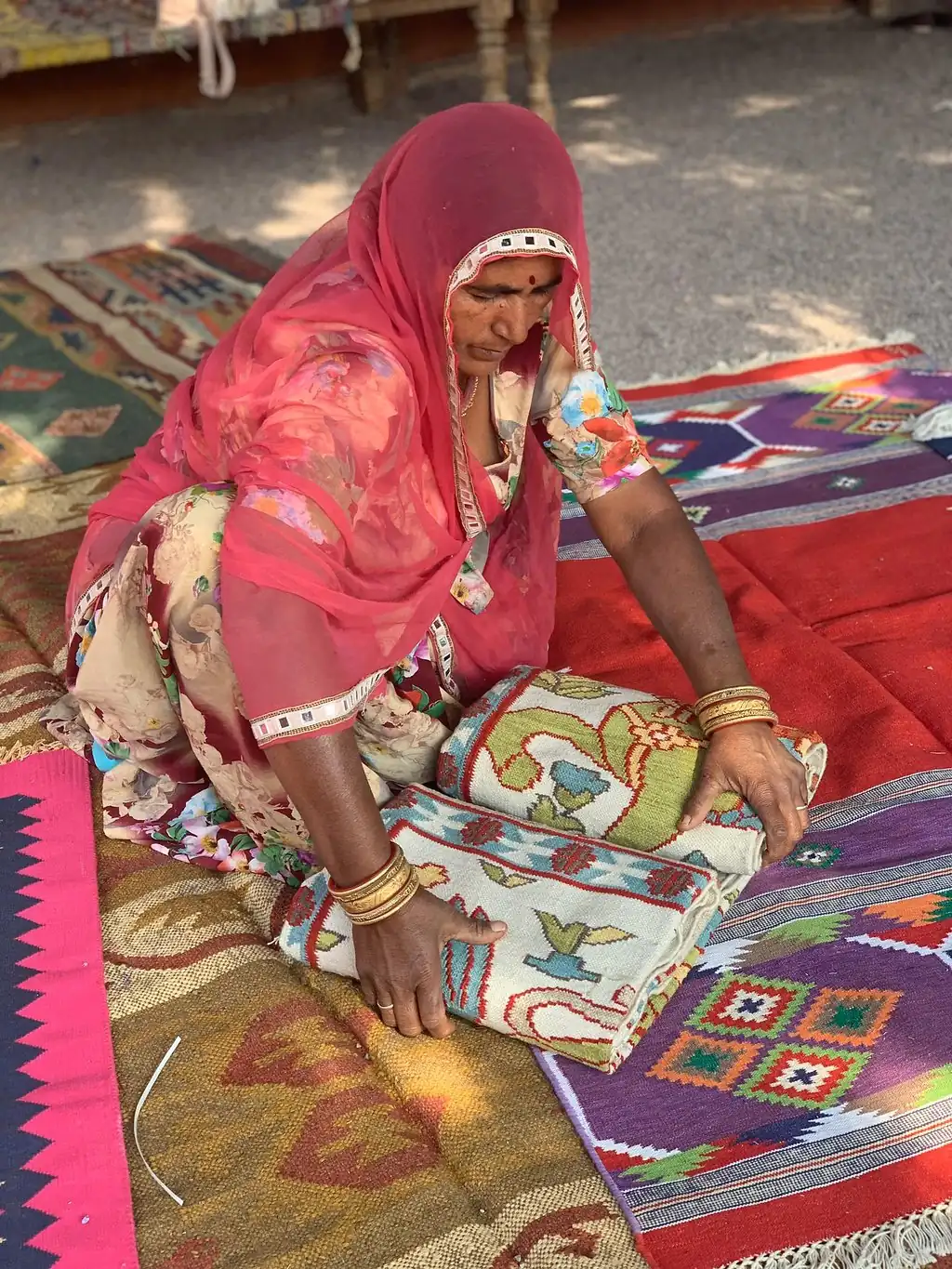
Several Bishnoi villages have families who continue traditional weaving and textile production, and safaris often include a stop where visitors can watch this process directly and, in many cases, purchase textiles produced by the same family demonstrating the technique. Other village stops include demonstrations of pottery or other local crafts, offering visitors a hands-on cultural touchpoint alongside the wildlife viewing.
Potter Villages Nearby
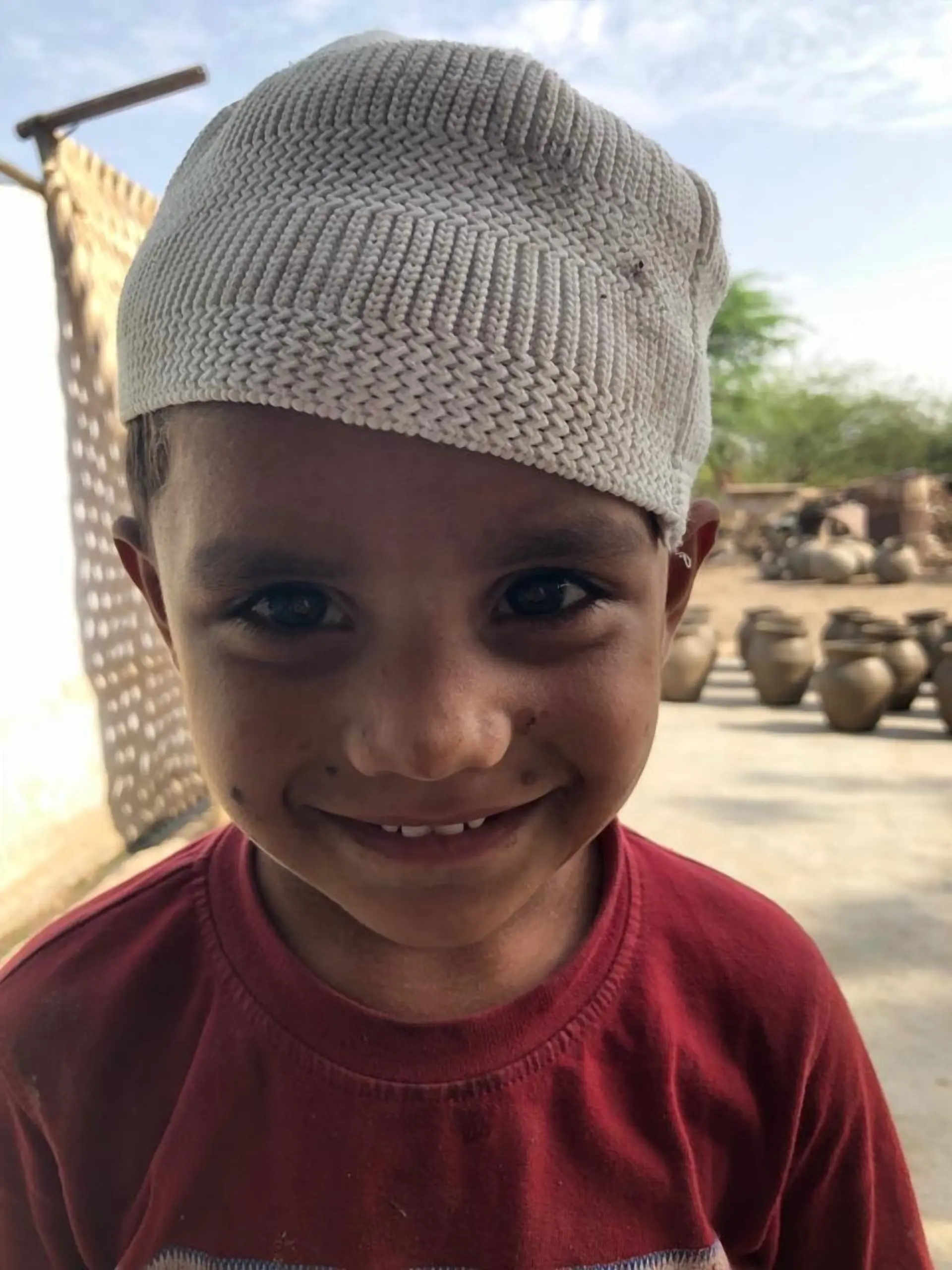
Some village safari routes also include a stop at a traditional pottery-making village, where families continue hand-thrown terracotta production using techniques passed down through generations, adding a further craft dimension to the broader village safari experience.
Choosing a Reputable Safari Operator
Given the cultural sensitivity involved in visiting genuine, functioning village communities, choosing an established, reputable operator with existing positive relationships with the villages visited — rather than a purely transactional tour format — helps ensure a respectful, well-organised experience that benefits rather than disrupts the communities involved. Several Jodhpur-based operators specialise in these safaris, so it’s worth confirming this track record when booking — a few days’ notice is generally sufficient outside peak season, though booking further ahead during the busiest October-to-March months helps secure a well-reviewed operator and a comfortable time slot.
Best Time of Day and Year for the Safari
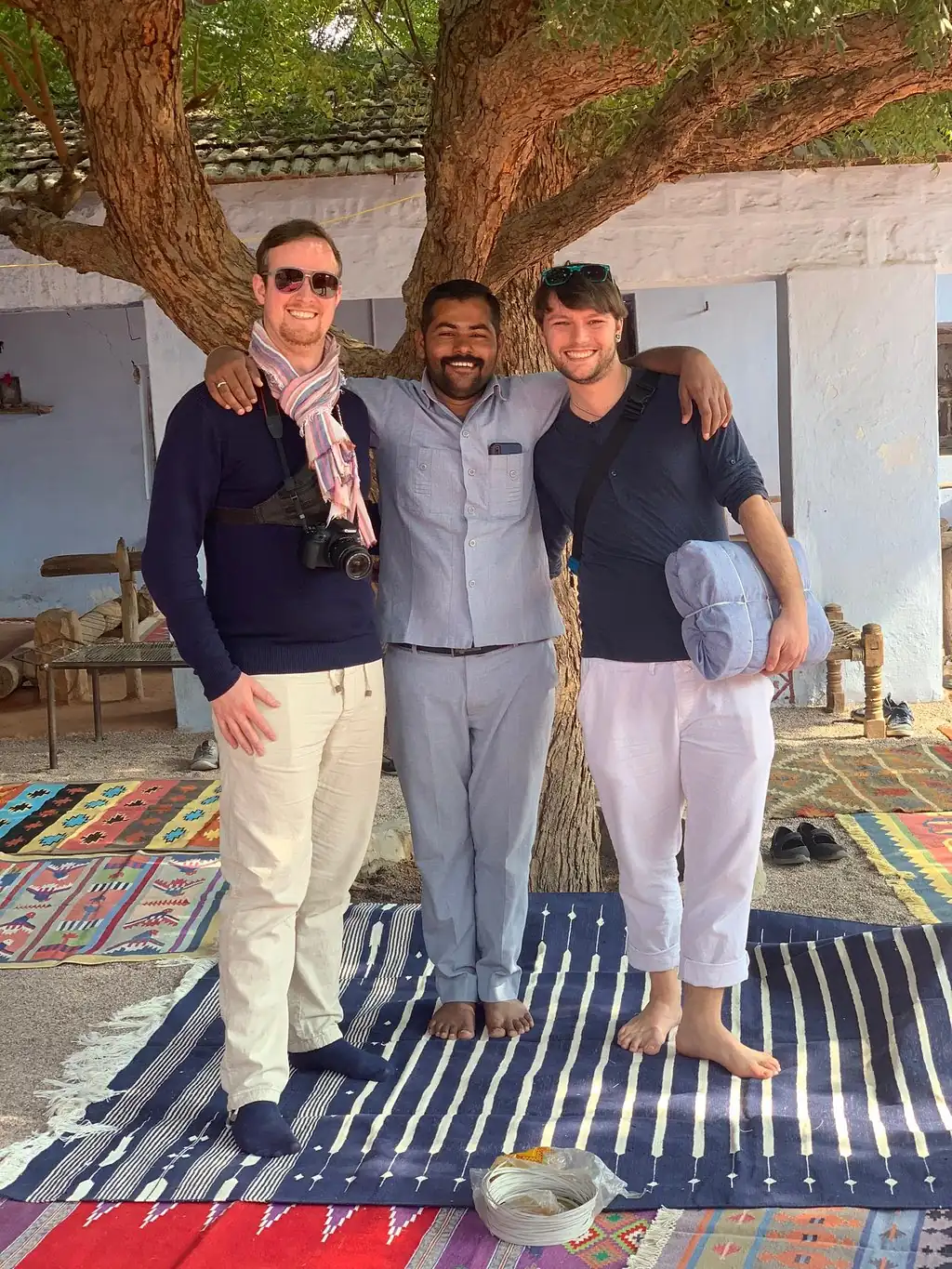
Early morning or late afternoon safaris offer the most comfortable temperatures and the best wildlife activity levels, with the cooler winter months from October through March generally providing the most pleasant overall conditions for this predominantly outdoor jeep-based experience.
How much does a Bishnoi village safari typically cost?
Pricing varies by operator, safari duration, and group size, generally falling into a moderate range for a half-day excursion, with costs often decreasing on a per-person basis for larger group bookings.
Is it appropriate to bring gifts for the villages visited during the safari?
While not required, some visitors choose to bring small, practical gifts, and reputable operators can advise on culturally appropriate options if this is something a traveller wants to consider, though a fair payment for any purchased crafts or the safari itself is generally considered sufficient.
Can I combine a Bishnoi village safari with Osian’s temples on the same day?
Yes, many full-day safari itineraries combine Bishnoi village visits with a stop at Osian’s ancient temples, offering an efficient way to cover wildlife, culture, and archaeology in a single well-organised day trip from Jodhpur — our dedicated Bishnoi Village Day Trip guide covers the logistics of planning this combination in more detail.
What to Wear and Bring on a Bishnoi Village Safari
Comfortable, modest clothing suitable for both open jeep travel and village visits is recommended, along with sun protection, water, and a camera with reasonable zoom capability for wildlife photography, given the significant time spent outdoors in exposed desert terrain throughout a typical safari. A hat and sunglasses are particularly worth bringing given the intensity of desert sun exposure during daytime safaris, and layered clothing helps accommodate the temperature difference between cooler early mornings and warmer midday conditions common during the winter safari season.
The Cultural Significance of Visiting a Genuine Community
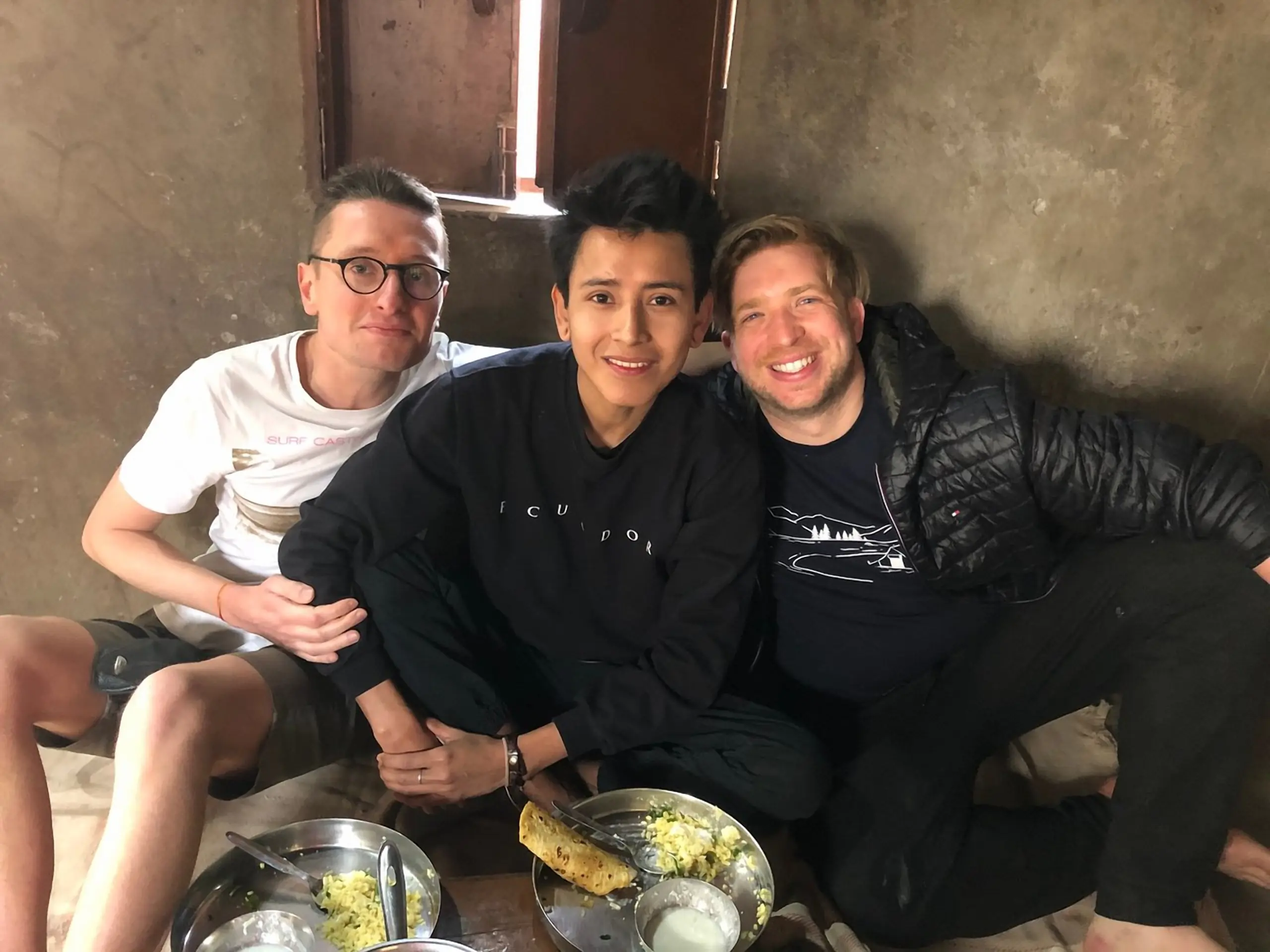
Unlike some staged cultural tourism experiences, Bishnoi village visits offer access to actual, functioning communities going about their daily lives, meaning visitors should approach the experience with particular respect and awareness that they are guests within real homes and villages rather than a purely performed tourist attraction. Approaching village visits with real respect, and following a guide’s lead on appropriate behaviour and photography, matters more here than at any formal monument, and helps ensure a welcoming, mutually respectful interaction on both sides.
Are Bishnoi village safaris available year-round, or only during specific seasons?
Safaris run year-round, though the cooler winter months from October through March offer more comfortable conditions for the outdoor jeep travel and walking involved, making this the more popular season for booking this particular excursion.
Do safari operators provide English-speaking guides for international travellers?
Most established operators catering to international tourism provide English-speaking guides, though confirming this specifically when booking is worthwhile, particularly for smaller or more budget-oriented operators.
What Makes This Safari Different from a Standard Wildlife Tour
Unlike wildlife tours focused purely on animal sightings, the Bishnoi village safari’s integration of genuine cultural exchange, craft demonstration, and traditional hospitality gives it a distinctly layered character, making it as much an anthropological and cultural experience as a conventional wildlife excursion — a combination many travellers cite as particularly memorable compared to more standard safari formats elsewhere.
Is tipping expected for the guide or village hosts on a Bishnoi safari?
A modest tip for the guide is generally appreciated, though not strictly obligatory, and purchasing crafts directly from village artisans during the visit is often considered a more meaningful way to support the community than tipping alone.
This safari format combines cultural, ecological, and craft dimensions into a single half-day excursion, making it one of the more efficient ways to experience rural Marwar life without needing a multi-day dedicated trip. For many travellers, this half-day excursion ends up being the most personally memorable part of their entire Jodhpur visit, offering direct human connection that monument sightseeing alone rarely provides. Setting aside a full half-day, rather than rushing through it as a quick add-on, allows enough time for the unhurried village interactions that make this experience worthwhile.
FAQ
What happens on a Bishnoi village safari?
Visitors explore rural Bishnoi communities by jeep, combining wildlife spotting with cultural interaction.
How long does a Bishnoi village safari take?
Most safaris run three to four hours, covering multiple villages and viewpoints.
Is the safari suitable for all ages?
Yes, the jeep-based format makes it accessible and comfortable for most age groups.
What wildlife might I see on the safari?
Blackbuck, chinkara, and various bird species are commonly spotted during the drive.
Should I book a Bishnoi safari in advance?
Advance booking through your hotel or a local operator ensures availability, especially in peak season.