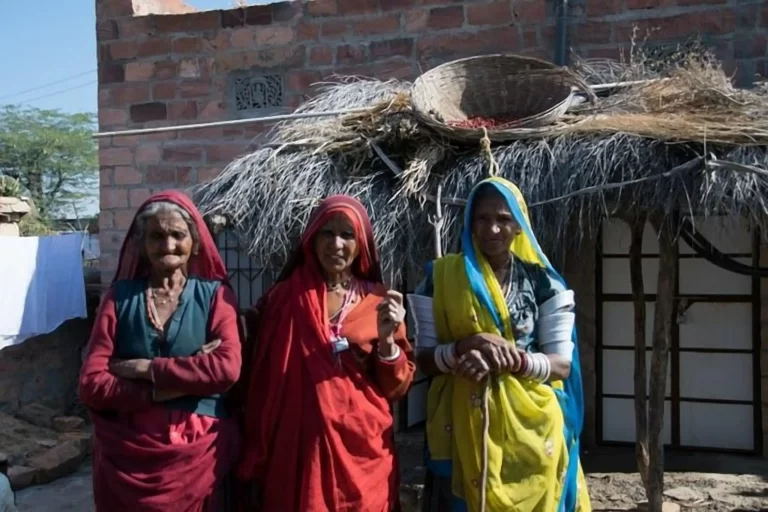
Bishnoi Culture Near Jodhpur: Community, Conservation & Traditions
The Bishnoi community, whose villages surround Jodhpur on several sides, follow a distinct religious tradition founded in the fifteenth century by Guru Jambheshwar, built around twenty-nine core principles emphasizing environmental conservation, compassion toward animals, and sustainable living practices centuries ahead of modern environmentalism. For travelers, visiting Bishnoi villages near Jodhpur offers one of the more distinctive cultural experiences available in the region, combining wildlife viewing, traditional craft demonstrations, and direct interaction with a community whose conservation ethic has shaped the surrounding desert ecosystem in visible, measurable ways.
Guru Jambheshwar and the Twenty-Nine Principles
Guru Jambheshwar founded the Bishnoi tradition in the fifteenth century in response to a severe famine, establishing twenty-nine principles covering everything from environmental protection and animal welfare to personal hygiene and social conduct, blending practical survival wisdom for a harsh desert environment with deep spiritual conviction. The faith takes its name from the Marwari word for twenty-nine, referring directly to these core principles, making the Bishnoi among the earliest formally organized conservation-focused communities in recorded history.
The Khejarli Massacre and Amrita Devi’s Legacy
Perhaps the most famous episode in Bishnoi history occurred in 1730 at the village of Khejarli, where 363 Bishnoi villagers, led by a woman named Amrita Devi, sacrificed their lives while hugging khejri trees to prevent them being felled by the Maharaja’s soldiers for timber. The act of environmental sacrifice is still commemorated annually and is widely cited as an early precursor to the modern Chipko movement, predating it by well over two centuries. Amrita Devi’s sacrifice is commemorated today through the Amrita Devi Wildlife Protection Award, an Indian government honor recognizing individual contributions to wildlife conservation, and her story continues to be taught as a foundational example of grassroots environmental activism.
Wildlife Conservation in Bishnoi Villages
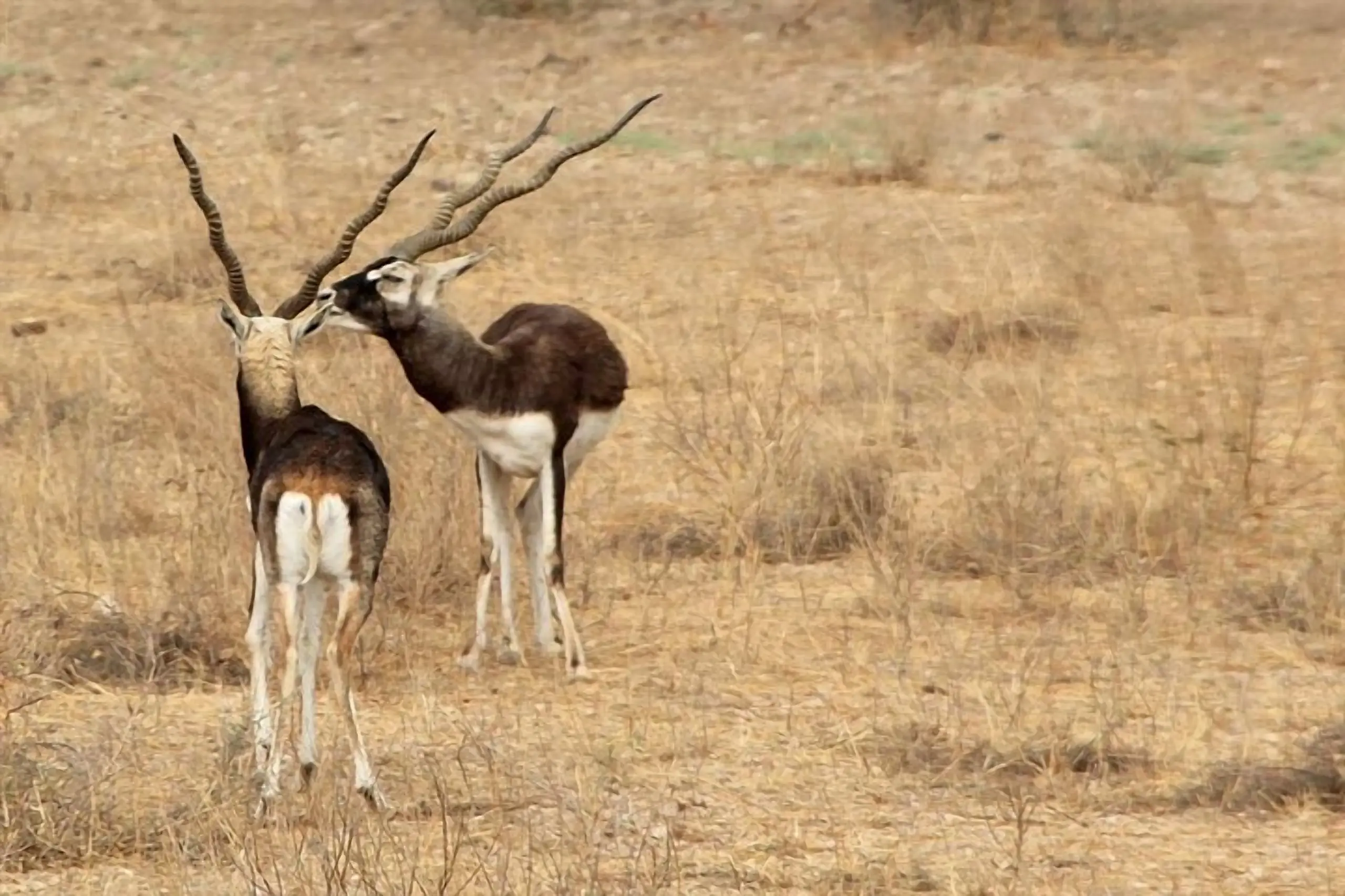
Bishnoi villages are known for an unusually close, protective relationship with local wildlife, particularly blackbuck antelope and chinkara gazelle, which roam freely and approach remarkably close to human settlements without fear, a direct result of the community’s longstanding taboo against hunting or harming animals. This creates what amounts to an informal, community-enforced wildlife sanctuary across the villages surrounding Jodhpur — a living conservation ethic visitors can observe directly during a guided village safari rather than reading about only in historical accounts.
Bishnoi Influence on Jodhpur’s Broader Ecosystem
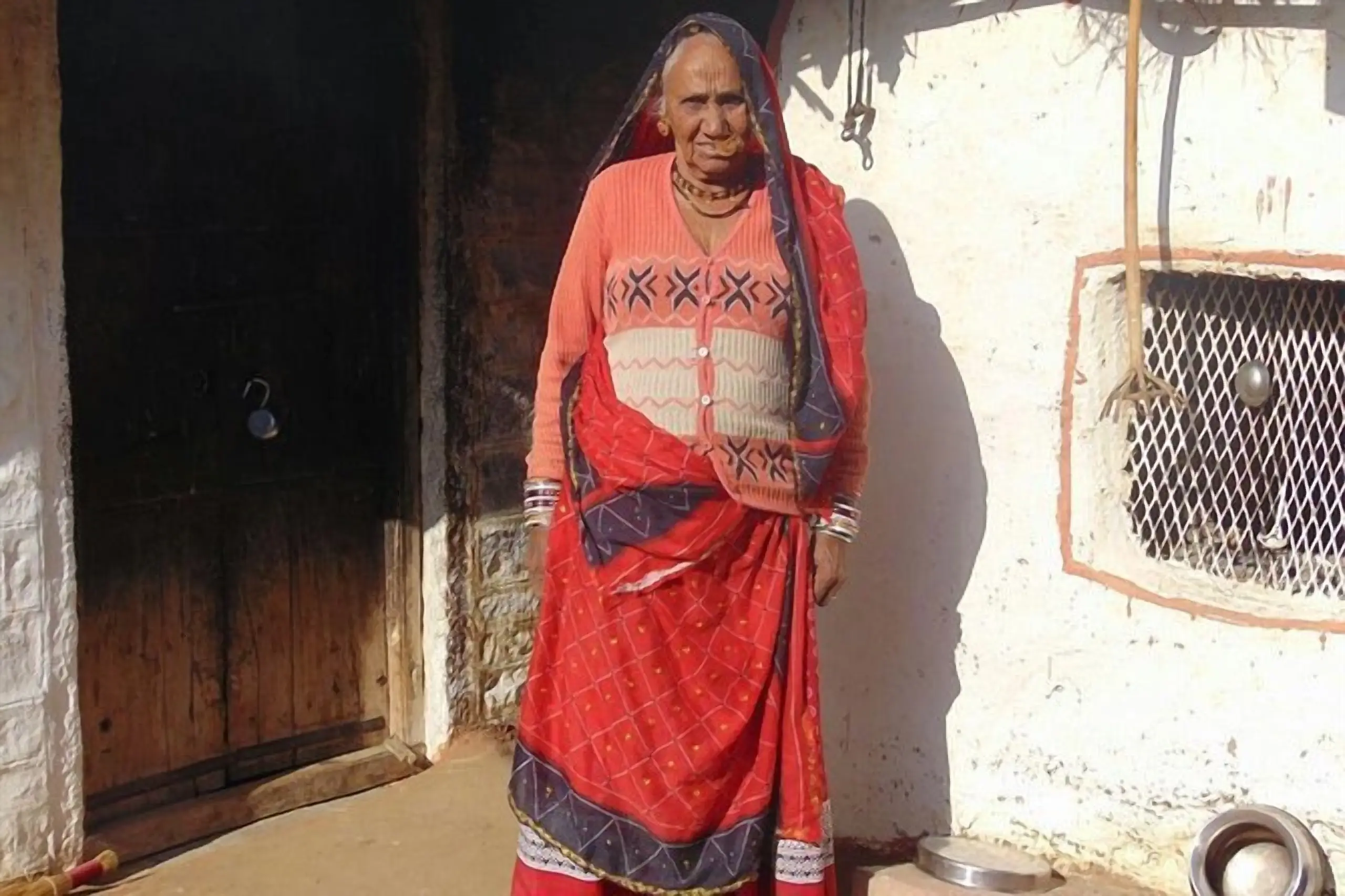
The Bishnoi community’s conservation practices have had a measurable ecological impact extending beyond their own village boundaries, contributing to the relatively healthy populations of blackbuck and other wildlife found throughout the broader Jodhpur region, compared to many other parts of Rajasthan where hunting pressure historically reduced wildlife populations considerably more severely.
Bishnoi Environmental Principles in Practice Today
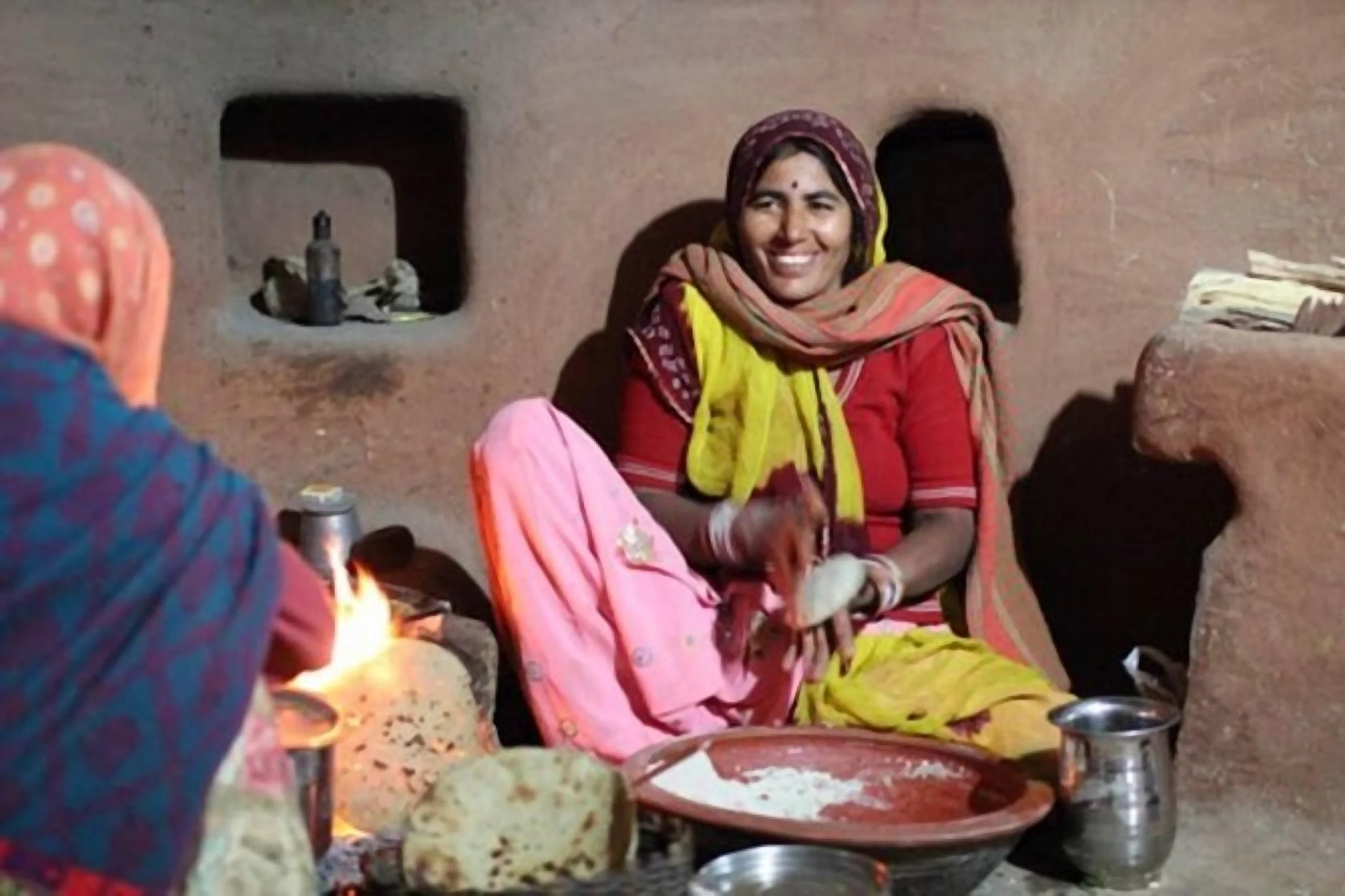
Many of the original twenty-nine Bishnoi principles remain actively practiced today, including strict vegetarianism, prohibitions on cutting green trees, and various water conservation practices suited to the desert environment, making the community’s environmentalism a lived daily practice rather than a purely historical legacy confined to the Khejarli story.
Handicrafts and Pottery in Bishnoi Villages
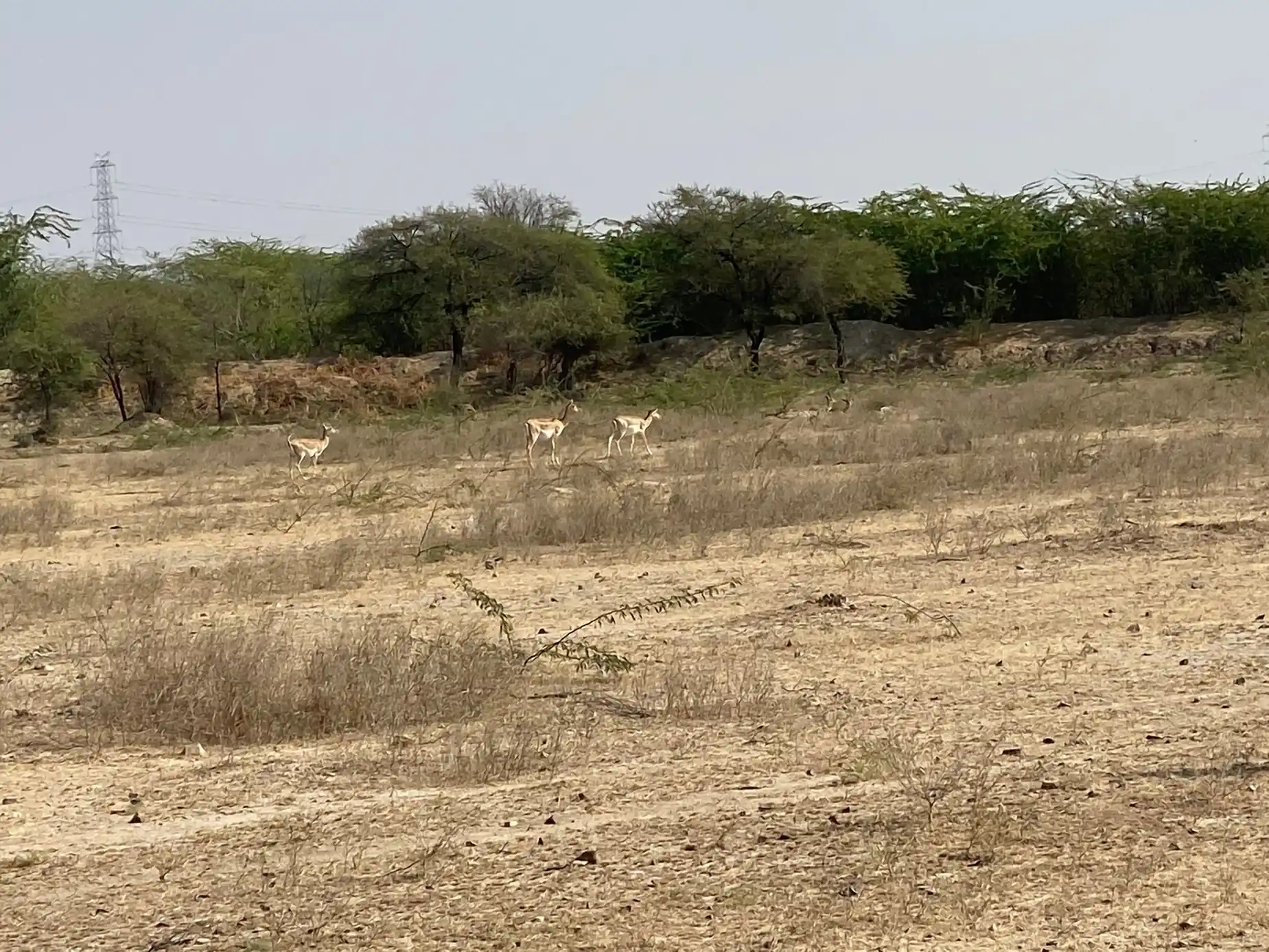
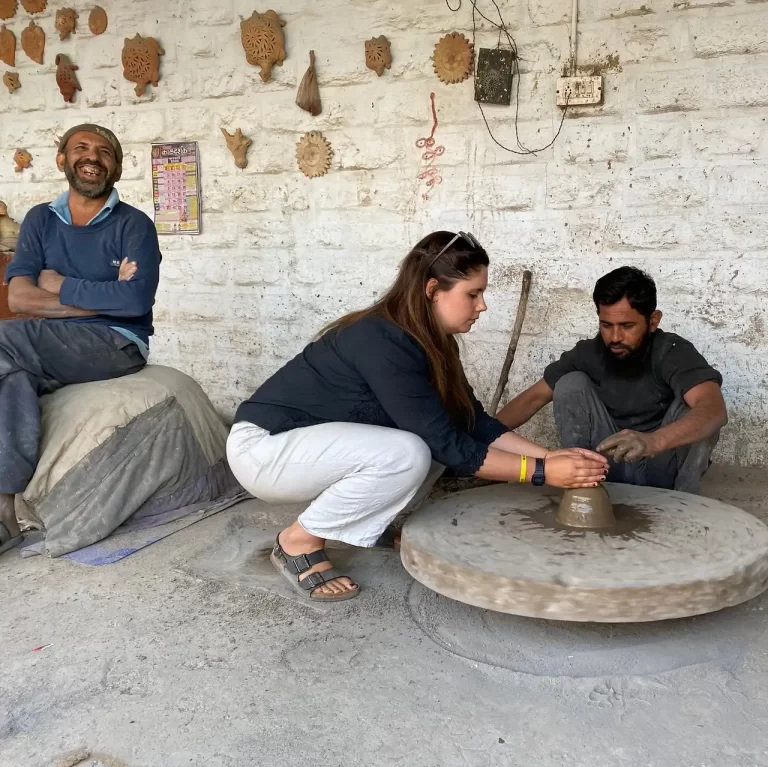
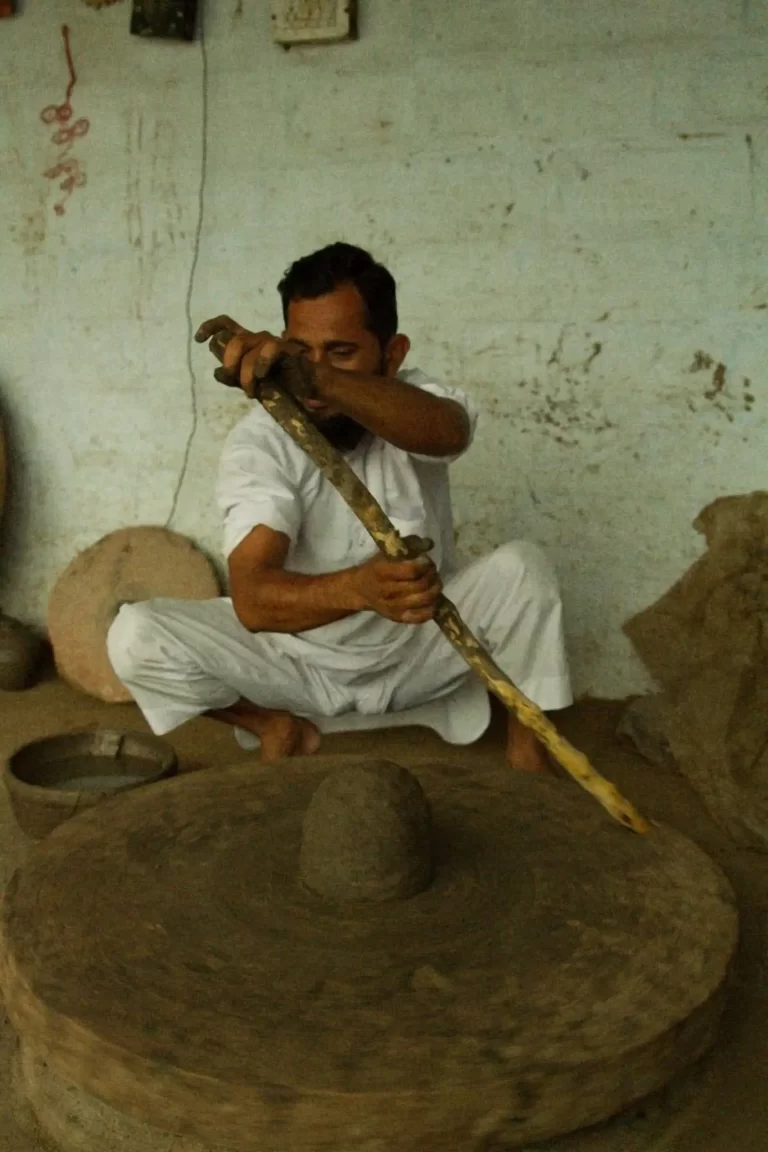
Several Bishnoi villages maintain traditional pottery and craft traditions, with visitors sometimes able to watch potters working on hand-operated wheels using techniques passed down through generations, offering a hands-on craft experience distinct from the more commercial shopping found in Jodhpur’s city markets.
The Opium Ceremony and Village Hospitality
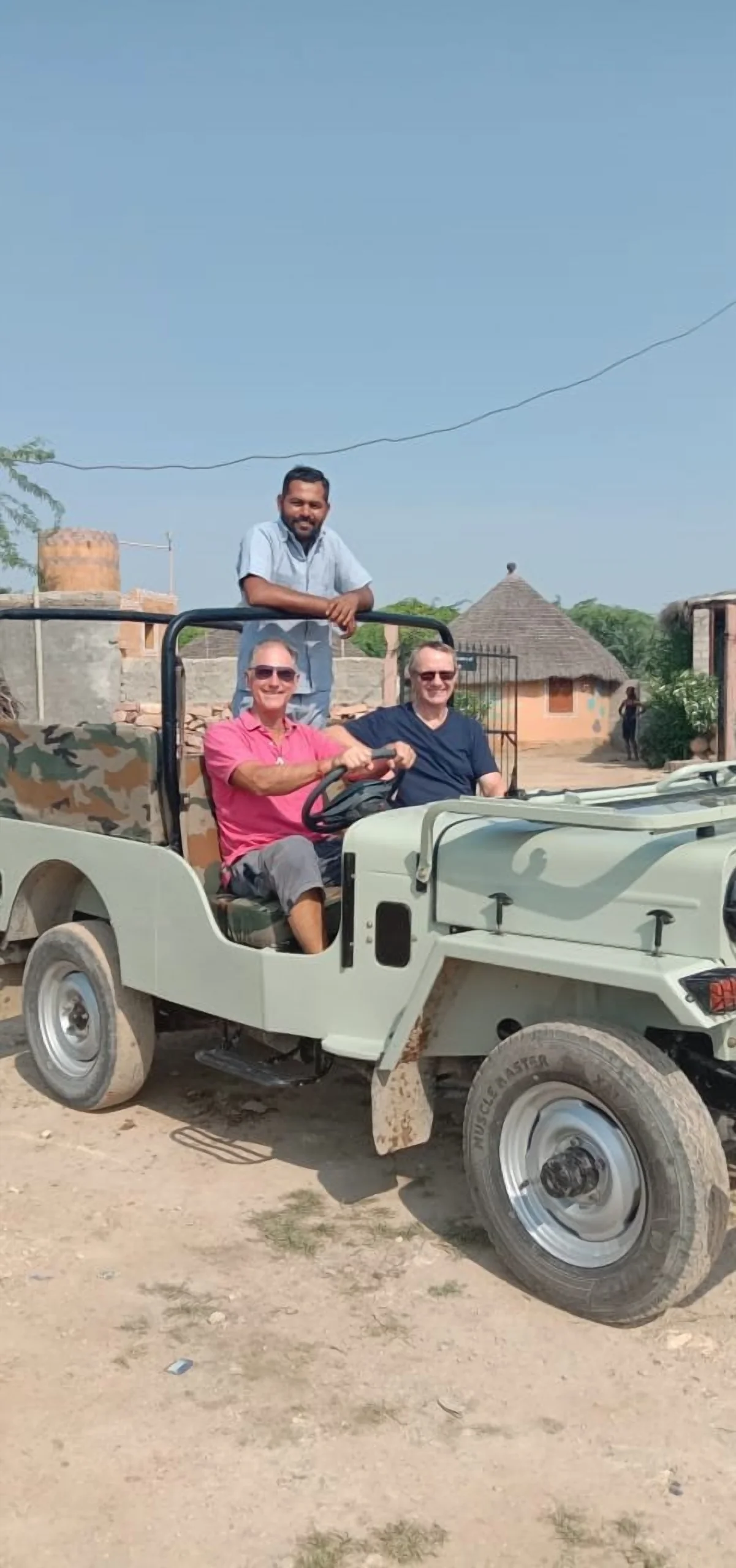
The traditional opium ceremony, performed as a gesture of hospitality and community bonding, involves a ritualized preparation and sharing process, presented mostly as a cultural demonstration rather than an invitation to participate. Visitors uncomfortable with the practice can typically decline while still observing the ceremony, which offers useful insight into Bishnoi social customs even without partaking directly.
Visiting a Bishnoi Village
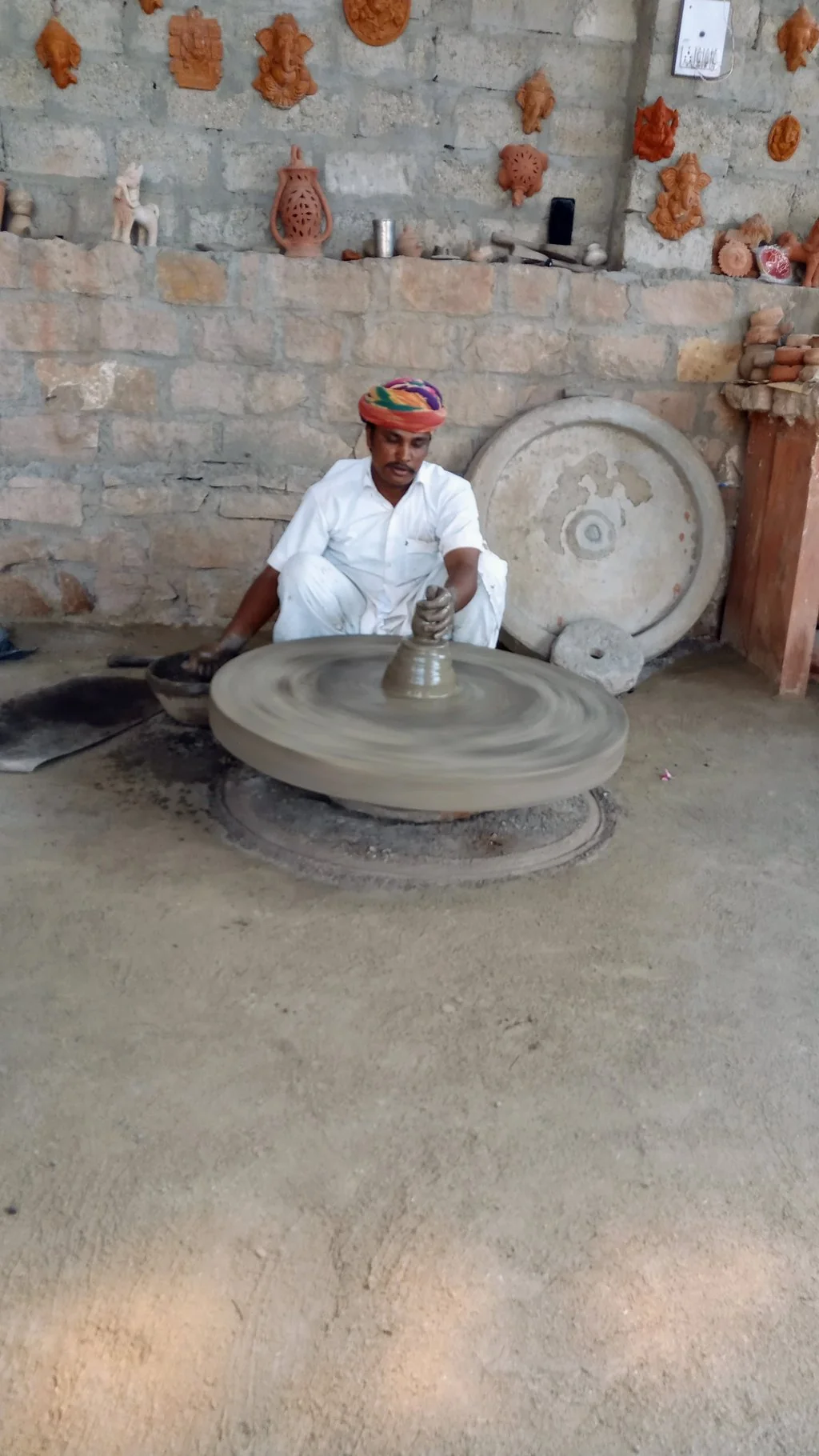
Most visits to Bishnoi villages are arranged through jeep safari operators based in Jodhpur, typically combining a wildlife-spotting drive through the surrounding scrubland with a stop at a village home for craft demonstrations and traditional hospitality. Our dedicated Bishnoi village day trip guide covers the full practical details — distance, timing, cost, what to wear, combining the visit with Guda Bishnoi Lake or Osian, and choosing an operator — in depth.
Photography in Bishnoi Villages
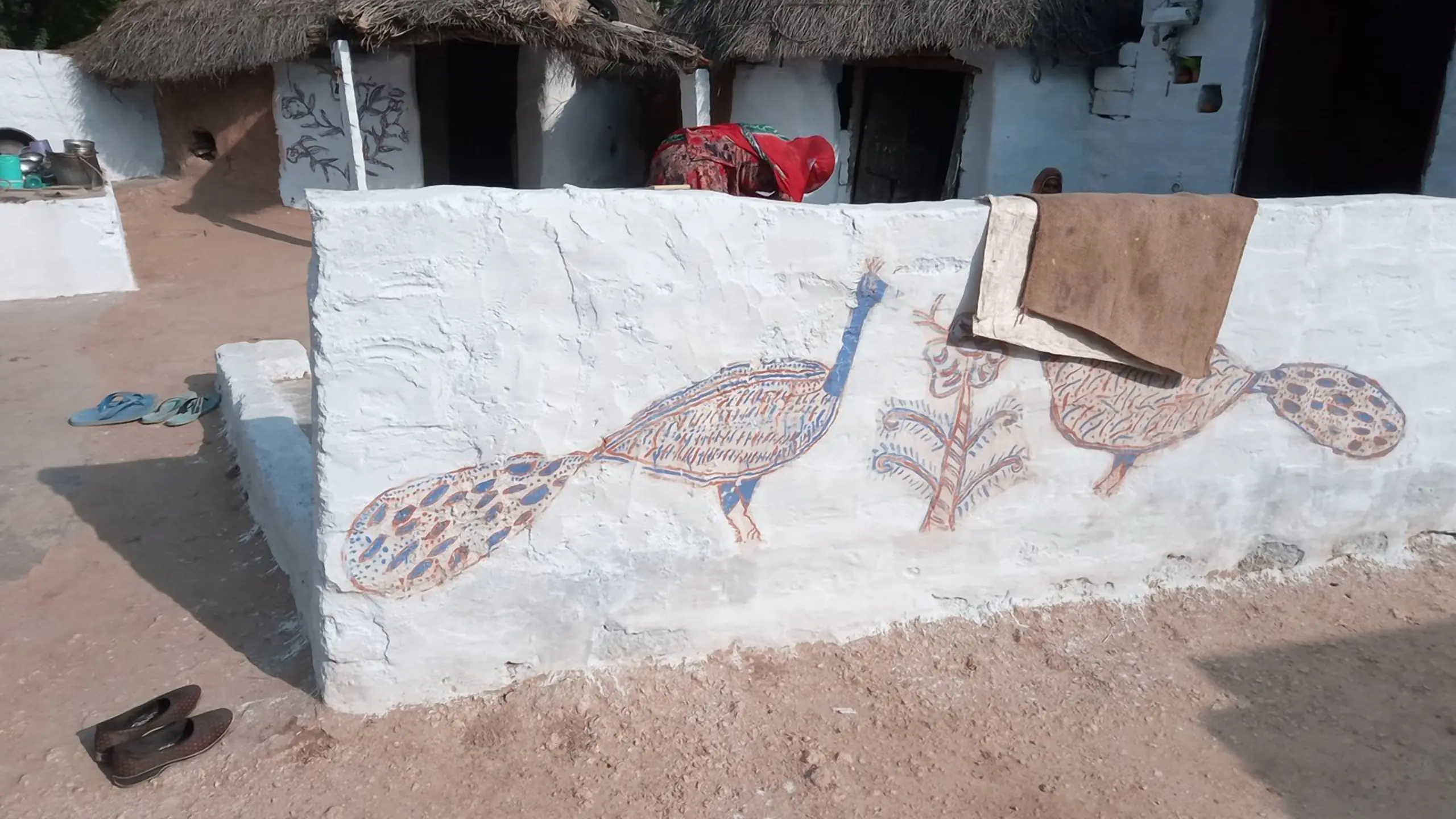
Photographing wildlife in Bishnoi villages is generally straightforward given how closely blackbuck and chinkara tolerate human presence compared to typical wildlife reserves, though photographing villagers or their homes directly should be done with permission, following the same respectful approach appropriate throughout rural India.
Responsible Visiting Practices
Given the lived nature of Bishnoi religious and cultural practices, visitors should approach village visits with respect, following the guidance of local guides regarding appropriate behavior, dress, and photography, since these are functioning communities rather than a performed cultural display staged purely for tourism.
FAQ
Who are the Bishnoi community near Jodhpur?
A community known for strict environmental conservation and deep respect for wildlife and trees.
Why are Bishnoi villages worth visiting?
They offer insight into a genuinely unique conservation-focused culture alongside wildlife spotting opportunities.
How far are Bishnoi villages from Jodhpur?
Most Bishnoi villages sit within a short drive, making them an easy half-day excursion.
What wildlife is associated with Bishnoi conservation?
Blackbuck and chinkara antelope are closely protected by Bishnoi communities in the region.
Can visitors interact with Bishnoi families?
Yes, guided village visits often include respectful interaction with local Bishnoi households.