Jodhpur Folk Music and Dance: Traditions of Marwar
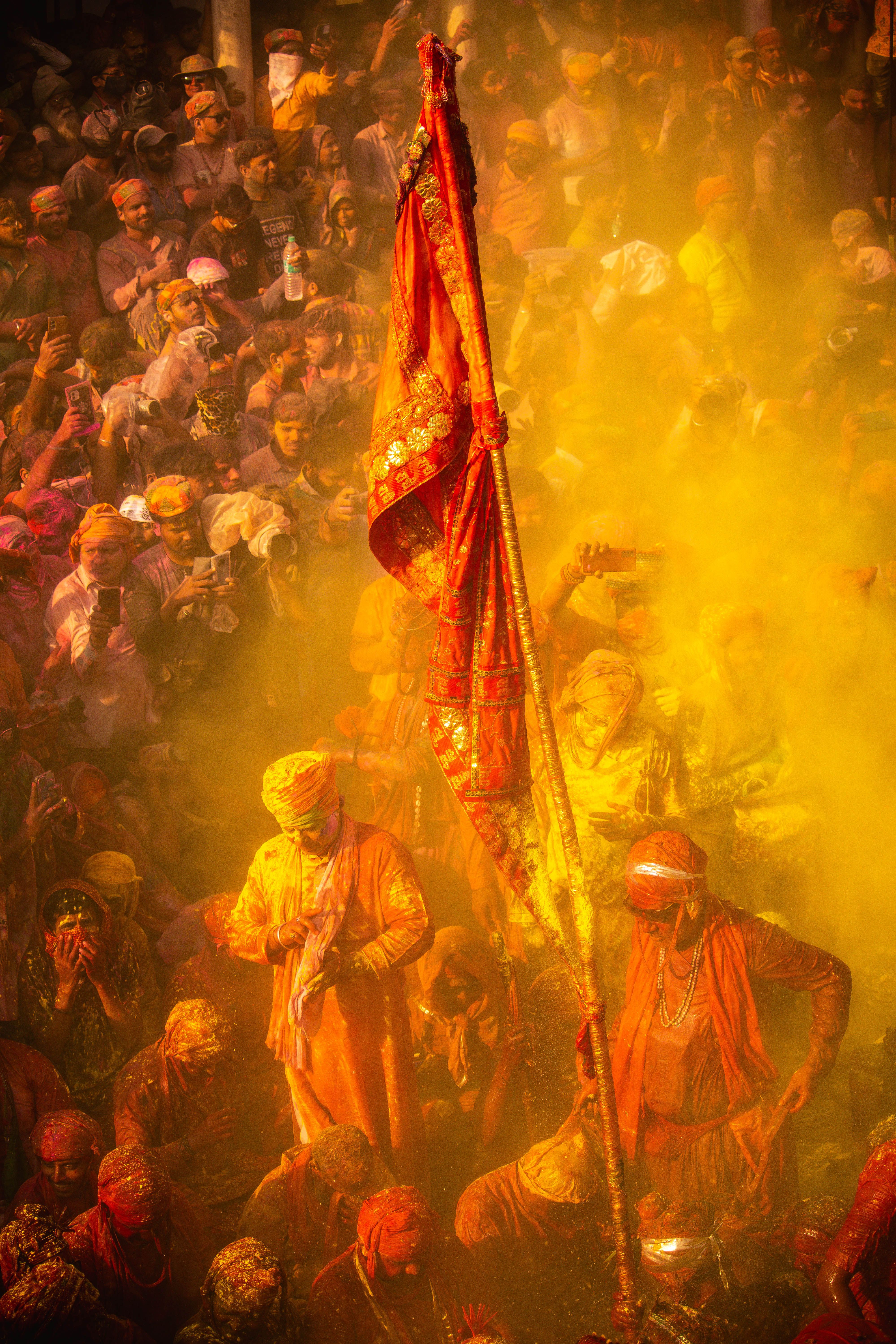
Folk music and dance form one of the most vivid, living expressions of Marwar’s culture, carried forward for generations by hereditary performer communities whose traditions predate the region’s forts and palaces and remain very much alive in Jodhpur today. For travelers, catching a folk performance, whether at a formal cultural evening, a festival, or an impromptu street performance, offers a direct, sensory connection to Marwar heritage that complements the more static experience of visiting monuments and museums.
The Manganiyar and Langa Communities
Much of Marwar’s folk music tradition is carried by the Manganiyar and Langa communities, hereditary musician castes who have performed for Rajput courts and rural patrons for centuries, passing down an extensive repertoire of songs, ragas, and instrumental techniques orally from one generation to the next. Performing on instruments like the kamaicha and sarangi in styles passed down through direct family lineage, these communities form the backbone of Marwar’s classical folk music tradition — a tradition now recognized internationally through performances at world music festivals alongside its continued local role.
Traditional Instruments of Marwar
Distinctive instruments including the kamaicha, a bowed string instrument unique to the region, the khartal, a set of wooden clappers played with striking rhythmic precision, and the dholak drum together create Marwar’s characteristic folk sound. Each requires years of dedicated practice to master and is often built by specialist craftsmen within the same hereditary musical communities.
Ghoomar and Other Folk Dance Forms
Ghoomar, a graceful swirling dance traditionally performed by women in flowing ghagra skirts, is perhaps Rajasthan’s most recognizable folk dance and remains commonly performed at Jodhpur weddings, festivals, and cultural evenings. It is performed across Rajasthan more broadly rather than being unique to Jodhpur specifically, though it remains a prominent part of Marwar’s own wedding and festival traditions alongside other regionally distinct dance forms.
Is Ghoomar Unique to Jodhpur, or Performed Elsewhere in Rajasthan Too?
Ghoomar is performed across Rajasthan more broadly, not just in Jodhpur, but it remains a prominent and frequently performed part of Marwar’s own wedding and festival culture, making it one of the most reliable folk dances visitors are likely to encounter during a Jodhpur trip.
Kalbelia Dance and Its Distinct Character
Kalbelia dance, performed traditionally by women of the Kalbelia community historically associated with snake charming, is characterized by fluid, serpentine movements and swirling black skirts, and has gained UNESCO recognition as an element of intangible cultural heritage. While more closely associated with the Jaipur and Pushkar areas historically, Kalbelia performances are also commonly featured at Jodhpur’s cultural evenings alongside Ghoomar and other regional dance forms, giving visitors exposure to Rajasthan’s broader folk dance traditions during a single evening’s programming.
The Marwar Festival
The annual Marwar Festival, held in the city and at nearby Osian, celebrates the region’s folk heritage directly through music, dance, and equestrian displays, drawing performers from across the Marwar region and offering one of the most concentrated opportunities to experience the area’s folk traditions in a single dedicated event.
The Rajasthan International Folk Festival
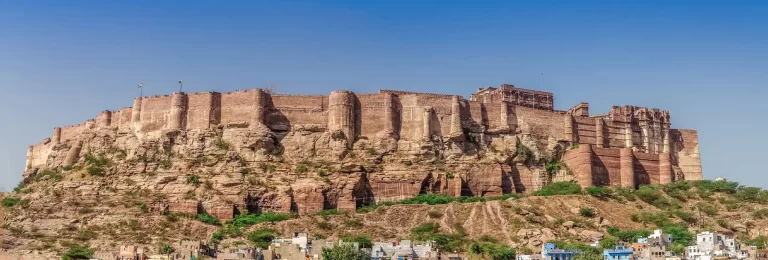
RIFF, held annually within Mehrangarh Fort itself, has become one of the most significant platforms for Marwar’s folk musicians, bringing international audiences and world music collaborations to a tradition that might otherwise remain largely local, giving these hereditary musician communities renewed visibility and economic opportunity.
Where to Experience Live Folk Performance in Jodhpur
Several heritage hotels and dedicated cultural venues in Jodhpur host regular folk music and dance evenings for visitors, offering a reliable way to see quality performances without needing to time a visit around a specific festival, though catching a performance during an actual festival or wedding celebration generally offers a more authentic, less staged atmosphere. Seeking out a hereditary performer rather than a purely tourist-oriented show, where possible through a knowledgeable guide or hotel recommendation, offers a fuller sense of how deeply these musical traditions remain tied to specific families and communities across the Marwar region.
Folk Music’s Role in Rajasthani Storytelling
Beyond pure entertainment, Marwar’s folk songs traditionally serve a storytelling function, preserving historical ballads, religious devotional songs, and accounts of local heroes and legends, meaning performances often carry considerable cultural and historical content beyond their musical qualities alone — something a knowledgeable guide or performer can help unpack for interested visitors.
Folk Music in Everyday Rural Life
Beyond formal performances staged for tourists, folk music remains woven into everyday rural life across Marwar, with songs traditionally sung during agricultural work, at births and weddings, and during seasonal festivals, meaning the tradition continues to serve real social functions within village communities rather than existing purely as a cultural performance for outside audiences. Travelers who venture into Bishnoi villages or other rural areas around Jodhpur sometimes encounter this more informal, unstaged side of the tradition, offering a different flavor from the polished evening performances found at city hotels.
The Influence of Marwar Folk Music Beyond Rajasthan
Marwar’s folk musicians, particularly from the Manganiyar and Langa communities, have gained significant international recognition over recent decades, performing at world music festivals across Europe and North America and collaborating with musicians from entirely different traditions, bringing global attention to a musical heritage that remains rooted in centuries-old local practice. This international exposure has helped sustain interest in the tradition among younger generations within these communities, who might otherwise have faced pressure to abandon hereditary musical training in favor of other livelihoods.
Supporting Folk Musicians Directly
Given that many traditional Manganiyar and Langa musician families have historically depended on patronage, whether from royal courts in the past or from tourism and cultural events today, attending ticketed performances or purchasing recordings directly from performers offers a meaningful way for visitors to support the continuation of these musical traditions.
Folk Music Recordings and Where to Find Them
Several shops in Jodhpur’s old city sell recordings of local folk music, and some performers sell their own recordings directly following live performances, offering travelers a way to take a piece of Marwar’s musical heritage home, though seeking out live performances remains the more immersive way to experience the tradition.
FAQ
What folk music traditions come from Jodhpur?
Marwari folk music, featuring instruments like the kamaicha and traditional Rajasthani vocal styles.
Where can visitors see folk music performances?
Cultural festivals, heritage hotel evenings, and select venues around the old city.
Is folk dance a common part of Jodhpur’s culture?
Yes, folk dance remains an active part of festivals and cultural celebrations in the region.
Are folk performances available year-round?
Availability increases during festival season, though some venues offer regular performances.
Can visitors learn about folk traditions beyond watching performances?
Yes, some workshops and cultural centers offer deeper insight into Marwar’s folk traditions.