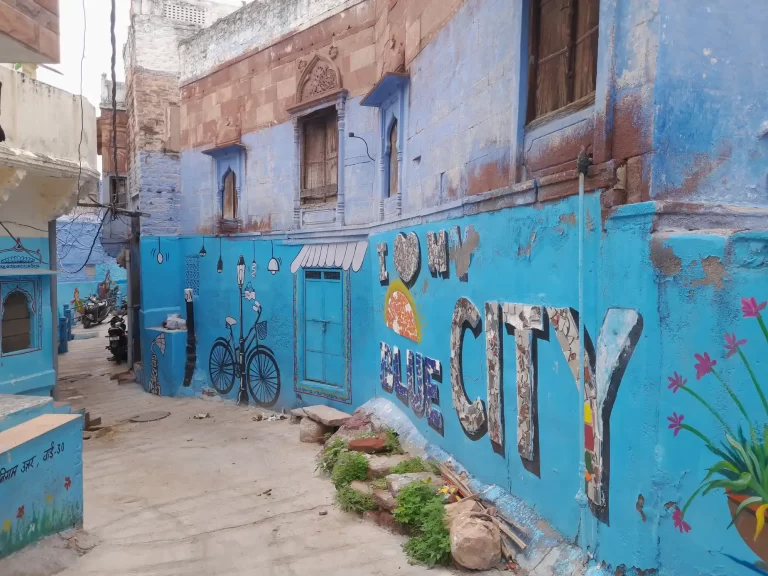
Rajput Heritage of Jodhpur: Forts, Families & Traditions
Jodhpur’s Rajput heritage runs through nearly every corner of the city, from the martial architecture of Mehrangarh Fort to the codes of honor, patronage traditions, and clan loyalties that shaped Marwar’s history for over five centuries under continuous Rathore rule. Understanding this heritage adds considerable depth to a visit, turning what might otherwise be a straightforward tour of forts and palaces into a window onto a distinct warrior aristocratic culture that shaped not just Jodhpur’s built environment but its festivals, cuisine, dress, and social structures that remain visible today.
The Rathore Clan and Rajput Genealogy
The Rathore clan, which founded and ruled Marwar continuously from 1459, traces its lineage back through a broader Rajput genealogical tradition connecting various ruling clans across Rajasthan, each claiming descent from either solar or lunar dynasties according to traditional Rajput genealogy. This shared genealogical framework, while partly legendary, helped bind Rajasthan’s numerous princely states together through a common aristocratic identity even as they frequently competed and fought one another over territory and succession. The Rathores built their reputation as one of Rajasthan’s most formidable Rajput warrior clans, with a martial tradition celebrated through folk songs and oral histories. Our dedicated Jodhpur history guide covers the Rathore dynasty’s political timeline in full.
Codes of Honor and Rajput Warrior Culture
Rajput warrior culture placed enormous emphasis on personal honor, loyalty to one’s clan and ruler, and a willingness to die in battle rather than surrender, values still referenced today in local storytelling and the historical exhibits found throughout Mehrangarh Fort’s museum galleries. These codes shaped everything from military strategy to succession disputes, and understanding them helps make sense of the numerous battles, sieges, and dramatic historical episodes commemorated throughout Jodhpur’s monuments.
Rajput Architecture and Military Design
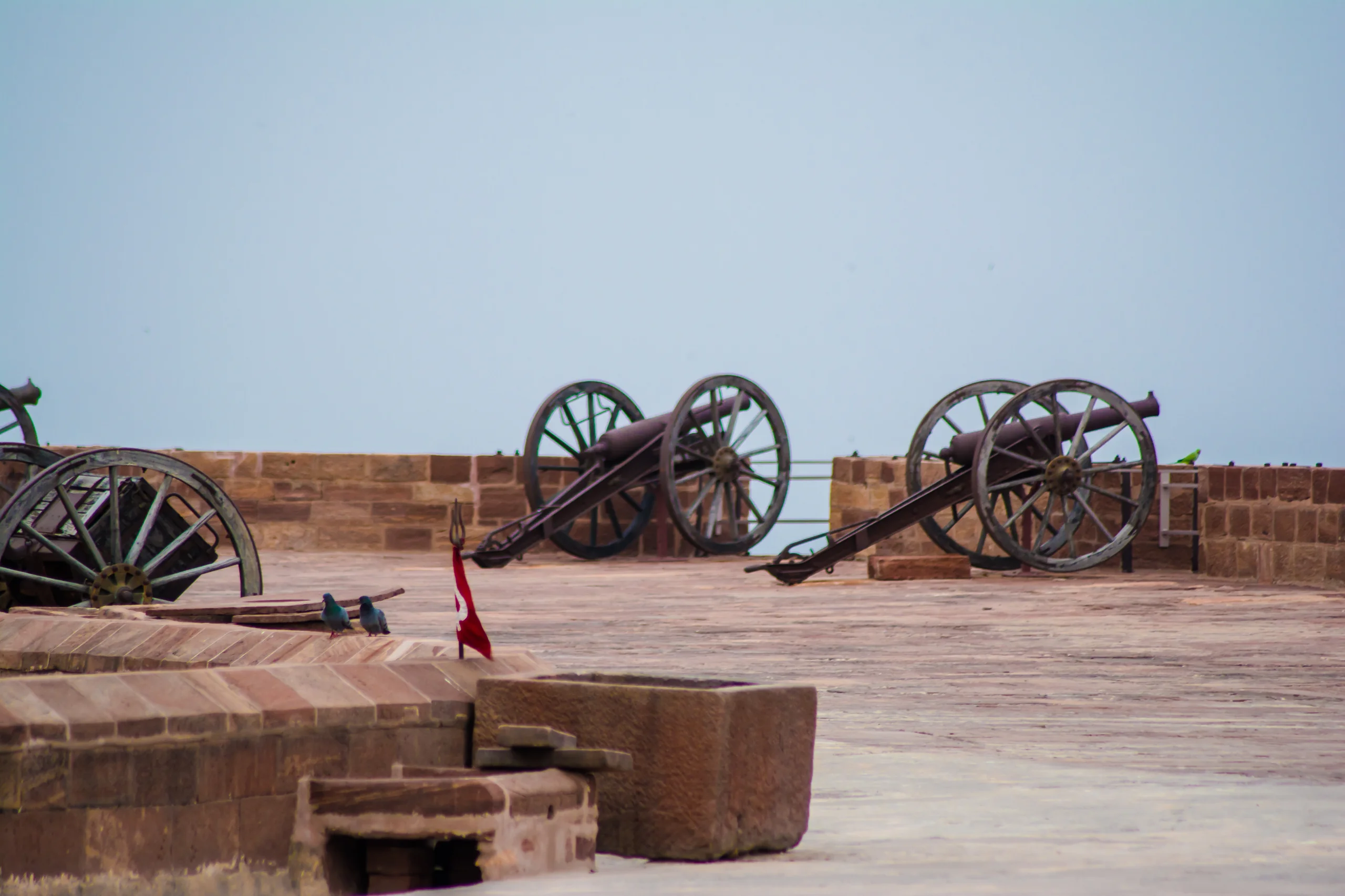
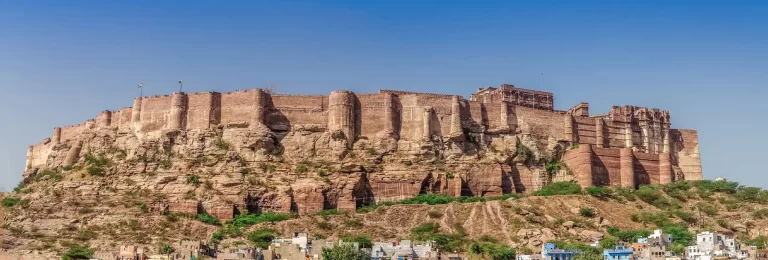
Rajput fortifications like Mehrangarh Fort reflect a specific architectural philosophy prioritizing elevated, naturally defensible positions, layered gateways designed to slow attacking forces, and thick walls capable of withstanding prolonged sieges, all features clearly visible during a visit to the fort’s seven successive gates and imposing outer walls.
Rajput Royal Patronage of Arts and Crafts
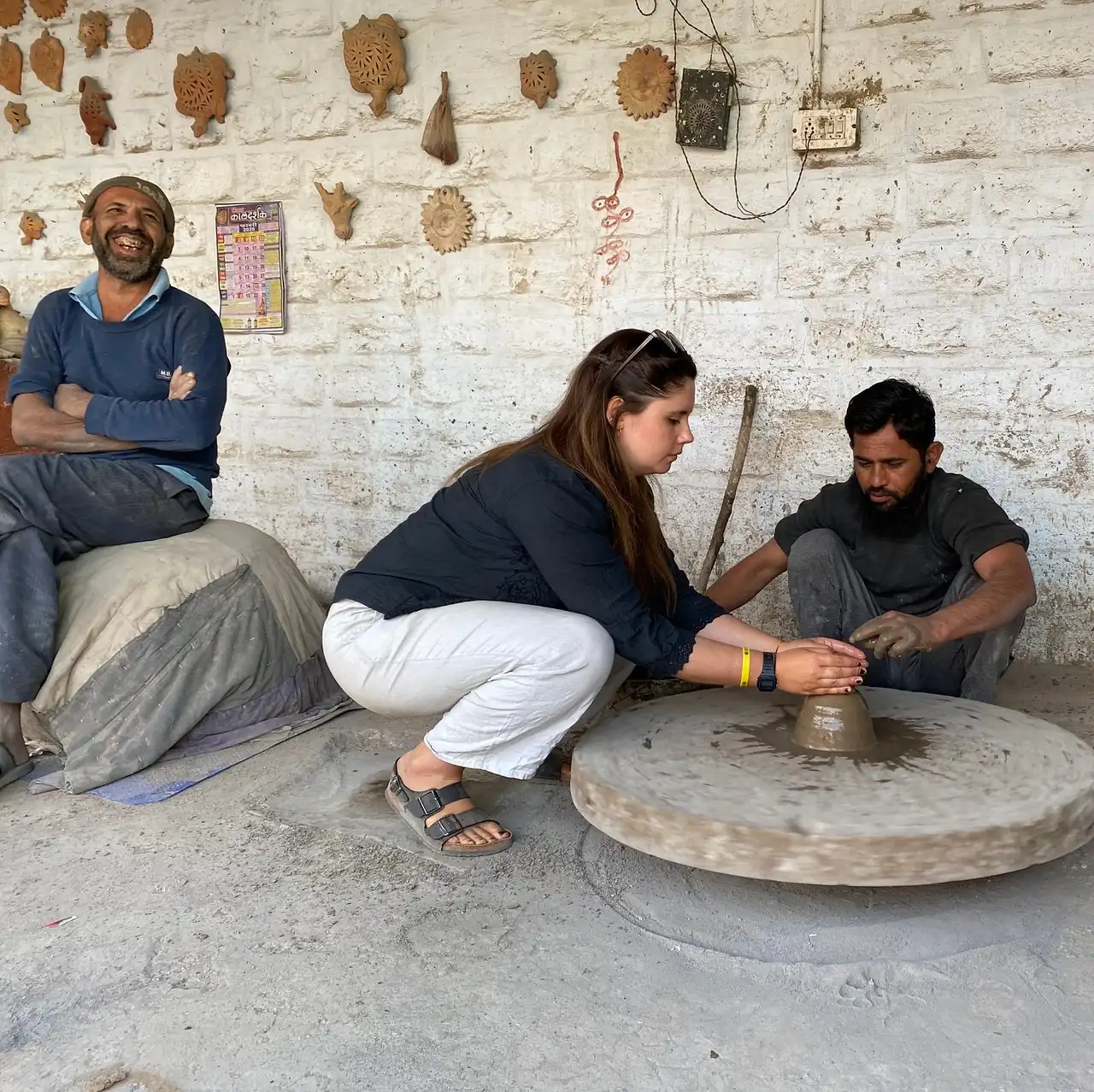
Beyond warfare, Rajput rulers including Jodhpur’s Rathore maharajas were significant patrons of the arts, commissioning miniature paintings, textiles, and architectural ornamentation that together form much of the decorative heritage on display throughout Mehrangarh Fort’s museum collections, reflecting a courtly culture that balanced martial values with genuine appreciation for craftsmanship and aesthetic refinement.
Rajput Royal Weddings and Alliances
Marriage alliances between Rajput clans, including Jodhpur’s Rathores, played a crucial diplomatic role throughout the region’s history, cementing political relationships and occasionally connecting Rajput courts to the Mughal imperial family through strategic royal marriages, a practice that shaped regional politics considerably during the sixteenth and seventeenth centuries.
Rajput Heritage in Jodhpur’s Festivals
Several of Jodhpur’s major festivals, including the Marwar Festival, celebrate Rajput martial traditions directly, featuring folk performances, turban-tying competitions, and displays connected to the region’s warrior heritage, offering visitors a living, performed connection to Rajput culture beyond the static displays found in museum galleries.
Rajput Cuisine and Its Connection to Warrior Culture
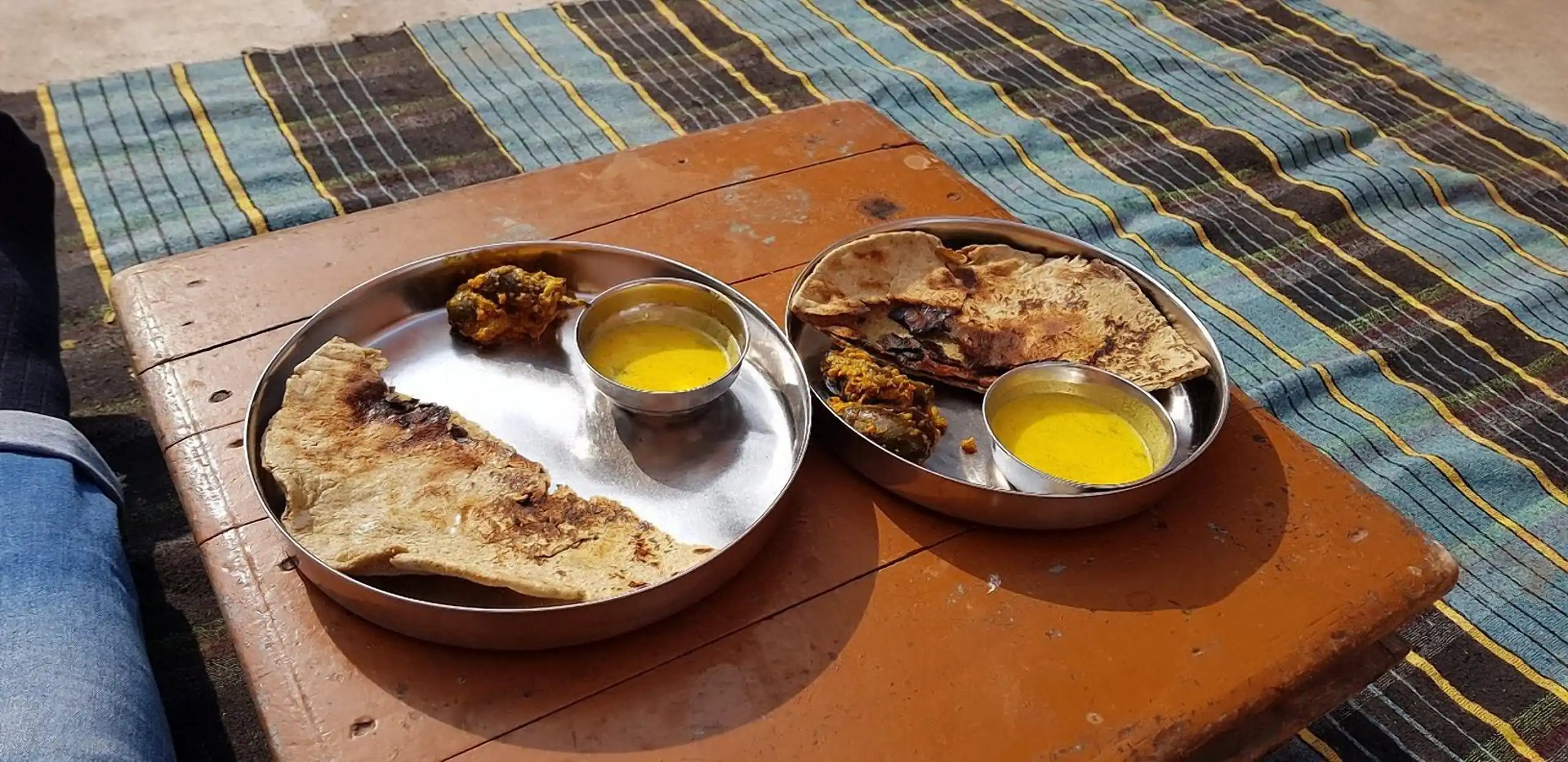
Jodhpur’s distinctive non-vegetarian dishes, particularly laal maas, a fiery red mutton curry, are often connected historically to Rajput hunting and warrior traditions, reflecting a cuisine originally developed to use available game meat and preserve it using the region’s abundant chillies, a culinary heritage still very much alive in Jodhpur’s restaurants today.
Rajput Dress and Traditional Attire
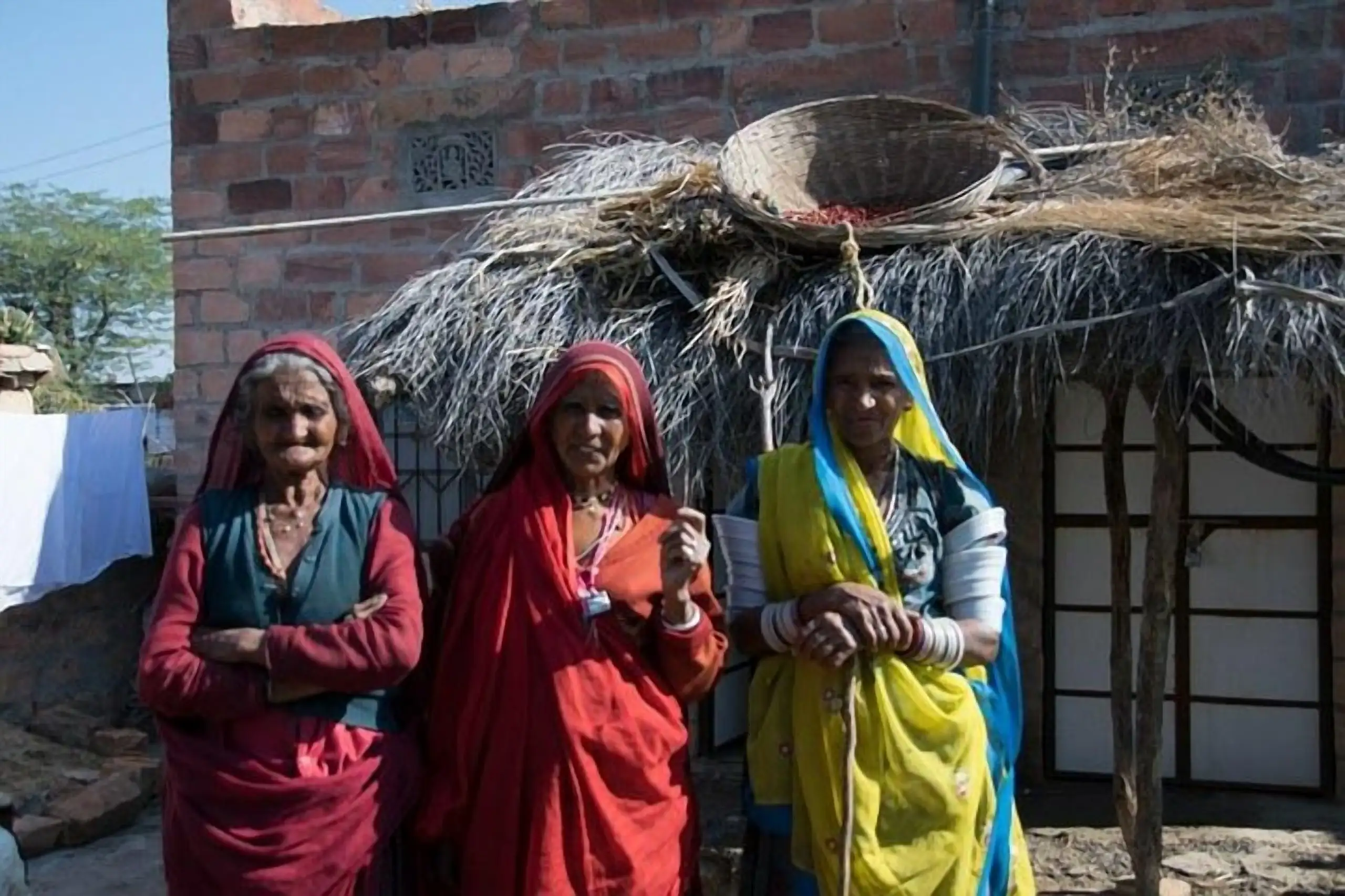
Traditional Rajput attire, including the distinctive Jodhpuri turban style and the riding breeches that gave “jodhpurs” their international name, remains visible today both in ceremonial contexts and in the everyday dress of some older residents, particularly in rural areas around the city. The Jodhpuri turban, tied in a specific regional style with its own color conventions for different occasions, is still commonly worn at weddings and festivals throughout Marwar.
What Is the Connection Between Jodhpur and the Riding Pants Called Jodhpurs?
The riding breeches known internationally as jodhpurs take their name directly from the city, having been adapted from traditional Rajput riding attire and popularized internationally through Jodhpur’s polo-playing maharajas during the early twentieth century.
Rajput Heritage and Horse Culture
Horses held major significance in Rajput warrior culture, both practically as cavalry mounts and symbolically as a marker of status and martial identity, a legacy still reflected in Jodhpur’s polo tradition and the continued breeding of Marwari horses, a distinctive local breed recognizable by its curved ears, still bred and shown at various events around the city today.
Rajput Customs and Social Structure
Traditional Rajput social customs, including specific codes around hospitality, honor, and clan loyalty, continue to shape aspects of Jodhpur’s cultural life, particularly visible during weddings and festivals where historic ceremonial practices are still observed by families tracing Rajput lineage. Beyond the royal family and formal ceremony, Rajput heritage shows up in more everyday ways across the city too, from turban-tying traditions still practiced at weddings to the continued prominence of family surnames tracing directly back to specific historic Rathore lineages.
The Continuing Presence of the Rathore Family Today
Unlike many former ruling families whose historical role has faded entirely into the past, Jodhpur’s Rathore descendants remain visibly active today, residing partly at Umaid Bhawan Palace and continuing to oversee heritage trusts connected to Mehrangarh Fort, giving Jodhpur’s Rajput heritage a living, ongoing quality rather than a purely historical one. The family also engages actively in heritage tourism, conservation, and cultural event organization, including the Rajasthan International Folk Festival hosted within Mehrangarh Fort.
Rajput Heritage Hotels and Havelis
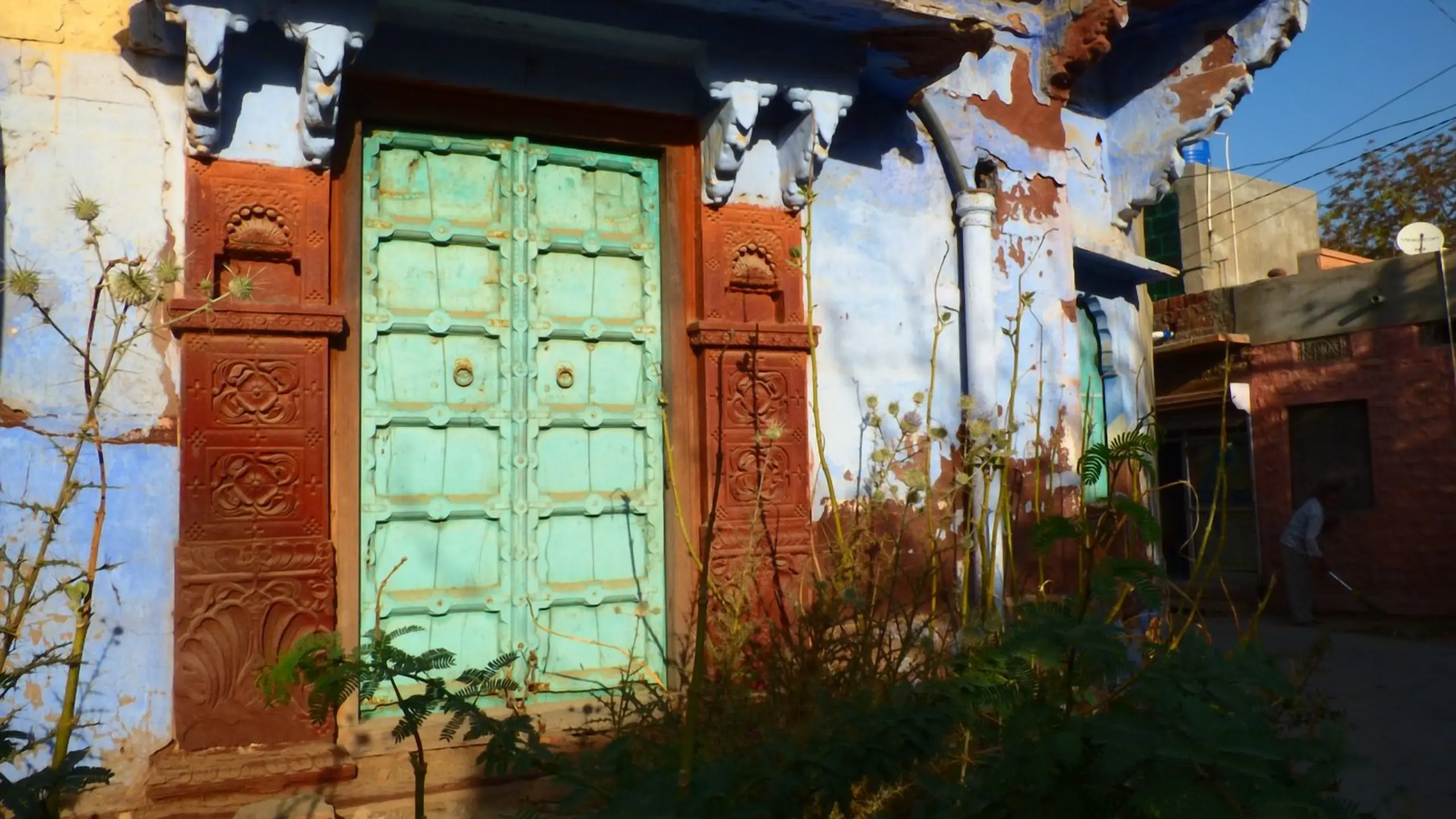
Several heritage hotels in and around Jodhpur occupy former Rajput noble residences, offering visitors a chance to actually stay within genuine Rajput architectural heritage rather than simply viewing it from outside, often furnished with antique weapons, portraits, and furniture connected to the specific families who once occupied these properties.
Visiting Rajput Heritage Sites Today
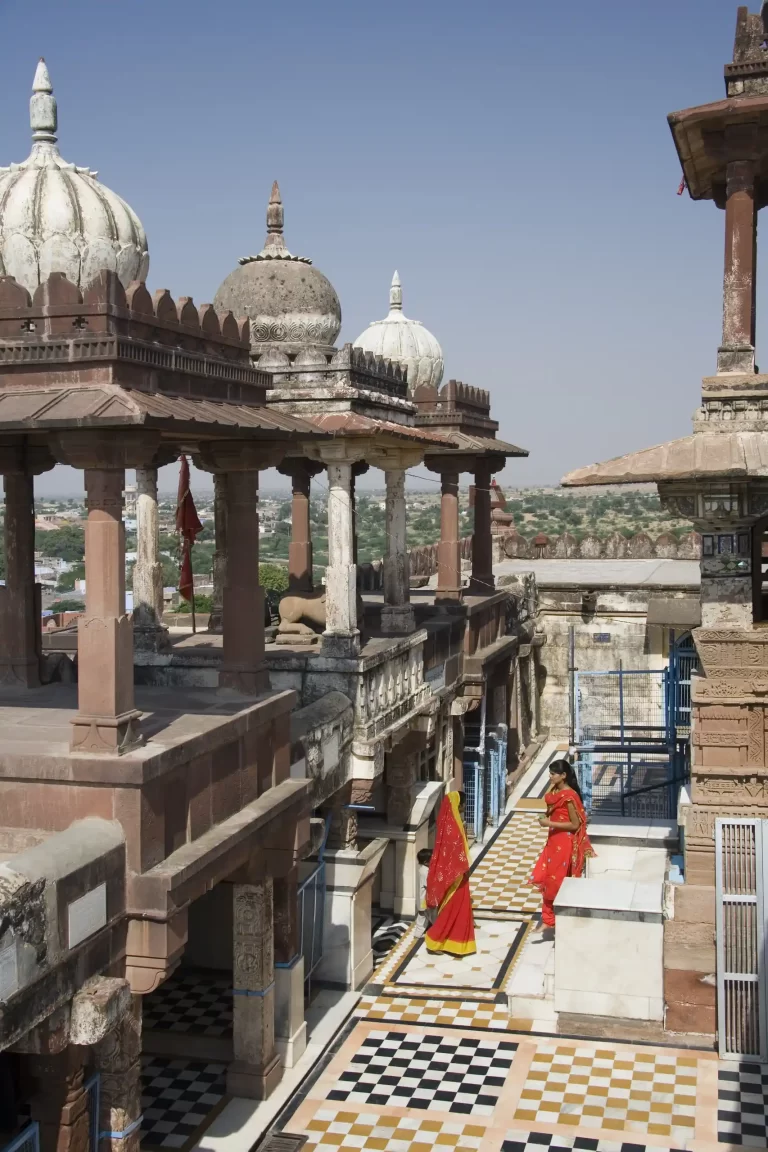
Mehrangarh Fort remains the single best place to engage with Jodhpur’s Rajput heritage directly, its museum galleries and audio guide providing extensive context on clan history, warrior culture, and courtly patronage, while smaller sites like Mandore Gardens and Jaswant Thada add further dimensions through their memorial architecture and dynastic portrait galleries. Travelers interested in the living dimension of Rajput heritage, rather than only its architectural remains, might seek out a knowledgeable local guide who can speak to how these traditions continue shaping family and community life across Jodhpur today.
FAQ
What defines Rajput heritage in Jodhpur?
Warrior traditions, fort architecture, and family lineages tracing back to the Rathore dynasty.
Are Rajput families still prominent in Jodhpur?
Yes, several Rajput families maintain cultural and historical prominence in the region today.
What forts best represent Rajput heritage?
Mehrangarh Fort stands as the clearest architectural representation of Rajput military heritage.
Are Rajput traditions visible in modern Jodhpur?
Yes, through festivals, family customs, and continued reverence for historical figures.
Can visitors learn about Rajput history through tours?
Yes, guided fort tours often include detailed context on Rajput lineage and traditions.