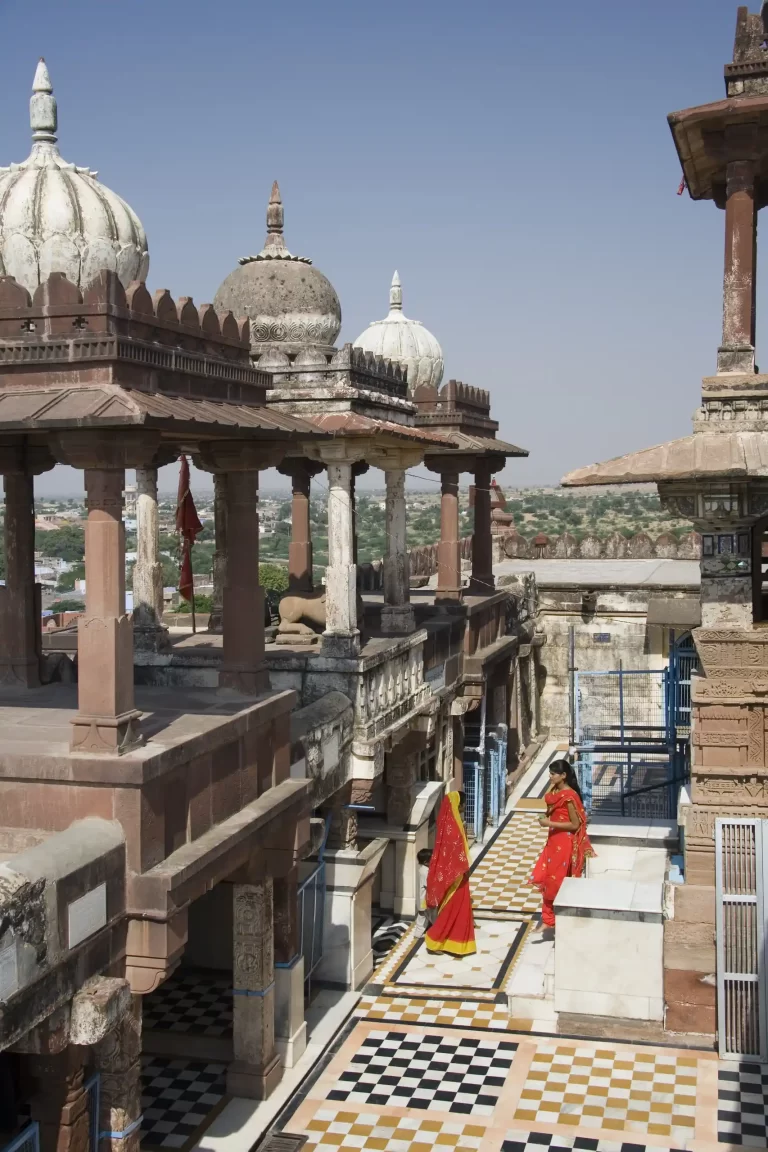
Mandore: History, Heritage & Ancient Jodhpur
Mandore, located roughly nine kilometers north of Jodhpur, served as the capital of the Marwar region for centuries before Rao Jodha relocated the seat of power to the newly fortified Mehrangarh Fort in 1459. Today its gardens and cenotaph complex offer a quieter, greener counterpoint to Jodhpur’s more famous sandstone monuments. For travelers interested in the fuller sweep of Marwar history, Mandore fills in an important earlier chapter, housing the royal cenotaphs of Jodhpur’s rulers who reigned before Jaswant Thada became the primary memorial site starting in the late nineteenth century.
The Rathore Capital Before Jodhpur
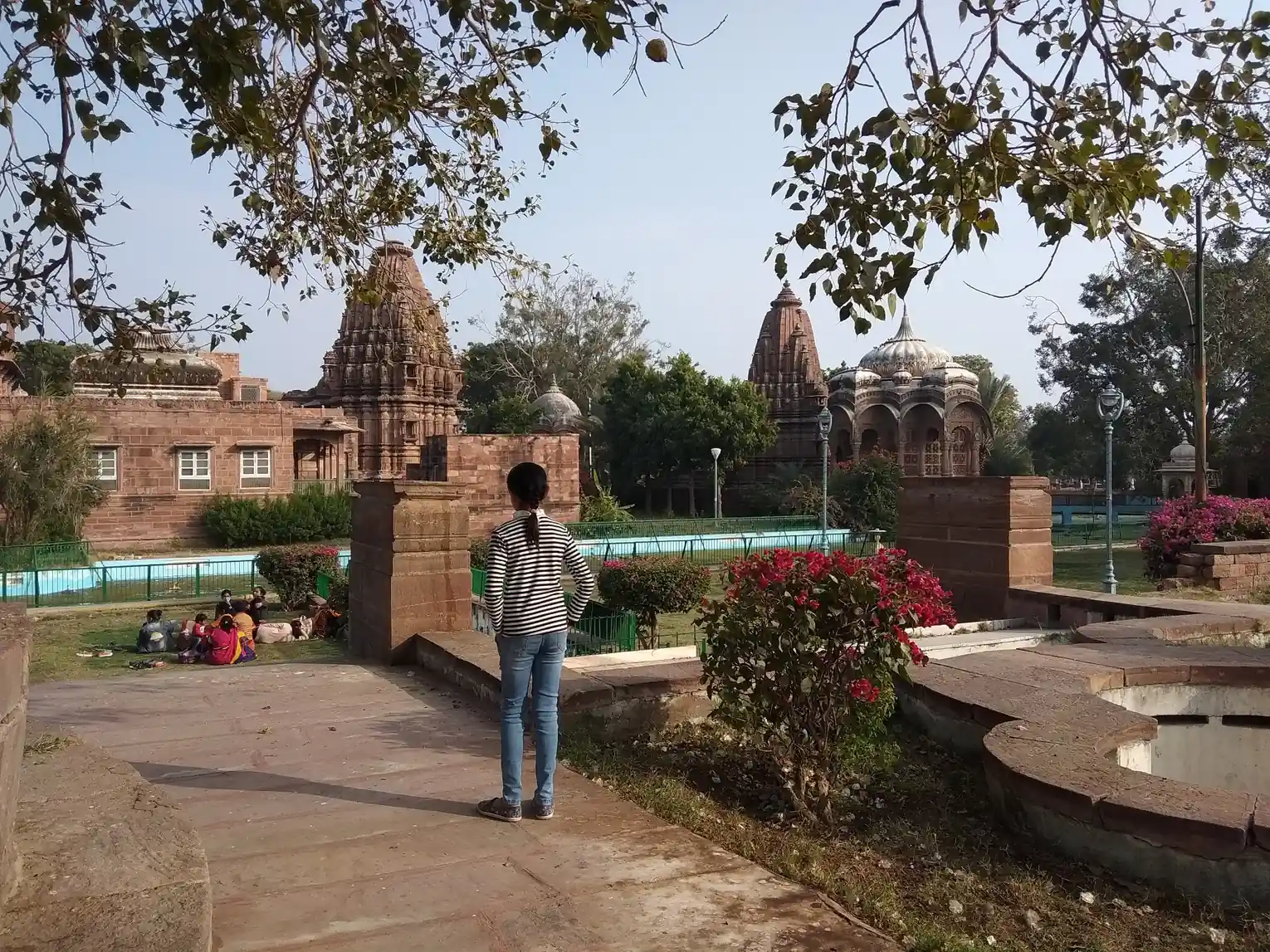
Long before Jodhpur existed, Mandore served as the political center of the Marwar region, with archaeological and historical evidence suggesting settlement here stretching back many centuries prior to Rao Jodha’s arrival, making it one of the oldest continuously significant sites in the broader Jodhpur area. Mandore served as the seat of Rathore power for centuries before Rao Jodha relocated the capital to the more defensible Mehrangarh hilltop in 1459, making it the older, foundational layer of Marwar history that predates Jodhpur city itself. Visiting Mandore alongside Jodhpur’s more central sites helps complete a fuller historical narrative, tracing Marwar’s story from its earlier capital, through the founding of Jodhpur and Mehrangarh Fort, and on to the more recent additions of Jaswant Thada and Umaid Bhawan Palace.
The Cenotaph Complex
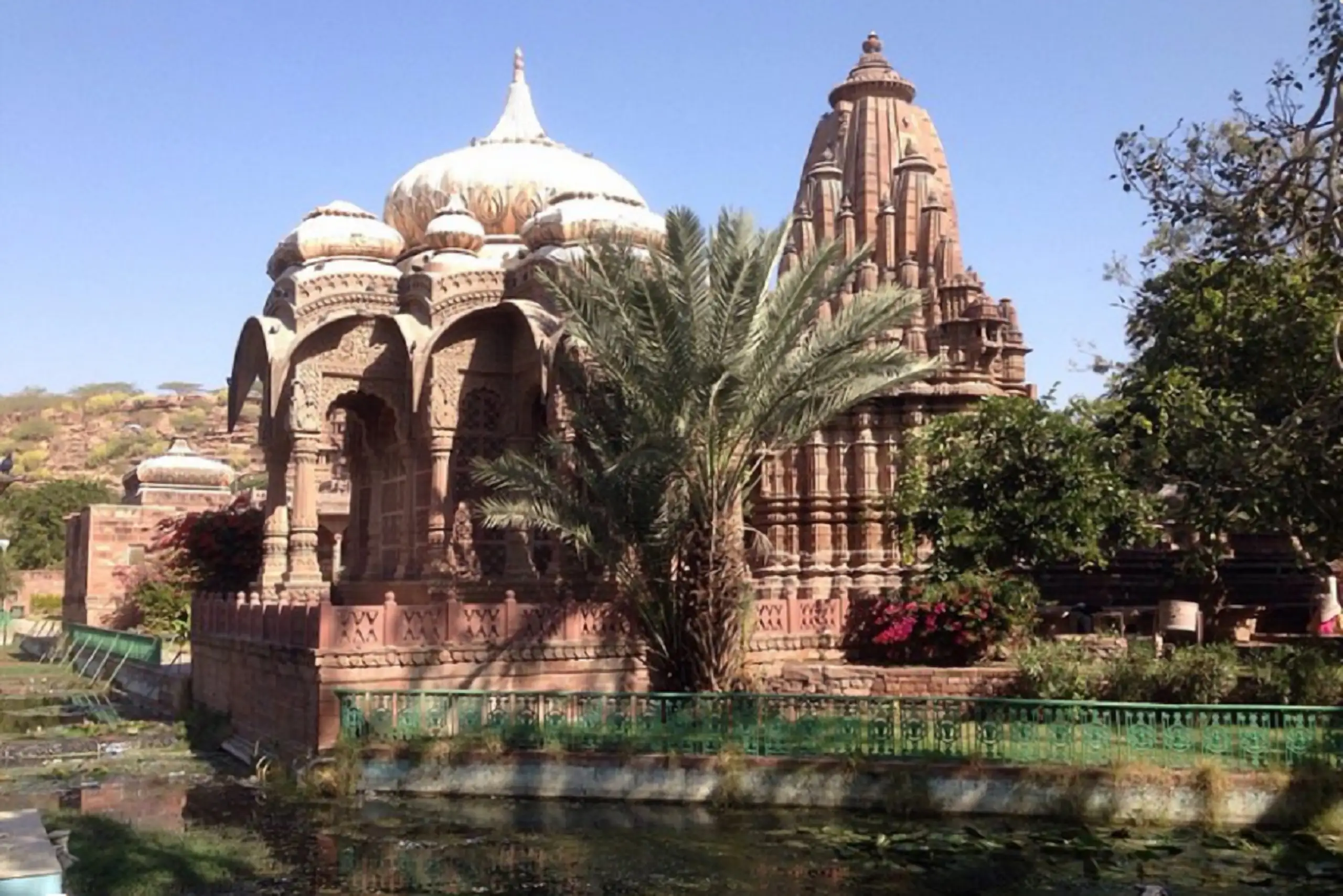
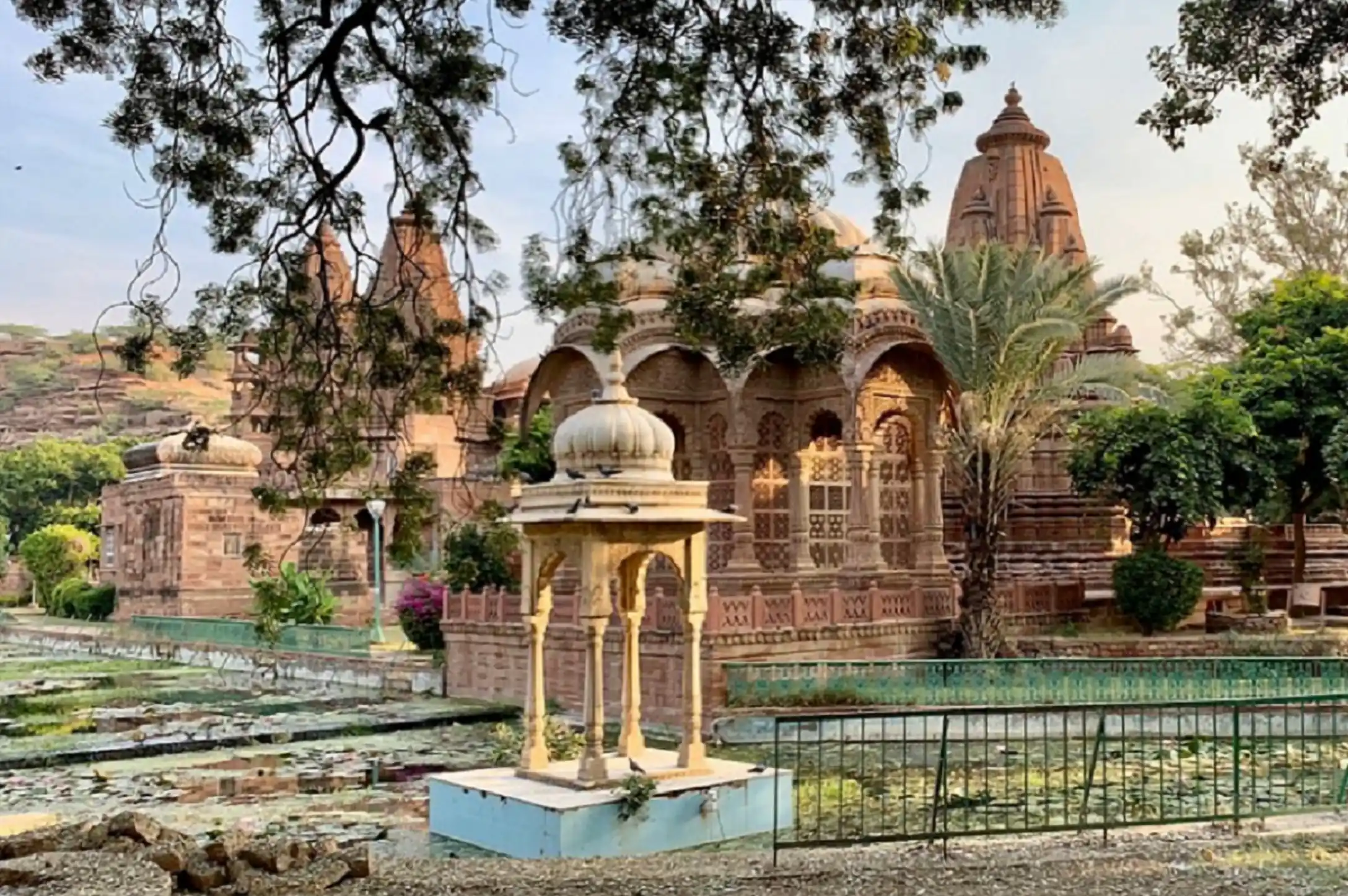
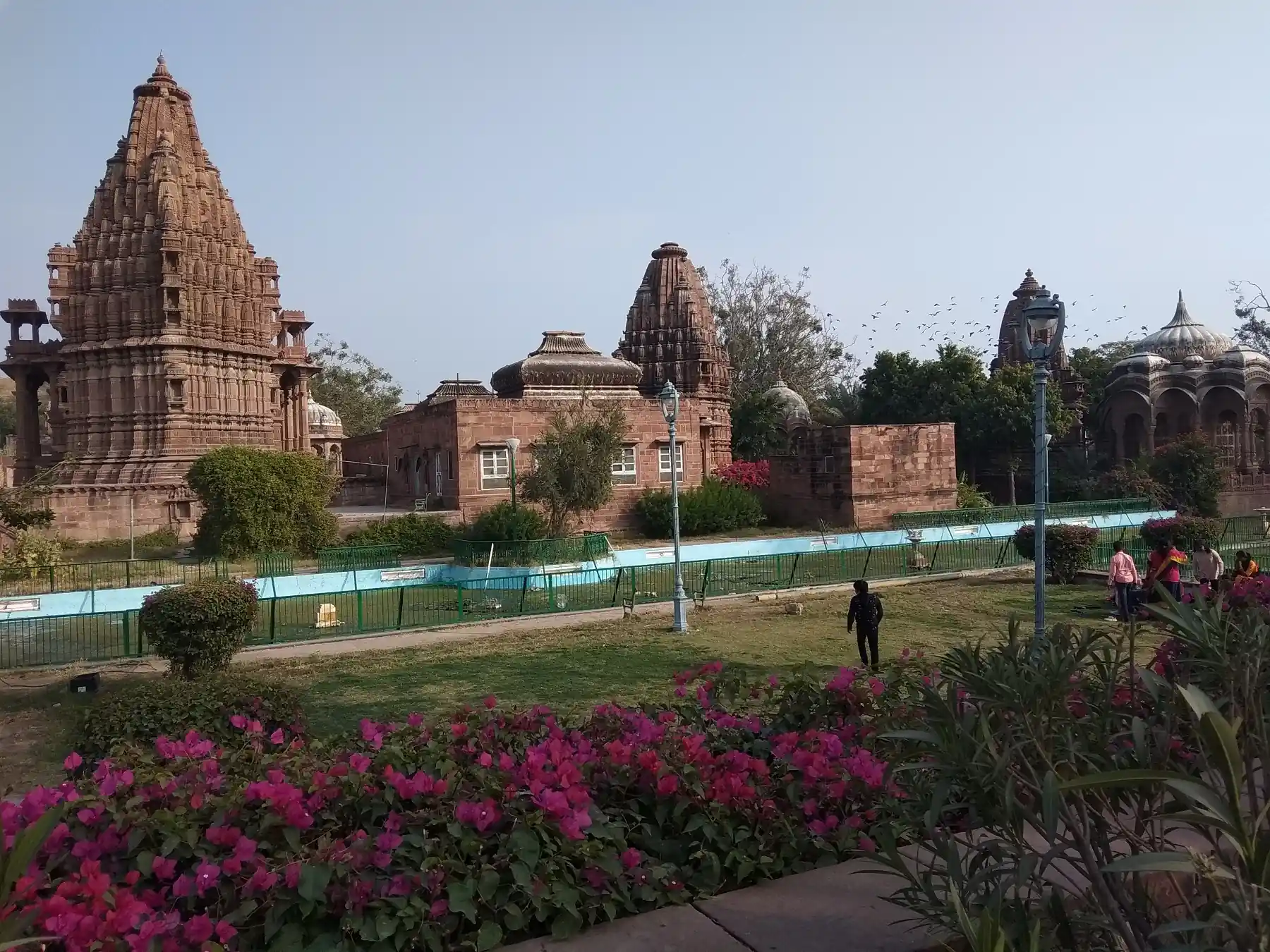
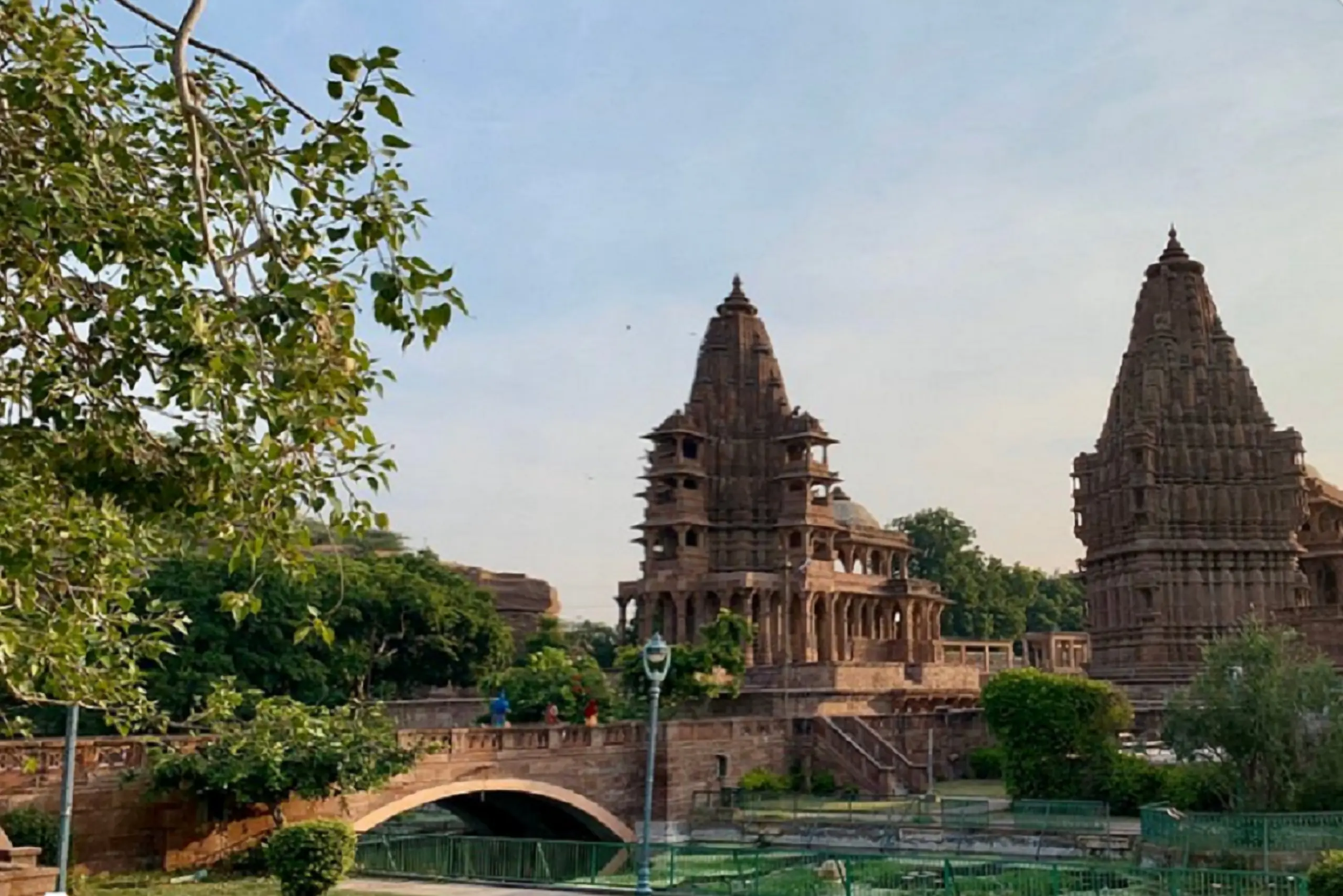
Mandore Gardens houses a series of ornately carved cenotaphs commemorating Marwar rulers who reigned before Jaswant Thada was constructed, built in a distinctive multi-tiered, temple-like style using local stone, quite different from the simpler dome structures found at Jaswant Thada and reflecting an older architectural tradition specific to this earlier capital. The contrast offers visitors a useful architectural comparison between the two eras of royal memorial building.
The Hall of Heroes
A distinctive feature of Mandore is its Hall of Heroes, containing large rock-cut figures depicting regional deities and folk heroes significant to Marwar’s history and mythology, carved directly into the hillside and painted in vivid colors, offering a strikingly different visual and religious character from the carved sandstone and marble monuments found elsewhere in Jodhpur.
Local Legends and Mandore’s Connection to the Ramayana
Mandore is associated with various local legends and folk traditions predating the Rathore dynasty’s arrival, including stories connected to the region’s earlier Pratihara rulers, adding a further layer of historical depth for visitors interested in the area’s history beyond the Rathore-era monuments found in central Jodhpur. Local tradition also connects Mandore to episodes from the Ramayana, with some accounts identifying it as the location of Ravana’s marriage to Mandodari, adding a layer of mythological significance to the site beyond its documented Marwar dynastic history, though such connections are held with varying degrees of historical certainty.
The Gardens, Natural Setting, and Facilities
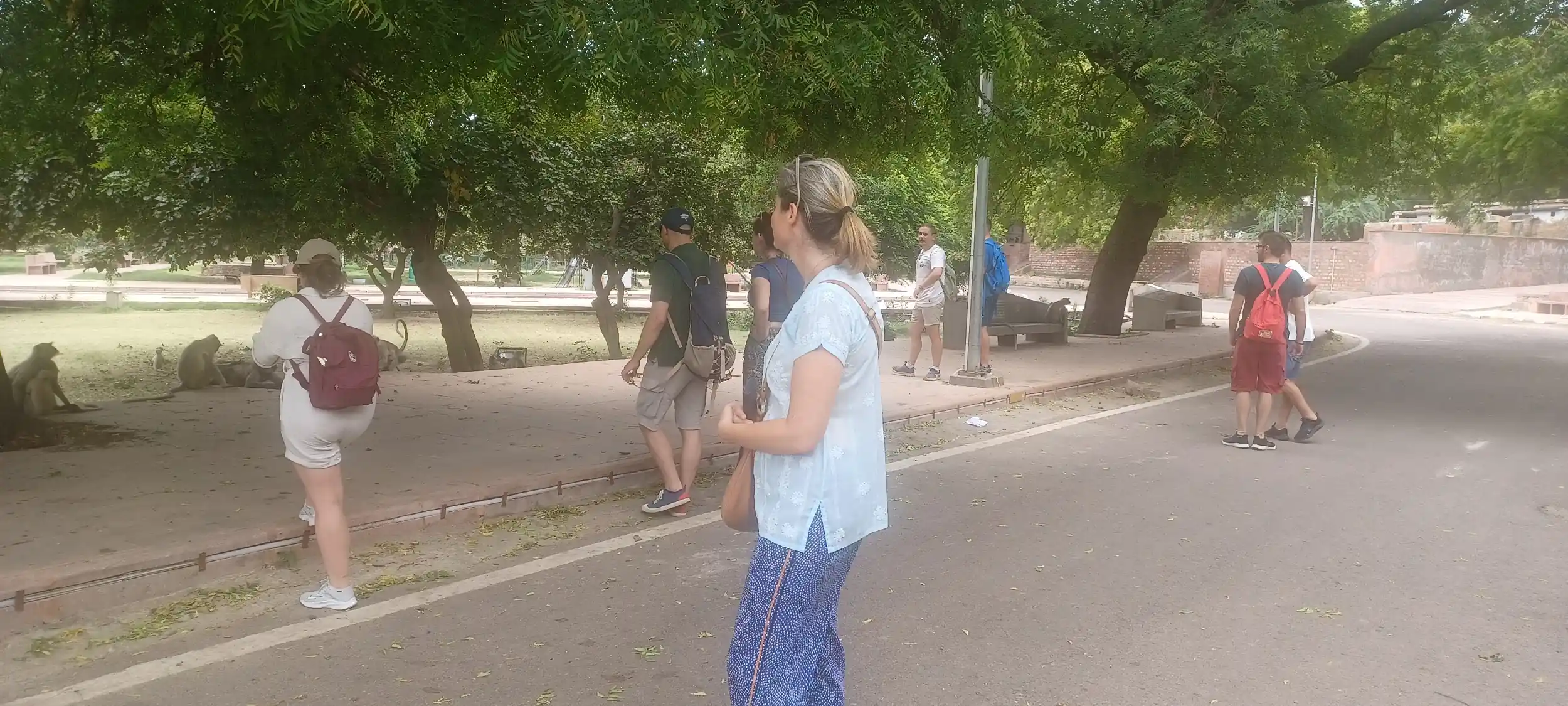
Beyond its historical structures, Mandore Gardens offers a pleasant natural setting with mature trees, terraced lawns, and a small step-well, providing welcome shade and a more relaxed pace compared to the more intensely visited monuments closer to central Jodhpur, making it a popular spot for both tourists and local families seeking a quiet outing. Basic visitor facilities including seating areas, some food and drink vendors, and restrooms are available within the gardens, though amenities remain considerably more modest than at Mehrangarh Fort, consistent with its status as a quieter, less commercially developed heritage site.
The Government Museum at Mandore
A small museum within the Mandore Gardens complex displays archaeological finds, sculptures, and artifacts from the surrounding region, providing useful additional historical context for visitors interested in the deeper, pre-Jodhpur history of the Marwar region beyond what’s covered at the city’s more famous fort and palace museums.
Wildlife and Birdlife in Mandore Gardens
The mature trees and relatively undisturbed setting of Mandore Gardens attract a reasonable variety of birdlife and, notably, a resident population of monkeys, which visitors should approach with appropriate caution and avoid feeding directly, following standard guidance for interacting with wild monkey populations in India.
Why Mandore Sees Fewer Visitors
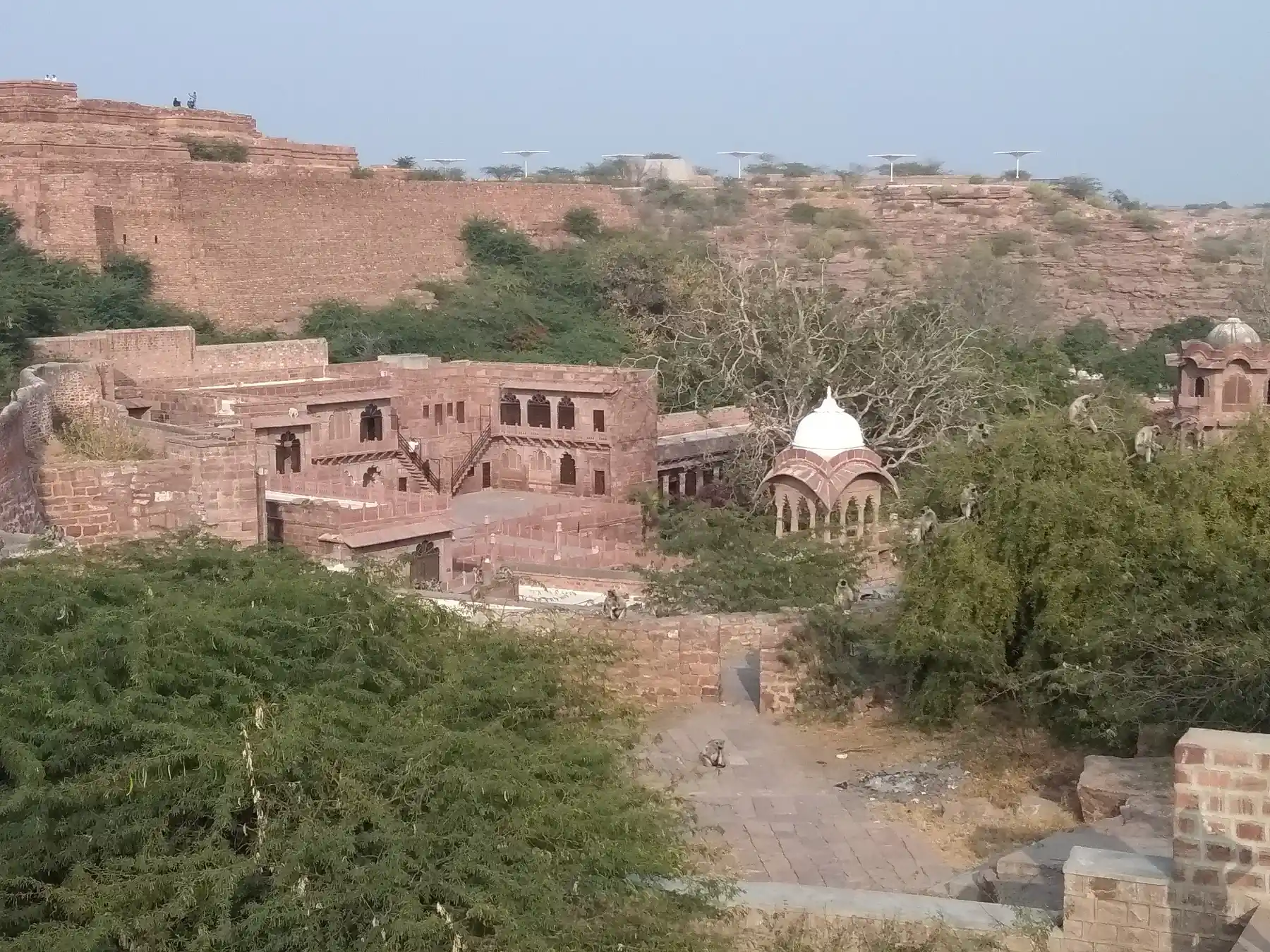
Despite its historical significance, Mandore remains considerably less visited than Mehrangarh Fort or Jaswant Thada, largely because it requires a separate trip outside the main city center, making it a genuine offbeat addition for travelers with extra time rather than a standard first-day stop. For travelers with a real interest in tracing Rathore history back to its roots, rather than only visiting the more famous later monuments, Mandore offers the clearest and most tangible connection to the dynasty’s pre-Jodhpur origins.
Visiting Mandore from Jodhpur
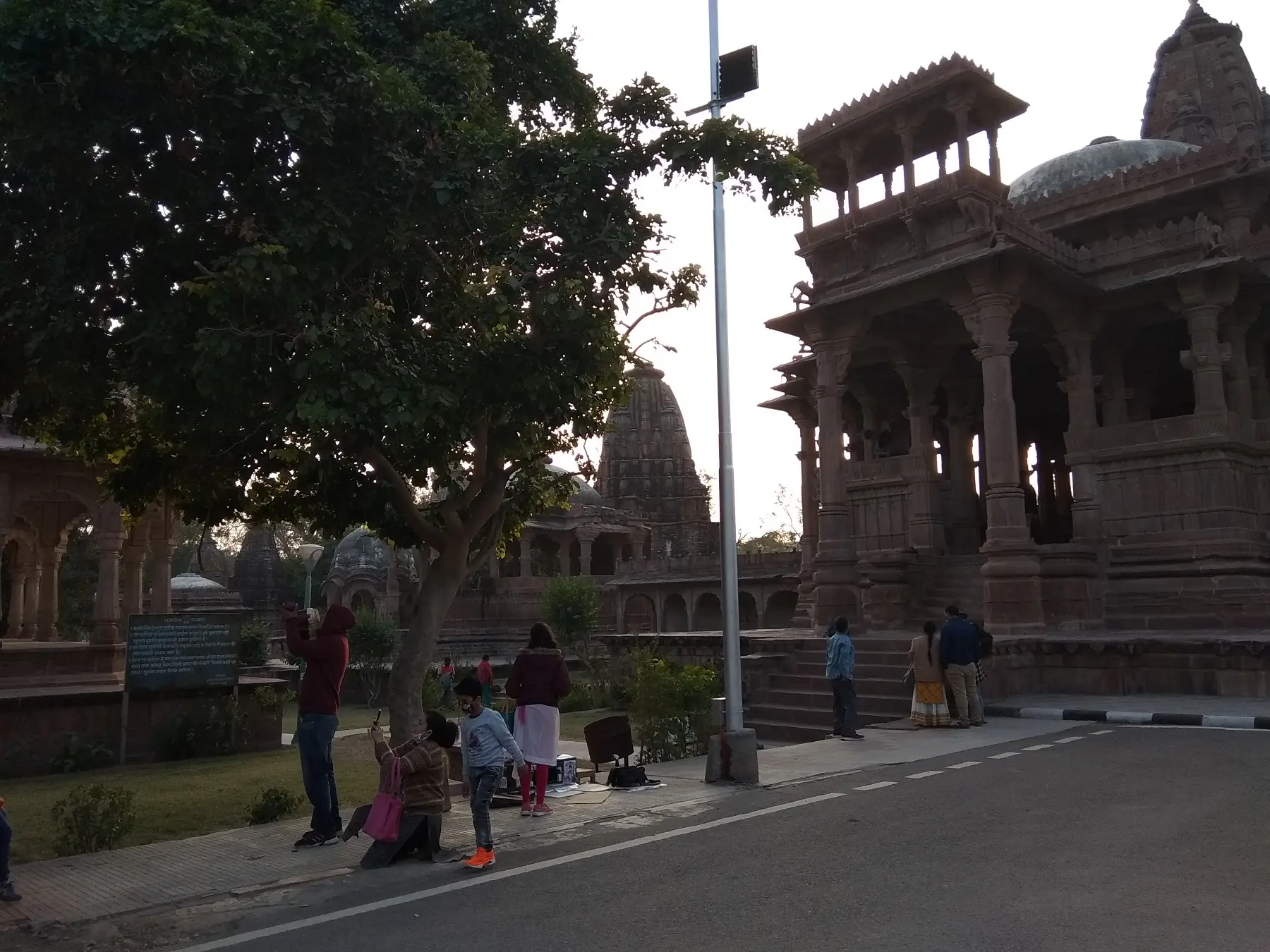
Mandore Gardens can be visited comfortably throughout the day given its shaded, garden setting, though early morning or late afternoon visits during the cooler winter months offer the most pleasant overall experience. Given its distance from central Jodhpur, Mandore is often combined with other outlying sights on the same side of the city, or visited as a dedicated half-day excursion — some travelers pair it with a stop at nearby Osian’s temples if continuing further north on the same day, or with a broader itinerary that includes nearby rural or Bishnoi village experiences. Our dedicated Mandore day trip guide covers getting there, current hours, and combining the visit with other sights in full practical detail.
FAQ
What is Mandore known for?
Its royal cenotaphs, gardens, and role as the ancient capital of Marwar before Jodhpur.
How far is Mandore from Jodhpur city center?
Mandore sits a short drive from central Jodhpur, making it an easy half-day trip.
Is there an entry fee for Mandore Gardens?
The gardens are generally free to enter, though some structures may have separate charges.
What can visitors see at Mandore?
Cenotaphs, temples, and landscaped gardens spread across the historic site.
Is Mandore worth visiting on a short Jodhpur trip?
Yes, if time allows a half-day extension beyond the main city sightseeing.