Jodhpur and Marwar: History, Kingdom & Cultural Heritage
Jodhpur is often introduced to travelers simply as a city, but understanding its relationship to Marwar, the historical kingdom it has served as capital of since 1459, adds real depth to a visit. Marwar was among the largest and most powerful of Rajasthan’s princely states, and Jodhpur functioned as its political, military, and cultural center for nearly five centuries, meaning the city’s forts, festivals, cuisine, and even its dialect are best understood as expressions of this wider Marwar identity rather than a standalone urban culture.
What Marwar Actually Refers To
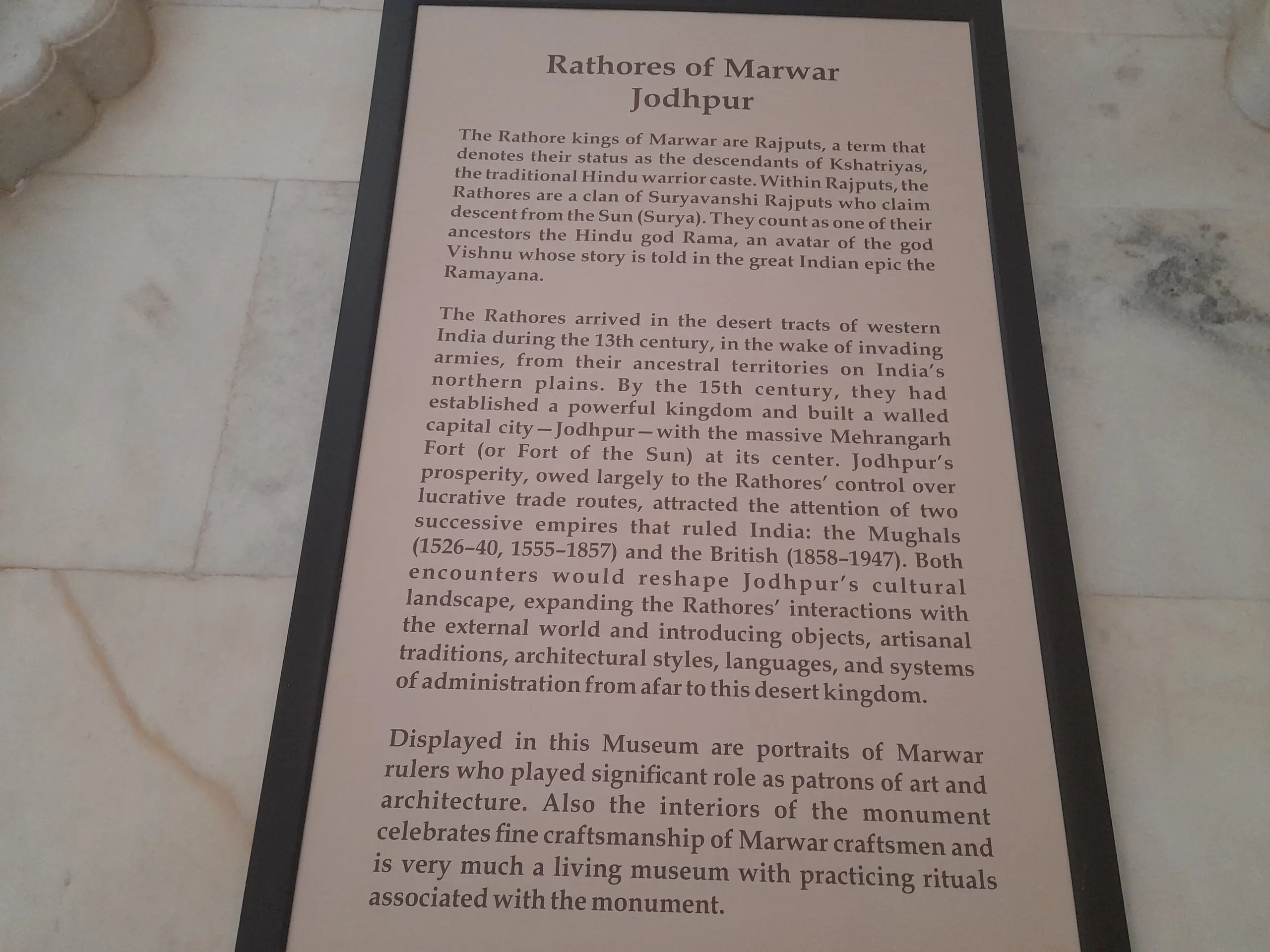
Marwar refers both to the historic Rathore kingdom centered on Jodhpur and to the broader cultural and linguistic region of western Rajasthan. It historically covered a substantial territory considerably larger than modern Jodhpur district alone, encompassing surrounding towns like Pali, Nagaur, and Jalore that fell within its historical sphere of political and cultural influence, with Jodhpur serving as the seat of government from which the wider kingdom was administered. Marwari language, cuisine, and customs extend well beyond the former kingdom’s political boundaries into much of the state’s desert territory today.
The Rathore Dynasty and Its Relationship with the Mughals and British
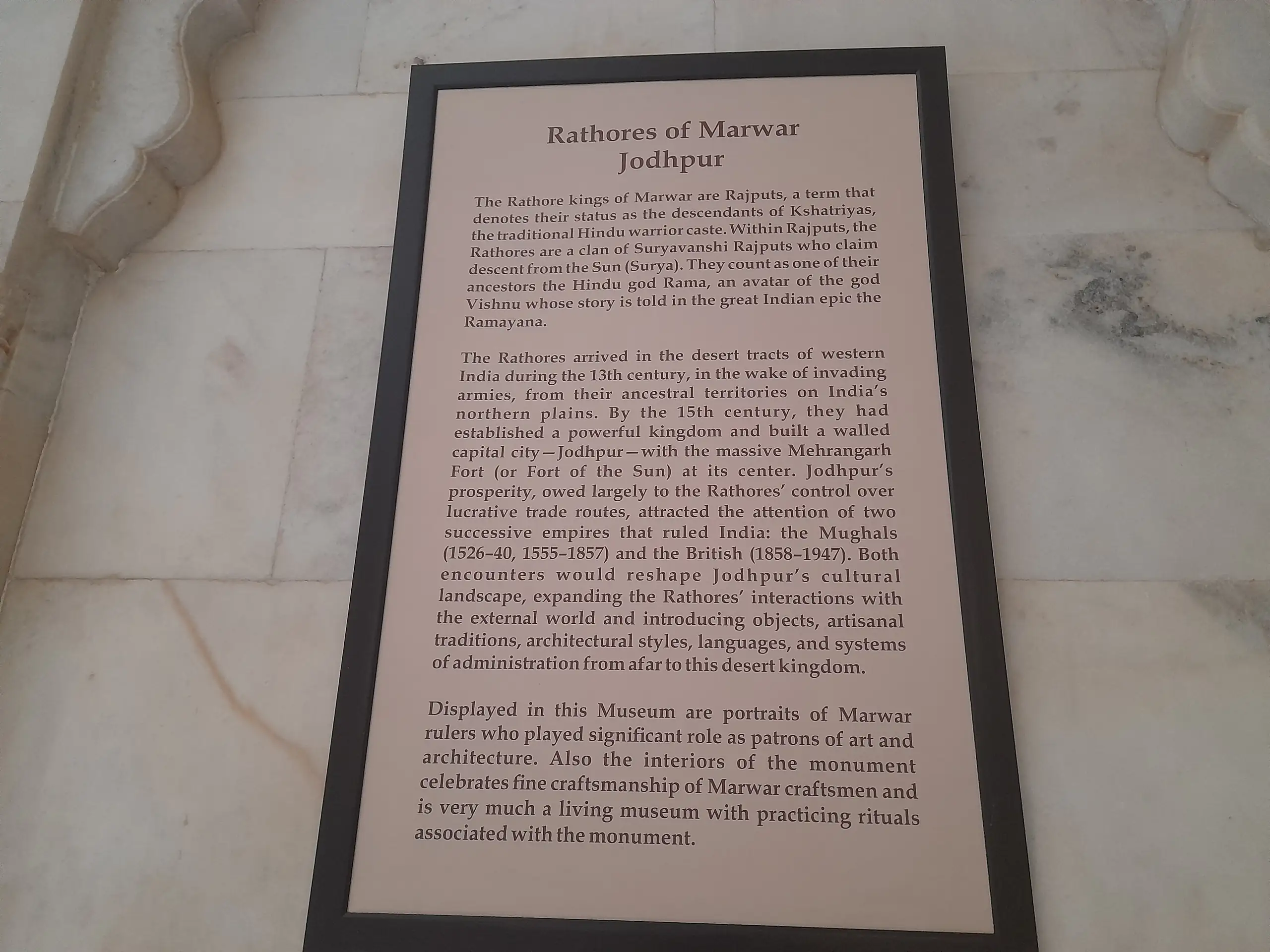
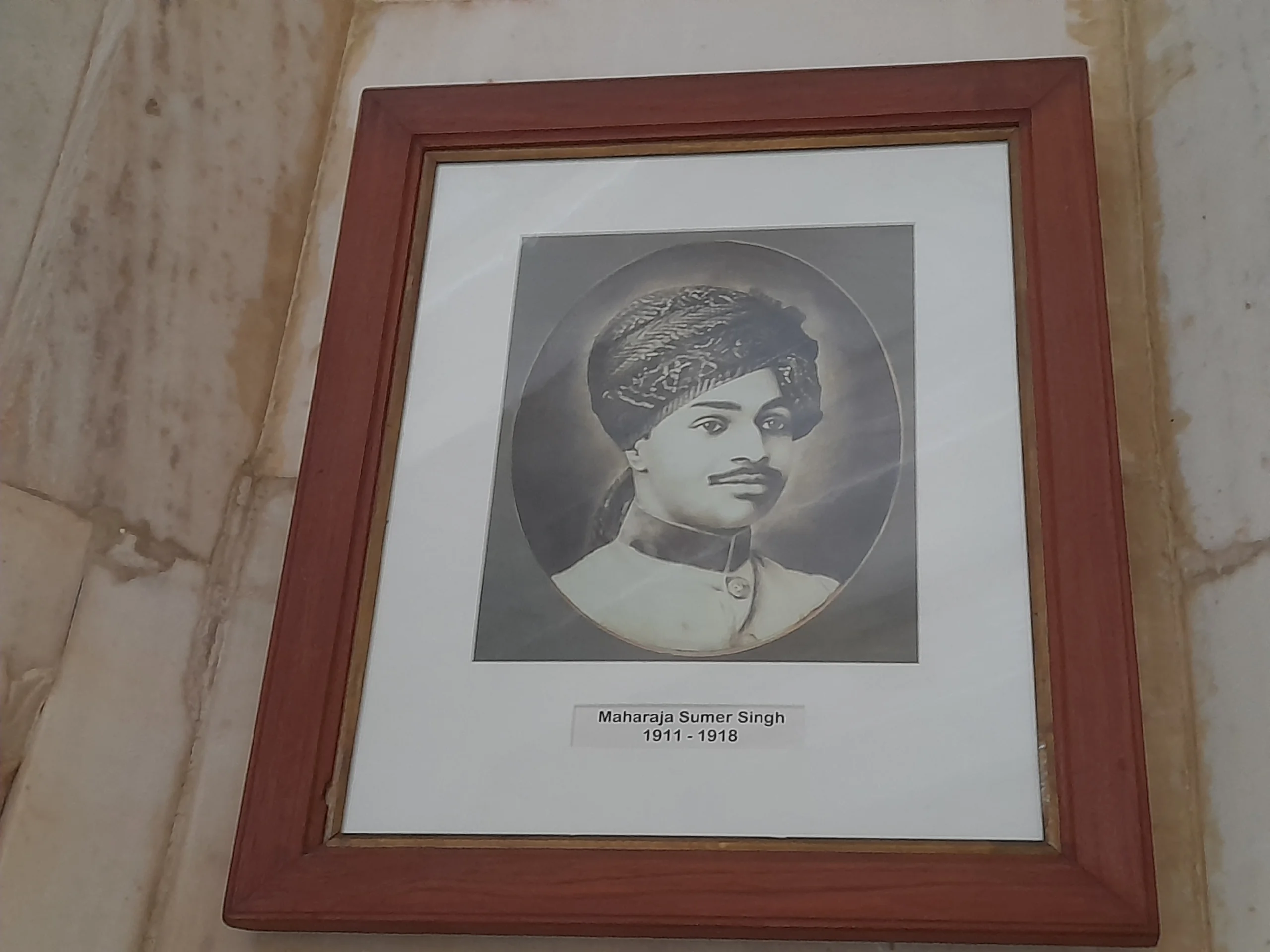
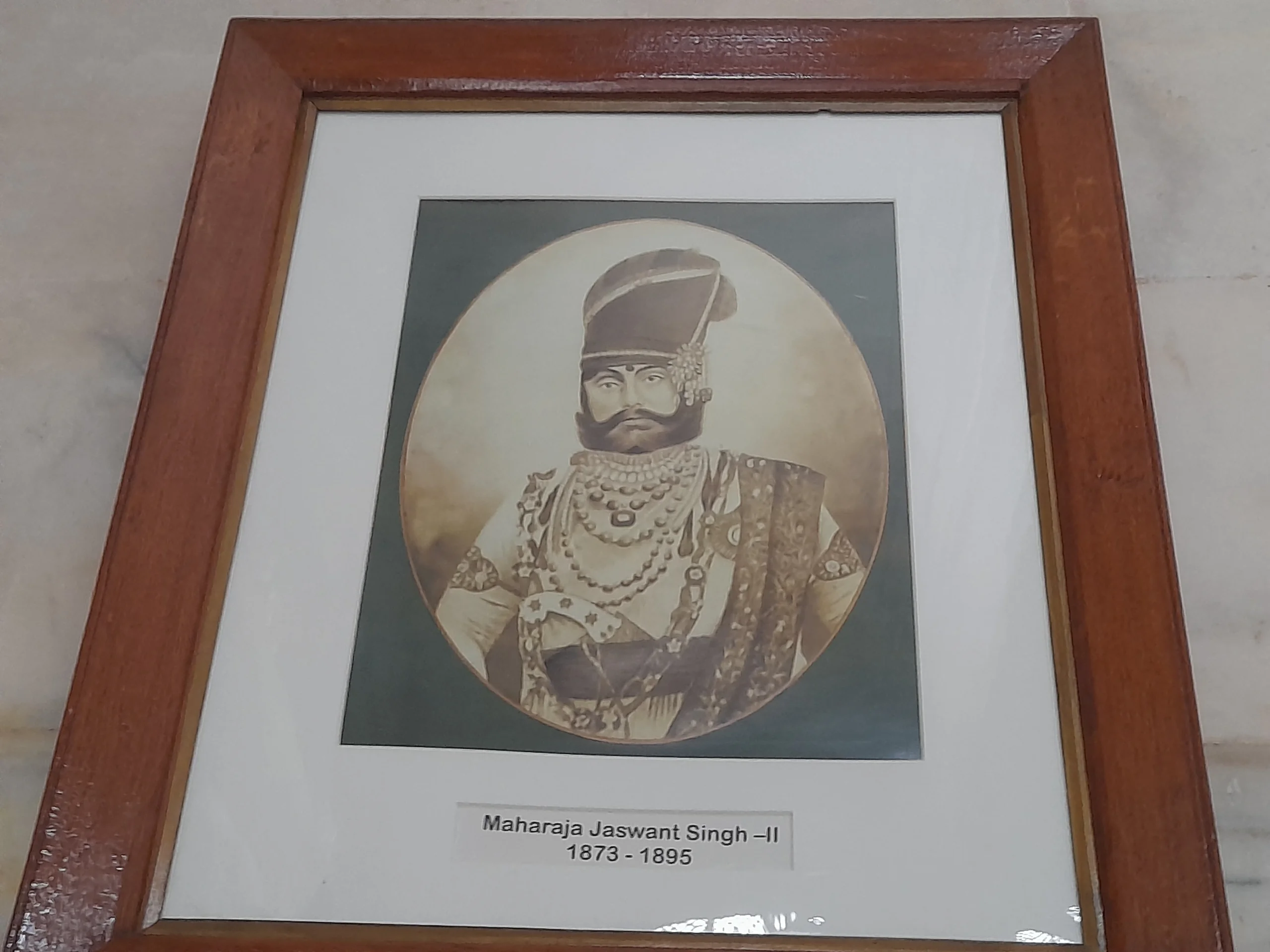
The Rathore clan governed Marwar continuously from Rao Jodha’s founding of Jodhpur in 1459 through India’s independence in 1947, a remarkably long unbroken dynastic rule that shaped the region’s institutions, architecture, and culture in ways still visible in the city today. Along the way, Marwar’s relationship with the Mughal Empire alternated between conflict and alliance, with several rulers serving as Mughal generals while retaining significant autonomy, and later Marwar became a princely state under British paramountcy, retaining internal self-governance while ceding external affairs to colonial administration. Our dedicated Jodhpur history guide covers this political narrative, from the Mughal period through independence, in full detail.
Marwar’s Distinct Desert Geography and Its Cultural Impact
Marwar’s location within the Thar Desert’s eastern reaches shaped much of the kingdom’s distinct cultural adaptations, from its architecture, including deep stepwells built to reliably access groundwater, to its cuisine, which historically relied heavily on drought-resistant grains and preserved foods suited to a challenging arid climate. This desert geography also shaped Marwar’s military history, with the harsh terrain surrounding Jodhpur providing a natural defensive advantage that helped the Rathore dynasty maintain its independence longer than some other Rajput kingdoms facing more accessible terrain.
The Marwari Language and Dialect
Marwari, spoken widely across Jodhpur and the surrounding region, is recognized as a distinct language or major dialect group within the broader Rajasthani linguistic family, closely related to both Hindi and Rajasthani, with its own literary tradition and folk song heritage that remains actively performed at cultural events like the Rajasthan International Folk Festival. It is still spoken by many residents around Jodhpur, particularly in rural areas, and the term Marwari also refers more broadly to a distinct regional identity.
Marwar’s Historic Trade Routes and Marwari Trading Communities
Jodhpur’s position along historic trade routes connecting inland Rajasthan to the Gujarat coast brought considerable wealth into Marwar over the centuries, funding much of the elaborate haveli architecture still visible throughout the old city today, built by merchant families who grew prosperous through regional trade in opium, textiles, and spices. That trading heritage did not stay confined to Rajasthan. The Marwari business community, originating from this region, developed a reputation for trading acumen that eventually spread across India, with Marwari merchant families establishing significant commercial presences in Kolkata, Mumbai, and other major Indian cities — a diaspora that traces its cultural roots directly back to Jodhpur and the surrounding Marwar region, a fact many visitors are surprised to learn during a Jodhpur visit.
Marwar Festivals and Their Regional Character
Major festivals celebrated in and around Jodhpur, including the Marwar Festival itself, held annually to celebrate the region’s folk heritage through music, dance, and equestrian displays, draw specifically on Marwar’s distinct regional traditions rather than generic pan-Rajasthani celebrations, offering visitors an experience rooted in this particular kingdom’s history and identity.
Cultural Practices Distinct to Marwar
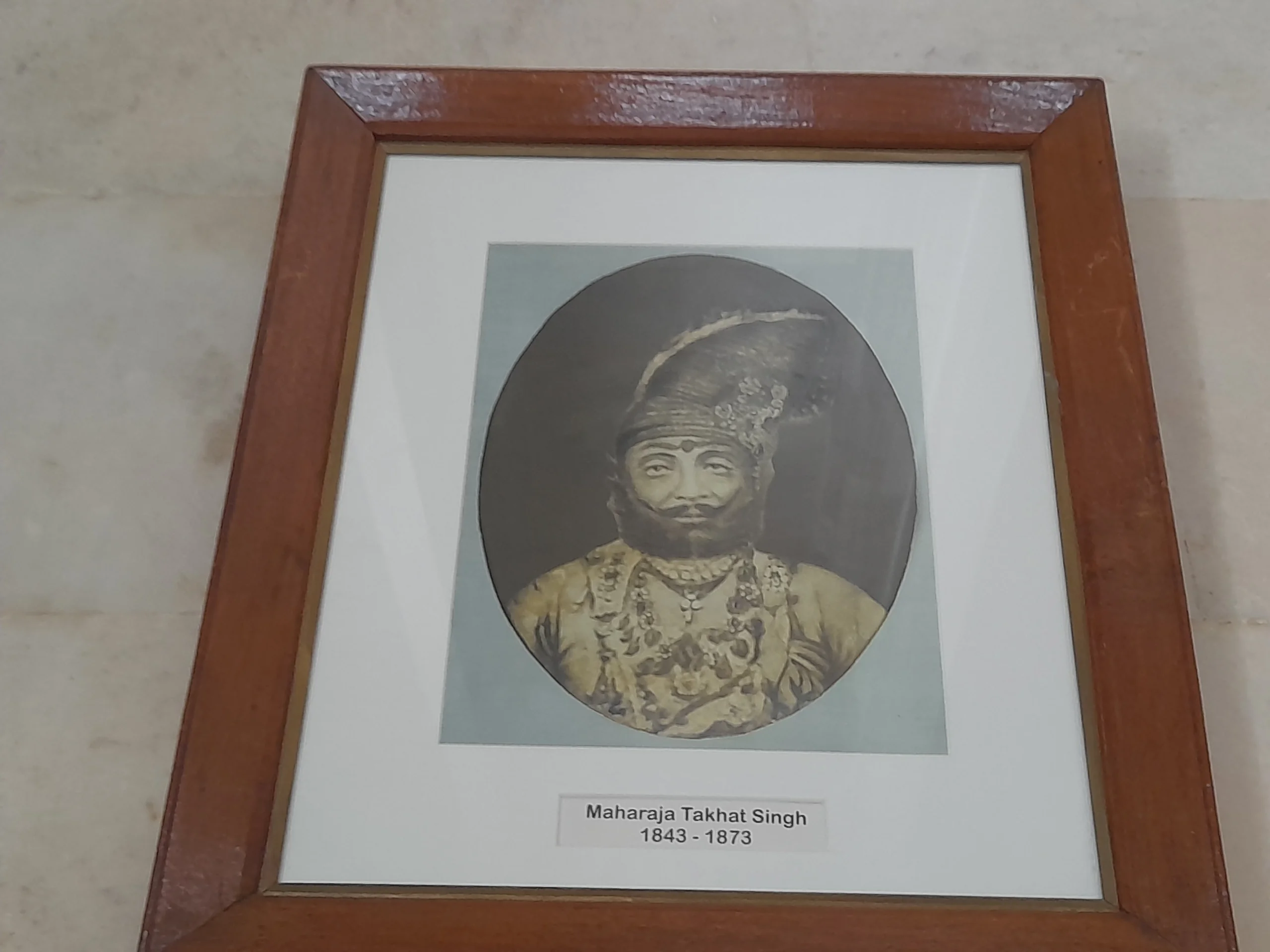
Several cultural traditions closely associated with Jodhpur, including its distinctive turban-tying style, its spicy laal maas cuisine, and its folk music traditions, are properly understood as Marwar regional traditions rather than being unique to the city itself, shared to varying degrees across the wider historical Marwar territory. Marwar’s cultural practices, from specific wedding customs to distinctive folk music forms like Manganiyar and Langa musical traditions, differ meaningfully from those of neighboring Rajasthani regions like Mewar around Udaipur, giving Jodhpur and its surrounding territory a distinct cultural identity within the broader state.
Marwar’s Integration into Modern Rajasthan
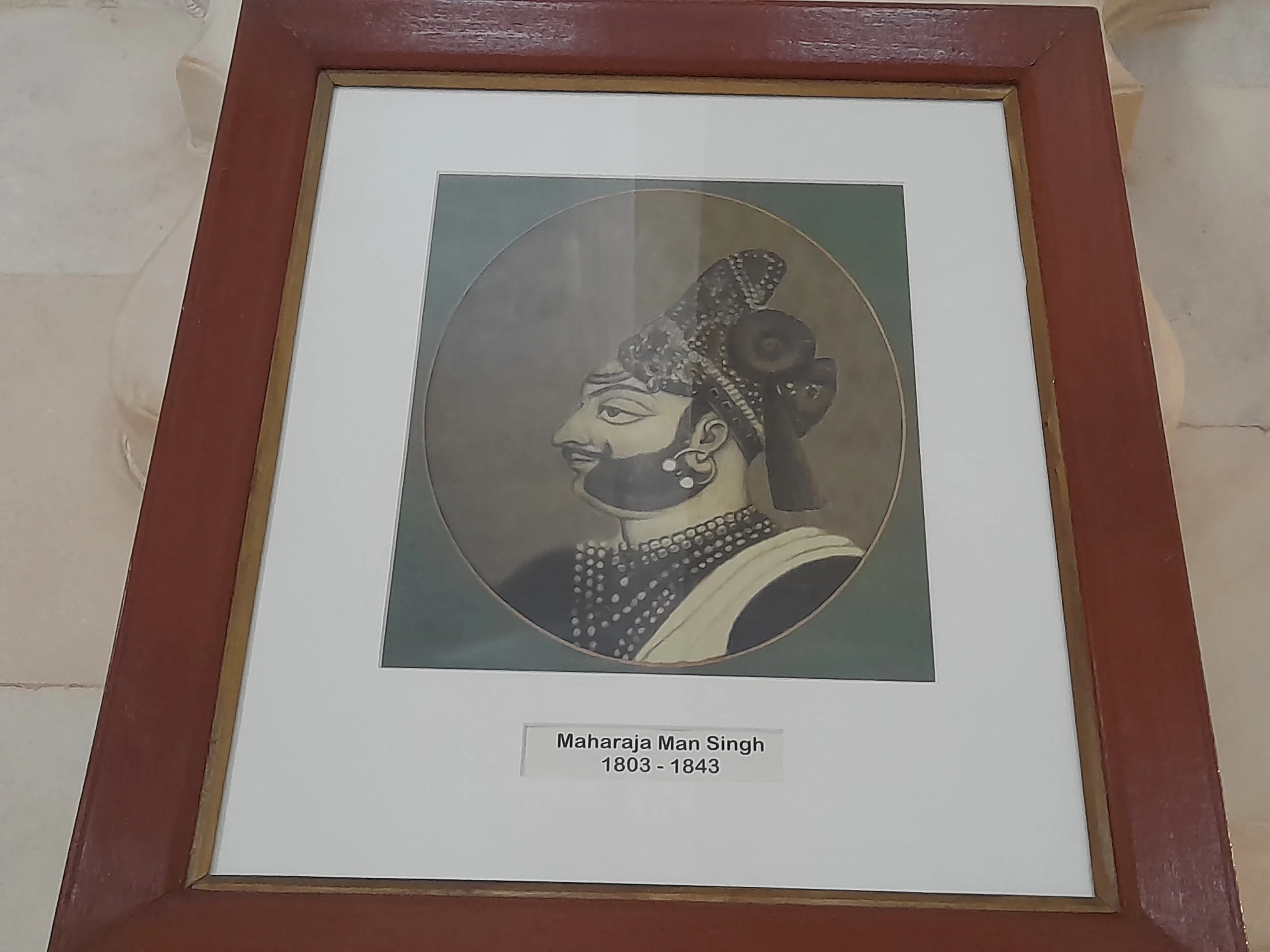
Following India’s independence, Marwar was integrated into the newly formed state of Rajasthan alongside the other former princely states, and while the formal kingdom no longer exists as a political entity, the term Marwar remains in everyday use to describe the region’s distinct cultural and historical identity, including in tourism branding and academic contexts.
Visiting Sites Connected to Marwar’s Wider History
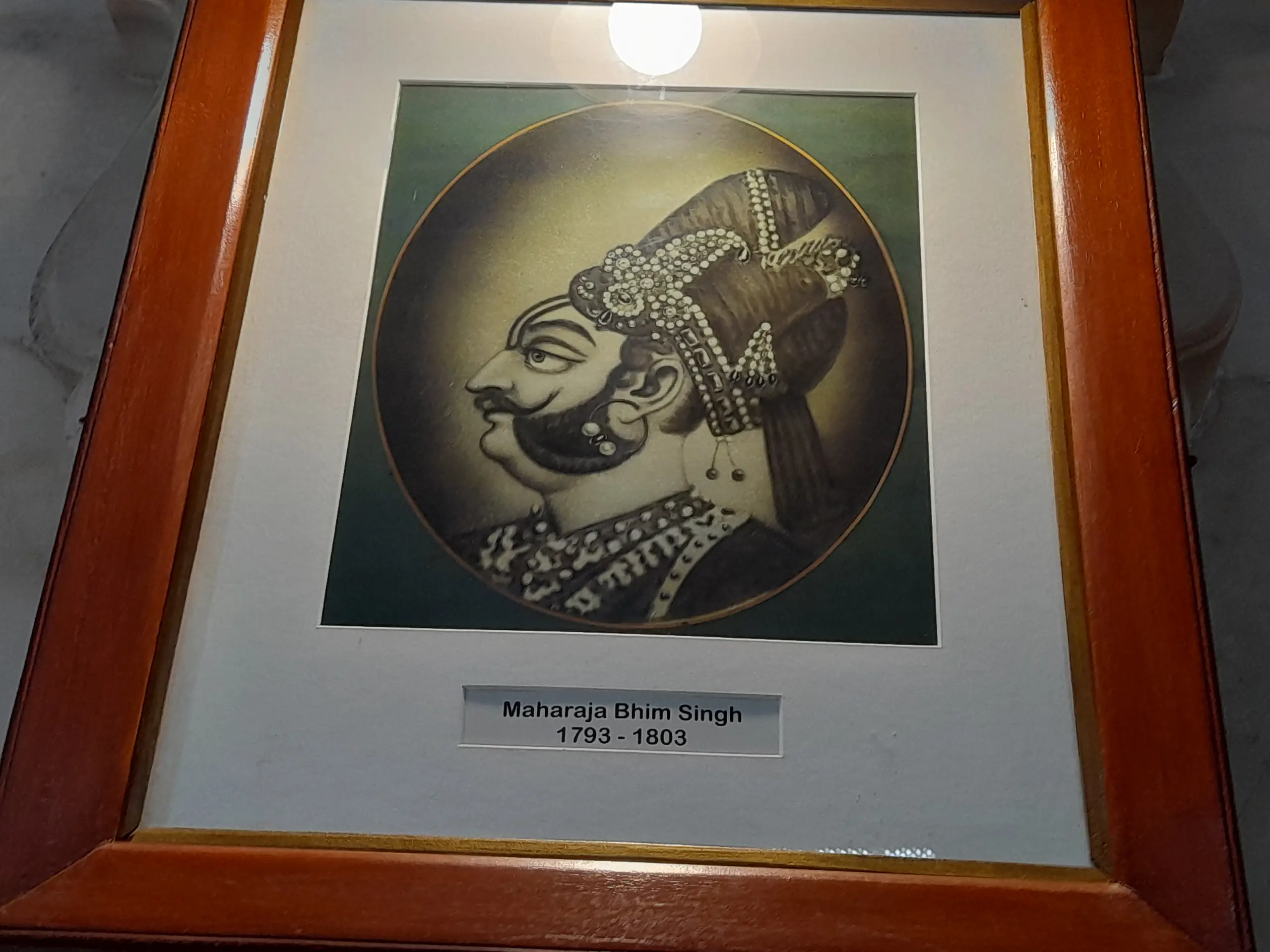
Beyond central Jodhpur, several nearby towns including Nagaur, with its own significant fort, and Pali offer additional context on Marwar’s wider historical territory, making worthwhile day-trip additions for travelers with a deeper interest in the region’s history beyond the city limits. Understanding Jodhpur through this broader Marwar lens, rather than as an isolated city, helps explain why so much of its food, music, and craft tradition connects directly to a wider regional identity extending well past the city’s own boundaries into the surrounding desert districts.
FAQ
What was the Marwar Kingdom’s capital before Jodhpur?
Mandore served as the capital before Rao Jodha founded Jodhpur in 1459.
How long did the Rathore dynasty rule Marwar?
The Rathore dynasty ruled Marwar for several centuries, continuing influence into modern Jodhpur.
Is the royal family still connected to Jodhpur today?
Yes, the royal family maintains a presence, including at Umaid Bhawan Palace.
What historical sites reflect Marwar’s legacy?
Mehrangarh Fort, Mandore Gardens, and Umaid Bhawan Palace all reflect Marwar’s royal history.
How can visitors learn more about Marwar’s history?
Fort museums and guided heritage tours provide detailed context on the kingdom’s history.