Jodhpur’s Local Culture: Traditions, Customs & Everyday Life
Beyond its forts and palaces, Jodhpur’s everyday local culture offers travelers a rewarding dimension to explore, from the rhythms of daily life in the old city’s narrow lanes to enduring customs around hospitality, dress, and community that have persisted through centuries of change. Spending time observing and engaging with this everyday culture, rather than moving strictly between ticketed monuments, often becomes one of the more memorable parts of a Jodhpur visit for travelers willing to slow down.
Daily Life and Rhythms in the Old City
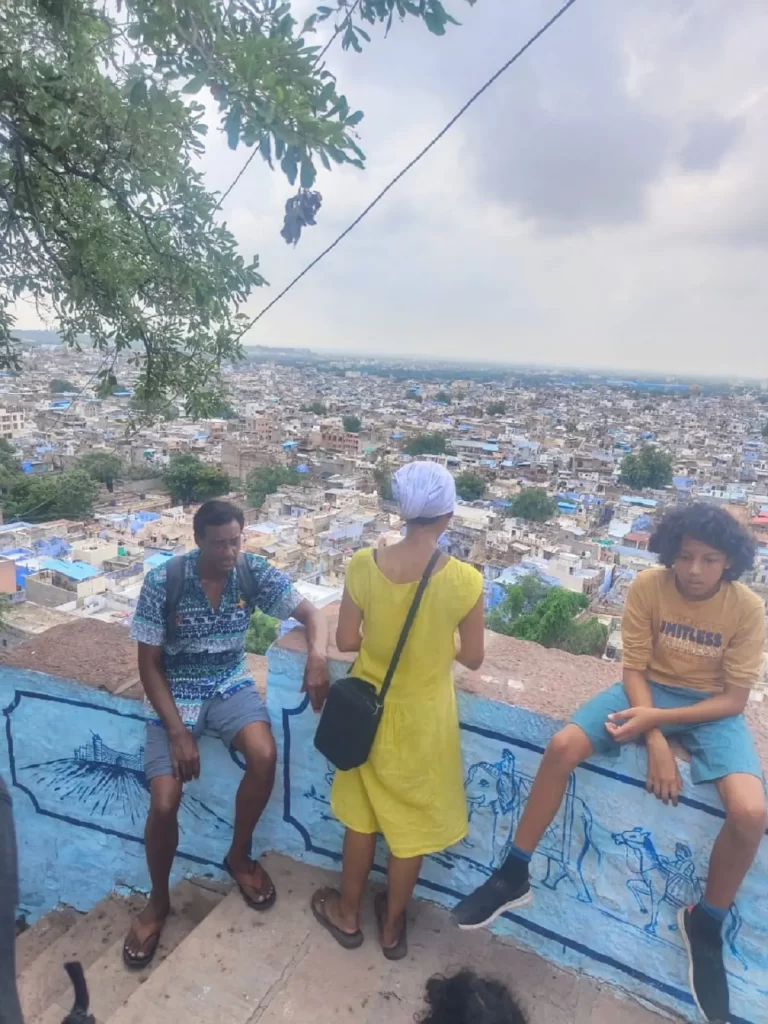
Jodhpur’s old city remains a lived-in space, with residents going about daily routines of shopping, worship, and socializing in the same narrow blue-washed lanes that draw photographers from around the world. Life here follows a rhythm shaped by both climate and tradition, with shops and markets typically opening later in the morning to avoid the coolest working hours being wasted, then staying open well into the evening once the day’s heat has eased, particularly during the hotter months. Simply walking through these neighborhoods at a relaxed pace, particularly in the morning as shops open and residents begin their day, offers an authentic window into local life.
Hospitality Traditions
Rajasthani hospitality traditions run deep in Jodhpur, reflected in the phrase ‘Padharo Mhare Desh,’ meaning ‘welcome to my land,’ a sentiment travelers frequently encounter in warmth from shopkeepers, homestay hosts, and locals throughout the city, extending well beyond the formal tourism industry into everyday interactions. These traditions are rooted partly in the region’s Marwari trading culture, which places strong emphasis on welcoming guests generously — a custom visitors frequently encounter through unexpectedly warm interactions with shopkeepers, homestay hosts, and even casual street-level exchanges across the city.
Traditional Dress and Everyday Attire
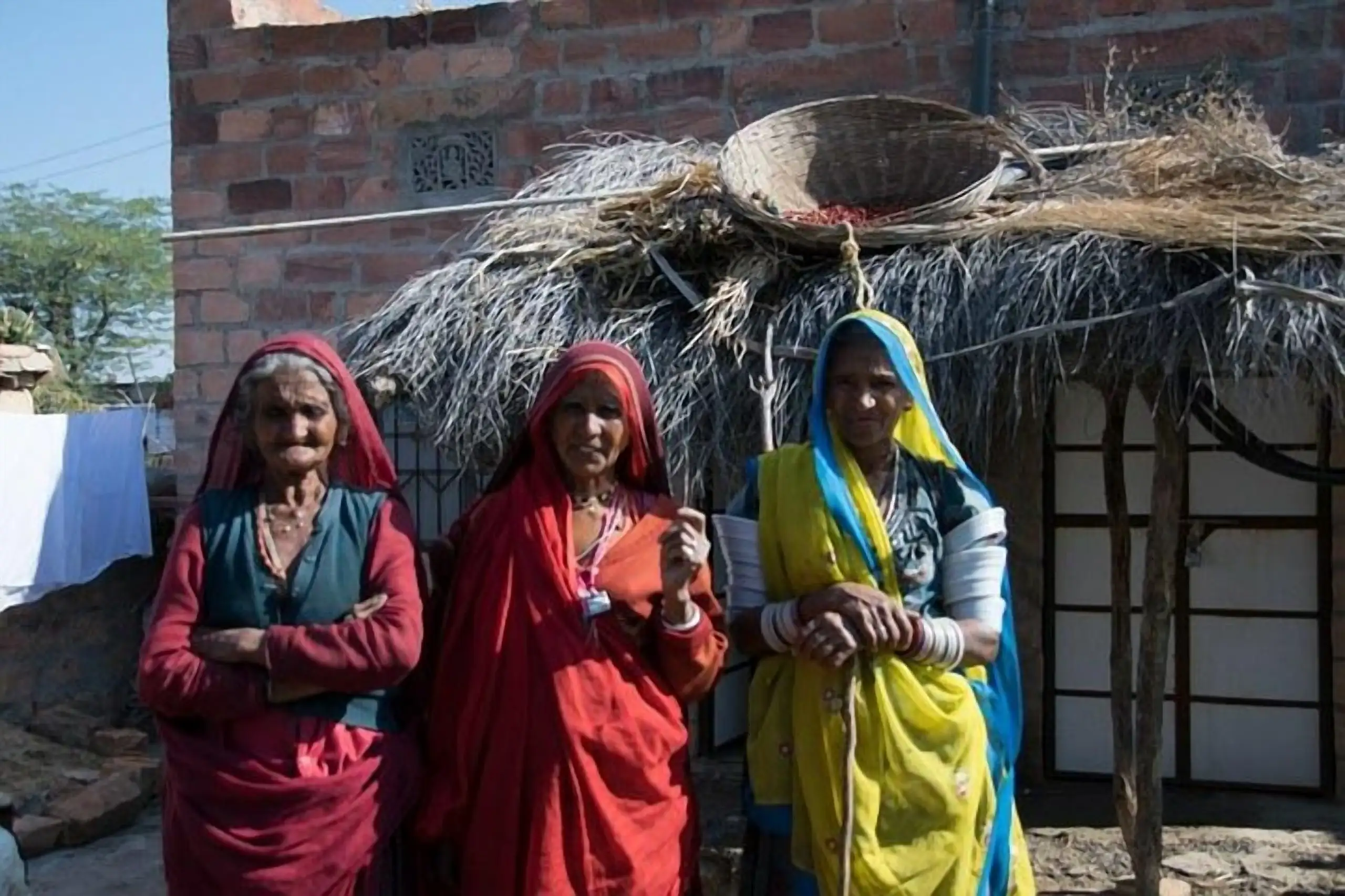
While Western clothing is common in Jodhpur today, particularly among younger residents, traditional attire including colorful turbans for men and vibrant ghagra-choli outfits for women remains visible in daily life, especially among older generations and in rural areas, and is worn widely by all ages during festivals and family celebrations.
Local Customs Around Food and Sharing
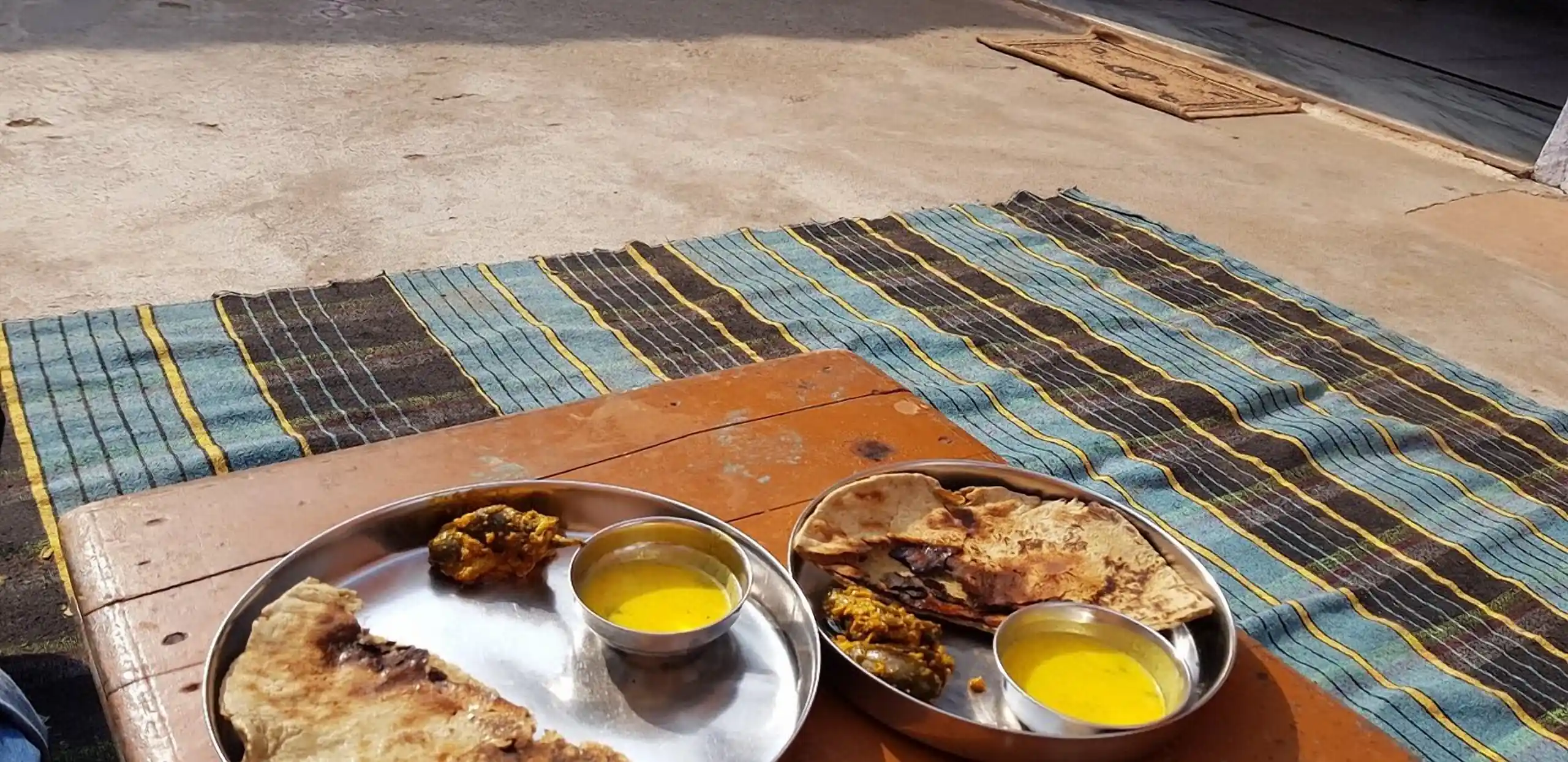
Food plays a central role in Jodhpur’s social customs, with communal eating, generous hospitality toward guests, and specific customs around sharing meals reflecting broader Rajasthani values around community and generosity — something travelers invited into a local home for a meal often remark on as a particularly memorable cultural experience.
Religious Practices and Everyday Worship
Small temples and shrines are woven throughout Jodhpur’s old city, with daily worship rituals, morning offerings, and periodic community festivals forming a visible, ongoing part of local life. Many households maintain home shrines alongside regular visits to larger temples, a religious rhythm that continues regardless of the tourism activity happening around it, and visitors are generally welcome to observe these practices respectfully from a polite distance without needing to participate directly.
Local Markets as Cultural Hubs
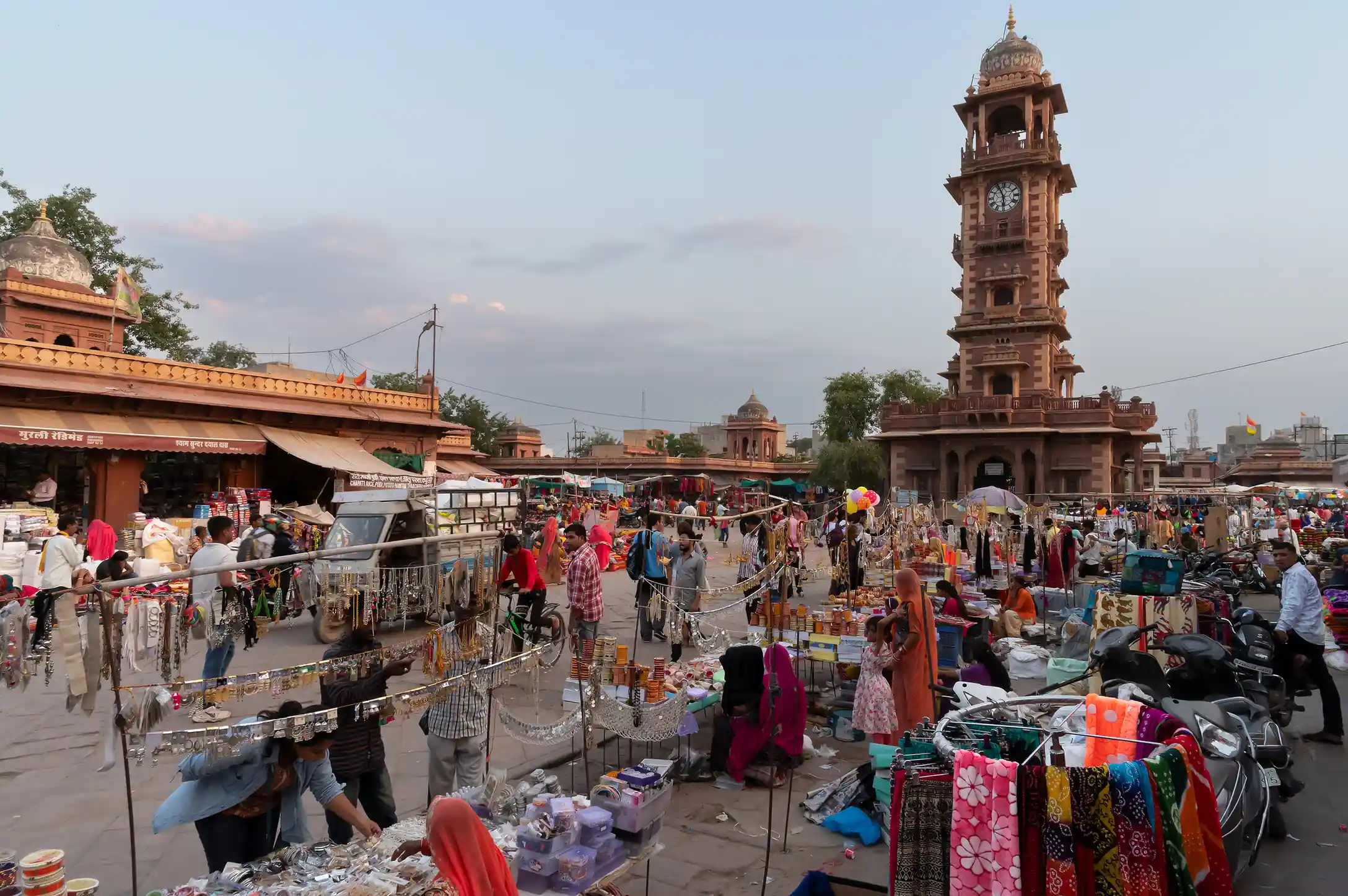
Beyond their commercial function, Jodhpur’s markets, including Sardar Market and the areas around the Clock Tower, serve as real social hubs where much of the city’s everyday cultural life plays out, from casual conversation between shopkeepers and customers to the informal exchange of local news.
Family Structure and Community Bonds
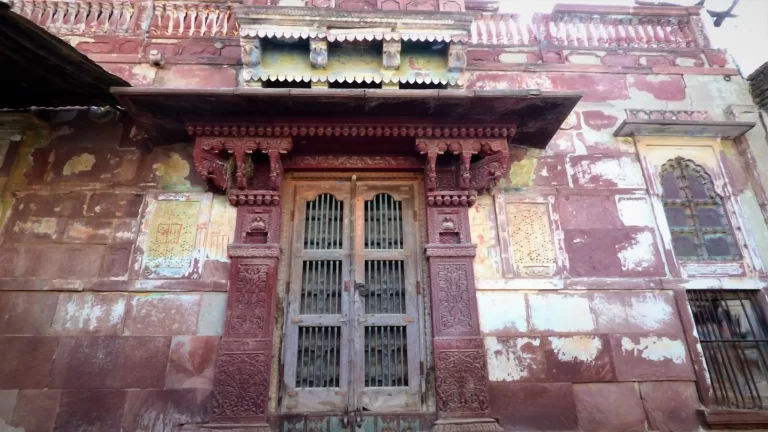
Extended family living arrangements and strong community bonds remain common in Jodhpur, particularly within the old city’s traditional haveli-style homes, where multiple generations often share a single household. This structure continues to shape everything from daily meal preparation and shared household responsibilities to festival celebration, with events like weddings drawing in wide networks of extended family and neighbors.
Craft Traditions and Artisan Neighborhoods
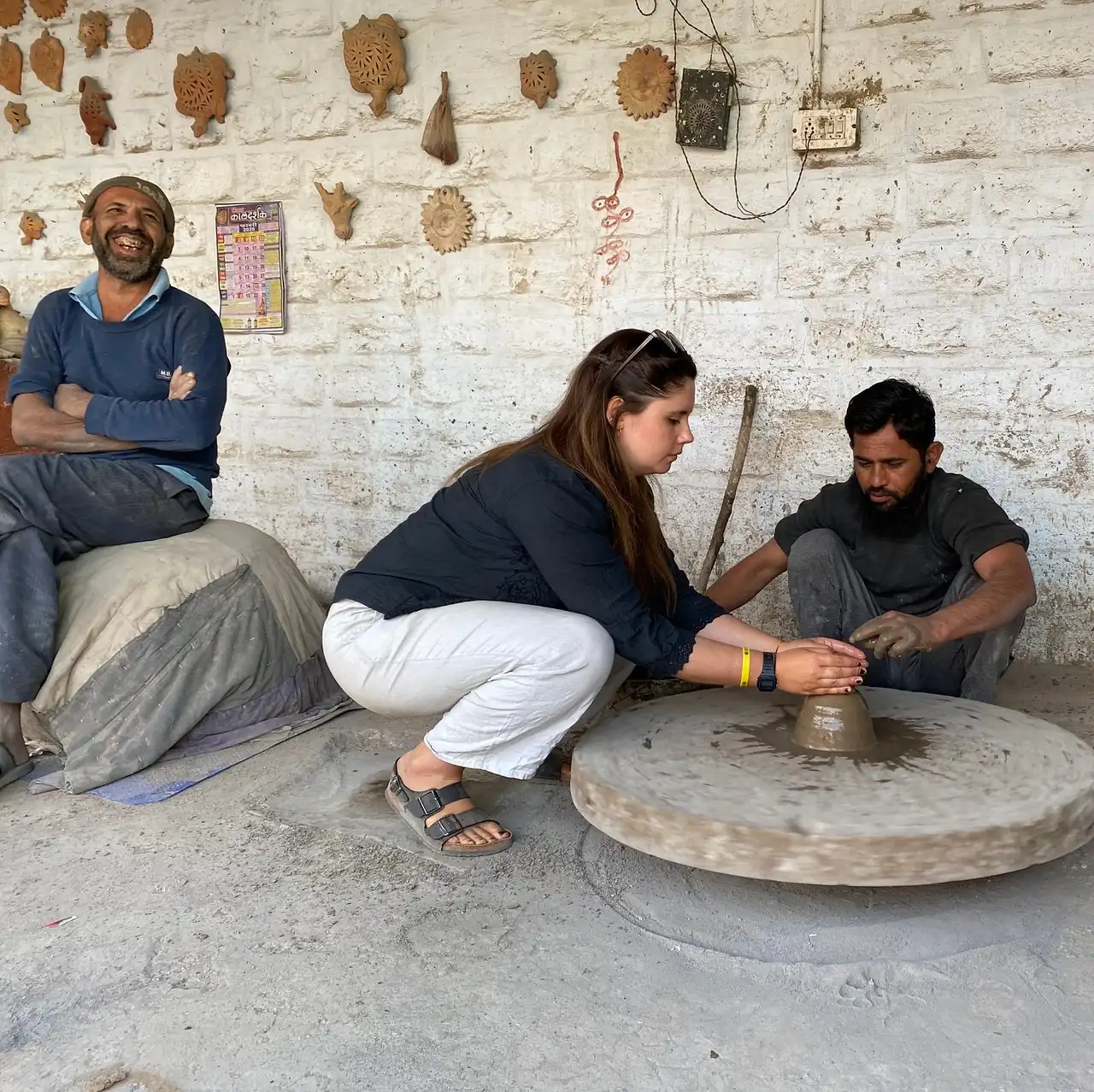
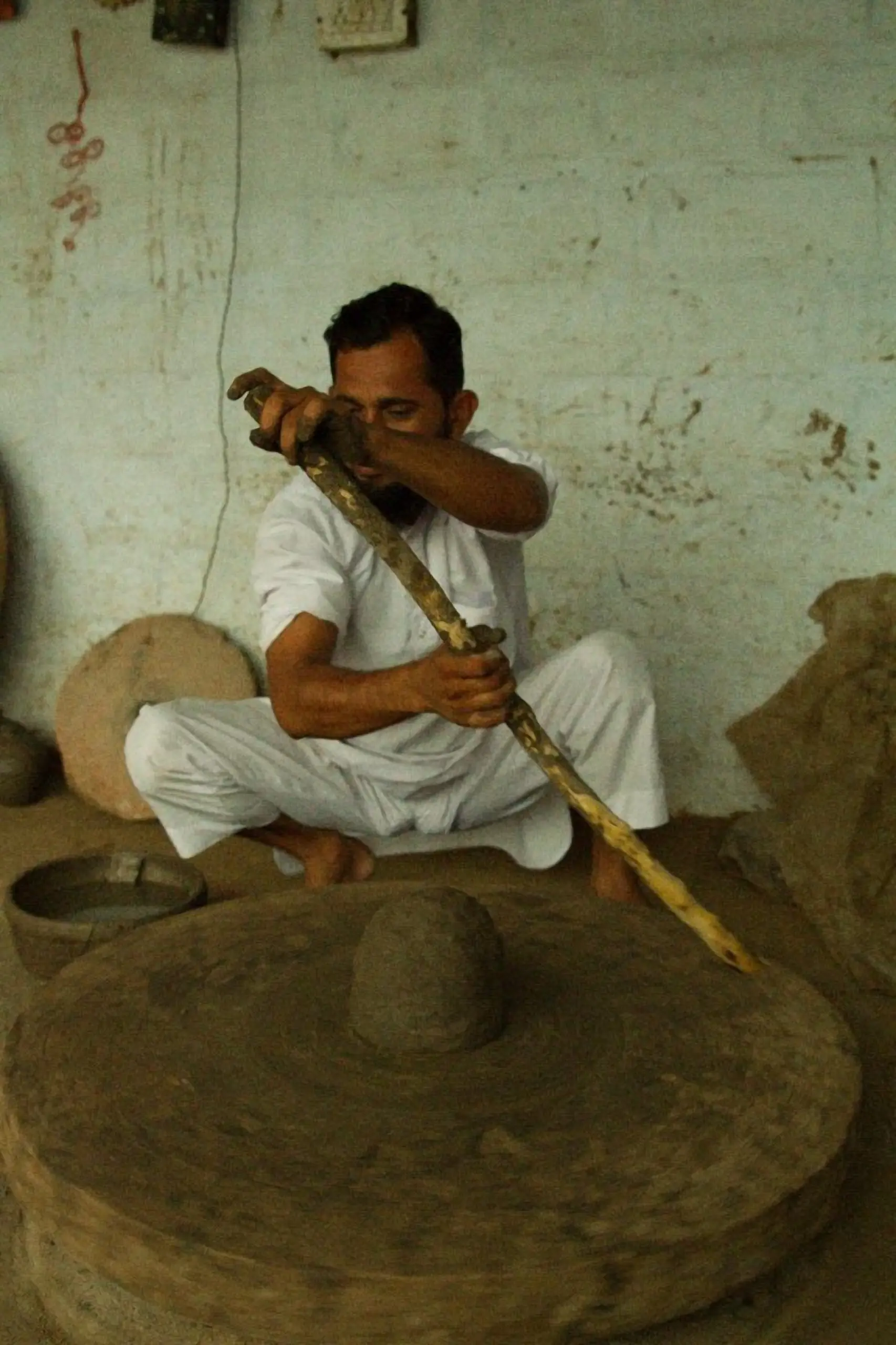
Traditional crafts including block printing, leatherwork, and metal engraving continue to be practiced by artisan families in Jodhpur, often passed down through generations, and certain neighborhoods within the old city remain associated with specific traditional trades, including areas known for dyeing, embroidery, or metalwork. Visiting a working craft workshop, or simply wandering through these working neighborhoods even without buying anything, offers a more intimate cultural experience than purchasing finished goods in a shop, and real insight into the artisan culture that continues to sustain much of the old city’s economy alongside tourism.
Wedding Traditions and Community Celebration
Rajasthani weddings in and around Jodhpur remain elaborate, multi-day community celebrations involving extensive ritual, music, and feasting. Travelers who happen to encounter a wedding procession, often accompanied by a marching band and a festively decorated horse or vehicle, are witnessing one of the most vivid living expressions of local culture available during a visit, distinct from anything found in museums or monuments.
The Role of Music in Everyday Life
Folk music remains woven into everyday life in Jodhpur beyond formal festival performances, with musicians from traditional performer communities sometimes encountered informally in markets or at family celebrations, carrying forward oral musical traditions passed down through generations within specific hereditary performing communities historically associated with Marwar’s courts.
Attitudes Toward Tourism Among Local Residents
Jodhpur’s residents have generally developed a welcoming, accustomed relationship with the steady flow of domestic and international visitors the city receives, particularly within the old city and areas surrounding Mehrangarh Fort. Respectful behavior and awareness that these remain real, lived-in residential neighborhoods rather than a tourist stage set is appreciated by locals. Observing rather than only photographing everyday rhythms — a shopkeeper opening for the day, a family gathering for evening tea — gives visitors a fuller sense of Jodhpur beyond its monuments, and traveling with some awareness of these customs generally leads to warmer, more genuine local interactions.
FAQ
What are everyday customs like in Jodhpur?
A mix of traditional Rajasthani hospitality, religious observance, and close-knit community life.
How is local culture different from tourist-facing Jodhpur?
Away from the fort and markets, daily life follows quieter, more traditional rhythms and customs.
Can visitors experience local culture directly?
Yes, through markets, community events, and respectful interaction with local residents.
What role does religion play in daily life?
Religion shapes much of daily routine, from temple visits to festival observance throughout the year.
Is it easy for visitors to understand local customs?
With some basic awareness and respect, most customs are easy for visitors to navigate.