Guda Bishnoi Lake Jodhpur: Wildlife, Birding & Village Life
Guda Bishnoi Lake, a seasonal wetland roughly twenty-five kilometres from Jodhpur, offers travellers a distinctly peaceful nature escape combining birdwatching, desert scenery, and glimpses of traditional Bishnoi village life within a comfortable half-day excursion from the city. Surrounded by the same Bishnoi communities known for their strong conservation ethic, the lake and its surroundings support a healthy population of birdlife and other wildlife, making it a popular stop on most Jodhpur wildlife safari itineraries.
A Seasonal Desert Wetland
Guda Bishnoi Lake, a shallow seasonal wetland surrounded by Bishnoi villages roughly twenty-five kilometres from Jodhpur, transforms dramatically between seasons, filling substantially after monsoon rains and shrinking during the drier months, a cycle that directly shapes the birdlife and wider wildlife activity found here throughout the year. As a seasonal wetland, water levels fluctuate depending on rainfall, with the lake generally fuller following the monsoon season and potentially reduced during drier periods, which can affect the specific birdlife present at any given time.
Birdlife at Guda Bishnoi Lake
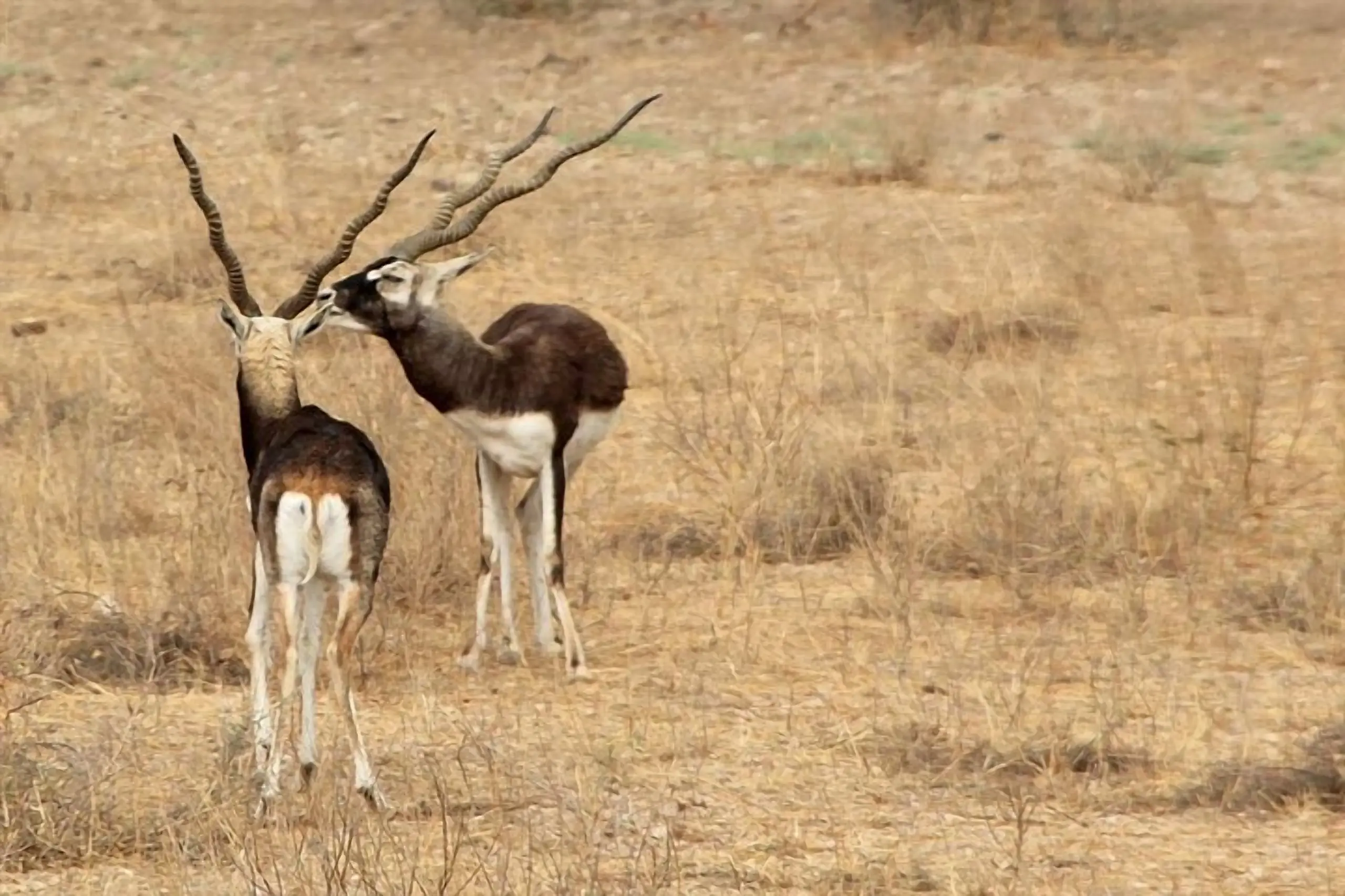
The lake attracts a range of resident and migratory bird species, with numbers and variety peaking during the winter months when birds migrating from as far as Central Asia pass through or settle temporarily, offering birdwatchers a worthwhile opportunity to spot species not typically found within Jodhpur city itself. Early morning visits with binoculars are especially rewarding, since that’s when both bird activity and visibility tend to be at their best.
Best Time to Visit for Birdwatching
Early morning offers the best birdwatching conditions at Guda Bishnoi Lake, both for the cooler temperatures and for bird activity levels, which tend to be highest shortly after sunrise before the day’s heat sets in, particularly during the winter peak migratory season. Winter overall remains the strongest window for a visit, when migratory numbers are at their fullest.
Blackbuck and Chinkara Near the Lake
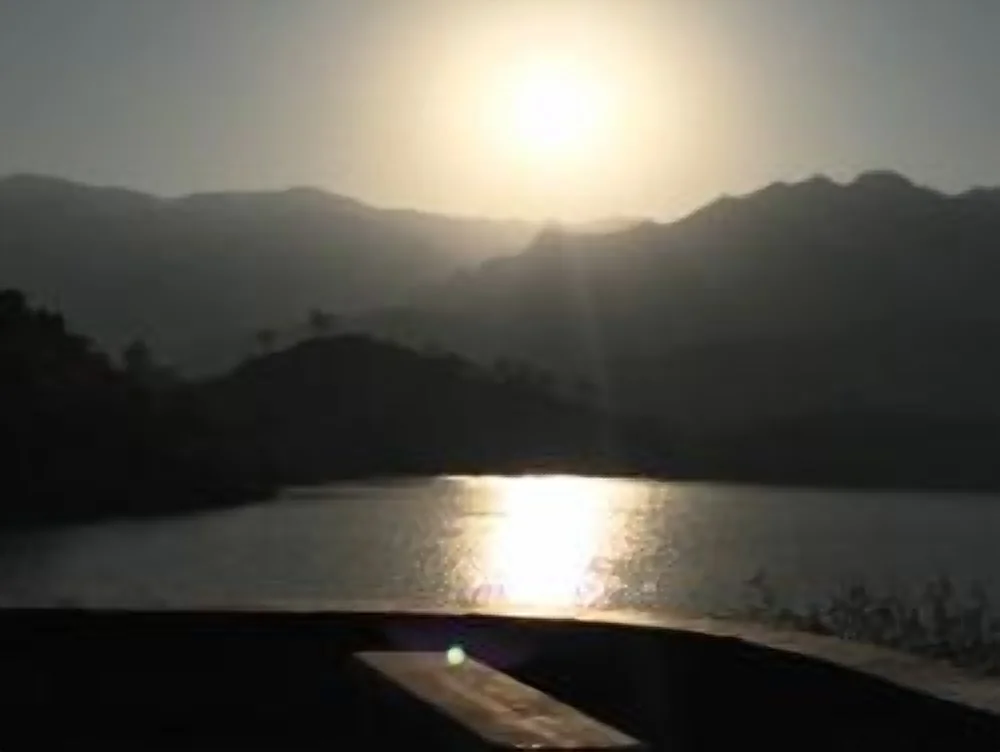
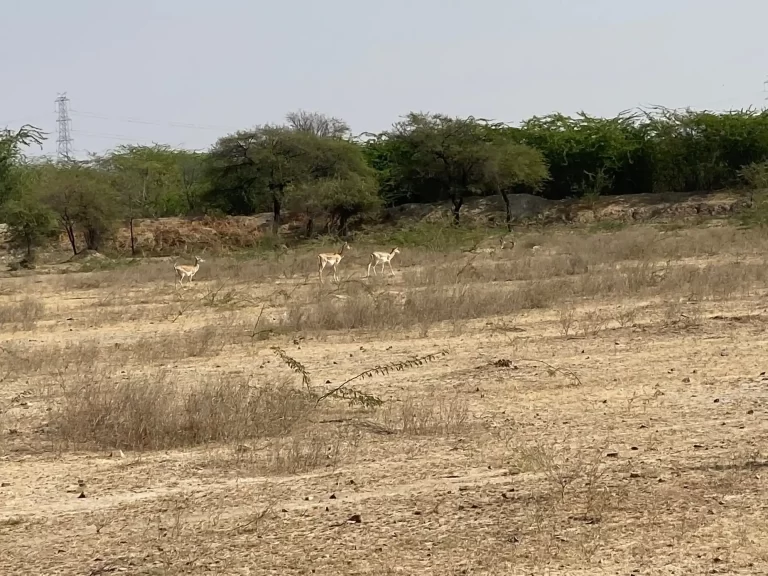
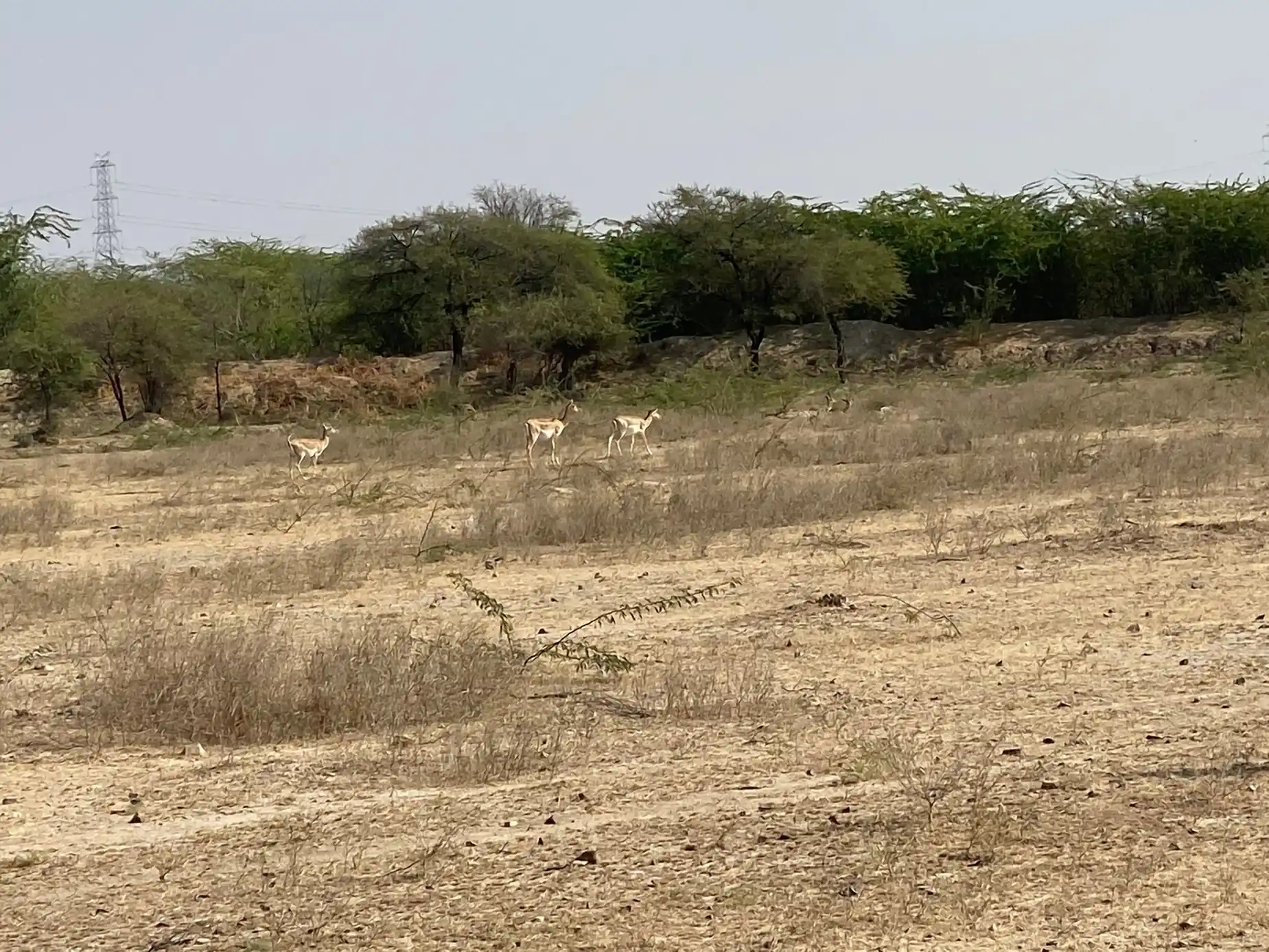
Beyond its birdlife, the area around Guda Bishnoi Lake also supports blackbuck and chinkara antelope populations, protected by the same Bishnoi community ethic that shapes wildlife conservation throughout the wider region, giving visitors a good chance to combine mammal and bird sightings in a single visit.
Village Life Around the Lake
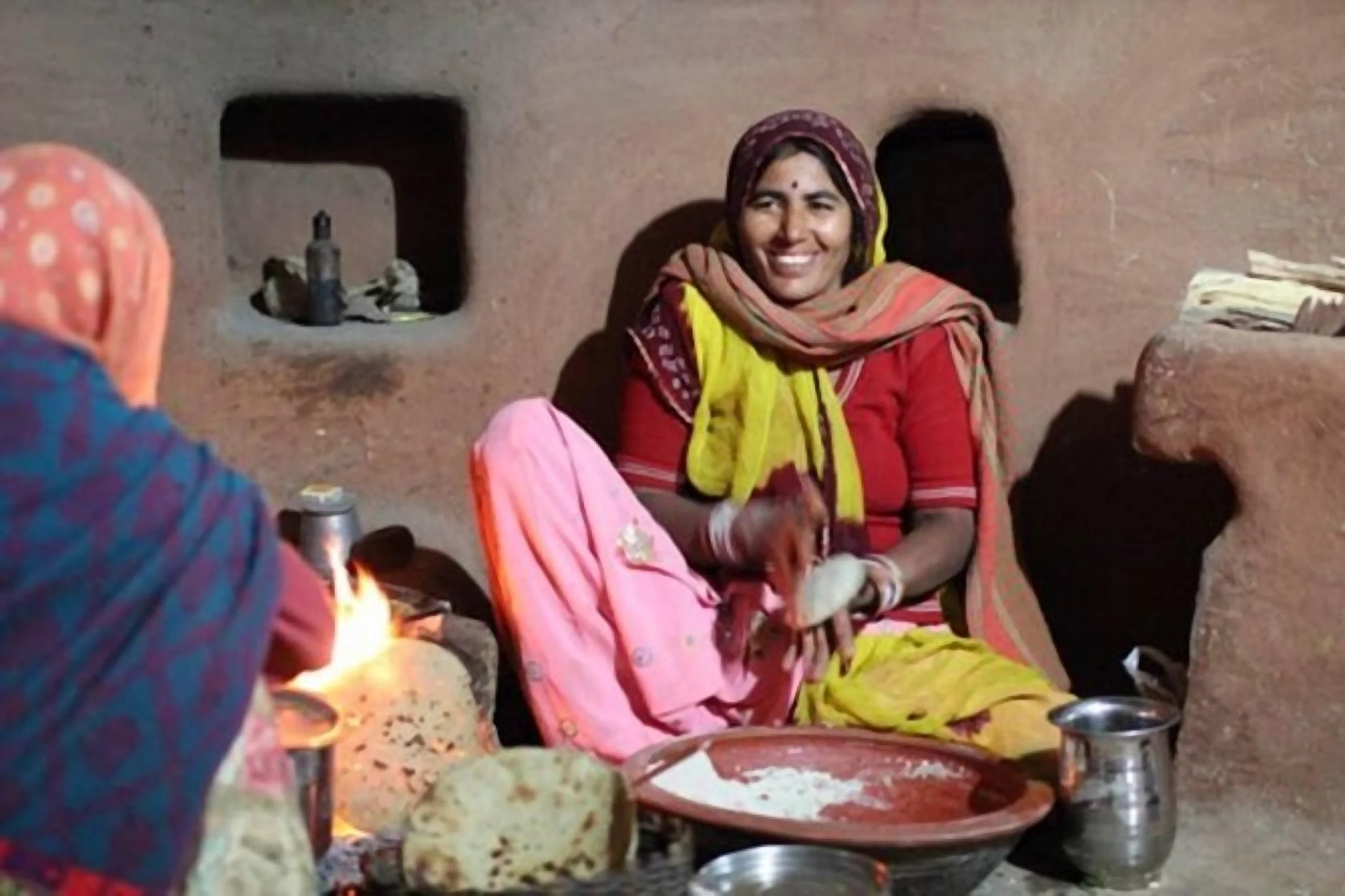
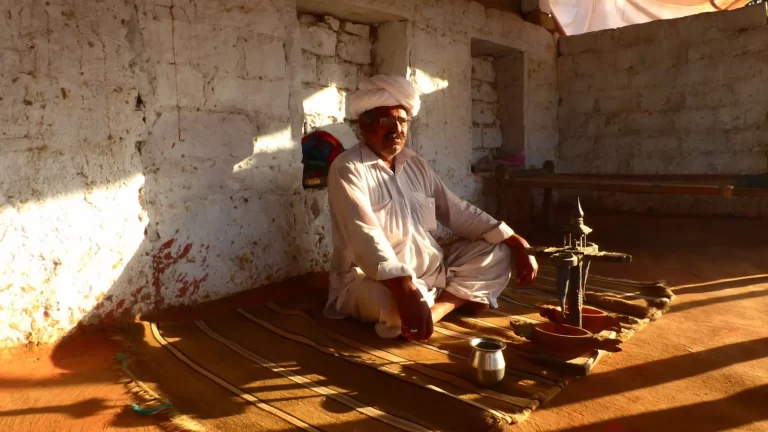
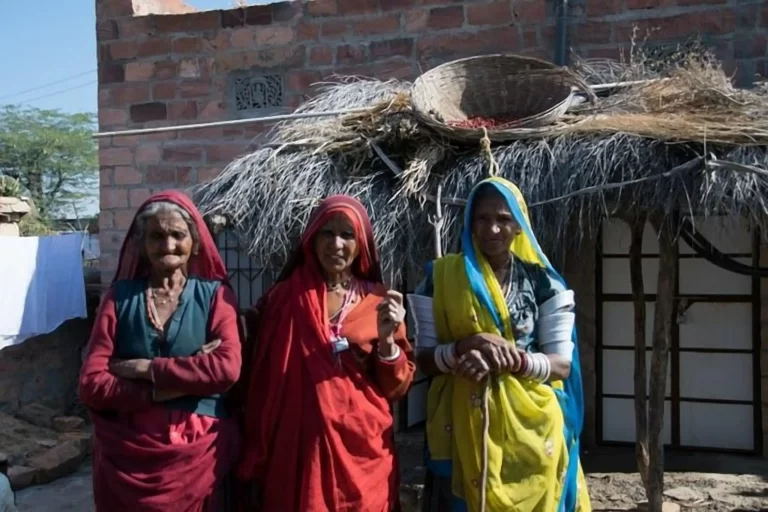
The Bishnoi villages surrounding Guda Bishnoi Lake offer visitors a genuine window into rural desert life and the community’s distinctive conservation-focused relationship with the surrounding wildlife, often combined with a stop at a village home for traditional hospitality. Several villages sit close enough to the lake that a single safari stop can naturally combine birdwatching at the water’s edge with a brief walk or visit into the adjacent village, giving travellers an efficient way to experience both the natural and cultural dimensions of the area without needing separate dedicated excursions.
Combining the Lake with a Broader Safari
Guda Bishnoi Lake is typically visited as part of a broader jeep safari itinerary that also includes Bishnoi village stops and sometimes Osian’s temples, rather than as a standalone destination, given its distance from central Jodhpur and the efficiency of combining several nearby attractions into a single outing.
Combining Guda Bishnoi Lake with Osian
Given Osian’s location roughly sixty-five kilometres and about ninety minutes further from Jodhpur along a similar route, some full-day itineraries combine Guda Bishnoi Lake with Osian’s ancient temples, allowing travellers to cover wildlife, birdwatching, and archaeology in a single well-planned day trip rather than requiring separate excursions.
Photography at Guda Bishnoi Lake
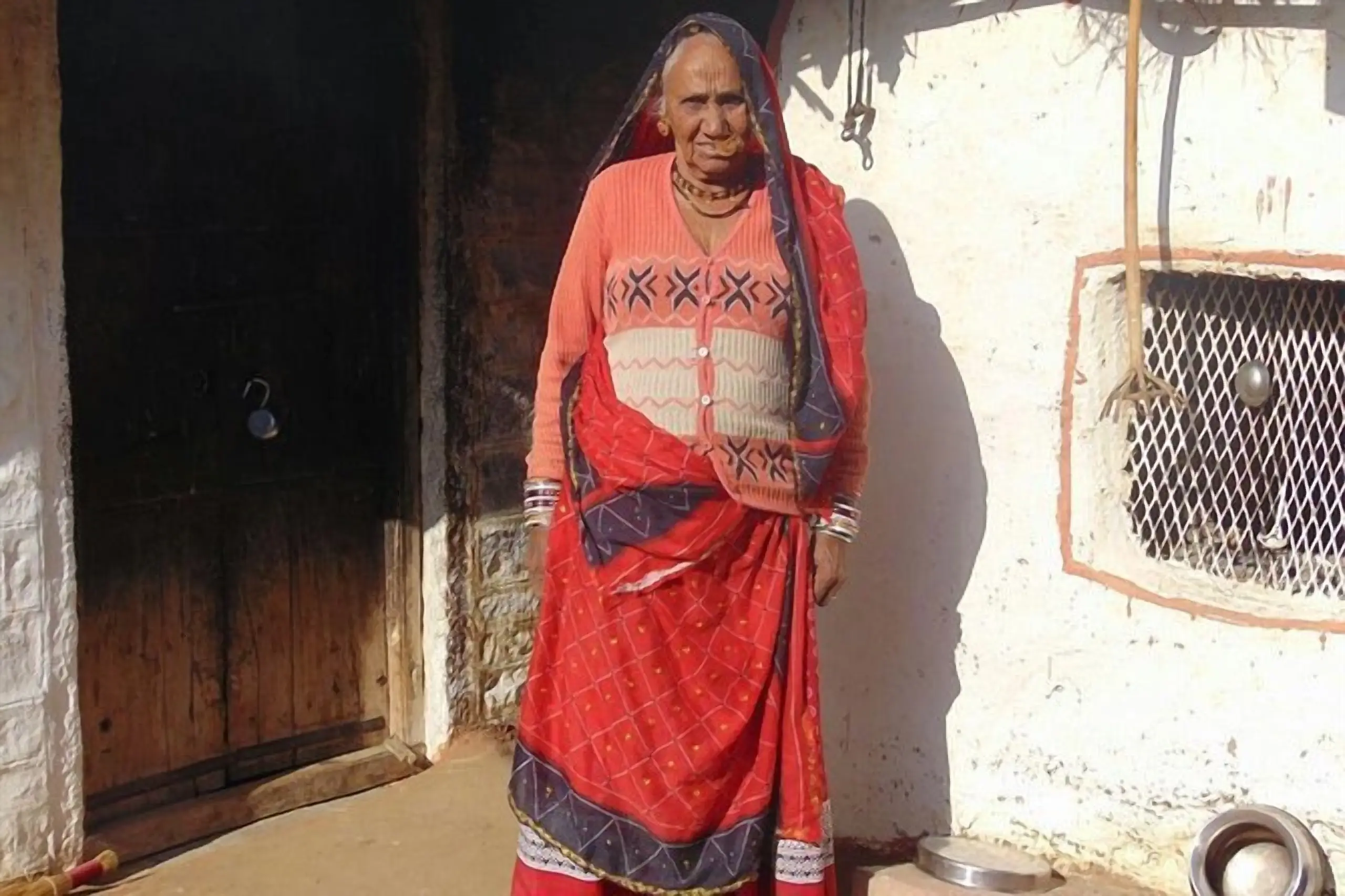
The combination of water, desert scrubland, and varied birdlife makes Guda Bishnoi Lake a rewarding location for nature photography, with early morning light offering particularly good conditions for capturing both the landscape and its resident and migratory bird populations.
How long does a visit to Guda Bishnoi Lake typically take?
As part of a broader safari itinerary, the lake stop typically takes thirty minutes to an hour, though dedicated birdwatchers may want to allow more time, particularly during peak migratory season when bird activity and variety are at their highest.
Do I need binoculars for birdwatching at Guda Bishnoi Lake, or are birds visible without them?
While some birds can be observed without equipment, bringing binoculars significantly enhances the birdwatching experience, particularly for identifying smaller or more distant species across the lake’s open water and surrounding scrubland.
Guda Bishnoi Lake and Water Conservation
The lake’s continued health reflects broader Bishnoi water conservation practices, honed over centuries of adaptation to the desert environment; local guides can often speak to specific water management practices historically used around the lake, offering visitors a more complete picture of how the Bishnoi community’s approach to natural resources has shaped this particular landscape over generations.
Getting There and Practical Tips
Guda Bishnoi Lake is generally reached as part of an organised jeep safari from Jodhpur rather than as an independent drive, given the local knowledge needed to navigate the village roads and time visits well. Viewing is generally possible from the vehicle or its immediate surroundings, making the lake relatively accessible compared to nature sites requiring extended walking or hiking to reach viewing areas.
What time of day has the most bird activity at the lake?
Early morning, shortly after sunrise, consistently offers the highest bird activity levels, both for feeding behaviour and general visibility, before temperatures rise and activity naturally decreases through the middle of the day.
Is Guda Bishnoi Lake accessible for visitors with mobility limitations?
Viewing is generally possible from the vehicle itself, making it relatively accessible compared to nature sites requiring extended walking or hiking to reach viewing areas, though checking with a specific operator about their vehicle and route is worthwhile for travellers with particular mobility needs.
Are there any facilities like restrooms or shade available at Guda Bishnoi Lake?
Facilities remain quite basic given the site’s relatively undeveloped, natural character, so travellers should plan accordingly, bringing water and using facilities before departing Jodhpur or at a village stop along the safari route.
Can serious birdwatchers expect to see rare species at Guda Bishnoi Lake?
While not a formally protected birding hotspot on the scale of major sanctuaries, the lake does attract a reasonable variety of species during peak migratory season, making it a worthwhile stop for casual birdwatchers, though dedicated rare-species seekers may want to research current sighting reports before setting specific expectations.
A visit to Guda Bishnoi Lake works best as part of a broader half-day or full-day wildlife safari rather than a standalone trip, combining birdwatching, antelope sightings, and a genuine glimpse of Bishnoi village life into one efficient outing. Going early, bringing binoculars, and keeping expectations realistic about facilities and rare-species odds are the simplest ways to get the most out of the visit.
FAQ
What makes Guda Bishnoi Lake worth visiting?
Its seasonal wildlife, birdwatching opportunities, and glimpse into local Bishnoi village life.
Is Guda Bishnoi Lake seasonal?
Yes, water levels vary seasonally, affecting the birdlife present at different times of year.
How far is Guda Bishnoi Lake from Jodhpur?
It sits roughly 30 to 40 minutes from central Jodhpur, suited to a half-day trip.
What birds can be seen at Guda Bishnoi Lake?
A range of resident and migratory waterbirds appear depending on the season.
Is a guide recommended for visiting Guda Bishnoi Lake?
A local guide helps with both navigation and identifying wildlife and bird species.