Jodhpur Photography Guide: Best Places to Photograph the Blue City
Jodhpur ranks among India’s most photogenic cities, and this Jodhpur photography guide covers the vantage points, timing, and practical considerations that separate a forgettable snapshot from one of the frame-filling Blue City shots the city is known for. The fort’s sandstone ramparts, the dazzling blue-washed lanes of the old city, and the sharp desert light together give photographers of every skill level an unusually rich set of subjects packed into a compact, walkable area — whether the camera in hand is a professional body or a phone.
Mehrangarh Fort: The Heart of Any Jodhpur Photography Guide
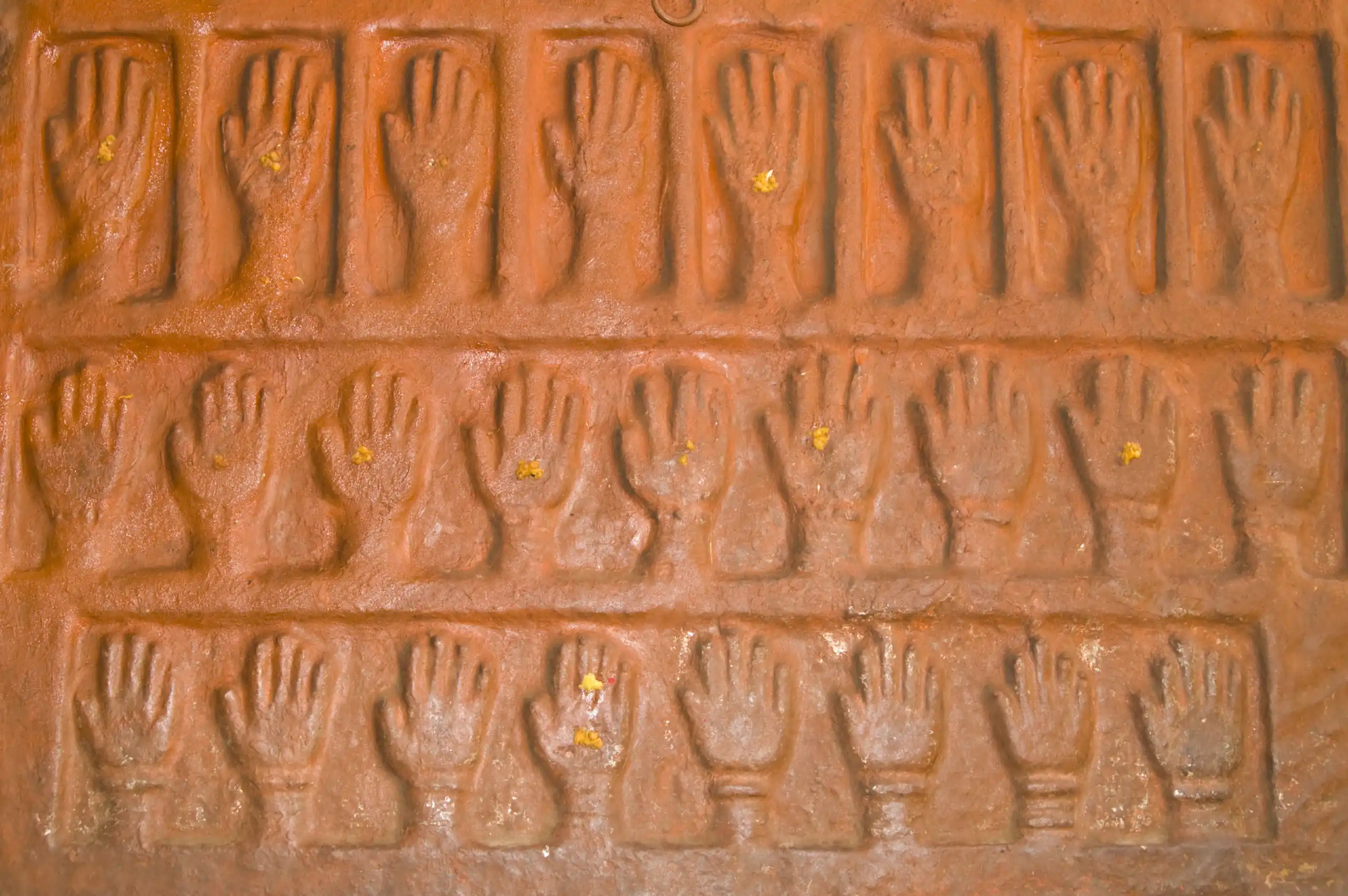
Mehrangarh Fort’s ramparts offer the single most iconic photograph in the city: sweeping views over the densely packed blue-washed old city below, the contrast between the sandstone fort walls and the sea of blue rooftops producing one of India’s most recognisable urban images. Inside the fort, the Shringar Chowk and Moti Mahal courtyards reward a slower look — carved stone screens and painted surfaces offer strong architectural subjects alongside the panoramic ramparts shot most visitors prioritize first.
Permits for Photography Inside the Fort
Standard still photography is covered by the regular entry ticket, though video cameras and professional equipment sometimes carry an additional fee — worth confirming current policy at the ticket counter before arriving with a full kit.
Tripods and Professional Equipment
Tripod use can be restricted in certain areas, particularly within the museum galleries, so anyone planning to bring substantial equipment should check current policy in advance rather than assume it will be permitted on arrival.
Drone Photography Rules
Drone use in Jodhpur falls under Indian aviation regulations as well as site-specific restrictions, particularly around Mehrangarh Fort and other heritage locations. Checking current rules and securing any necessary permissions well before travel is essential for anyone planning aerial shots — this is not an area to improvise on the day.
Rooftop Cafes and the Definitive Blue City Panorama
Jodhpur’s most iconic photograph pairs Mehrangarh Fort’s golden ramparts with the blue-washed old city spreading beneath it — and that shot is best captured not from the fort itself but from a rooftop vantage point elsewhere in the city, where buildings no longer obscure the fort’s full profile against the sky. Several old-city rooftop cafes cater specifically to this composition, some charging a small fee for rooftop access alone without requiring a food purchase — worth confirming before climbing up expecting free entry. Pairing the shot with a meal or a drink extends the shooting window naturally, and morning light before roughly 9 AM brings out the warmest tones in both the sandstone and the blue walls, while the flatter midday sun mutes the color contrast that makes this composition distinctive in the first place.
Jaswant Thada
Jaswant Thada, the white marble cenotaph below the fort, offers striking architecture in its own right as well as one of the best reverse views back toward Mehrangarh — two different compositions from a single stop. Its pale marble photographs strongly against Jodhpur’s typically clear winter skies, and the adjacent pond adds a reflection-based option on calm days.
The Blue City Streets
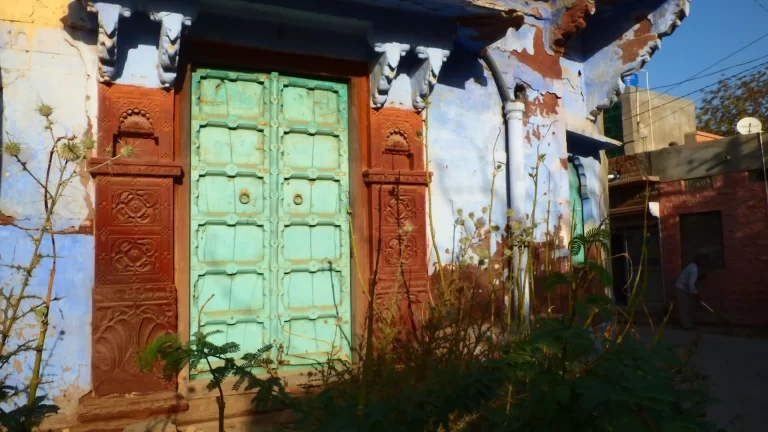
Beyond the postcard views, Jodhpur’s narrow residential lanes hold their own street-photography material — painted doorways, daily life, and the texture of the Blue City at ground level rather than from above. These lanes are best explored slowly and on foot, ideally in early morning before the heat and the day’s tourist traffic change the character of the streets.
Toorji Ka Jhalra
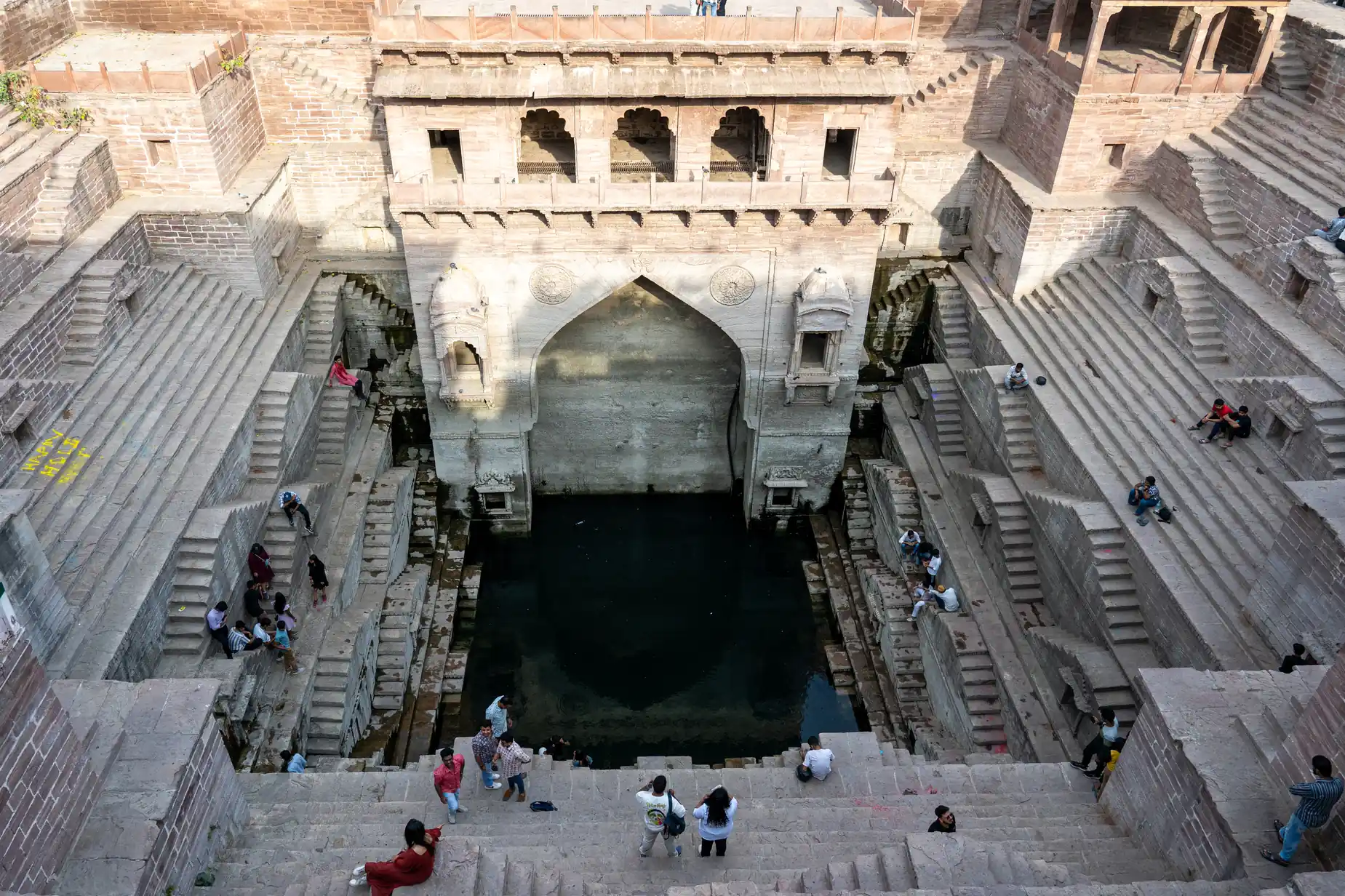
Toorji Ka Jhalra’s tiered descent into the stepwell creates one of Jodhpur’s most graphic photography subjects, its symmetrical steps forming strong geometric lines when shot from above. The surrounding cafes offer elevated vantage points that capture both the stepwell’s structure and the lively neighbourhood around it in a single frame.
Sardar Market and the Clock Tower
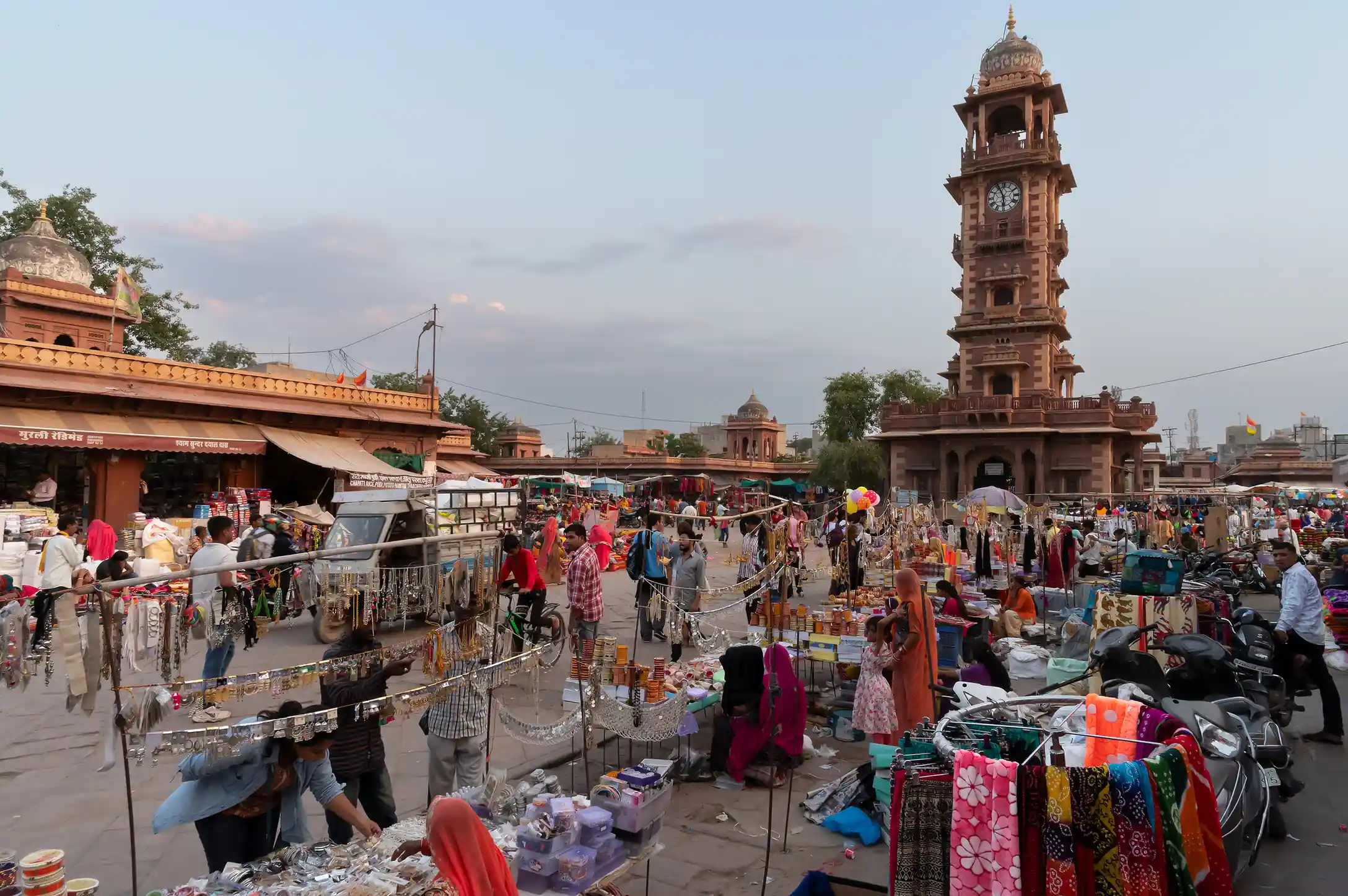
The Clock Tower and the surrounding Sardar Market offer a different photographic register entirely from the quieter monuments — dense with color, movement, and everyday commerce, and better suited to a candid, observational approach than a composed one. Early evening tends to be the liveliest and best-lit stretch, as the market fills with both shoppers and vendors lighting their stalls for the evening trade.
Umaid Bhawan Palace
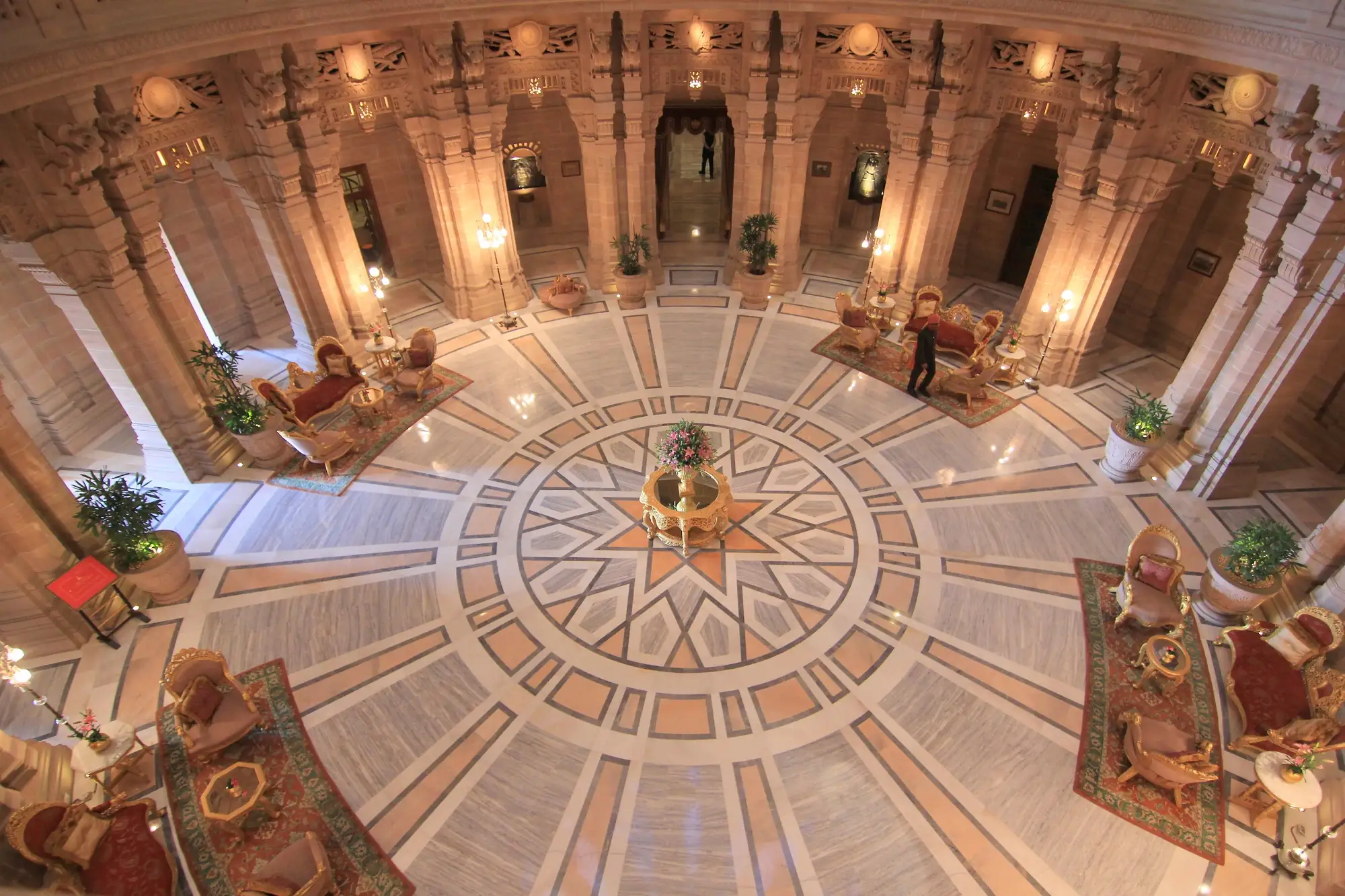
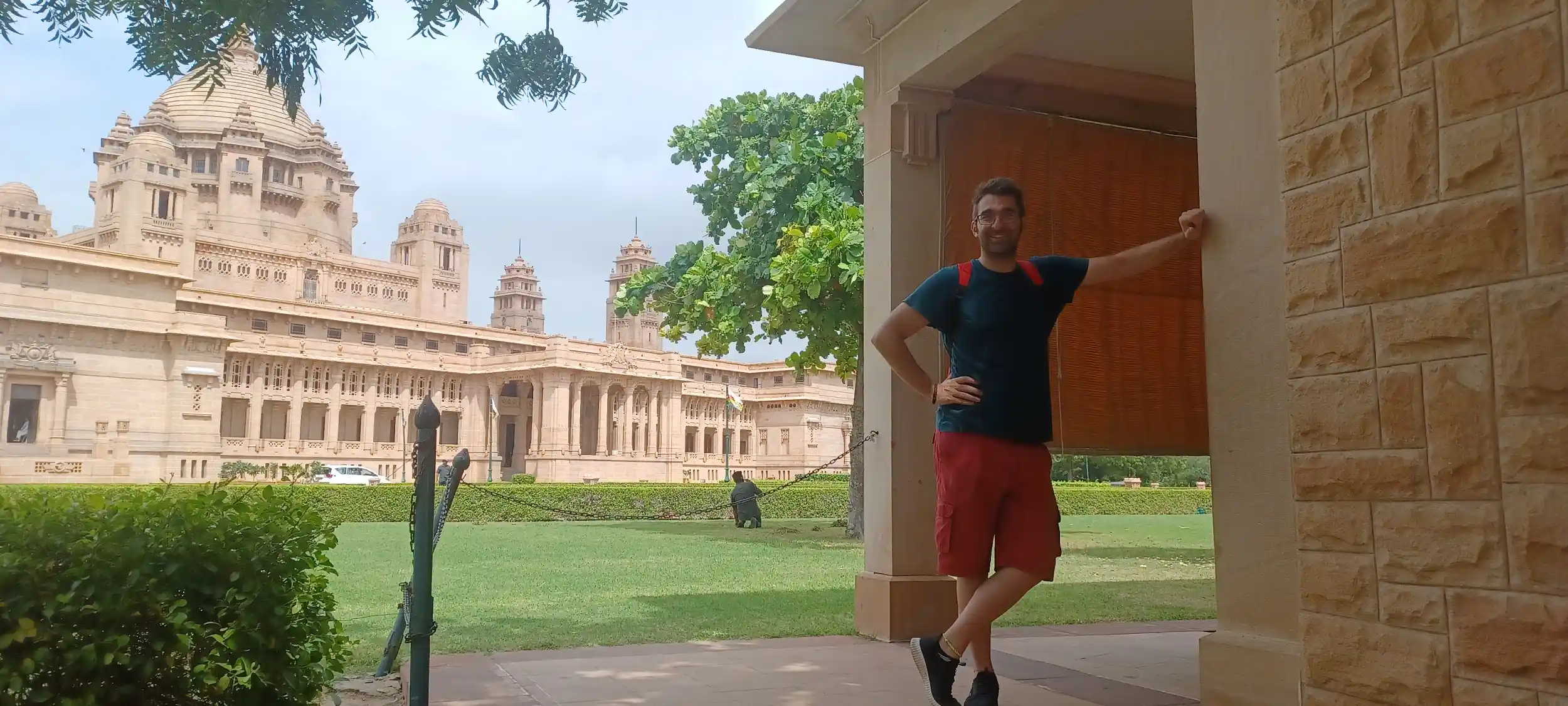
Umaid Bhawan Palace is worth a separate stop for photographers specifically, since its Art Deco architecture is unusual within a city otherwise dominated by Rajput and Mughal-influenced buildings. The museum wing’s vintage cars and period interiors give it a distinct visual character from everything else on this list.
Best Time of Day for Photography
Early morning offers the softest, most even light for Jodhpur’s monuments and Blue City views, avoiding the harsh shadows and blown highlights that build through the day, while late afternoon into golden hour offers a warmer, more dramatic alternative for the same shots.
Planning Around Unpredictable Weather
Jodhpur’s weather can shift plans on short notice, so building some flexibility into an itinerary — rather than committing photography to a single fixed day — helps absorb unexpected cloud cover or haze, particularly for travellers prioritizing photography over other sightseeing.
Seasonal Considerations for Photography
Winter months from October through March bring clearer skies and more comfortable conditions for extended shooting sessions. The period right after the monsoon can be especially rewarding too, with unusually clear, dust-free air producing sharper, more vivid long-distance views from elevated points like the fort’s ramparts.
Equipment Recommendations
A wide-angle lens does the heavy lifting for most of the shots in this Jodhpur photography guide — it captures the scale of Mehrangarh Fort and the sweep of the Blue City in a single frame. A longer or moderate telephoto lens is the better tool for isolating specific sections of old-city rooftops for tighter, pattern-focused compositions, or for pulling in architectural details at Mehrangarh and Jaswant Thada without approaching restricted areas.
Do You Need a Dedicated Camera, or Will a Smartphone Do?
Modern smartphones handle Jodhpur’s bright, high-contrast conditions reasonably well, especially for wide shots from the fort’s ramparts. A dedicated camera with manual controls still earns its place for trickier lighting — golden hour, or the fort’s dim interior spaces — where a phone’s automatic processing tends to struggle.
Photography Etiquette in Residential Areas
Jodhpur’s blue-washed lanes are residential streets first and photogenic backdrops second, and treating them that way matters. Asking before photographing people directly, and being mindful of privacy when a shot looks straight into someone’s home or courtyard, reflects basic respect for the people who actually live there — this is not a backdrop set up for visitors.
Editing and Enhancing Blue City Photographs
The strong, saturated blue that defines Jodhpur’s signature shots is also an easy color to get wrong in post-processing — careful white balance work during editing helps the blue rooftops render as blue rather than drifting toward purple or teal, a common pitfall when a frame is this dominated by one unusual color cast.
Jodhpur’s consistent blue-and-gold palette gives it an unusually cohesive visual identity, and photographers who plan around that specific color relationship — rather than chasing variety for its own sake — tend to come away with the strongest, most distinctly Jodhpur-feeling set of images. Combining two or three vantage points across a single golden-hour session, rather than treating each as its own outing, is usually the most efficient way to use the city’s best light while it lasts. Whatever the season or itinerary, this Jodhpur photography guide should give a solid starting shortlist to work from — refine it once you see the light you actually get.
FAQ
What should photographers prioritize in Jodhpur?
The blue old city, Mehrangarh Fort, and golden-hour viewpoints top most photography checklists.
What’s the best vantage point for blue city photos?
Mehrangarh Fort’s ramparts offer the most complete elevated view of the blue-washed old city.
Is a wide-angle lens necessary for Jodhpur photography?
It helps for sweeping panoramas, though a standard zoom covers most other scenarios well.
Are local guides available for photography tours?
Yes, some local photographers offer guided photo walks with insider location knowledge.
What time of year offers the clearest skies for photography?
Winter months typically bring the clearest, haze-free skies for photography.