Jodhpur Wildlife, Nature & Rural Experiences
Most visitors think of Jodhpur purely as a fort-and-market city, and miss that some of its most memorable experiences lie just outside it, in the scrubland and villages of the Thar Desert’s eastern edge. This is Bishnoi country — home to one of the world’s oldest organised conservation communities, unusually tame wildlife as a direct result, and a slower, rural version of Rajasthan that contrasts sharply with the density of the old city. This guide covers wildlife, nature, and rural experiences within easy reach of Jodhpur. For the fuller single-article walkthrough, see our complete Jodhpur wildlife guide.
Wildlife Around Jodhpur: What to Expect
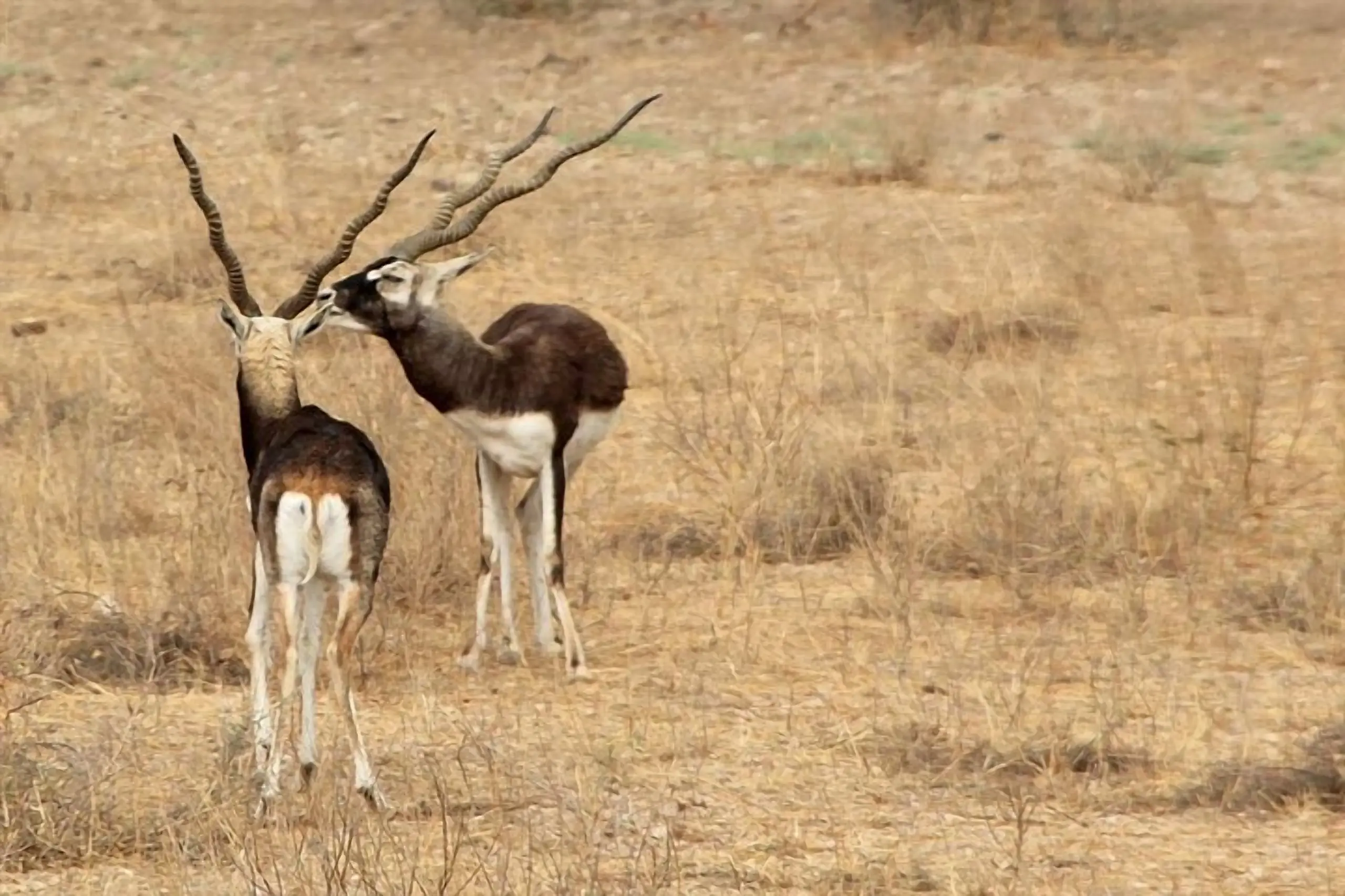
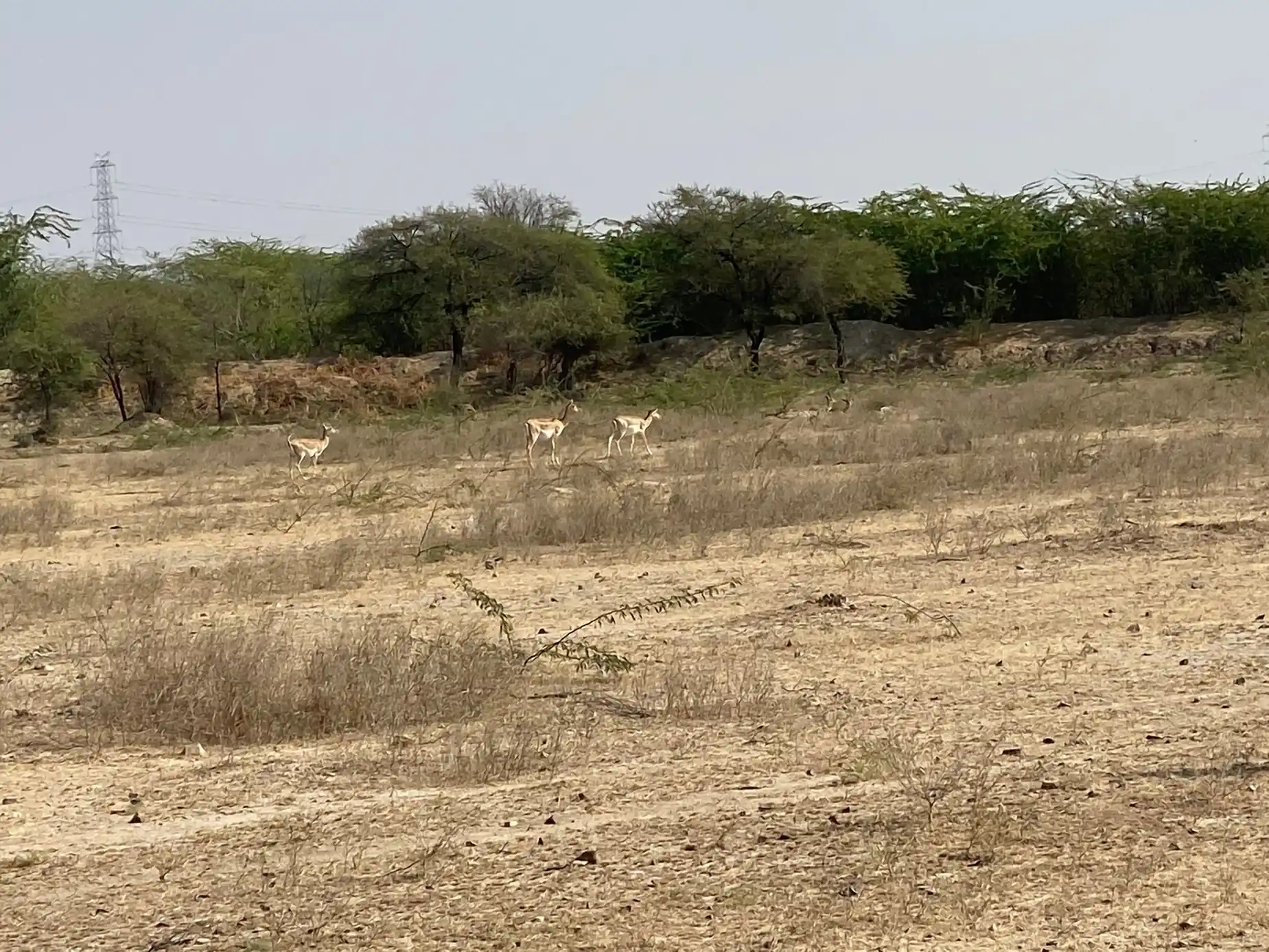
Jodhpur isn’t a major-predator destination the way some of Rajasthan’s dedicated tiger and leopard reserves are — there’s no realistic chance of a big-cat sighting here. What it offers instead is remarkably close, relaxed access to desert-adapted wildlife that’s grown accustomed to human presence, largely thanks to the Bishnoi community’s centuries-old conservation ethic. Blackbuck and chinkara (Indian gazelle) are the headline species, often visible grazing within metres of village roads rather than fleeing at the sight of a vehicle, alongside desert foxes, nilgai (blue bull antelope), and a strong resident and migratory bird population concentrated around the region’s seasonal lakes.
Guda Bishnoi Lake
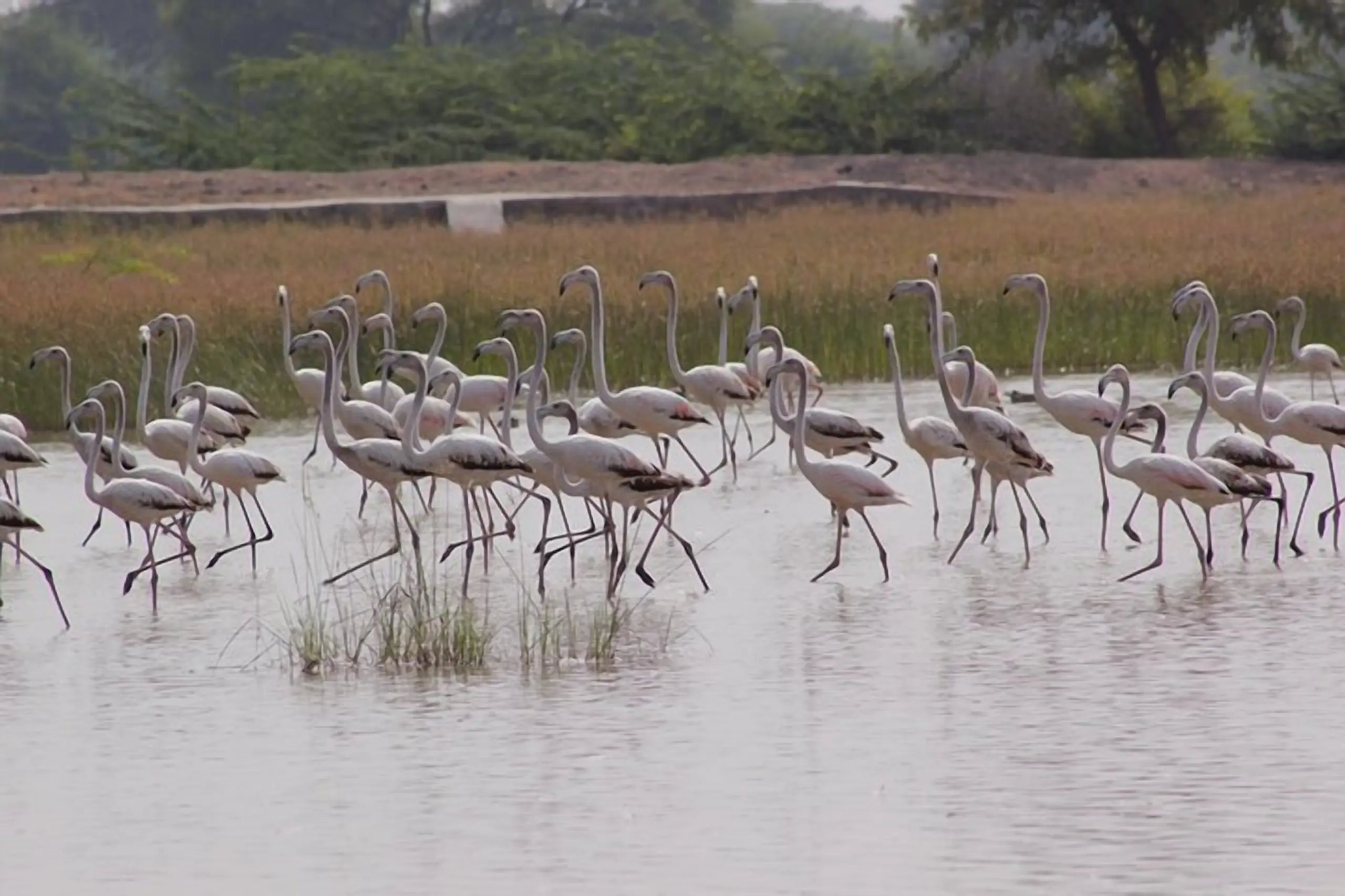
Guda Bishnoi, a seasonal lake roughly 25 km from Jodhpur, is one of the region’s more reliable spots for combining wildlife and birding with a genuine sense of rural village life. The lake attracts migratory waterfowl in winter, and the surrounding scrub is good blackbuck and chinkara territory. Because it sits within an active Bishnoi village rather than a fenced sanctuary, a visit here naturally combines wildlife spotting with everyday rural scenes — farmers, grazing livestock, and village life continuing around the lake rather than a wildlife area sealed off from human activity. Our dedicated Guda Bishnoi Lake guide covers birding and village life there in more depth.
Bishnoi Village Safari: What It Actually Involves
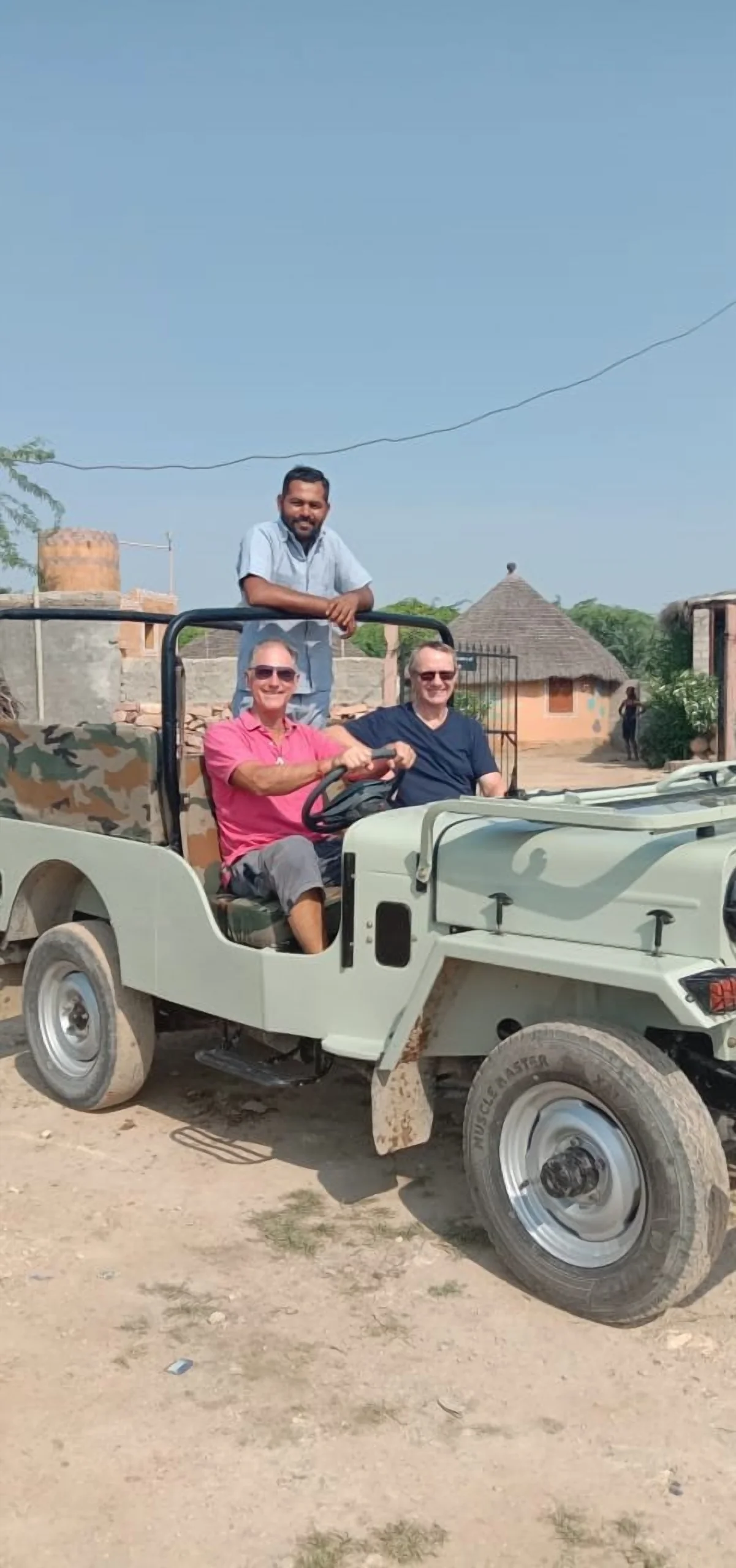
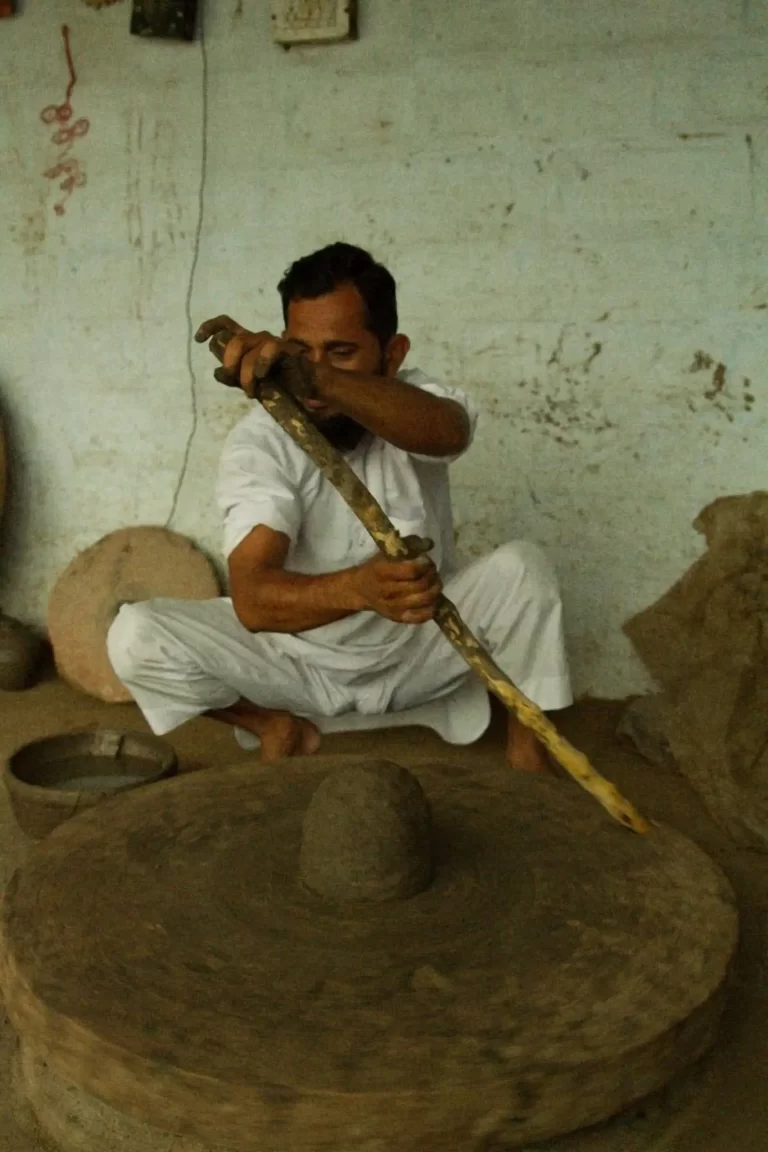
A typical Bishnoi village safari, usually run as a half-day jeep tour from Jodhpur, combines several elements: driving through scrubland spotting blackbuck and chinkara, a stop at a Bishnoi home for a traditional welcome (often including the ceremonial opium ritual, offered as a mark of hospitality rather than recreational use), a visit to a potter’s or weaver’s workshop to see traditional crafts practised much as they have been for generations, and often a stop near a small lake or watering hole where wildlife gathers. The experience works best arranged through a guide with real, established relationships with specific families — this isn’t a scripted show but a visit into people’s actual homes and daily lives, and that distinction matters both ethically and for the quality of the experience itself. Our full Bishnoi village safari guide covers what to expect in more depth.
Birdwatching Near Jodhpur
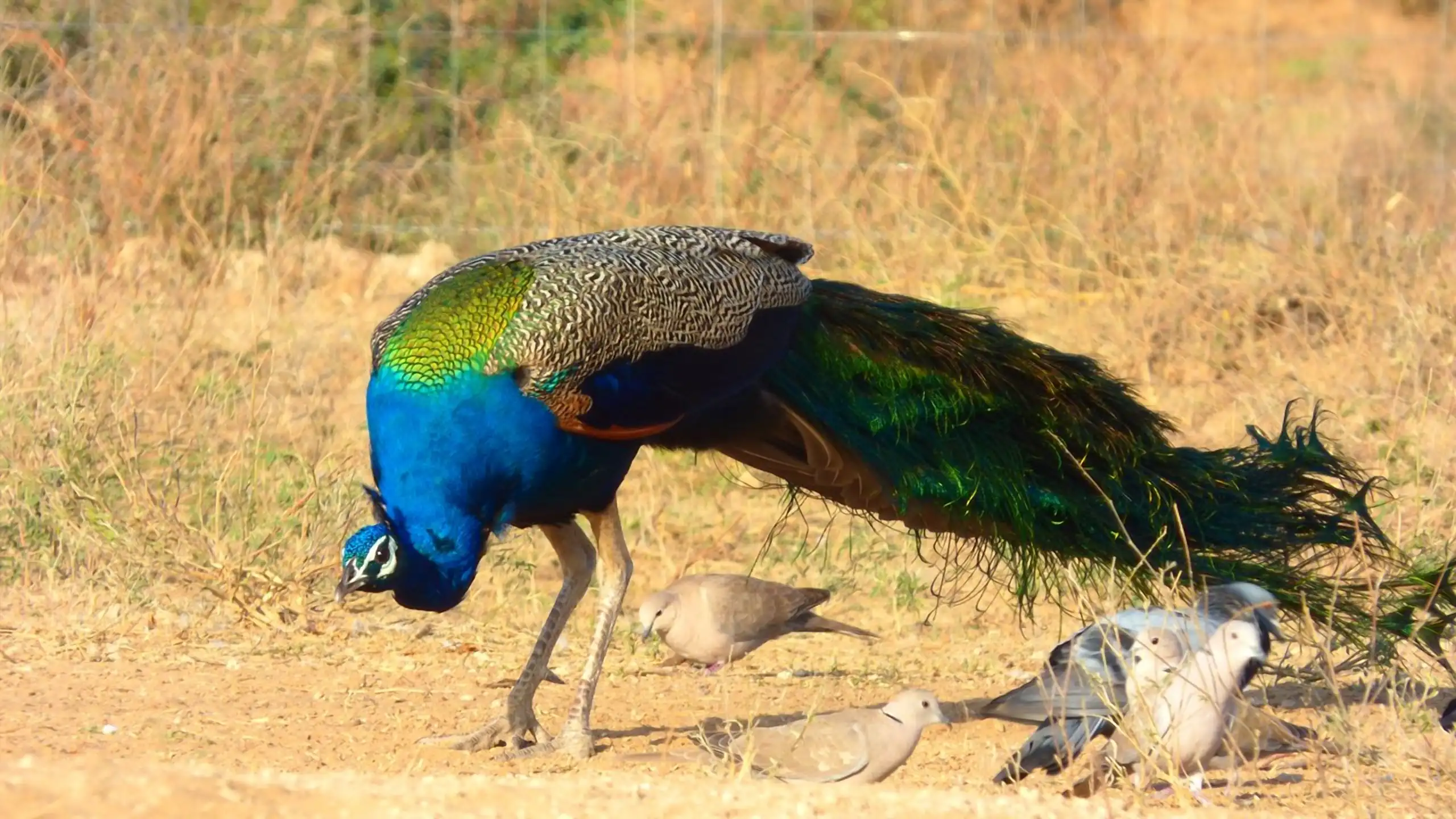
While Jodhpur doesn’t have the specialist birding reputation of Khichan (famous for its demoiselle crane gathering) or Bharatpur’s Keoladeo sanctuary, the lakes and scrubland around the city support a solid resident and winter-migratory bird population — species like demoiselle cranes (in smaller numbers than Khichan), various raptors, larks, and desert-adapted species alongside waterfowl at Guda Bishnoi and other seasonal lakes. Winter (roughly November to February) is comfortably the best season, both for migratory arrivals and for comfortable early-morning outings before the heat builds later in the day. Our full birdwatching guide covers more species and specific spots.
Osian: Desert, Temples, and Dunes Near Jodhpur
Roughly an hour and a half from Jodhpur, Osian combines two very different draws in one stop: a cluster of well-preserved 8th-to-12th-century Hindu and Jain temples, considered among the oldest and finest examples of temple architecture in the region, and real sand dunes on its outskirts, offering a more accessible (if smaller-scale) desert experience than the famous dunes near Jaisalmer. Camel rides and sunset dune visits are commonly combined with the temple visit as a single day trip, making Osian one of the more efficient rural excursions from Jodhpur for visitors who want both cultural and desert-landscape experiences in a single outing. See our dedicated Osian guide for the fuller picture.
Jodhpur Rural Tourism: Villages, Farms, and Local Life
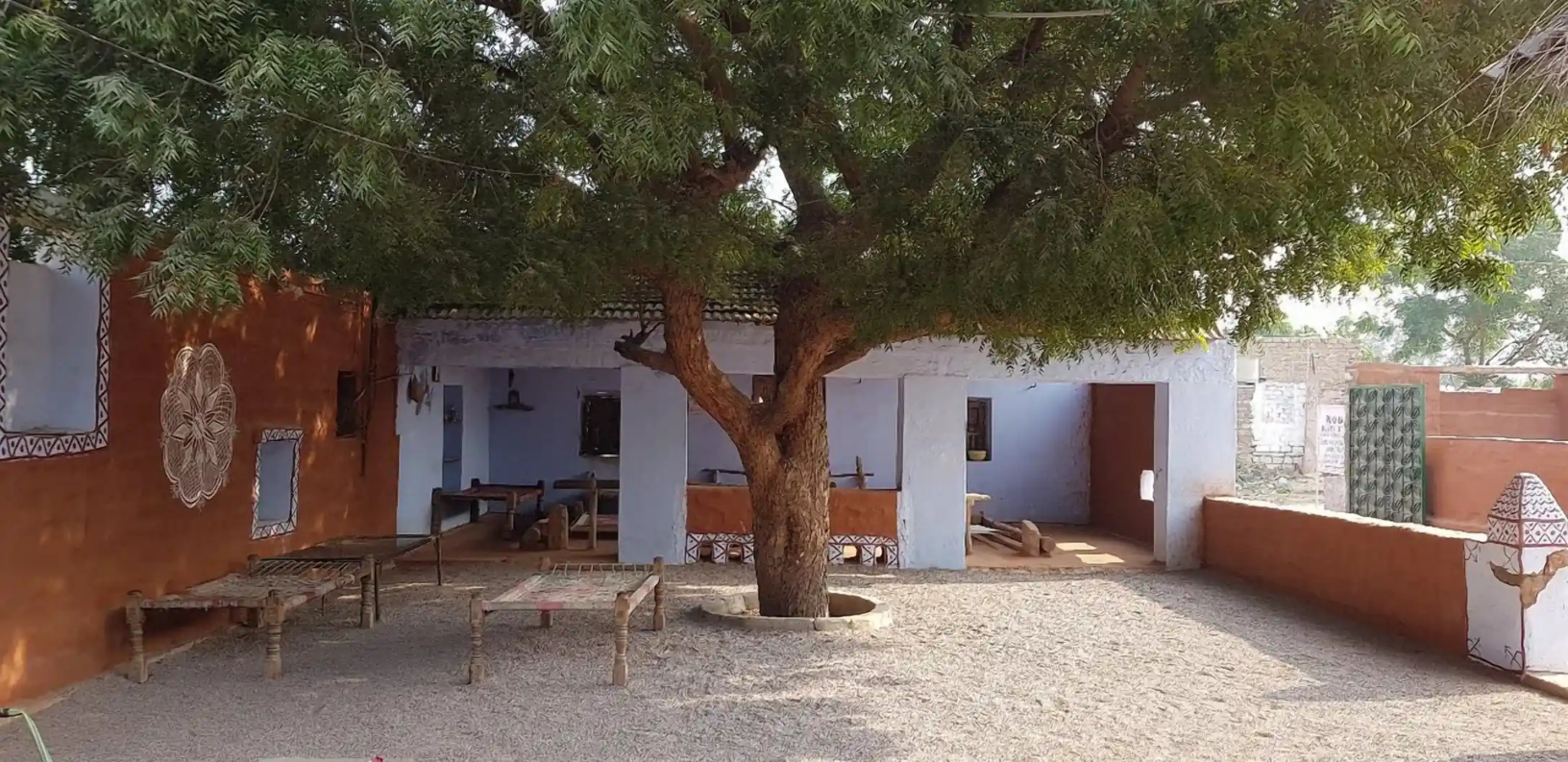
Beyond organised wildlife safaris, a number of operators and homestays around Jodhpur offer more general rural tourism experiences — visits to working farms, demonstrations of traditional well-drawing and irrigation methods adapted to desert conditions, and opportunities to share a meal with a farming family. These experiences tend to appeal particularly to visitors who’ve already covered Jodhpur’s major monuments on a previous trip, or who are specifically interested in understanding how desert agriculture and rural Marwar life actually function, rather than only its historical or royal dimensions. Our full rural tourism guide covers more villages, farms, and homestay options.
Best Nature Experiences Near Jodhpur
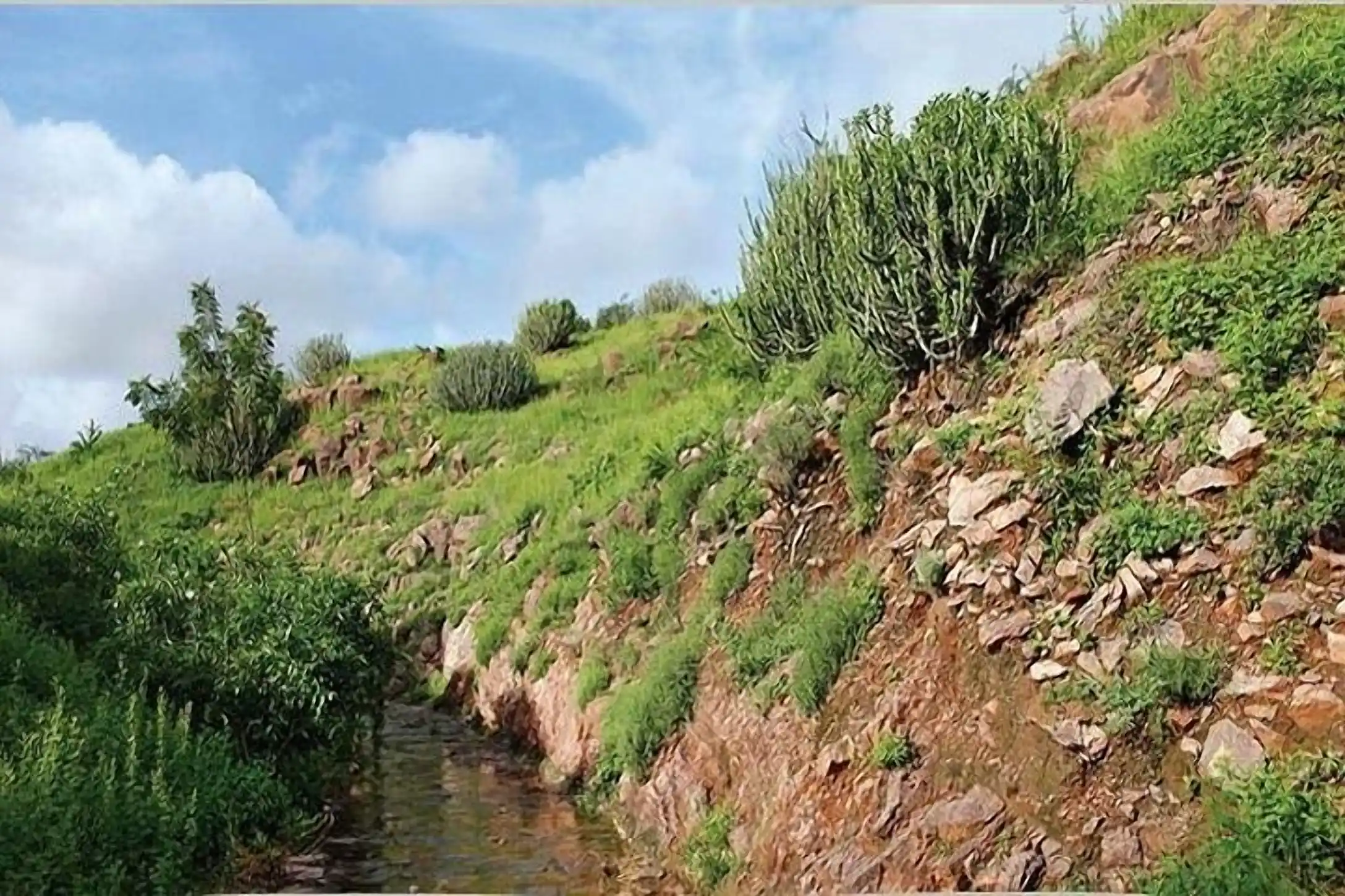
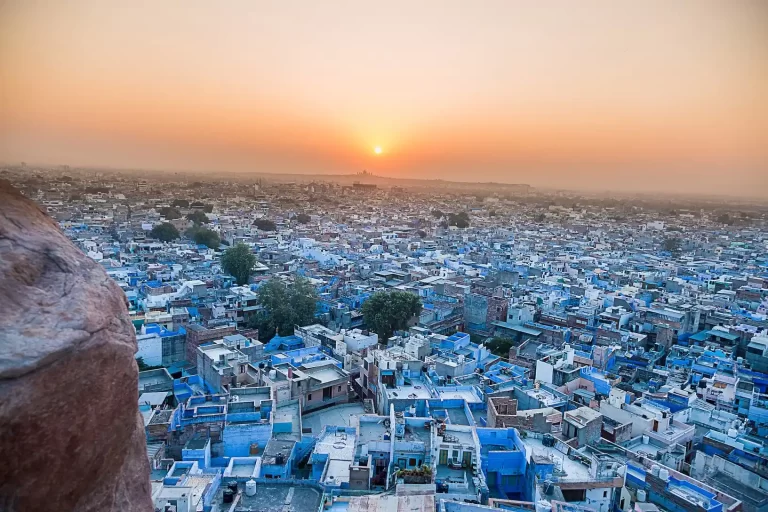
Beyond wildlife specifically, the desert landscape itself is worth experiencing on its own terms. Sunset over the scrubland from a village vantage point, a quiet early morning walk in the Rao Jodha Desert Rock Park at the base of Mehrangarh Fort, and the stark, open horizons of the countryside around Osian all offer a different register of experience from the density of the old city — a welcome reset after a few days of fort-and-market sightseeing, and a reminder that Jodhpur sits at the true edge of the Thar Desert rather than simply near it. See our full guide to the best nature experiences near Jodhpur for more named spots.
Practical Tips for Wildlife and Rural Visits
- Best time of day: Early morning and late afternoon offer both cooler temperatures and more active wildlife than midday.
- Best season: October through March for comfortable temperatures; winter specifically for peak migratory bird activity.
- Choose your guide carefully: A guide with genuine, ongoing relationships with specific Bishnoi families delivers a meaningfully better and more respectful experience than a generic jeep tour with no established local connections.
- Dress modestly and respectfully: These are visits into people’s actual homes and communities, not a wildlife park — dress and behave accordingly.
- Bring water and sun protection: Shade is limited across most of these outings, and jeep safaris often run for several hours at a stretch.
The Bishnoi Conservation Story, in Brief
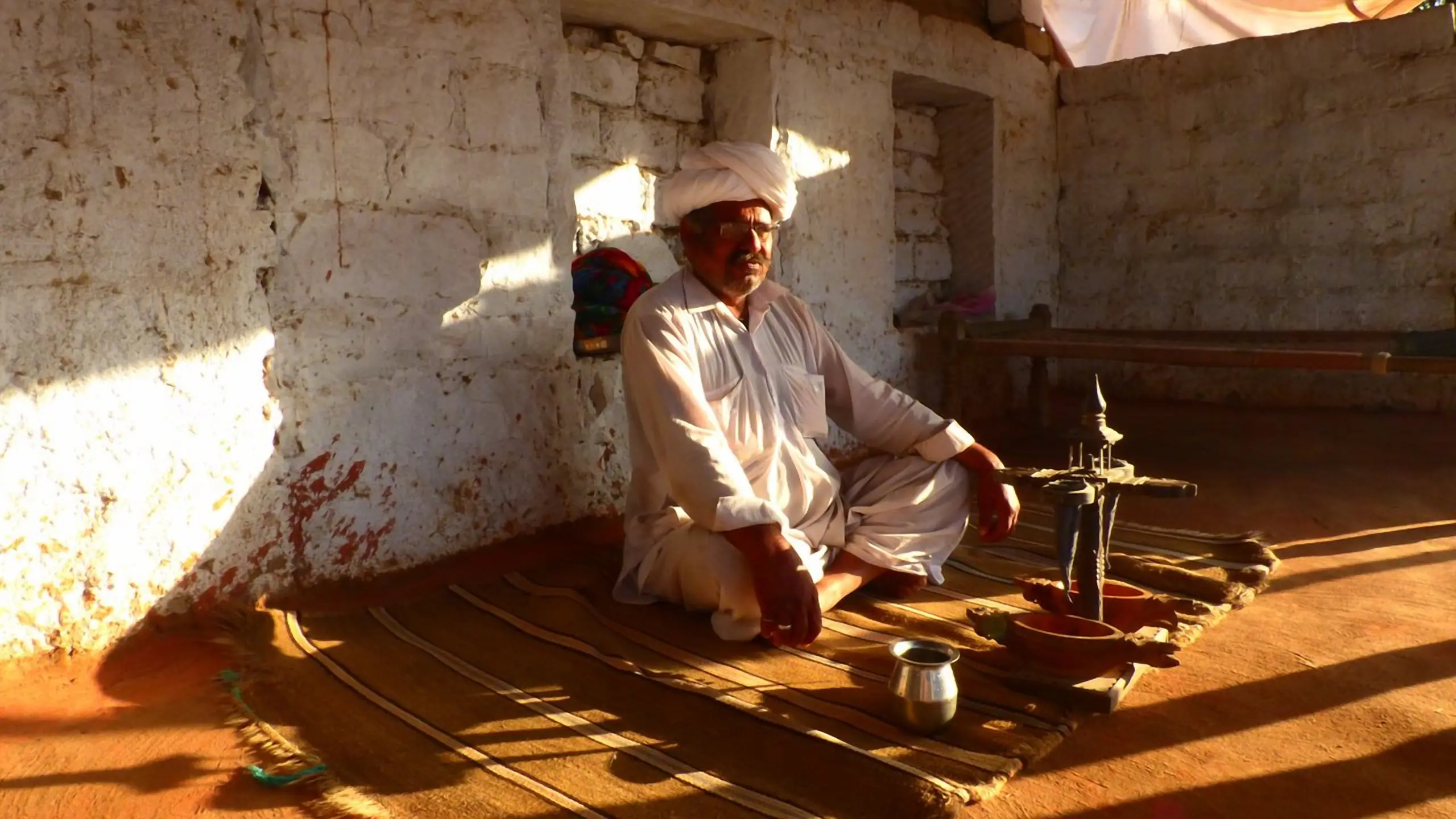
Understanding why wildlife around Jodhpur is so visible and unafraid of people requires understanding the Bishnoi community’s history. Founded in the 15th century by Guru Jambheshwar around 29 core principles (the community’s name derives from the Marwari word for “twenty-nine”), Bishnoi teachings include strict prohibitions on cutting green trees and harming wildlife, particularly blackbuck and chinkara, which the community has protected for centuries, sometimes at direct personal cost. The best-known historical episode is the 1730 Khejarli massacre, in which 363 Bishnoi villagers, led by a woman named Amrita Devi, died attempting to physically stop the felling of sacred khejri trees ordered by the local ruler — an event still commemorated annually and widely cited as one of the earliest recorded environmental protests anywhere in the world. This isn’t distant history for the communities you’ll visit; the conservation ethic that resulted from it is still actively practised, which is precisely why blackbuck graze calmly within metres of village roads that would see wildlife scatter instantly almost anywhere else in India.
Camel Safaris and Desert Experiences
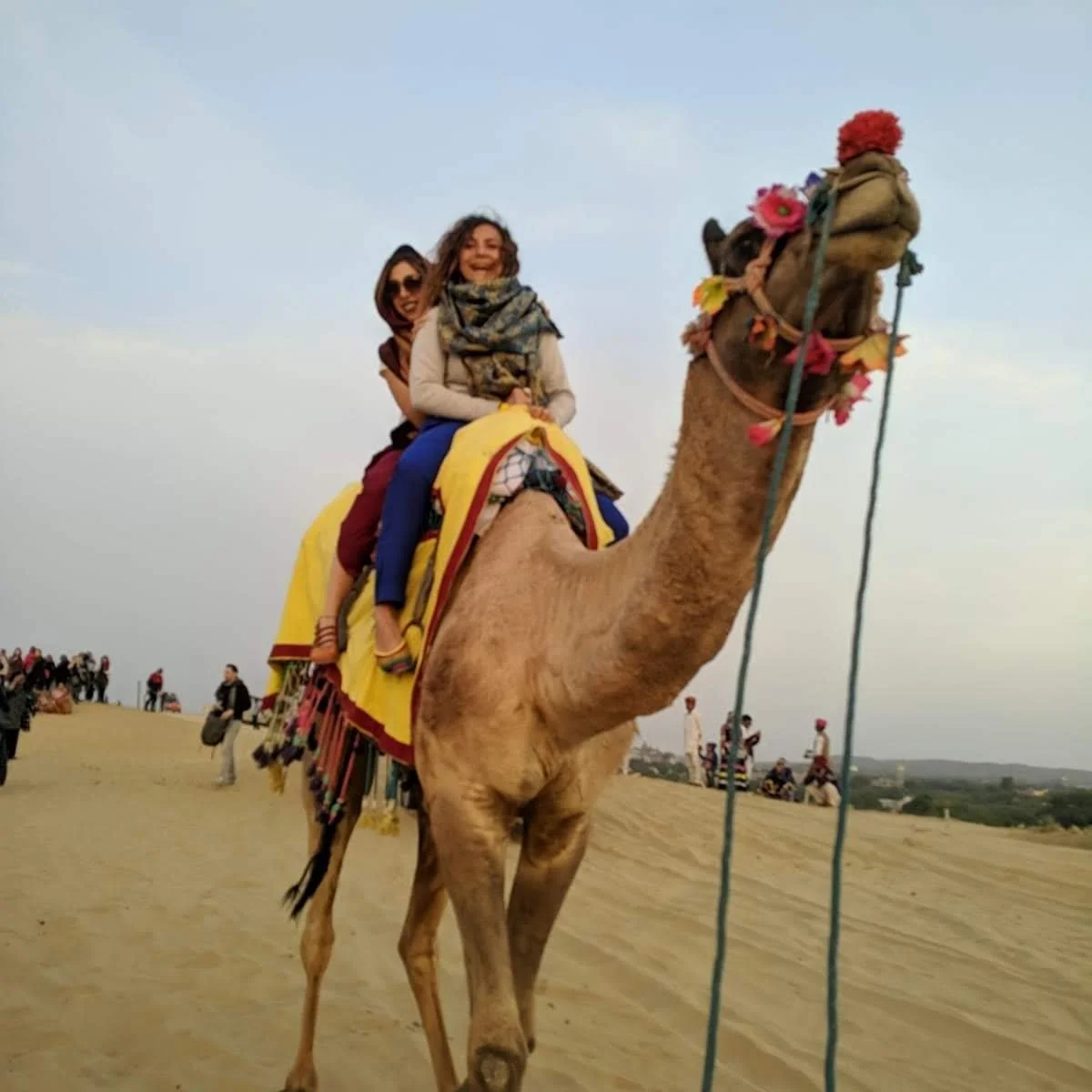
While Jodhpur isn’t primarily marketed as a camel-safari destination the way Jaisalmer and Bikaner further west are, shorter camel experiences are available around Osian’s dunes, typically as an add-on to a temple visit rather than the multi-day desert camel treks associated with the deeper Thar Desert. For visitors who want a genuine multi-day camel safari experience, Jaisalmer remains the better base, but a sunset camel ride on Osian’s dunes offers a reasonable, accessible taste of the experience without requiring a separate trip further into the desert.
Seasonal Changes in the Landscape
The scrubland and farmland around Jodhpur look markedly different depending on when you visit. Post-monsoon (roughly September through November) brings a surprising amount of green to what’s otherwise a fairly stark landscape, with standing water in seasonal lakes like Guda Bishnoi at its most reliable. By late winter and into summer, the landscape dries out considerably, vegetation thins, and wildlife concentrates more predictably around the remaining water sources, which can actually make spotting animals somewhat easier despite the harsher conditions for visitors themselves. Neither season is objectively “better” for a rural or wildlife visit — they simply offer different versions of the same desert-edge ecosystem.
Combining Wildlife and Rural Experiences with City Sightseeing
Most visitors treat a Bishnoi village or Osian excursion as a half-day or full-day break from city sightseeing, typically scheduled midway through a Jodhpur stay rather than at the very start or end — arriving with at least a day of fort and old-city sightseeing already done tends to make the contrast with rural life more striking and appreciated. Combining a morning wildlife and village visit with an afternoon return to the city, in time for sunset at Kaylana Lake or a rooftop dinner, is a common and effective way to structure the day without over-scheduling it.
Do I need special gear or clothing for a Bishnoi village or wildlife excursion?
No specialist gear is required — comfortable, modest clothing, closed shoes suitable for uneven ground, sun protection, and water are sufficient for most half-day excursions. Binoculars are a worthwhile addition if birdwatching specifically is a priority, since many species are easier to appreciate at a distance than up close.
Guided vs Independent Wildlife and Village Visits
Unlike the fort or old-city sights, wildlife and rural experiences around Jodhpur are strongly recommended to be arranged through a guide or tour operator rather than attempted independently. Bishnoi villages aren’t set up as self-guided tourist attractions with signage or ticket counters, wildlife-spotting benefits considerably from local knowledge of current animal movements and seasonal water sources, and the ethical dimension of visiting people’s actual homes calls for the kind of established relationships a good local guide brings. Osian is more feasible independently, since its temples and dunes are more conventionally set up for visitors, but even there a guide adds useful historical and cultural context that’s largely absent from on-site signage.
Photography Tips for Wildlife and Village Visits
Early morning light, both for its quality and for coinciding with peak wildlife activity, generally produces the best wildlife photographs around Jodhpur. A moderate telephoto lens is useful for antelope and birds, which, while relatively tame by wildlife-photography standards, still benefit from some working distance rather than close approach. For village and portrait photography, always ask permission before photographing individuals directly, and be aware that some Bishnoi families may prefer not to be photographed at all — your guide can usually advise on this in the moment, and respecting a declined request matters more than getting the shot.
Are Bishnoi villages accessible for visitors with limited mobility?
Partially — jeep-based tours minimise walking, and most village visits involve relatively short stretches on foot over uneven, sandy ground rather than long treks. Visitors with significant mobility limitations should discuss specific needs with their guide or operator in advance to confirm what’s realistically manageable.
Can these experiences be combined into a single full-day tour from Jodhpur?
Yes — a full-day itinerary combining a morning Bishnoi village and wildlife visit with an afternoon stop at Osian’s temples and dunes is a common and efficient way to cover both in a single outing, typically arranged as a private full-day tour with a driver-guide rather than two separate half-day bookings.
What time should a wildlife and village safari start to catch the best animal activity?
An early start, ideally departing Jodhpur by 6:30–7:00 AM, gives the best combination of cooler temperatures, active wildlife, and soft morning light for photography. Afternoon or late-afternoon departures are the next-best option, timed to end around sunset, though midday heat in warmer months tends to push wildlife into shade and reduce visible activity considerably.
Rural Experiences Around the Blue City
Beyond Machia Biological Park and the Rao Jodha Desert Rock Park, the villages and rural landscape surrounding Jodhpur offer genuine insight into Marwar’s traditional desert lifestyle, from Bishnoi communities known for their centuries-old wildlife conservation practices to camel-herding families still following largely traditional livelihoods on the region’s arid grazing lands. A guided rural or village safari, typically combining a Bishnoi village visit with wildlife spotting for blackbuck and chinkara antelope, gives structure to this side of Jodhpur that independent exploration alone would struggle to access meaningfully.
Best Season for Rural and Wildlife Excursions
Winter months, November through February, offer the most comfortable conditions for village safaris and desert rock park walks, given the significant outdoor exposure involved in both, while the harsh summer heat between April and June makes early morning the only realistic window for this kind of activity during those months.
FAQ
What wildlife can I see near Jodhpur?
Blackbuck, chinkara antelope, and a wide variety of birds inhabit the countryside around the city.
Where is the best place for wildlife spotting near Jodhpur?
Bishnoi villages and Guda Bishnoi Lake offer the most reliable wildlife and birding opportunities.
Is a safari necessary to see wildlife near Jodhpur?
A jeep safari through Bishnoi villages significantly improves the odds of good wildlife sightings.
How far are the best nature spots from Jodhpur?
Most sit within an hour’s drive, making them suitable for a half-day or full-day excursion.
Is birdwatching good year-round near Jodhpur?
Winter months bring the best birdwatching, with migratory species adding to the resident population.