Best Photography Experiences in Jodhpur
Jodhpur is one of the most photogenic cities in India, and photographers who visit with even a rough plan for timing and location tend to come away with dramatically better results than those who simply wander and hope. This guide to the best photography experiences in Jodhpur is built around light, vantage point, and subject — the fort from above and from below, the blue lanes at ground level, and the handful of spots that reward a little planning over a generic sightseeing checklist.
The Classic Blue City Overview from Mehrangarh Fort
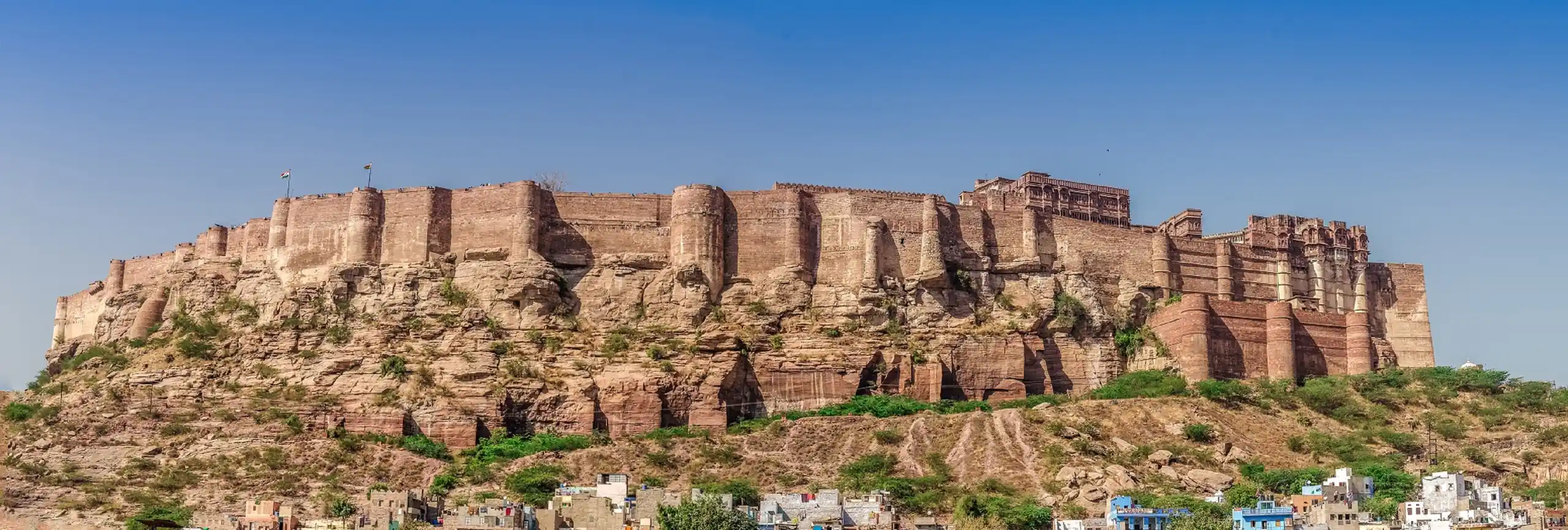
The single most photographed view in Jodhpur is the sweep of indigo-washed rooftops seen from Mehrangarh Fort’s ramparts, and for good reason — nowhere else in the city offers the same combination of elevation, scale, and unobstructed sightline over the old town. Morning light, arriving with the fort at opening time around 9 AM, tends to produce the softest, most flattering results, with fewer crowds in the frame than the golden-hour rush later in the day. Multiple vantage points along the ramparts offer slightly different angles, so it’s worth walking the full length of the accessible wall rather than settling for the first viewpoint reached.
Mehrangarh Fort From the Blue Lanes Below
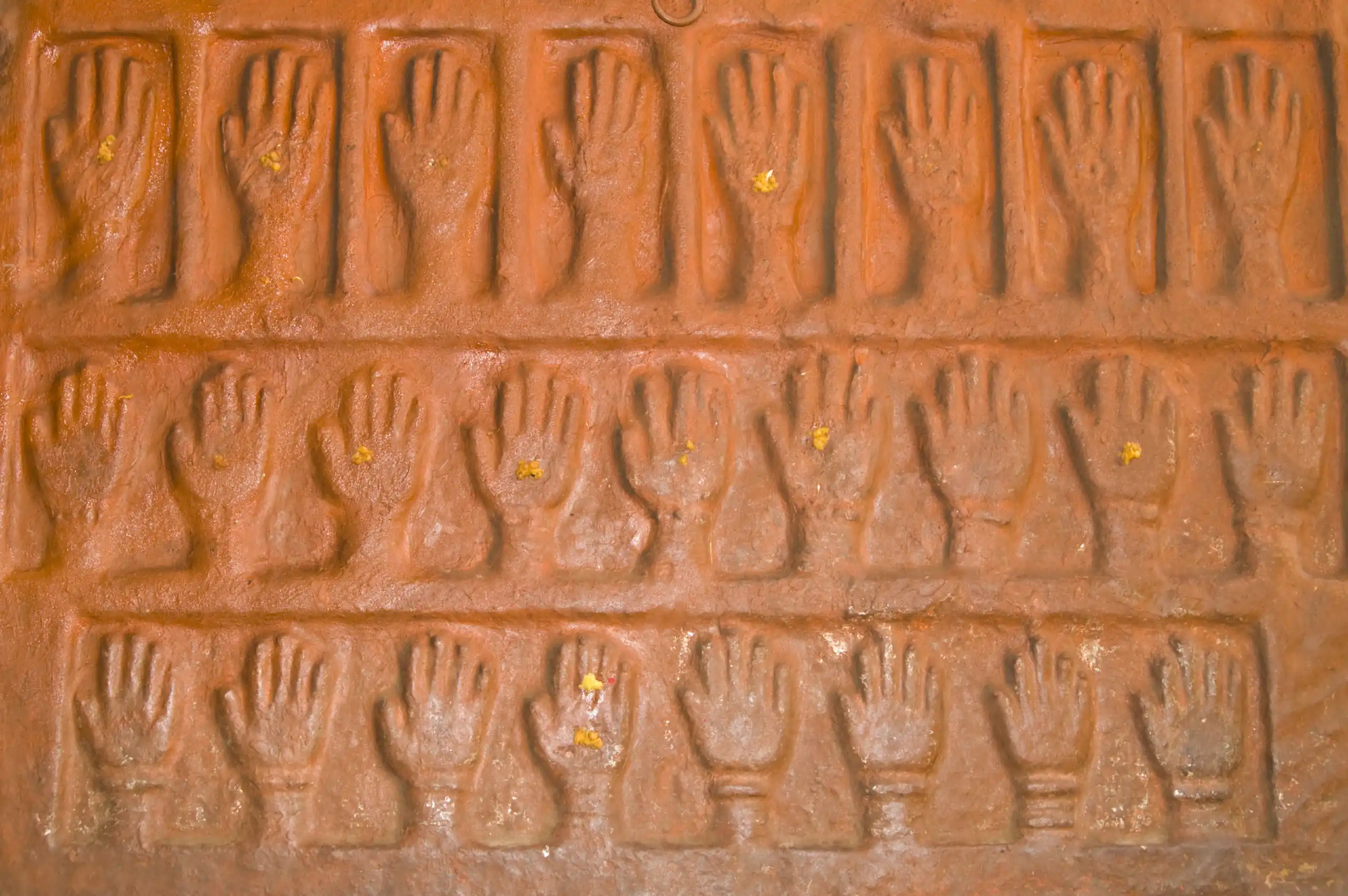
The reverse of the ramparts shot is just as iconic: Mehrangarh Fort’s golden sandstone walls rising above the blue-washed houses spreading beneath it. This composition is best captured from specific rooftop vantage points in the Old City rather than street level, where buildings block the fort’s full profile. Morning light, before roughly 9 AM, brings out the warmest tones in both the fort’s sandstone and the blue walls below, while midday sun tends to flatten the colour contrast that makes this shot distinctive.
Inside Mehrangarh Fort: Palaces, Courtyards & Ramparts
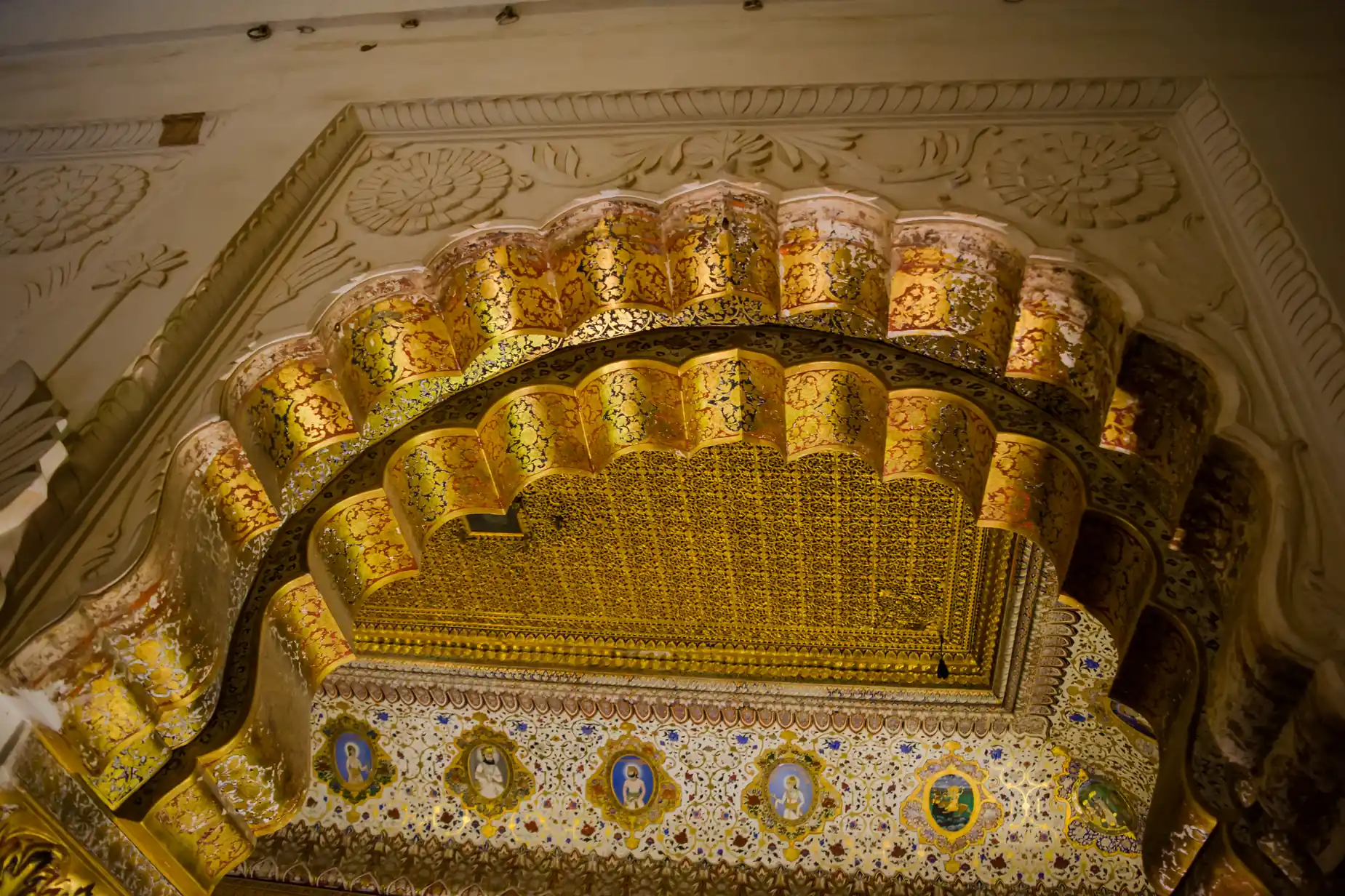
Within the fort itself, the Shringar Chowk and Moti Mahal courtyards offer strong architectural photography subjects, with carved stone screens and painted surfaces rewarding close attention alongside the broader panoramic shots available from the ramparts. The Phool Mahal’s gold-leaf ceiling and the Zenana Mahal’s finely carved sandstone jali screens are two of the fort’s standout interior subjects, though low light levels and restrictions on flash and tripods in certain galleries mean a camera capable of reasonable low-light performance makes a real difference here. The jali screens in particular reward close, detail-focused compositions as much as wider interior shots.
The Reverse View from Jaswant Thada
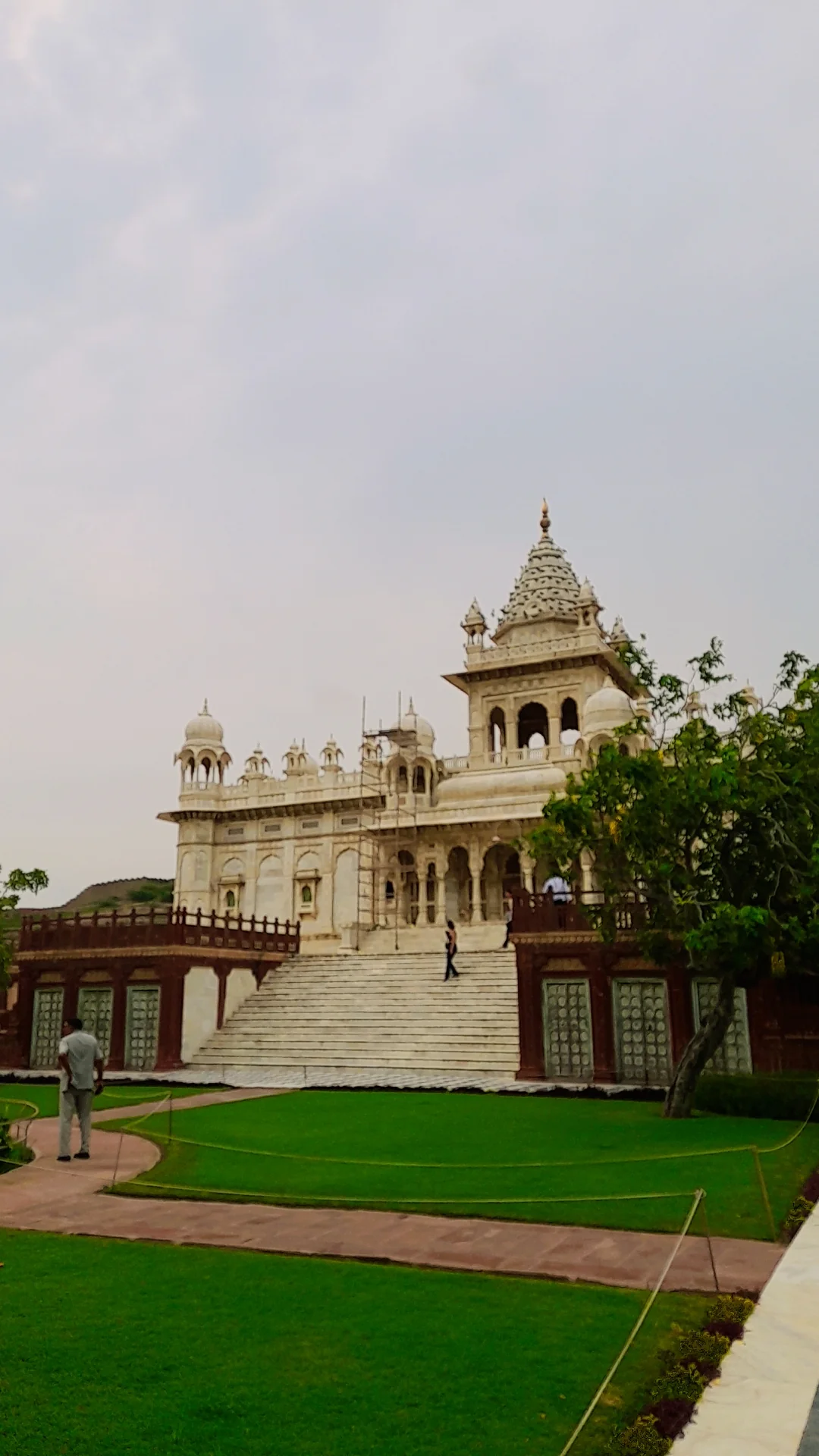
Photographing the fort itself, rather than the view from it, is arguably the more striking composition, and Jaswant Thada’s gardens offer the best vantage point for this reverse shot. The white marble cenotaphs in the foreground, framed against the sandstone fort rising behind them, create a distinctly different kind of image from the standard overview shot, and this location sees noticeably fewer photographers than the fort ramparts themselves.
Jaswant Thada’s White Marble Against Blue Sky
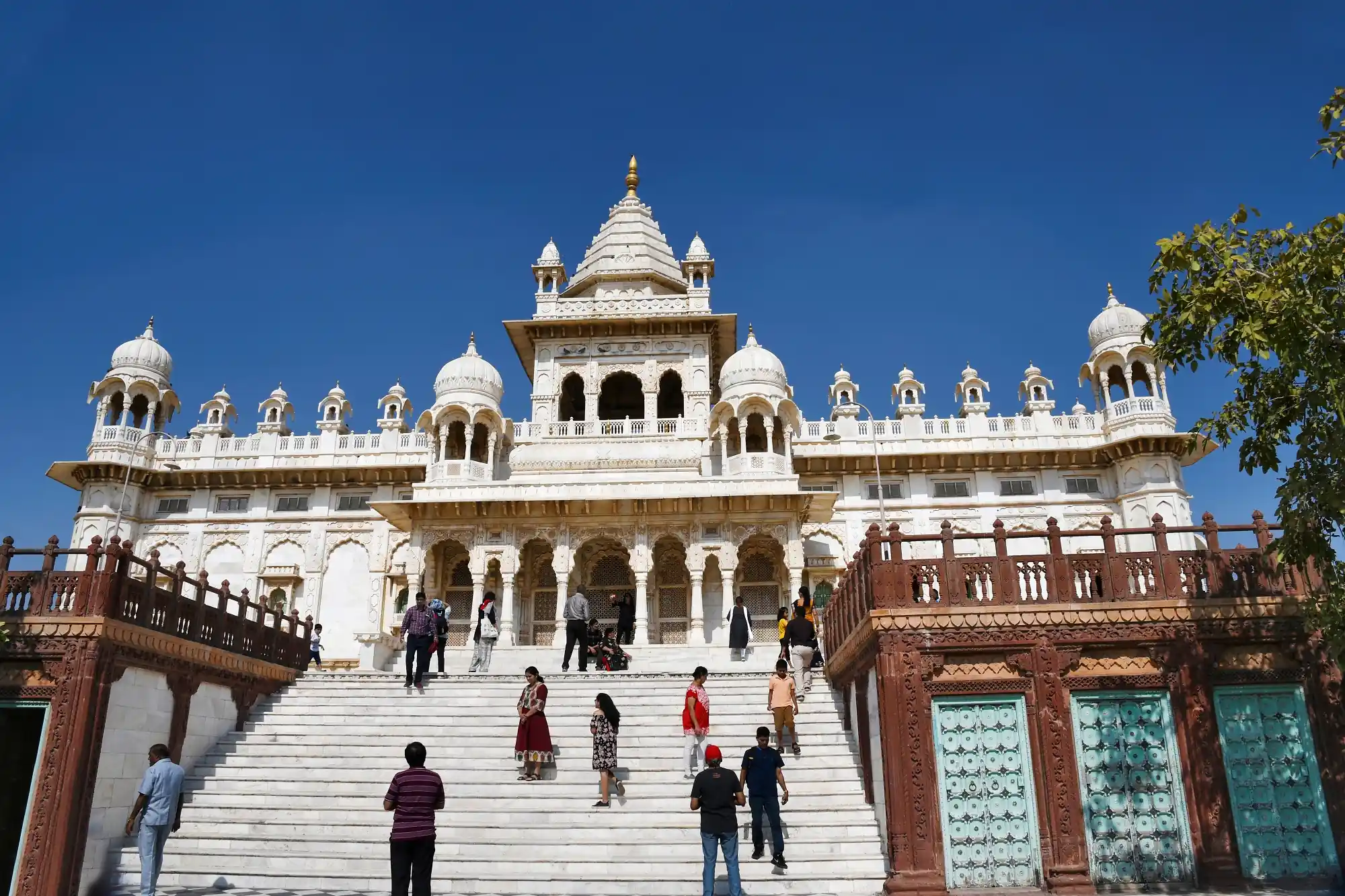
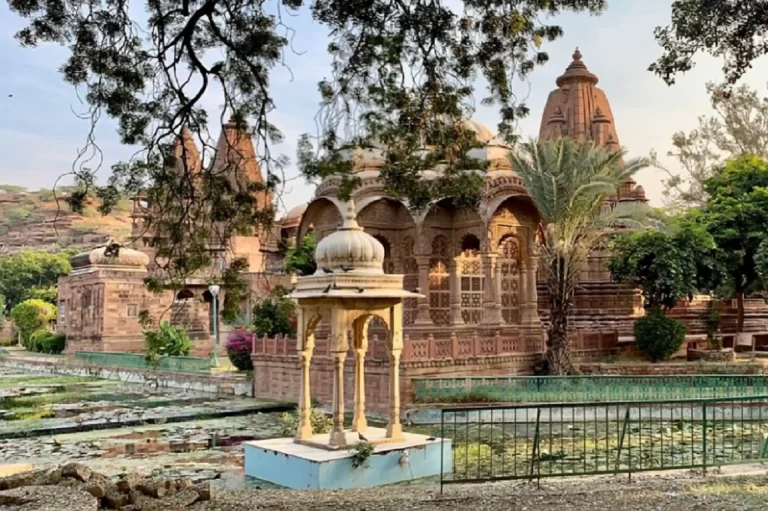
Turning the camera the other way, Jaswant Thada’s own stark white marble photographs strongly against Jodhpur’s typically clear blue winter skies, with the memorial’s reflection in its adjacent pond offering a further compositional option on calm days. Between this shot and the reverse view of the fort above, Jaswant Thada earns two distinctly different visits from a photography standpoint, not just one.
Toorji Ka Jhalra’s Geometric Steps
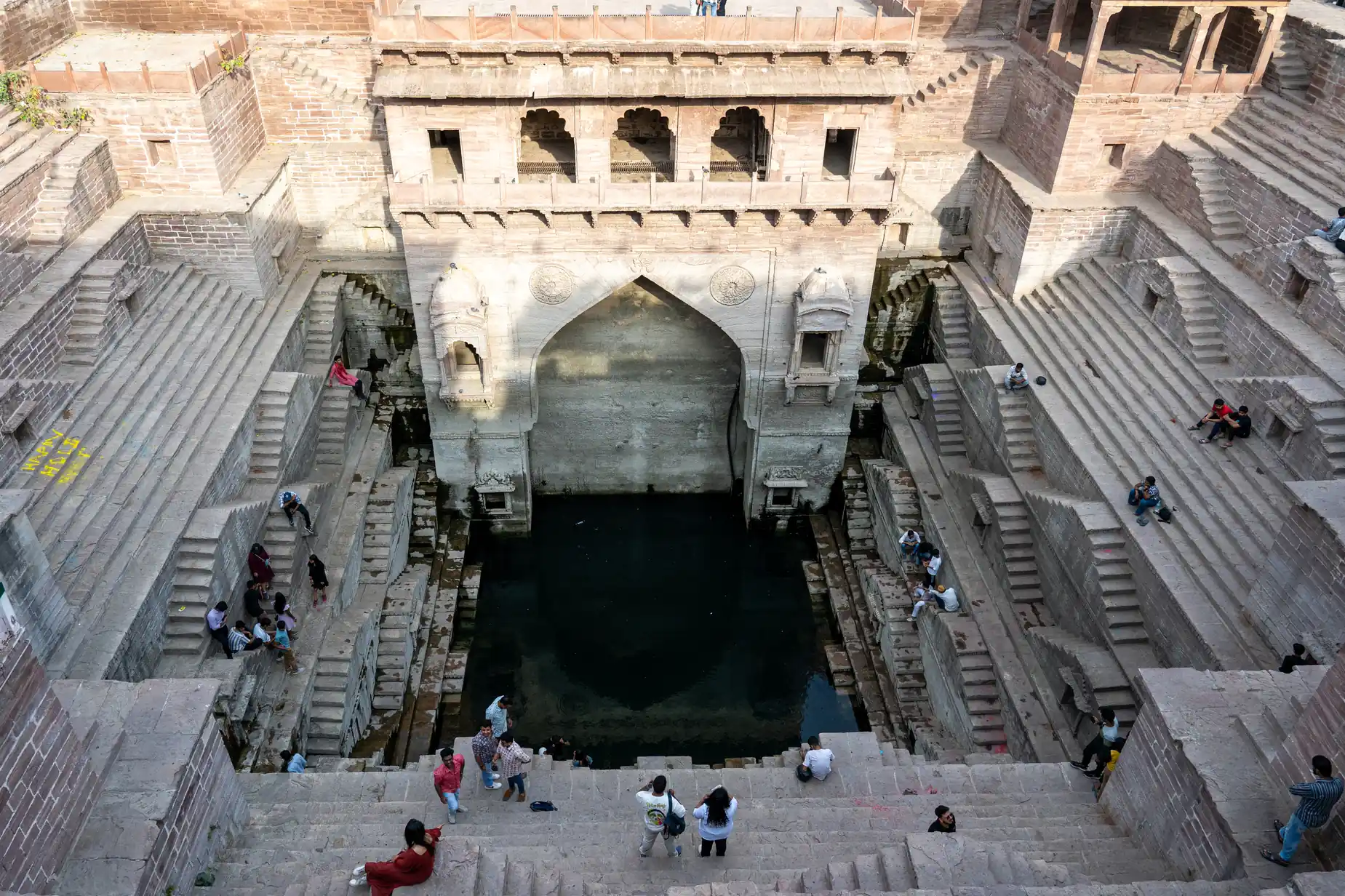
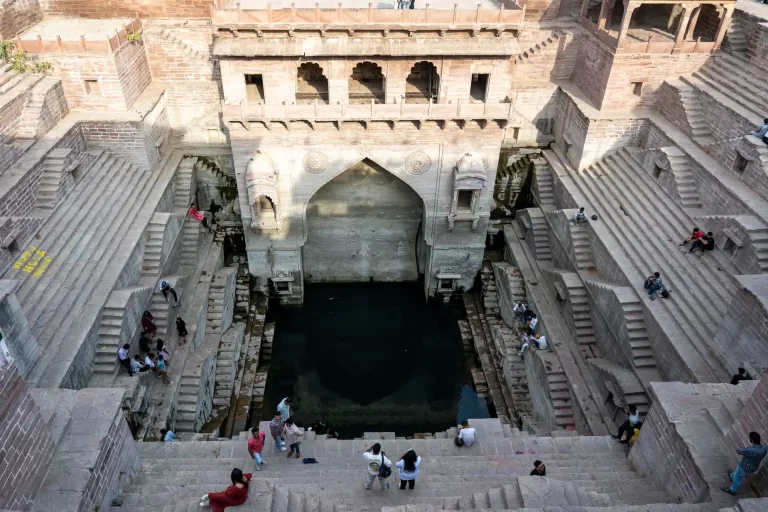
Among the best photography experiences in Jodhpur outside the fort itself, this 18th-century stepwell’s symmetrical descent creates one of the city’s most graphic, pattern-driven photography subjects, best shot from an elevated angle at the top rather than from within the well itself, and particularly striking in the soft light of early morning before crowds gather.
Street Photography in the Blue Lanes
Beyond the overview shots, walking the blue-washed lanes at ground level offers a more intimate set of compositions — narrow alleys framed by indigo walls, doorways, and the interplay of shadow and light through tight streets, along with the everyday life, daily errands, and quiet doorway scenes that unfold there. Early morning, before the day’s foot and vehicle traffic builds, produces both the softest light and the cleanest compositions. Asking permission before photographing individuals up close is both courteous and generally well received, and buying something small from a stall before requesting a photograph tends to smooth the interaction considerably.
Sardar Market and the Clock Tower
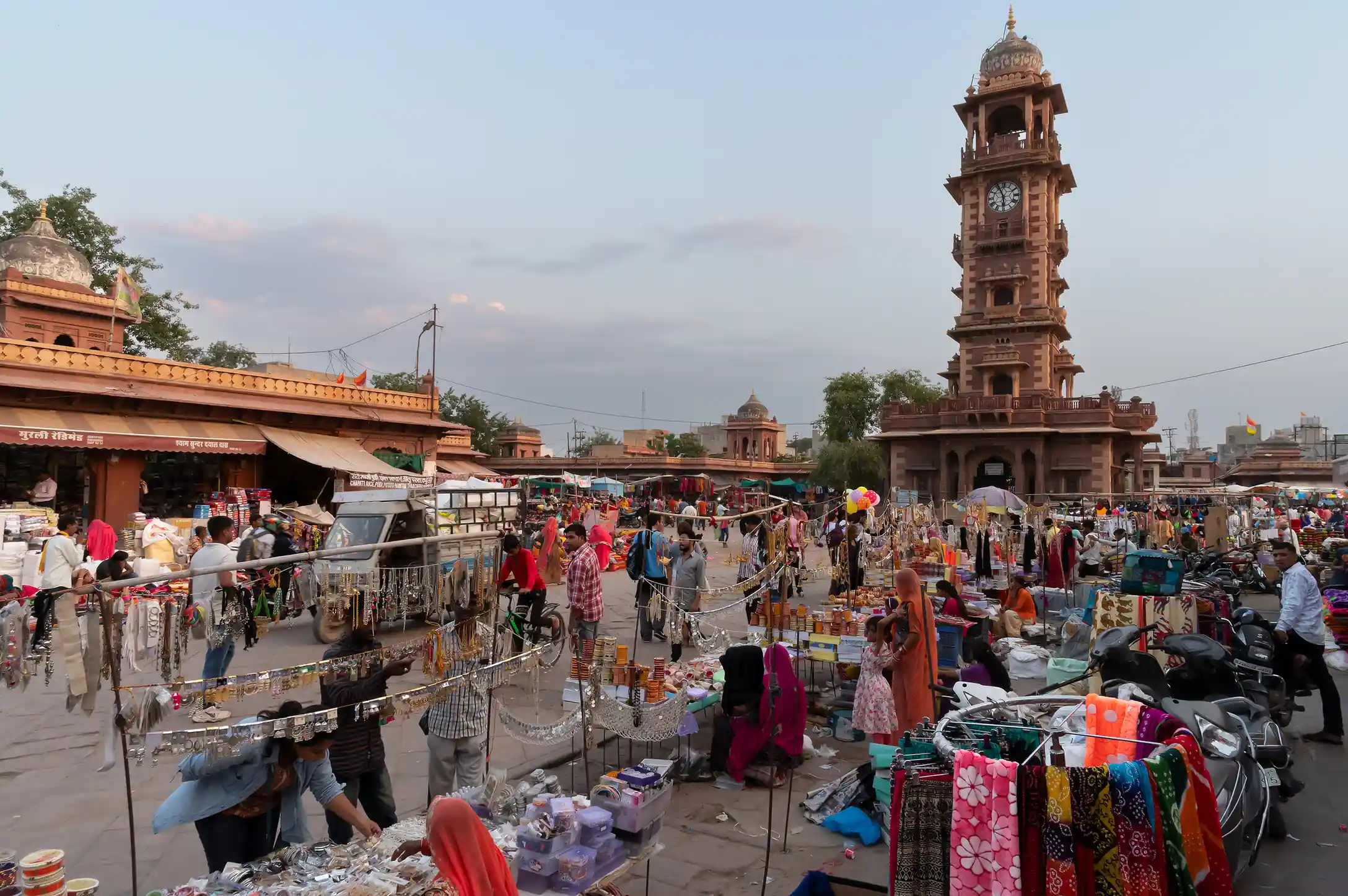
The bustling activity around Sardar Market and its central Clock Tower provides a distinctly different photographic register from the city’s quieter monuments — spice vendors arranging their stalls, artisans working in open-fronted shops, and the general rhythm of daily commerce in a centuries-old market, dense with colour and movement that rewards a more candid, observational shooting style.
Sunset From Chamunda Mata Temple
This lesser-visited temple within the Mehrangarh Fort complex offers a strong alternative sunset vantage point to the busier main fort viewpoints, with a wide, largely unobstructed view over the city as the light fades — worth seeking out for photographers who’ve already shot the standard rampart view and want a quieter angle on the same golden hour.
Sunset and the Illuminated Fort After Dark
Golden hour before sunset delivers the warmest, most classic light for the fort-and-city composition, while the brief blue-hour window just after sunset offers a balanced exposure between a still-colourful sky and the fort’s newly illuminated walls — a combination that’s notoriously difficult to hold onto once full darkness sets in, so timing this window matters more than almost any other shot on this list.
Umaid Bhawan Palace and Art Deco Details
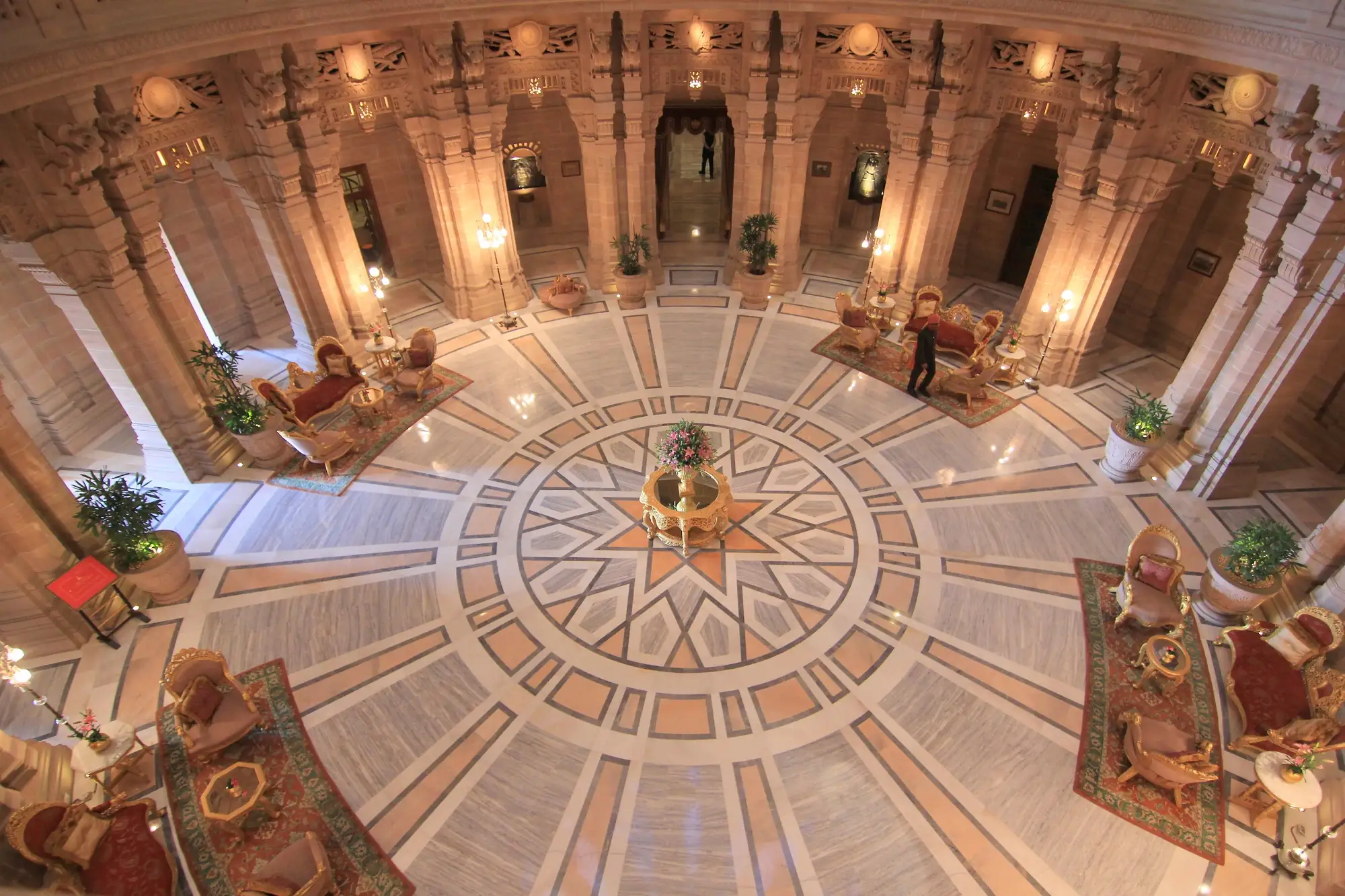
Umaid Bhawan Palace’s Art Deco architecture, unusual within Rajasthan’s largely Rajput and Mughal-influenced monument landscape, offers photographers a distinctly different subject, with its museum wing’s vintage cars and interior details providing material distinct from the fort-and-bazaar photography common elsewhere in the city.
Best Rooftop Cafes for Photography
Several Old City rooftop cafes cater specifically to photographers seeking the classic blue-city-with-fort composition, some charging a small fee for rooftop access alone without requiring a food purchase — worth confirming current policy before climbing up expecting free access.
Night and Low-Light Photography
Mehrangarh’s illuminated evening facade and the warmly lit blue lanes after dark both offer meaningfully different photography opportunities from daytime shooting, requiring a steady hand or small tripod given the lower available light in most of these settings. A smartphone with a capable night mode can produce respectable results for casual photography, particularly for the well-lit fort-at-night shots that don’t require extensive manual control.
Practical Gear and Timing Advice
A wide-angle lens covers most of Jodhpur’s classic compositions, from the fort overview to the old-city lanes, while a longer lens helps isolate architectural details at Mehrangarh and Jaswant Thada without needing to physically approach restricted areas. A lightweight tripod becomes especially useful for sunset, blue-hour, and any interior shooting where flash isn’t permitted. Planning shoots around the golden morning and evening hours consistently produces better results than midday attempts across nearly every site covered in this guide to photography experiences in Jodhpur.
Making the Most of a Photography Trip to Jodhpur
Jodhpur’s consistent blue-and-gold colour palette gives the city an unusually cohesive visual identity, and photographers who plan shoots around this specific colour relationship, rather than chasing variety, tend to come away with the strongest, most distinctly Jodhpur-feeling image sets. Combining two or three of the vantage points covered here across a single golden-hour session, rather than treating each as a separate outing, makes efficient use of the city’s best light while it lasts. Whether shooting with a professional camera or a phone, the best photography experiences in Jodhpur reward a little planning around light and timing — it simply pushes good results toward memorable ones.
FAQ
What is Jodhpur known for photographically?
The blue-washed old city, Mehrangarh Fort’s sandstone walls, and dramatic sunset views over the city.
What’s the best time of day for photography?
Early morning and the hour before sunset offer the most flattering light for both the fort and blue lanes.
Are drones allowed at the fort?
Drone use is restricted around the fort and other heritage sites, so check current rules before flying.
What lens works best for Jodhpur photography?
A versatile mid-range zoom covers most scenarios, while a wider lens suits sweeping blue-city panoramas.
Is street photography welcomed in Jodhpur?
Generally yes, though it’s respectful to ask permission before close-up portraits of vendors or locals.