Best Time to Visit Jodhpur: Weather, Seasons & Festivals
Jodhpur’s desert climate swings between extremes — chilly winter mornings, brutal summer afternoons, and a short, unpredictable monsoon — and picking the best time to visit Jodhpur mostly comes down to how much heat you’re willing to tolerate versus how much company and expense you want to deal with. This guide breaks down the seasons, the festivals worth timing a trip around, and how weather affects what you can actually do once you’re here.
Winter (October–March)
Winter is Jodhpur’s peak season and the most comfortable stretch of the year for sightseeing. Daytime highs typically sit in the low-to-mid twenties Celsius through December and January, dropping into cooler, sometimes properly cold mornings and evenings — worth knowing before you pack only summer clothes. It’s the season built for fort exploration, rooftop dinners, and full days outdoors without retreating from the heat, which is also exactly why it’s the busiest and most expensive time to visit.
Does Jodhpur see big day/night temperature swings, even in winter?
Yes. A pleasantly warm winter afternoon can give way to a properly cold evening, so layered clothing matters here more than the daytime numbers suggest — a light jacket you can put on and take off through the day is more useful than one heavy coat.
Summer (April–June)
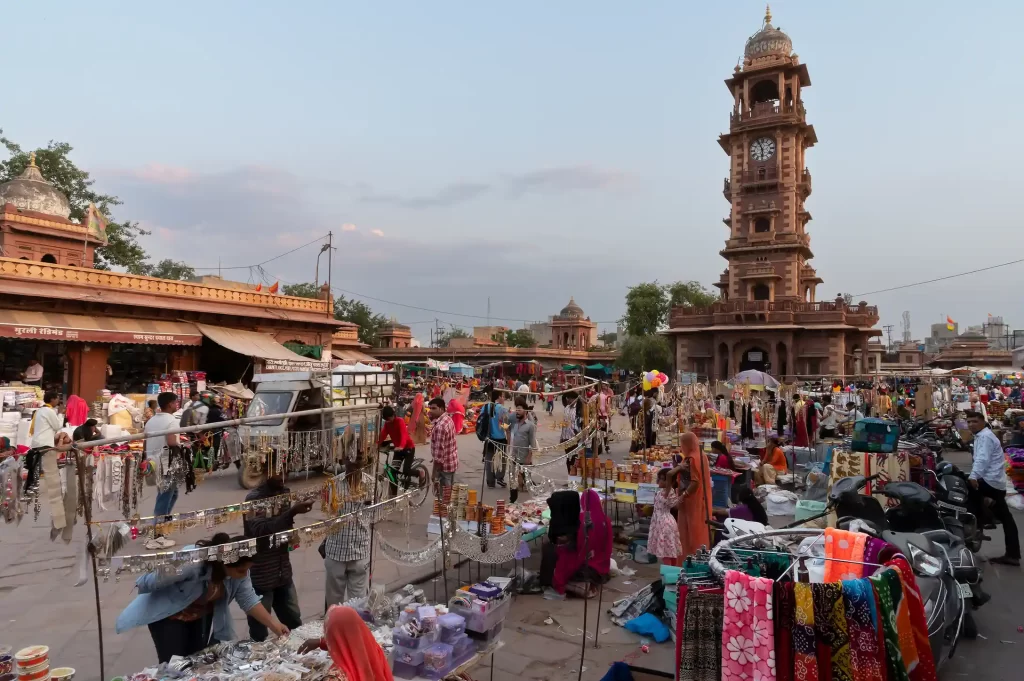
Summer brings Jodhpur’s harshest weather, with daytime highs regularly climbing into the high thirties and above forty degrees Celsius through May. Extended outdoor sightseeing during midday hours is close to unworkable; the practical approach is scheduling anything outside — Mehrangarh, the old city, day trips — for early morning or evening, and keeping midday for indoor stops, air-conditioned transport, or simply resting. Having spent time in the Thar during the hottest months, the heat here is a physical thing to plan around, not a line in a brochure. The upside: hotel prices drop and the city empties out, which suits travellers who would rather trade comfort for quiet, near-empty forts and lower rates.
How hot does it actually get in peak summer?
May is typically the hottest month, with daytime highs commonly touching or exceeding forty degrees Celsius; June runs only slightly cooler. It is a real constraint on how much you can comfortably do outdoors, not an exaggeration for effect — plan accordingly rather than assuming you will push through it.
Monsoon (July–September)
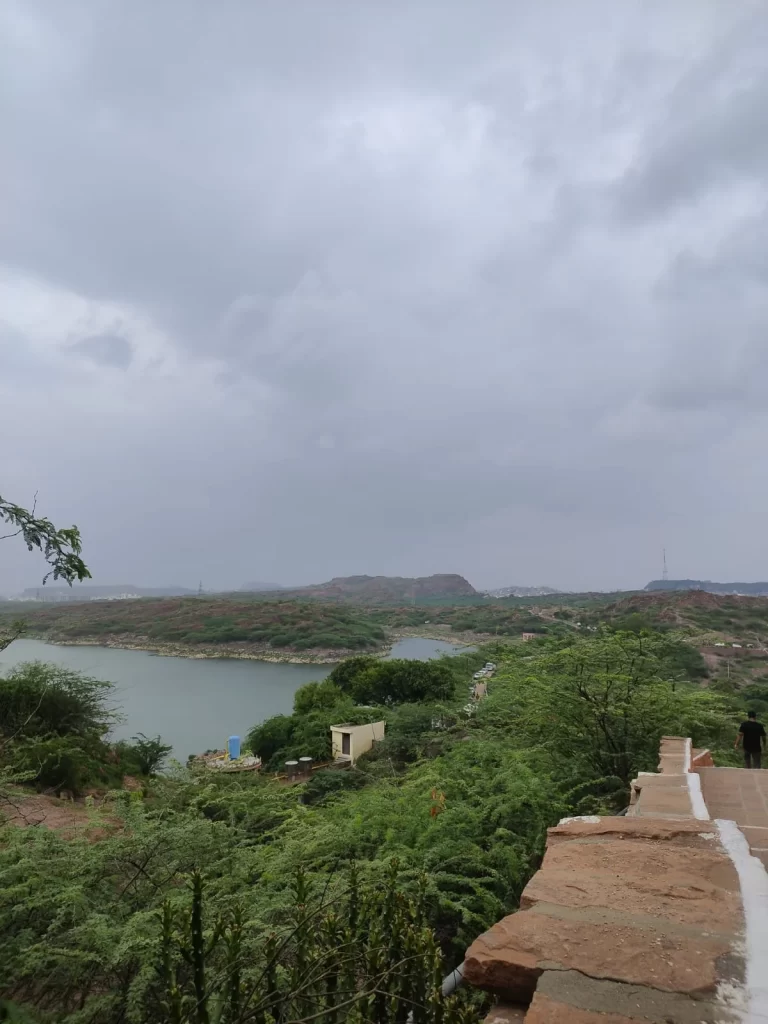
Jodhpur’s monsoon is lighter than what much of India experiences, since the city sits in a dry desert zone — rain arrives in short, intermittent bursts rather than sustained downpours, though occasional heavy spells can still disrupt a day’s plans. Temperatures ease off the summer peak, and the countryside around the city turns an unusually green for a few weeks, worth seeing if you have only ever pictured Jodhpur as sand and stone.
Is monsoon worth it for lower prices and fewer crowds?
For budget-conscious, flexible travellers, yes — monsoon combines lower rates with thin crowds at major sights, and the rain rarely lasts long enough to derail a full day. If guaranteed clear skies and predictable sightseeing matter more than saving money, stick to winter instead.
Choosing Your Ideal Travel Window
If comfortable sightseeing is the priority, November through February is the core window — arguably the best time to visit Jodhpur if comfort outweighs cost, with December and January the most popular, largely because they line up with school holidays for many international visitors, which also makes them the most crowded and the most expensive. Early March holds up reasonably well too, before the heat starts building in earnest. Within that stretch, November and February tend to offer a slightly better balance: still comfortable, without quite the same peak-season crush as December and January.
Shoulder Season (September–October, March)
Shoulder season is a different calculation from the ideal window above — it is not about finding the most comfortable weather, it is about trading some weather certainty for meaningfully fewer crowds and lower prices. September and October can still carry some late-monsoon humidity, and March starts warming toward summer, but both bring noticeably thinner crowds and better rates than the December–January peak. It suits travellers who would rather accept some weather variability than pay peak-season prices.
Jodhpur’s Festivals
Jodhpur’s two best-known festivals both cluster around Sharad Purnima, the year’s brightest full moon, which typically falls in October — though the exact date shifts from year to year with the lunar calendar, so it is worth checking specific dates before booking flights rather than assuming a fixed month. The Marwar Festival celebrates the region’s folk music, dance, and equestrian traditions over two days, staged partly against Mehrangarh Fort. Jodhpur RIFF (the Rajasthan International Folk Festival) is a separate, larger event held around the same period, bringing global and local musicians to perform within the fort’s courtyards over several days — the two are often assumed to be the same event, but they are distinct in scale and programming. Beyond these two, Holi and Diwali bring their own citywide celebrations at their usual times of year.
Timing a trip around either festival adds a real cultural dimension, but book accommodation well ahead — rooms fill quickly and prices climb during these dates.
How Weather Affects Specific Activities
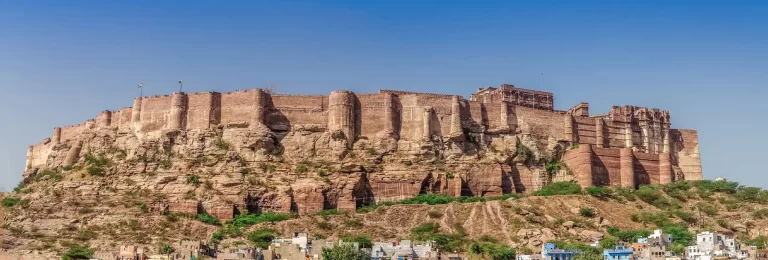
Desert excursions to Osian or into Bishnoi villages are the most weather-sensitive activities on a Jodhpur itinerary — winter conditions suit a full day of jeep travel and walking, while summer heat makes the same trip considerably more taxing and worth scheduling for an early morning departure rather than a midday one. Mehrangarh Fort itself is more forgiving year-round since much of the walk runs through shaded stone passageways, but the ramparts and open courtyards heat up fast once the sun is high, so an early visit is worth it in any season, not just summer.
Packing Considerations by Season
Winter needs layers — a light jacket for cool mornings and evenings, plus something warmer for December and January nights. Summer calls for lightweight, breathable clothing and serious sun protection: hat, sunglasses, and sunscreen are not optional. Monsoon visitors should add compact rain gear to whatever they would otherwise pack for the season’s temperatures. Across all three, comfortable walking shoes and a reusable water bottle matter more than anything season-specific, given how much of Jodhpur is best explored on foot.
Regional Weather Compared to Other Rajasthan Cities
Jodhpur runs drier and hotter than Udaipur, whose lakes give it a slightly milder microclimate, while its weather pattern tracks fairly closely with Jaisalmer’s, given both sit deeper in the Thar Desert. Travellers combining Jodhpur with Udaipur on one trip should expect Udaipur to feel a touch more temperate; pairing Jodhpur with Jaisalmer means broadly consistent conditions throughout, so there is little need to plan around a weather difference between the two.
Weather-Related Booking & Pricing
Because weather affects the Jodhpur experience so directly, choosing accommodation or tour operators with reasonable flexibility on rescheduling outdoor plans is worth it, particularly if you are travelling in shoulder season or monsoon when conditions are less predictable than the reliably dry winter peak.
Does time of year affect hotel pricing?
Yes. Peak winter, especially December through February, typically brings higher accommodation rates on demand alone. Shoulder season and summer months generally offer more competitive pricing, though exact savings vary by property and are worth comparing directly rather than assuming a fixed discount.
If I could only pick one week, which would experienced travellers recommend?
Late November or early February tends to be the practical answer — comfortable temperatures without landing inside the December–January peak, and a reasonable chance of catching part of festival season without the premium pricing that comes with booking directly around Marwar Festival or RIFF dates.
Choosing the Best Time to Visit Jodhpur
There is no single correct answer to the best time to visit Jodhpur — it depends on how much heat you will tolerate, how much you mind crowds and peak pricing, and whether a specific festival is part of the plan. Winter delivers the most reliable comfort at the highest cost and busiest sights; shoulder season trades some weather certainty for real savings and thinner crowds; summer and monsoon suit travellers prioritising budget and quiet over ideal conditions. Match the trade-off to what actually matters for your trip, rather than defaulting to whichever season everyone else picks.
FAQ
What is the best season to visit Jodhpur?
Winter, from October to March, offers the most comfortable sightseeing conditions.
Is summer a bad time to visit Jodhpur?
Summer brings intense heat, limiting comfortable outdoor exploration to early morning and evening.
Does monsoon affect a Jodhpur visit?
Monsoon brings occasional rain and humidity but also greener surroundings and fewer crowds.
Are there festivals worth timing a visit around?
Yes, Marwar Festival and Jodhpur RIFF both fall within the favorable winter season.
Is December the busiest month in Jodhpur?
Yes, December and January see peak tourist crowds and higher accommodation prices.