Jodhpur Photography, Stargazing & Night Experiences
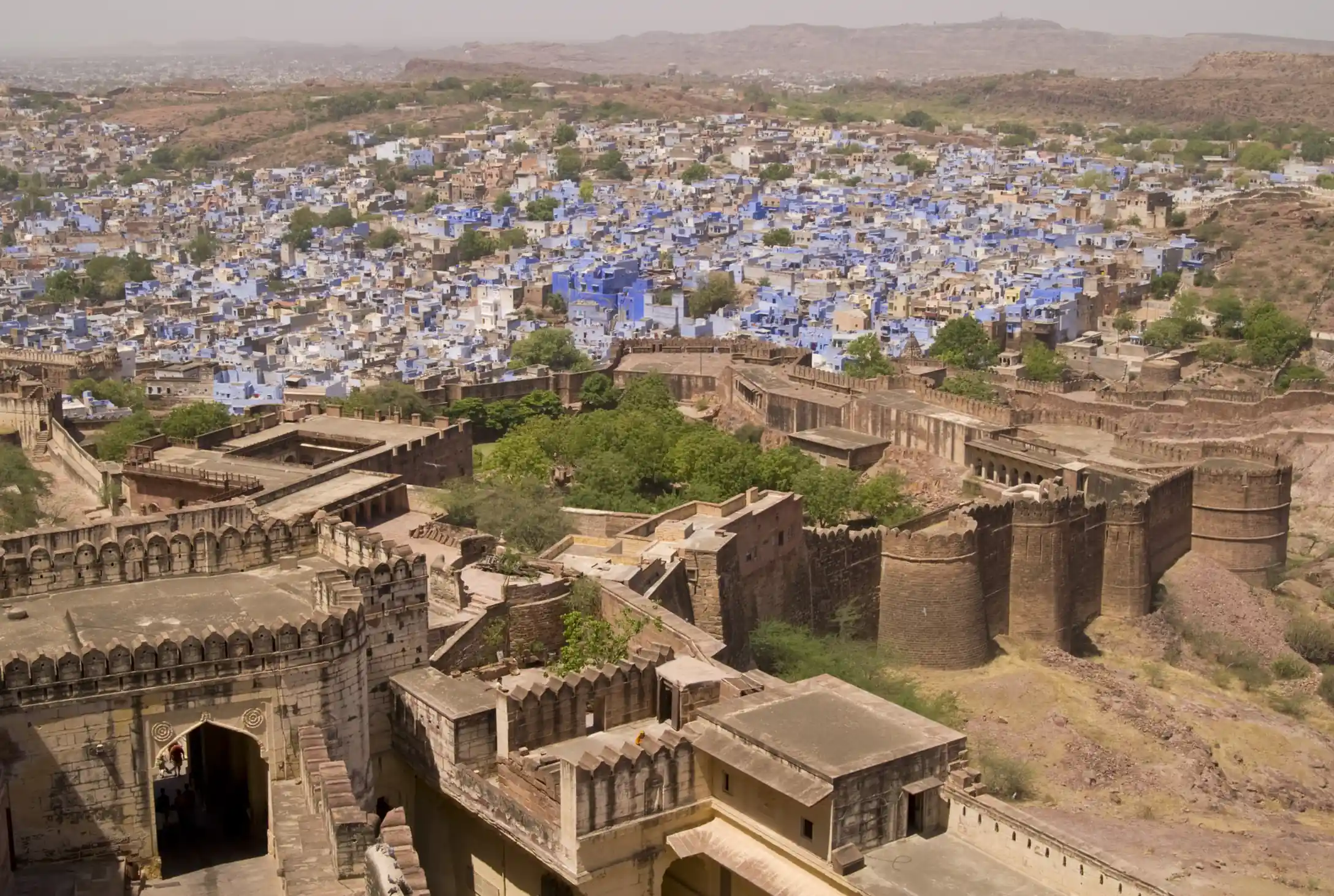
Jodhpur is one of the most photogenic cities in India, and not only for the reason most visitors expect. Yes, the blue-washed old city beneath a sandstone fort is the headline shot, but the light itself — clear desert air, dramatic sunsets, and remarkably dark skies once you’re away from the centre — makes Jodhpur reward photographers who go beyond the obvious viewpoint. This guide covers where and when to shoot in Jodhpur, from the classic Blue City overlook to stargazing spots most visitors never find. For the fuller single-article walkthrough, see our complete Jodhpur photography guide.
Best Photography Spots for the Blue City View
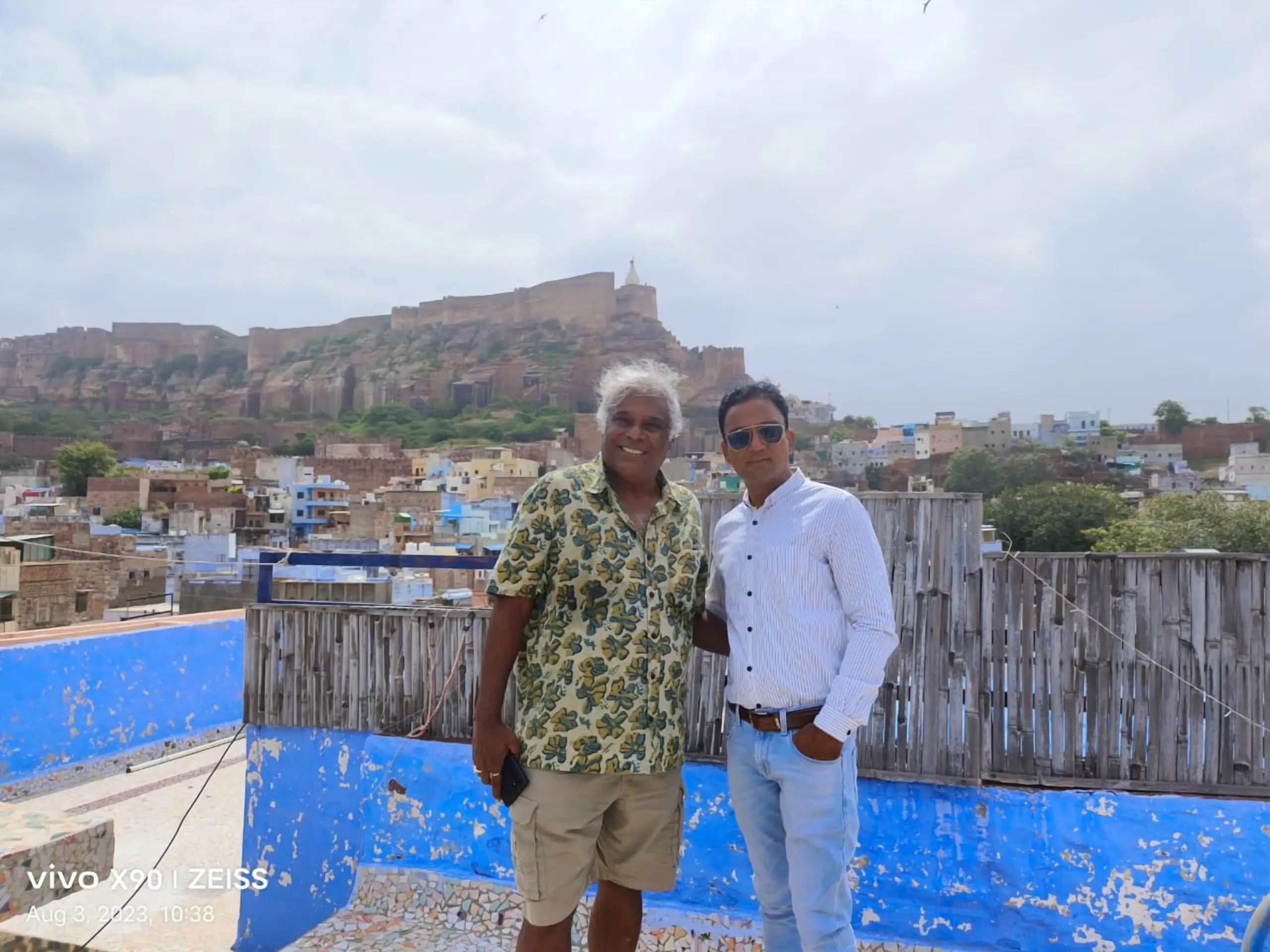
Mehrangarh Fort’s ramparts offer the single most reliable Blue City overlook, with multiple vantage points along the fort walls giving slightly different angles over the old town. Jaswant Thada, on the opposite side, offers a reverse view — the fort itself as the subject, framed by white marble cenotaphs in the foreground, arguably the more striking composition of the two despite being less commonly photographed. Within the old city itself, several rooftop cafés near Toorji Ka Jhalra offer elevated, closer-range views into the blue-washed lanes, useful for photographers who want texture and detail rather than the wide sweeping shot from the fort. Our full guide to Jodhpur’s best photography spots covers more named vantage points.
Jodhpur Sunset Guide
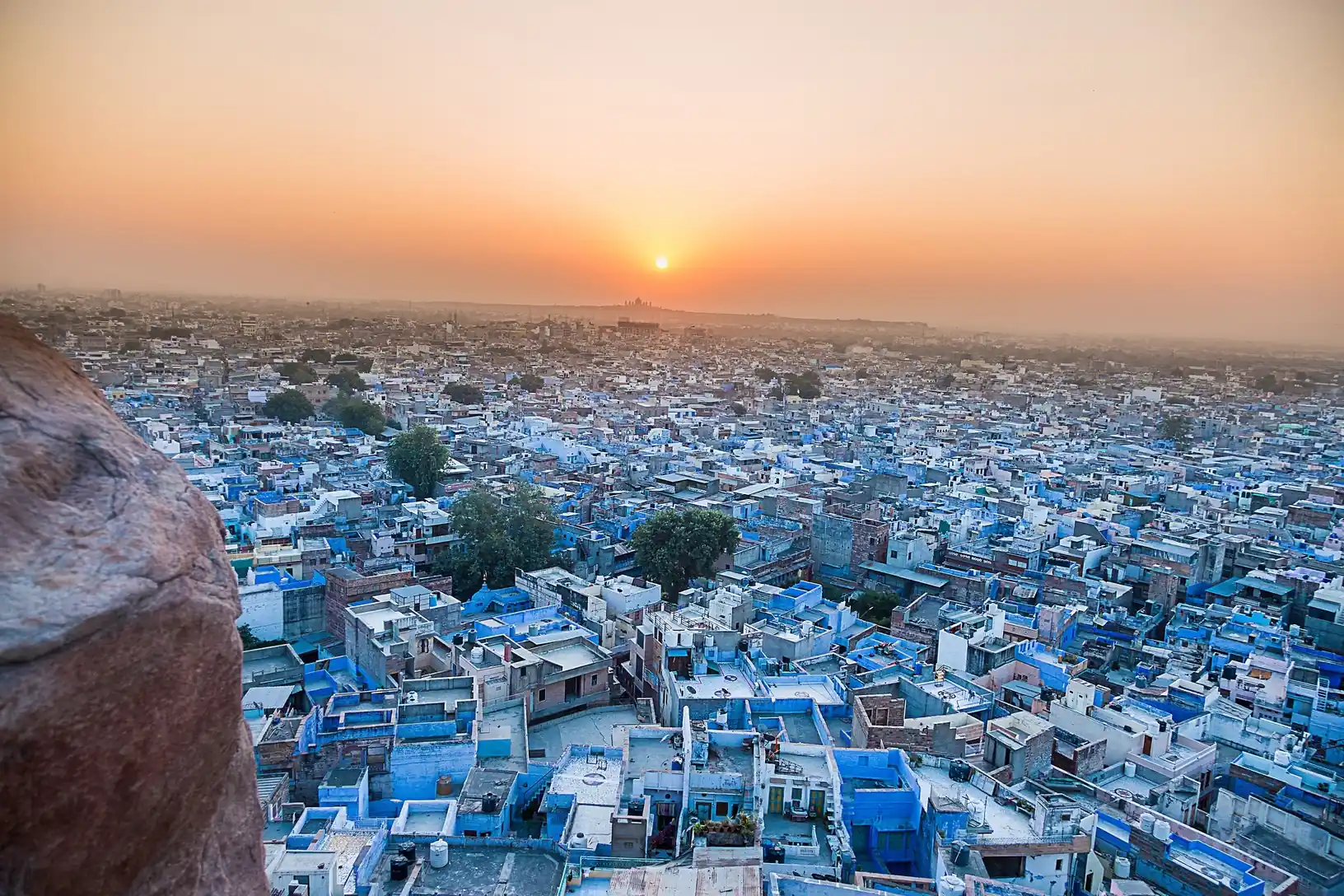
Kaylana Lake, on the city’s western edge, is widely considered Jodhpur’s best sunset spot — open water, an uninterrupted western horizon, and enough distance from the old city to feel distinctly calm rather than crowded. Within the city, rooftop restaurants and cafés near the fort and Toorji Ka Jhalra offer a more convenient sunset option, trading some of Kaylana’s tranquility for the dramatic backdrop of the fort catching the last light. Rao Jodha Desert Rock Park, at the base of the fort, is a strong and underused third option — quiet, elevated enough for a clear horizon, and considerably less crowded than the fort ramparts themselves at sunset. Our dedicated Jodhpur sunset guide covers all three spots in more depth.
Stargazing Near Jodhpur
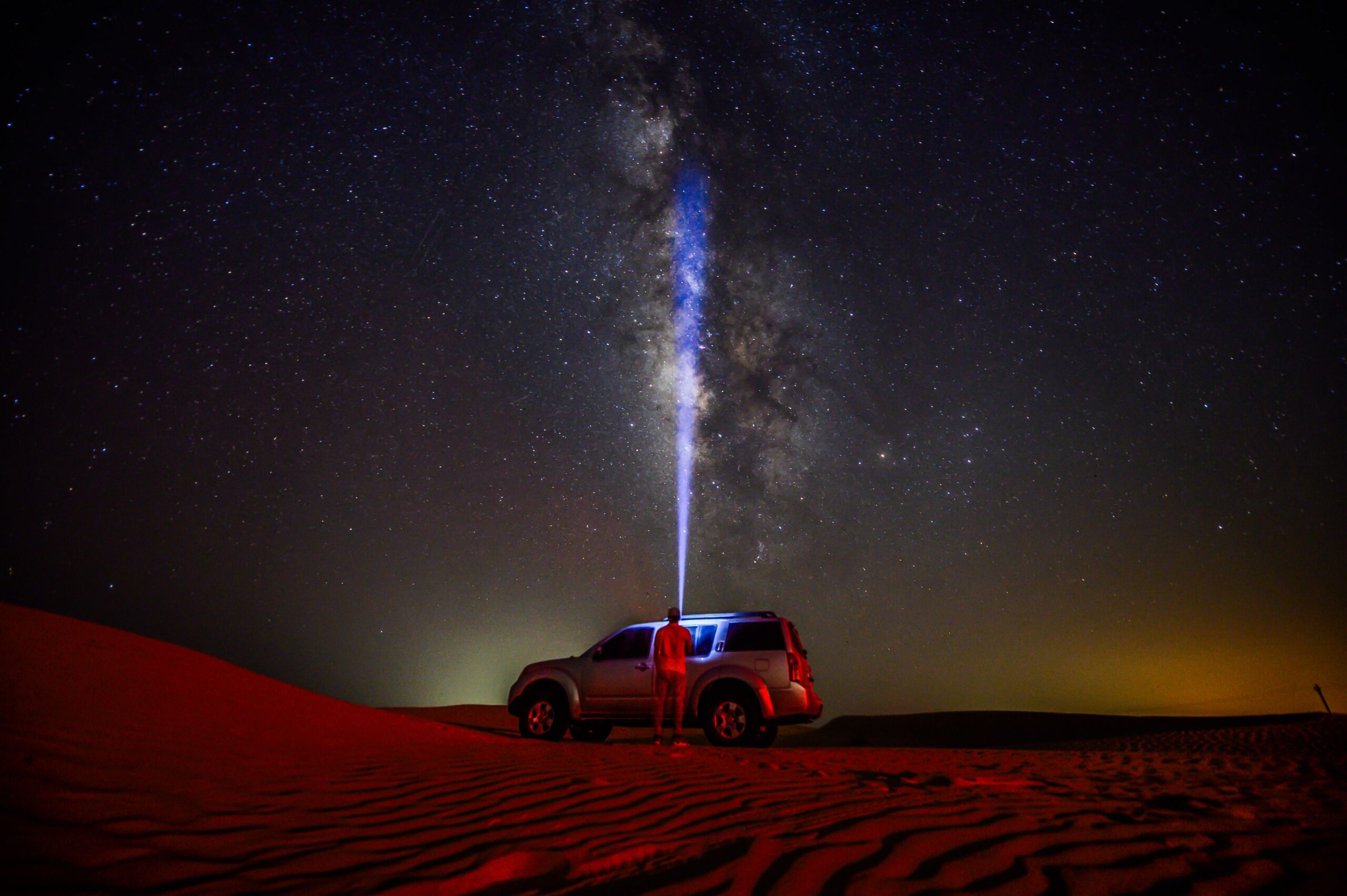
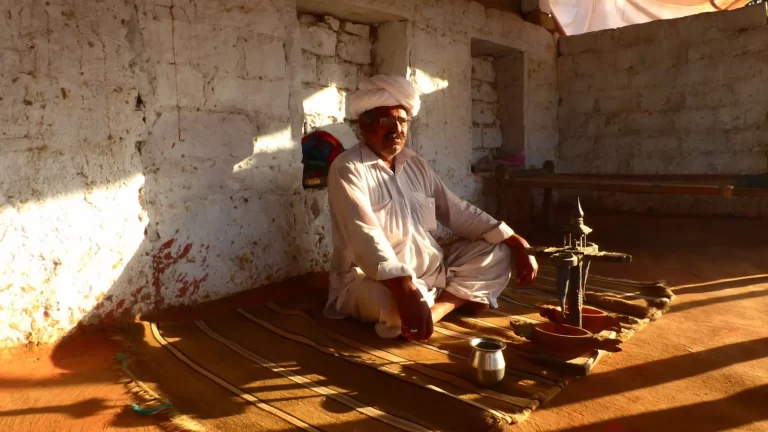
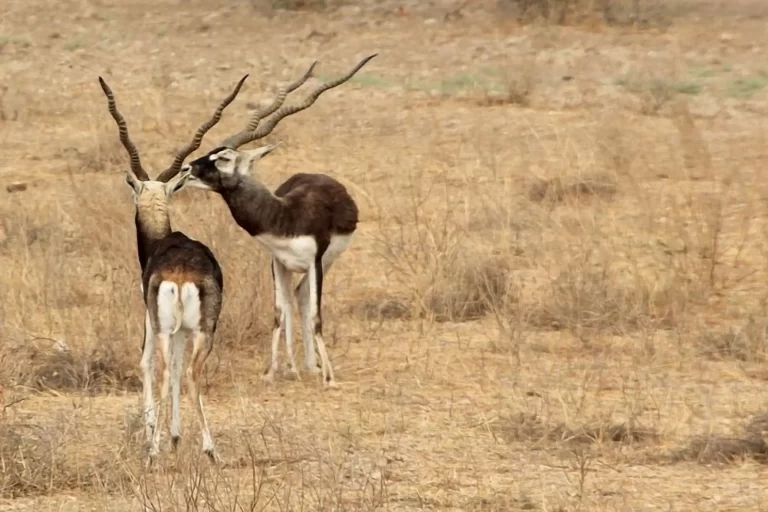
Jodhpur’s position at the edge of the Thar Desert means remarkably dark skies are within reach without an especially long drive, once you’re clear of the city’s light pollution. Areas around Osian and the open desert and scrubland surrounding Bishnoi villages both offer noticeably darker skies than anywhere within the city itself, and are commonly combined with an evening village visit or overnight desert camp experience. Winter months typically offer the clearest, haze-free skies, though the trade-off is colder night-time temperatures that make warm layers essential for any extended stargazing session. A growing number of desert camps and rural properties on the city’s outskirts now offer dedicated night-sky sessions, sometimes with telescopes, and travelers specifically interested in astrophotography should plan around the new moon for the darkest possible skies. See our full stargazing guide for more on desert camps and dark-sky spots.
Jodhpur at Night: Best Experiences
Mehrangarh Fort, illuminated after dark, is visible from much of the city and is worth seeing lit up even if you’ve already visited during the day — the lighting design emphasises the fort’s scale in a way that’s distinctly different from its daytime appearance. Sardar Market comes alive in a different register after dark too, with food stalls and shops lit and busy well into the evening, offering a livelier, more atmospheric version of daytime market browsing. Rooftop dining with the illuminated fort as a backdrop is one of Jodhpur’s most reliably memorable evening experiences, available at a wide range of price points across the old city. Our full guide to Jodhpur at night covers more after-dark experiences beyond photography.
Night Photography: Locations and Tips
Photographing the illuminated fort from a rooftop vantage point in the old city is the most accessible night-photography option, requiring only a stable surface or lightweight tripod rather than specialist gear. For long-exposure shots of the Blue City lanes lit by scattered window and streetlight, a tripod becomes essential given the low light levels involved. Formal tripod use inside monument complexes like the fort itself may be restricted after hours or require prior permission — checking current rules directly with fort management if a specific after-dark shoot inside the complex matters to your plans is worth doing rather than assuming access — the fort’s illuminated evening facade also runs on different opening hours than its daytime visiting hours, worth confirming ahead. See our dedicated night photography guide for camera settings and technique.
Best Times of Day for Photography
- Early morning (sunrise to 9 AM): Softest light on the fort’s sandstone walls, fewest crowds at major viewpoints, and the best window for photographing the old city lanes before the day’s activity picks up.
- Golden hour before sunset: The classic warm light for the Blue City overlook shots from Mehrangarh Fort’s ramparts.
- Blue hour, just after sunset: A brief but rewarding window when the sky still holds colour and the fort’s lighting has come on, giving a balanced exposure between sky and illuminated stone that’s harder to achieve once full darkness sets in.
- Midday: Generally the least flattering light for the old city’s textures, though useful for interior museum photography where harsh outdoor light isn’t a factor.
Photographing Mehrangarh Fort’s Interior
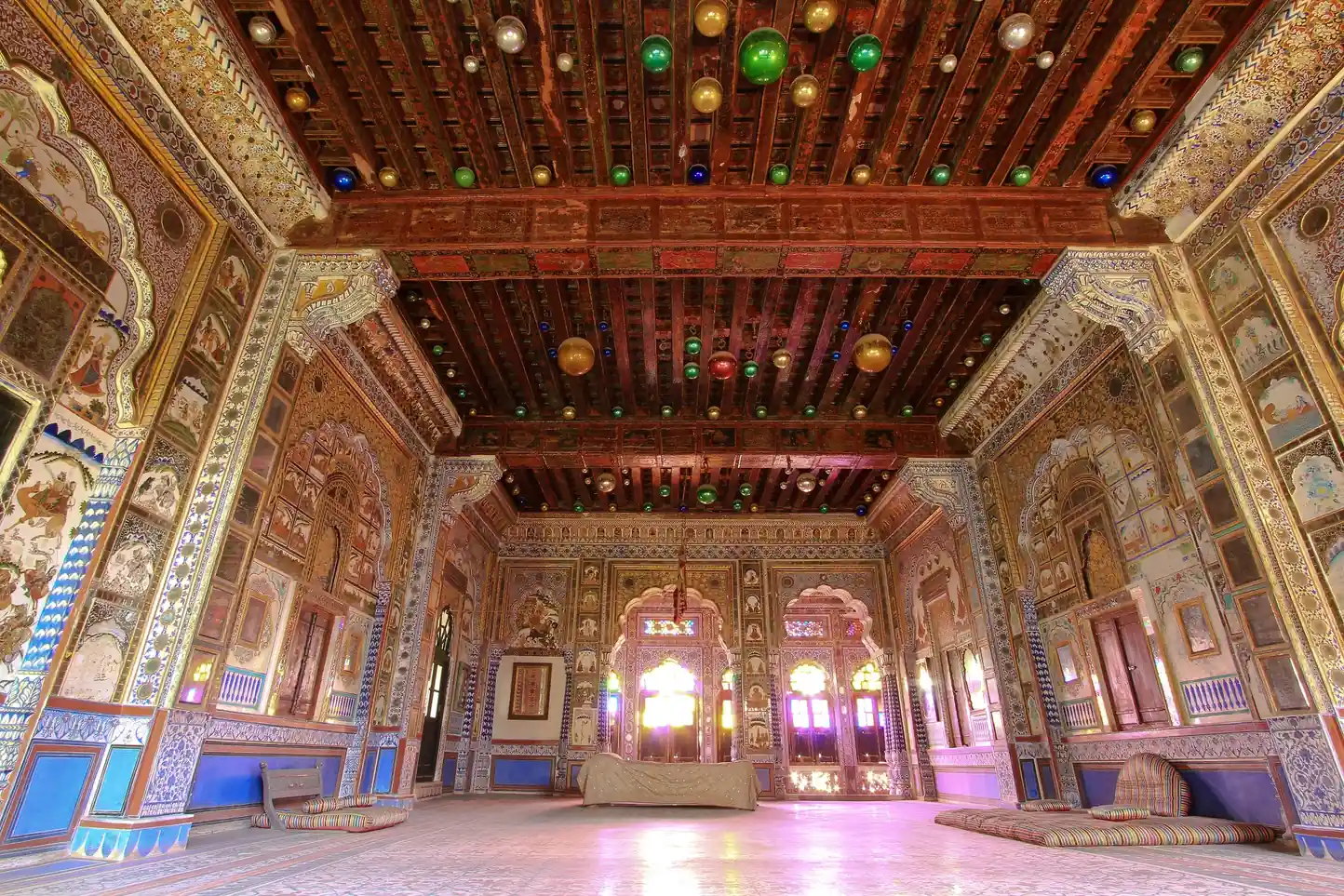
Inside the fort, the Phool Mahal’s gold-leaf ceiling and the Zenana Mahal’s intricately carved sandstone jali screens are the two standout interior subjects, though low interior light levels mean a camera capable of reasonable performance without flash (which is often restricted to protect the artwork and textiles) makes a meaningful difference. The jali screens in particular reward close-up, detail-focused shots as much as wide interior views — the fine lattice patterns are one of the fort’s most distinctive visual features and photograph well even in relatively low light, since the strong graphic pattern holds up regardless of exposure limitations.
Street and Portrait Photography in the Old City
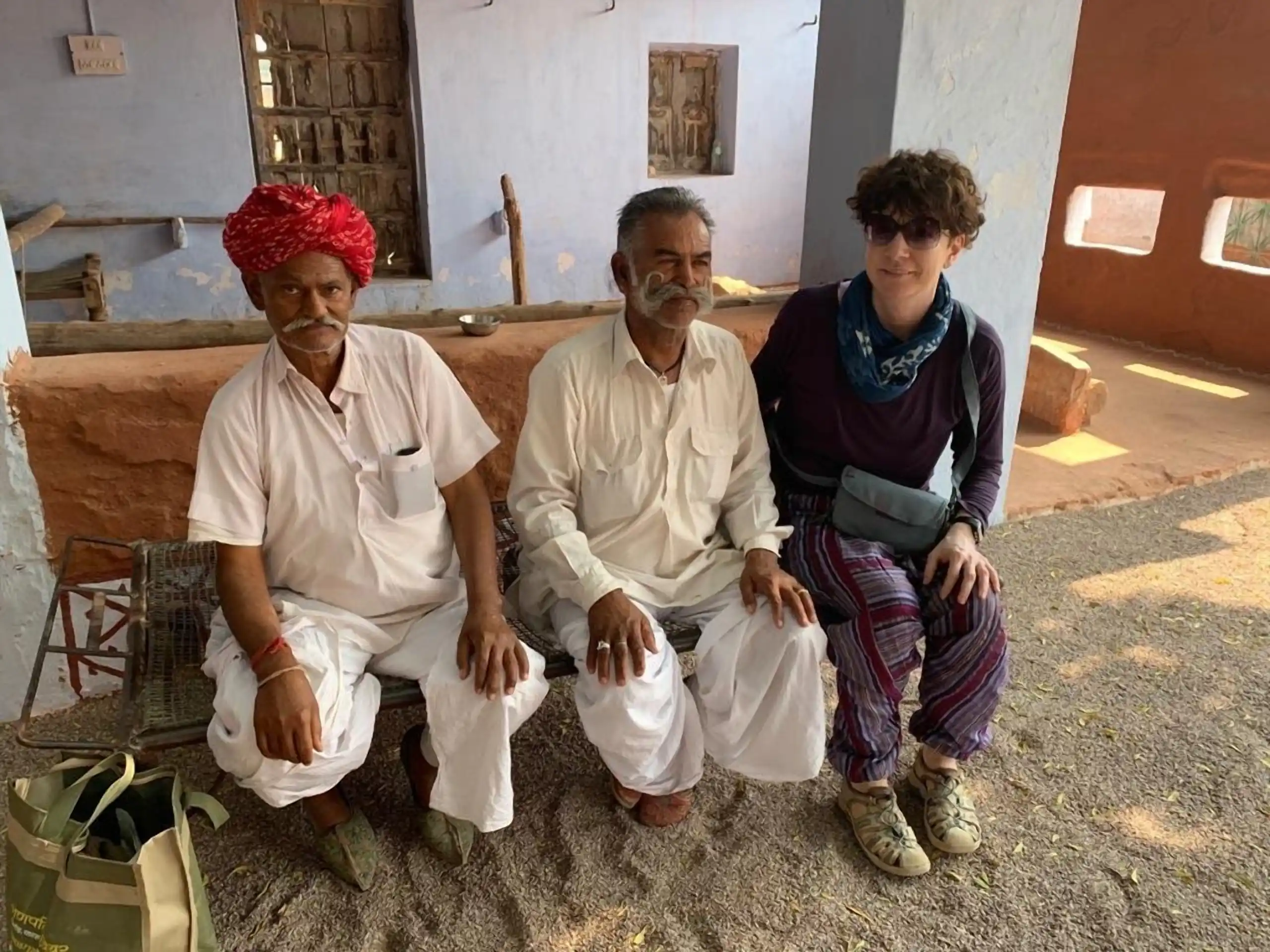
Sardar Market and the narrow lanes beneath the fort offer distinctly rich street photography — spice vendors, artisans at work, and the daily rhythm of the old city all make for compelling subjects. As with any street or portrait photography involving strangers, asking permission before photographing individuals up close is both courteous and generally well received in Jodhpur, where a smile and a gesture toward the camera is usually enough to get a friendly nod, though a few vendors, understandably tired of constant tourist photography, may decline. Buying something small from a stall before asking to photograph the vendor is a small courtesy that often smooths the interaction considerably.
Photographing the Blue City from Ground Level
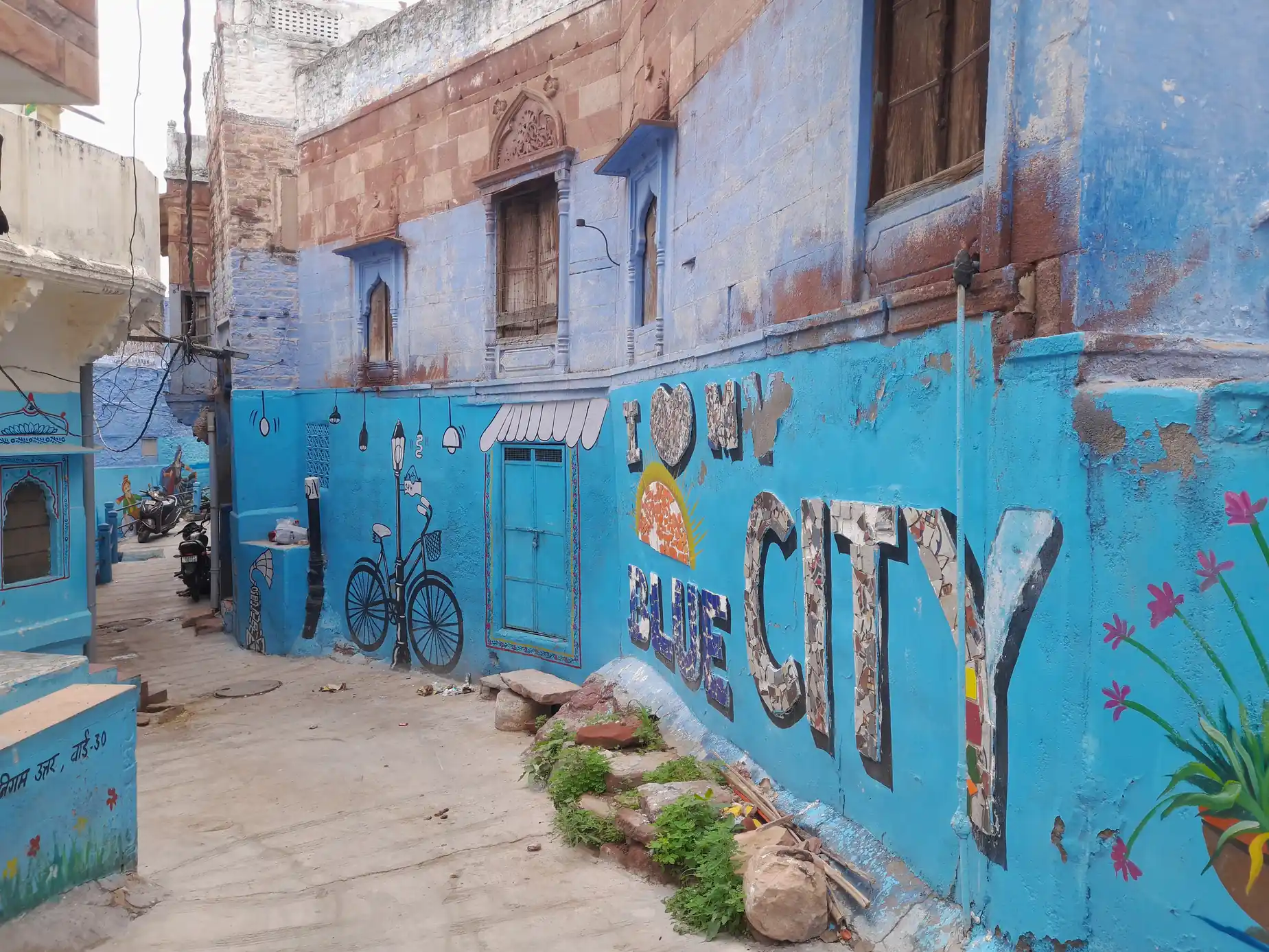
While the classic overview shot comes from the fort ramparts, walking the blue-washed lanes themselves at ground level offers an entirely different, more intimate set of compositions — narrow alleys framed by indigo walls, doorways, and the play of shadow and light through the tight streets. Early morning, before the day’s foot and vehicle traffic builds, offers both the softest light and the cleanest, least cluttered compositions for this kind of shooting. Some residents have grown weary of constant photography of their homes and doorsteps specifically, so a respectful, unobtrusive approach — and again, asking before photographing anyone directly in a doorway or window — goes a long way.
Combining a Stargazing Trip with a Village Visit
Several operators around Jodhpur now combine an evening Bishnoi village or desert-camp visit with dedicated stargazing, sometimes including basic astronomy guidance or a telescope. This tends to be a more efficient and rewarding way to experience Jodhpur’s dark skies than simply driving out alone after dark, both for the added context and for the practical benefit of a guide who knows the area’s roads and safe stopping points after nightfall.
Seasonal Considerations for Photographers
Winter (November through February) offers the clearest air and haziest-free skies for both landscape photography and stargazing, along with comfortable daytime temperatures for extended outdoor shooting sessions. Summer’s intense heat and occasional dust haze can noticeably soften long-distance compositions like the Blue City overview, though dramatic pre-monsoon skies in May and June sometimes produce striking cloud formations and light that winter’s clearer but flatter skies don’t offer. Monsoon season (July to September) brings a greener landscape and dramatic storm-light opportunities, at the cost of less predictable conditions overall.
Photographing Jaswant Thada and Umaid Bhawan Palace
Jaswant Thada’s white marble catches light very differently depending on the hour — flat and bright at midday, but glowing with a warm interior translucence in the hour or two after sunrise, when the thin marble panels let filtered light through. The surrounding lake adds reflection possibilities rarely available at Jodhpur’s other major monuments. Umaid Bhawan Palace, with its distinctive Art Deco lines and warm sandstone colour, photographs particularly well in the late-afternoon golden hour, when the low sun brings out the texture of the stonework; the palace grounds and gardens offer a good vantage point without needing access to restricted interior areas.
A Sample One-Day Photography Route
For photographers with a single day to prioritise, a reasonable route starts at Mehrangarh Fort at opening time for soft morning light and quieter galleries, moves to Jaswant Thada mid-morning while the light is still favourable, continues into the old city lanes and Sardar Market around midday for street photography (when the harsh light matters less for close-up, detail-focused shots), and ends back at the fort ramparts or a rooftop café for golden hour and the Blue City sunset shot — closing with the illuminated fort after dark for a final night shot before dinner.
Editing and Sharing: A Note on Colour Accuracy
Jodhpur’s blue is remarkably striking straight out of camera, and it’s tempting to push saturation further in editing for a more dramatic social-media result. Worth knowing: the actual shade varies considerably house to house depending on how recently each building was repainted, ranging from a deep indigo to a pale, almost grey-blue on older, weathered walls. A lightly processed, true-to-scene edit often captures this variation — one of the city’s more interesting visual details — better than an oversaturated, uniform blue that flattens the texture the old city actually has.
Whether chasing the classic blue-city panorama or a reliably dark desert sky, Jodhpur rewards photographers willing to plan around both light and season rather than shooting purely on impulse.
FAQ
What is the best photography subject in Jodhpur?
The blue-washed old city, best photographed from Mehrangarh Fort’s elevated ramparts.
Is Jodhpur good for night photography?
Yes, the illuminated fort and warmly lit market lanes offer strong night photography opportunities.
Where can I go stargazing near Jodhpur?
Desert countryside away from city lights offers the best dark-sky stargazing conditions.
What’s the best time for sunset photography?
The hour before sunset offers the most flattering light for fort and old-city shots.
Are tripods allowed at Mehrangarh Fort?
Tripod policies vary; checking with fort authorities in advance is advisable for serious photographers.
Useful Links
Related Posts
- Jodhpur Photography Guide: Best Places to Photograph the Blue City
- Best Photography Spots in Jodhpur: Forts, Blue Streets & Sunsets
- Jodhpur Sunset Guide: Best Places to Watch the Sunset
- Stargazing Near Jodhpur: Best Places for Dark-Sky Experiences
- Jodhpur at Night: Best Night Experiences & Places to Visit