Jodhpur Travel Guide: Everything You Need to Know Before You Go
Jodhpur, the Blue City of Rajasthan and former capital of the Marwar kingdom, pairs an imposing hilltop fort with a maze of indigo-washed lanes and a desert culture that’s still part of everyday life, not staged for visitors. It’s compact enough to plan without a logistics headache, but there’s enough here — sights, food, markets, day trips — that a little upfront planning goes a long way. This Jodhpur travel guide covers what you need to know before you go — from getting here and getting around, to where to stay, what to eat, and the everyday practicalities that make a trip go smoothly — with links to deeper guides where a topic deserves more than a summary.
Why Visit Jodhpur
Mehrangarh Fort alone justifies the trip — one of India’s best-preserved fort museums, still looming over the city rather than sitting apart from it. What sets Jodhpur apart from more polished tourist circuits is how much of the old city still functions as a working neighbourhood: dyers, blacksmiths, spice traders, and families living within sight of the fort walls. It’s history you walk through rather than view from behind glass.
Best Time to Visit
Winter (October to March) is Jodhpur’s most comfortable season for sightseeing, and also its busiest and most expensive. Summer brings serious desert heat that limits outdoor time to early morning and evening, while monsoon (July to September) is lighter here than in most of India and comes with lower prices and thinner crowds. For the full season-by-season breakdown, including festival timing and packing notes, see the complete guide to the best time to visit Jodhpur.
Getting to Jodhpur
Jodhpur is reachable by domestic flight, train (including the Vande Bharat Express from Delhi), direct bus from Delhi and other Rajasthan cities, or road. Which option makes sense depends mostly on where you’re starting from and how much of the journey you want to spend travelling versus sightseeing. The full guide to reaching Jodhpur breaks down each option, including travel times and distances from nearby cities.
Getting Around Jodhpur
Once you’re here, the old city is best covered on foot — many lanes are too narrow for vehicles anyway — while auto-rickshaws, taxis, and ride-hailing apps handle everything beyond walking distance. The full guide to getting around Jodhpur covers rickshaws, hiring a car with a driver, and getting to Mehrangarh Fort specifically, in more depth.
Where to Stay
Accommodation runs from budget guesthouses to heritage havelis converted into boutique hotels, with the old city offering the most walkable, immersive base and areas slightly further out sometimes offering better value if you don’t mind relying on transport. See the guide to where to stay in Jodhpur for a breakdown by area and traveller type.
Essential Sights
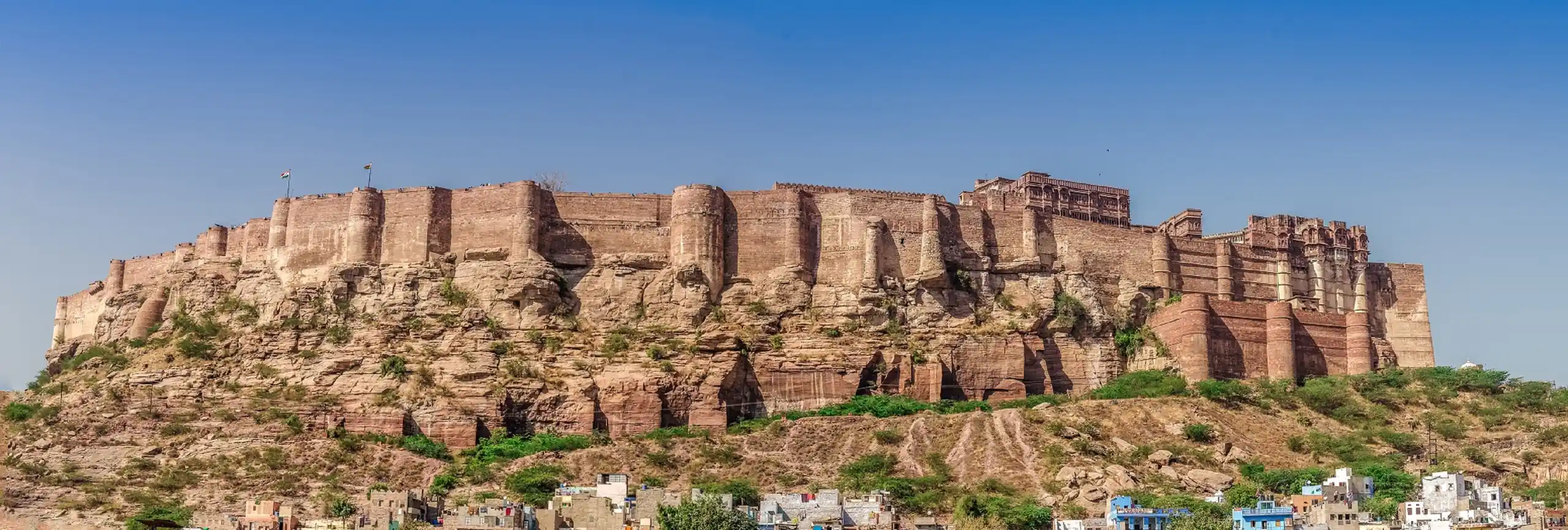
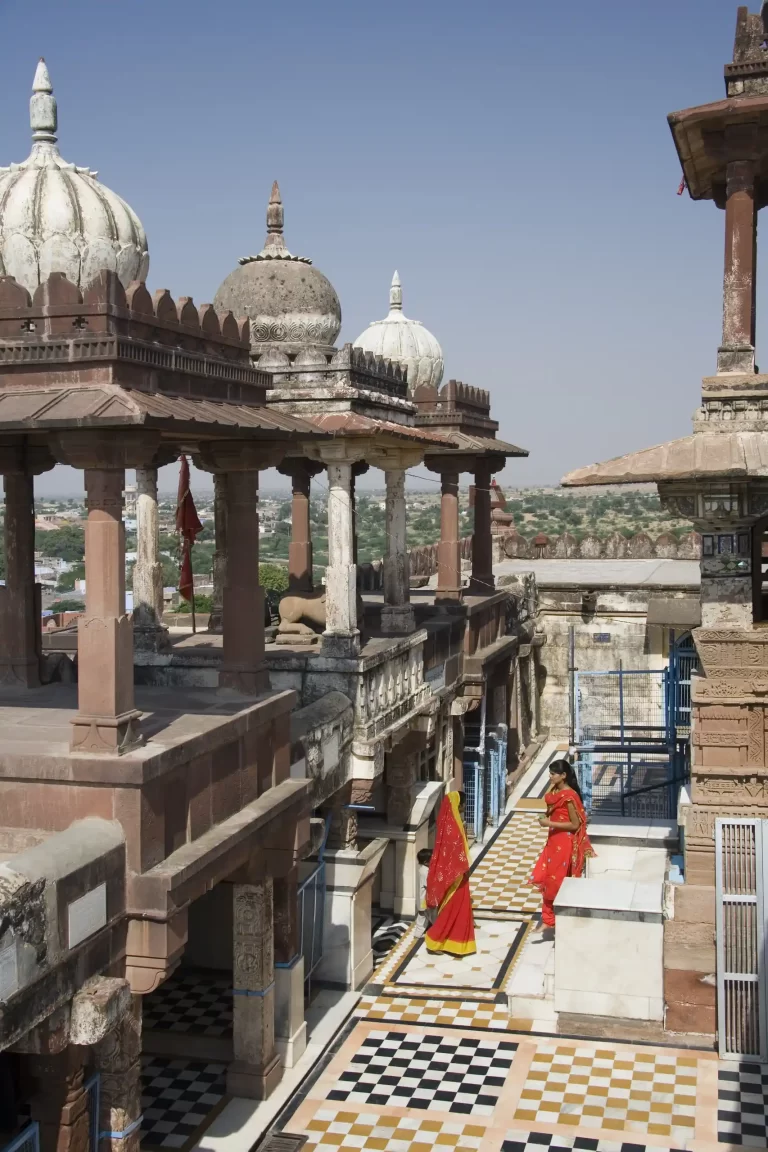
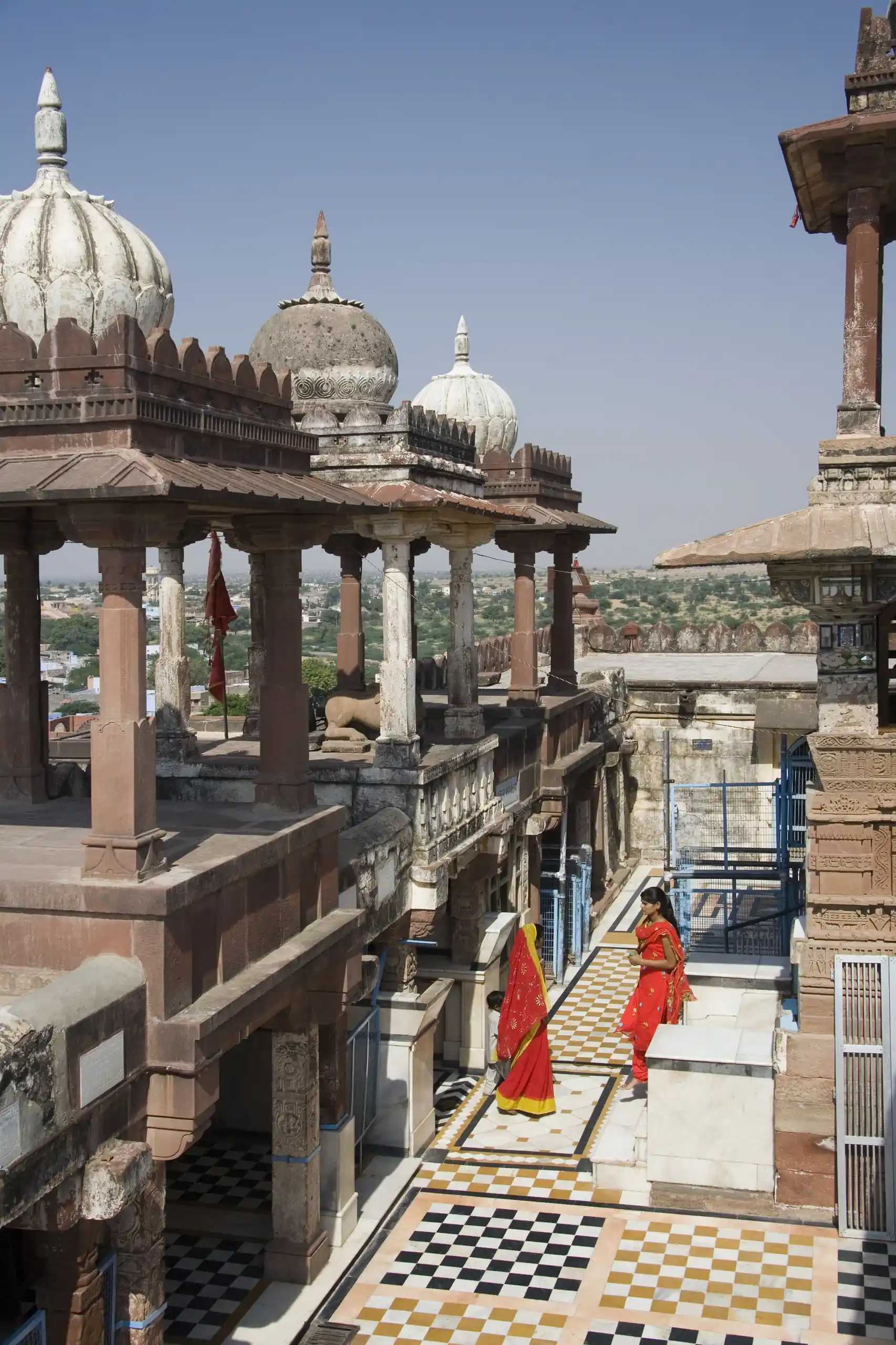
Mehrangarh Fort and its museum are the anchor of any visit — budget at least half a day for it. Jaswant Thada, the marble memorial just below the fort, is a quieter, less crowded stop worth pairing with it. The Blue City’s old town lanes reward slow wandering more than a checklist approach, and Umaid Bhawan Palace, still partly a royal residence, is worth the visit if you have time beyond the fort and old city.
Food and Dining
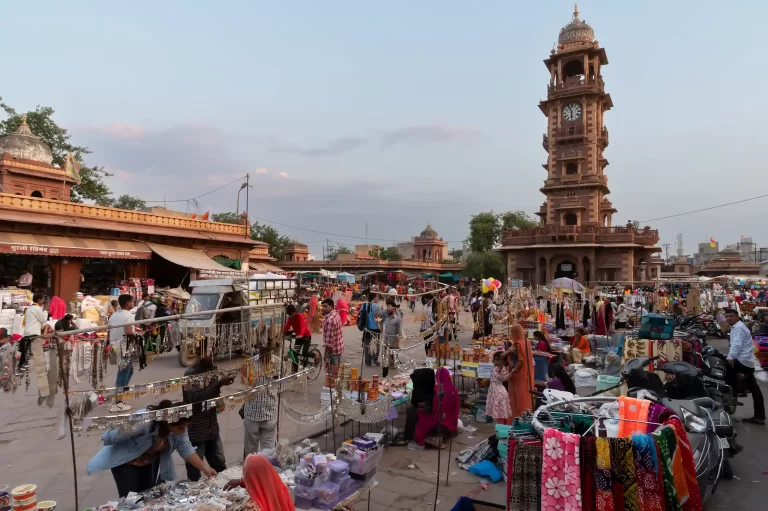
Jodhpur’s food scene runs on a real mix of traditions: Rajput non-vegetarian cooking like laal maas sits alongside strong Marwari and Jain vegetarian traditions, so vegetarian travellers are as well served here as anyone. Street food stalls around the clock tower and old city markets are worth trying alongside the heritage restaurant dining that’s become more common in recent years.
Shopping in Jodhpur
Sardar Market, right below the clock tower, and the boutique shops around Toorji Ka Jhalra are the two main shopping areas, covering textiles, bandhani tie-dye, block printing, antiques, and restored furniture. These are local crafts rather than imported souvenir-shop stock, worth knowing if you’re deciding where to spend limited shopping time.
Day Trips from Jodhpur
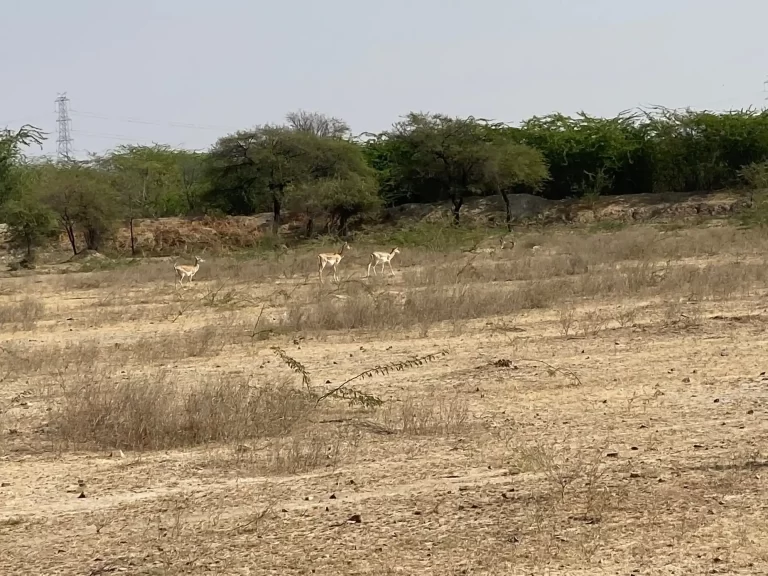
Osian’s ancient temples and desert dunes, Bishnoi village wildlife safaris, and Mandore Gardens are the three most rewarding day trips from the city, each doable without an overnight stay. Osian and the Bishnoi villages are the better picks if wildlife and desert landscape interest you more than another set of temples.
Festivals and Events
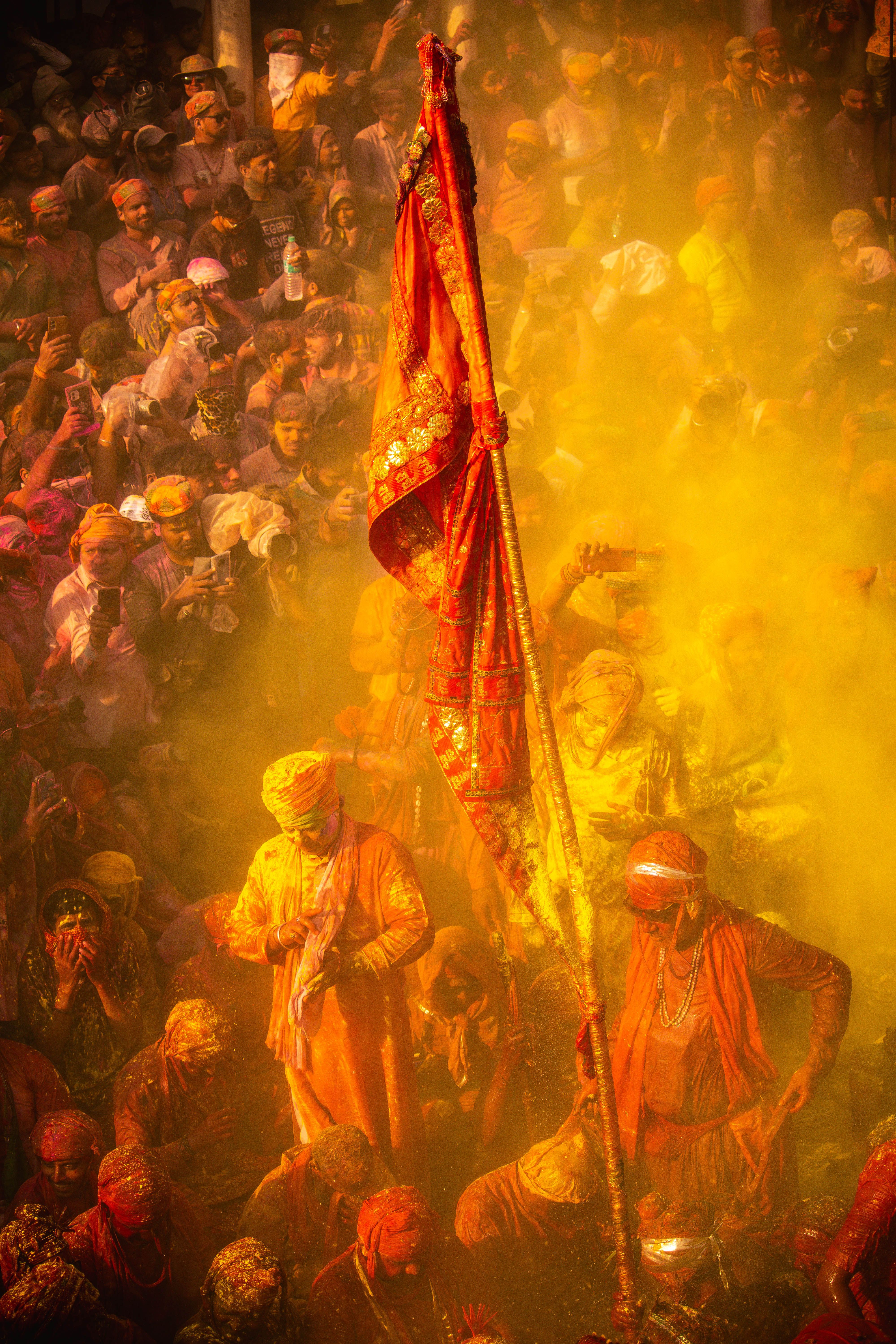
The Marwar Festival and Jodhpur RIFF (Rajasthan International Folk Festival) both cluster around Sharad Purnima, usually falling in October, alongside Holi and Diwali at their usual times of year. Timing a trip around either festival adds a real cultural dimension, though it’s worth booking well ahead since rooms fill fast. For festival dates and how they interact with the wider travel calendar, see the Best Time to Visit guide’s festival section.
Getting Your Bearings in Jodhpur
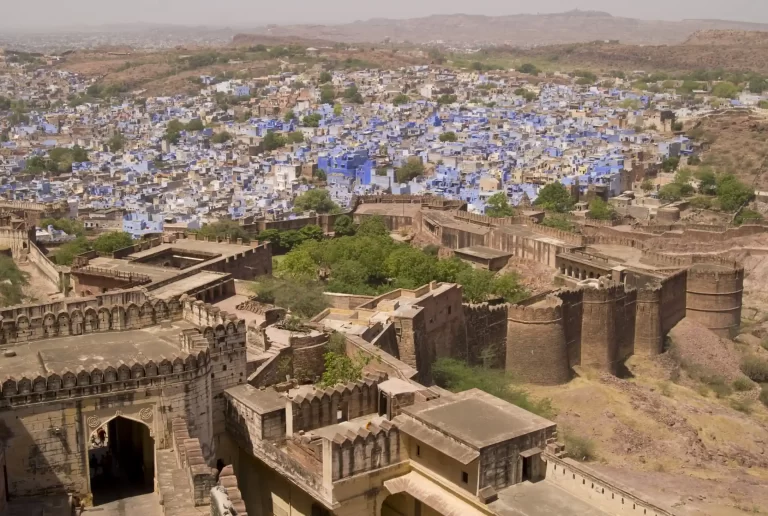
Jodhpur splits fairly cleanly into two parts: the old walled city, with its blue-washed lanes clustered beneath Mehrangarh Fort, and the newer town spreading out beyond it, where many modern hotels and restaurants sit. Most first-time visitors spend the bulk of their time in and around the old city, since most major sights fall within a compact, walkable area right below the fort — worth keeping in mind when picking where to stay.
Budget Planning
Jodhpur works across a wide range of budgets, from guesthouses and street food to heritage hotel stays and fine dining, without the trip needing to lean toward either extreme. Rather than estimate costs in this Jodhpur travel guide, the dedicated Jodhpur travel costs guide breaks down realistic figures by category, including entry fees like Mehrangarh Fort’s.
Money, Bargaining and Tipping
The Indian Rupee is the only currency you’ll need, and ATMs are widely available across the city; most hotels, larger restaurants, and established shops accept cards or UPI, though smaller stalls, auto-rickshaws, and village visits often need cash. Bargaining is standard practice in markets and with unmetered auto-rickshaws — fixed-price shops and app-based cabs skip this if you’d rather avoid negotiating. Tipping is appreciated, not mandatory: modest amounts for guides, drivers, and craft demonstrations are in line with practice elsewhere in India, nothing more.
Local Language and Communication
Hindi and the local Marwari dialect are the most commonly spoken languages, but English is widely understood in hotels, restaurants, and with guides — you won’t need fluency in either to get around independently. A few basic Hindi greetings go further than you’d expect in markets and smaller establishments away from the main tourist areas.
What to Pack
Loose, breathable clothing covers most of the year, with a light jacket or shawl for cooler winter evenings. Modest clothing — shoulders and knees covered — is expected at temples, and comfortable closed shoes matter given how much walking Mehrangarh Fort and the old city’s uneven lanes involve. Sun protection matters year-round, including in winter, given how strong the desert sun stays even on cooler days.
Connectivity and SIM Cards
Most hotels and cafes offer wifi, and local SIM cards with data plans are easy to arrange at the airport or in the city with a passport and photo — worth doing on arrival if you want reliable navigation and connectivity throughout the trip. Signal weakens somewhat on rural excursions to villages or desert areas outside the city, so don’t rely on it for anything time-sensitive during a day trip.
Health and Safety Essentials
Jodhpur is a safe, welcoming city for travellers by the standards of Indian tourist destinations, but the usual precautions apply: drink bottled or filtered water, be cautious with street food from unfamiliar stalls, and keep valuables secure in crowded markets. For a fuller breakdown of practical safety advice, including guidance specific to solo travellers, see the dedicated Jodhpur travel safety guide.
Combining Jodhpur with Other Rajasthan Destinations
Jodhpur’s central location in western Rajasthan makes it a natural anchor for a wider trip — Jaisalmer, Udaipur, and Jaipur are all within reasonable travel time and commonly form the core of multi-city Rajasthan itineraries built around Jodhpur. If you’re using this Jodhpur travel guide as a starting point for a longer trip rather than a standalone visit, it’s worth settling on that broader route before booking Jodhpur-specific accommodation, since it affects how many days make sense here versus elsewhere.
Planning Your Jodhpur Trip
That covers the core of this Jodhpur travel guide: the season and festivals to plan around, how to get here and get around once you have, where to stay, what to eat and see, and the everyday practicalities — money, language, packing, connectivity — that make the difference between a smooth trip and a frustrating one. For most first-time visitors, two to three days is enough to cover the essentials comfortably, longer if you’re combining Jodhpur with a wider Rajasthan itinerary. Use the sections above as a starting map, and the linked guides where a specific piece of the plan needs more depth.
FAQ
What should I know before visiting Jodhpur?
Best travel season, transport options, accommodation areas, and rough budget expectations.
Is Jodhpur suitable for a first-time India visit?
Yes, its manageable scale and infrastructure make it approachable for first-time visitors.
How many days should I plan for Jodhpur?
Two to three days covers the essentials comfortably.
What’s the biggest planning mistake to avoid?
Underestimating travel time between attractions and not accounting for summer heat.
Is English widely understood in Jodhpur?
Yes, particularly in hotels, restaurants, and around major tourist attractions.