Best Forts and Palaces to Visit in Jodhpur
Jodhpur’s collection of forts and palaces represents one of the richest concentrations of Rajput and Marwar-era royal architecture anywhere in Rajasthan, spanning several centuries of construction and offering visitors a richly varied picture of the region’s history. From the imposing hilltop bulk of Mehrangarh Fort to the marble serenity of Jaswant Thada and the Art Deco grandeur of Umaid Bhawan Palace, these sites reflect distinct eras and architectural philosophies while remaining connected through the same Marwar royal lineage. This guide brings together the best forts and palaces in Jodhpur in one place, helping travellers prioritise their visits based on available time and interest — our dedicated guides to each major site go much deeper on history and visiting details.
Mehrangarh Fort
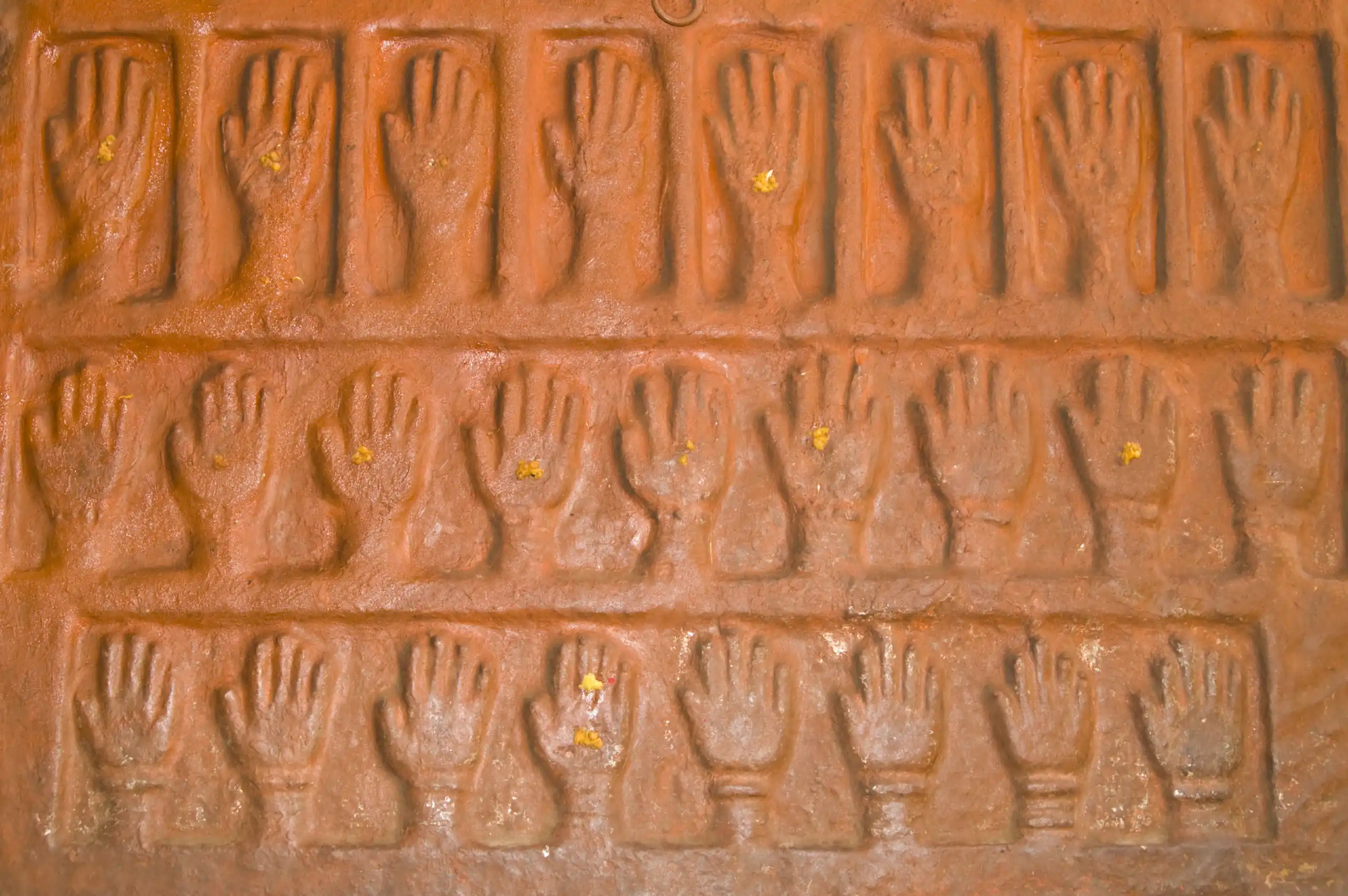
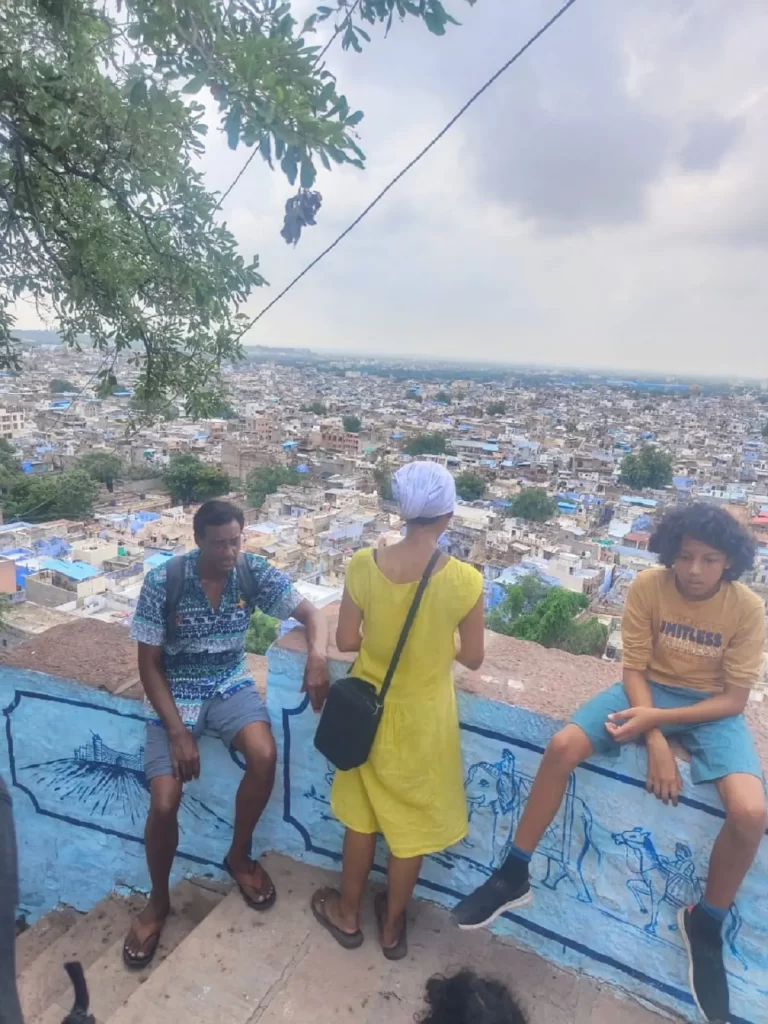
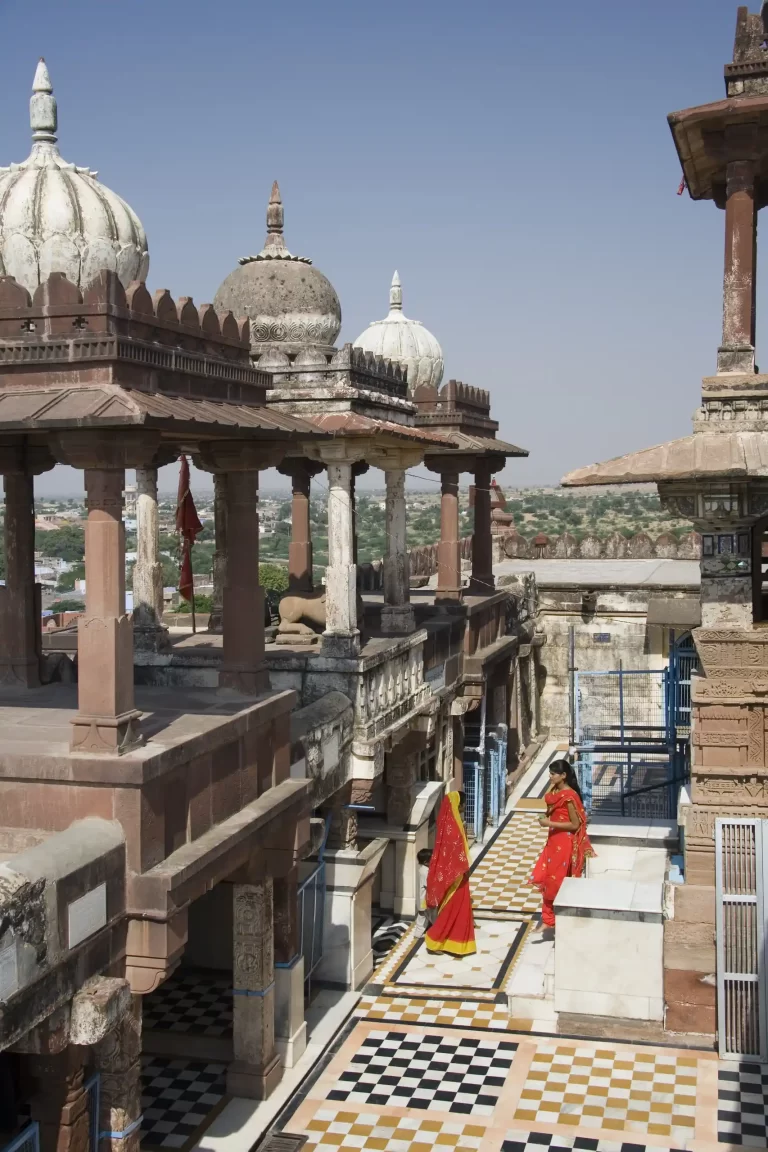
Mehrangarh Fort remains Jodhpur’s single most essential sight, an imposing sandstone fortress rising nearly 400 feet above the old city and housing one of India’s best-curated fort museums. Its galleries cover centuries of Marwar history through weapons, textiles, palanquins, and royal portraits, while the fort’s ramparts offer sweeping views over the Blue City below. Most travellers allocate at least two to three hours here, making it the natural anchor around which the rest of a Jodhpur sightseeing itinerary is typically built — our dedicated Mehrangarh Fort guide covers its full history, architecture, and visiting details.
Jaswant Thada
A short distance from the fort, Jaswant Thada offers a striking contrast in both material and mood, its white marble cenotaph and landscaped gardens creating a calm, contemplative counterpoint to the fort’s imposing scale. Commissioned in 1899 as a memorial to Maharaja Jaswant Singh II and completed in 1906, the site also offers some of the best photographic views back toward Mehrangarh Fort across the valley, making it a natural second stop after the fort itself — see our dedicated Jaswant Thada guide for full visiting details.
Umaid Bhawan Palace
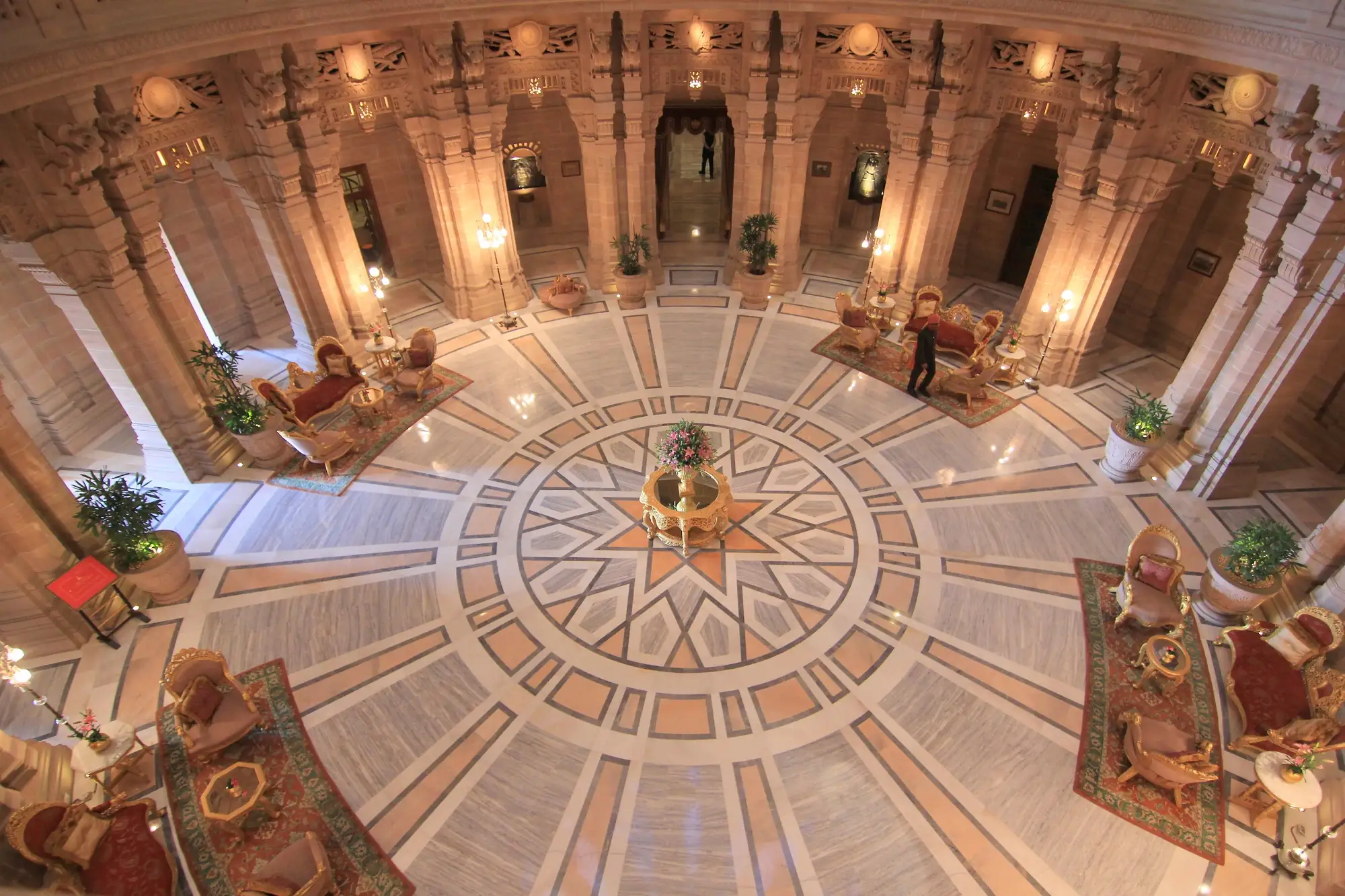
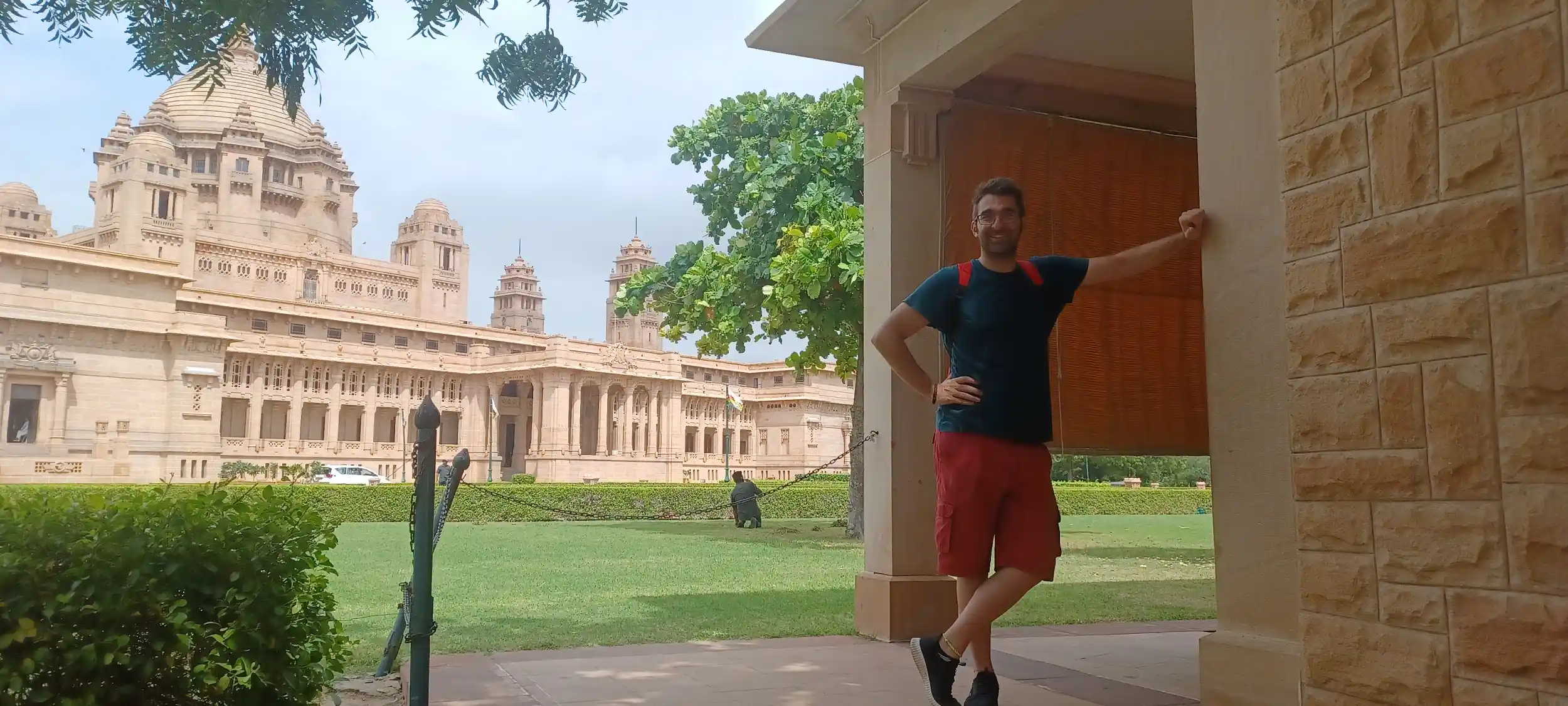
Umaid Bhawan Palace offers a completely different architectural experience, blending Indo-Saracenic and Art Deco styles in a twentieth-century royal residence that remains partly a private home, partly a luxury hotel, and partly a public museum. Built as a famine-relief employment project between 1928 and 1943, the palace’s scale and detailing, including murals by Polish artist Stefan Norblin, set it apart from Jodhpur’s older Rajput-era monuments — our dedicated Umaid Bhawan Palace guide covers the full history and visiting logistics.
Mandore Gardens and Cenotaphs
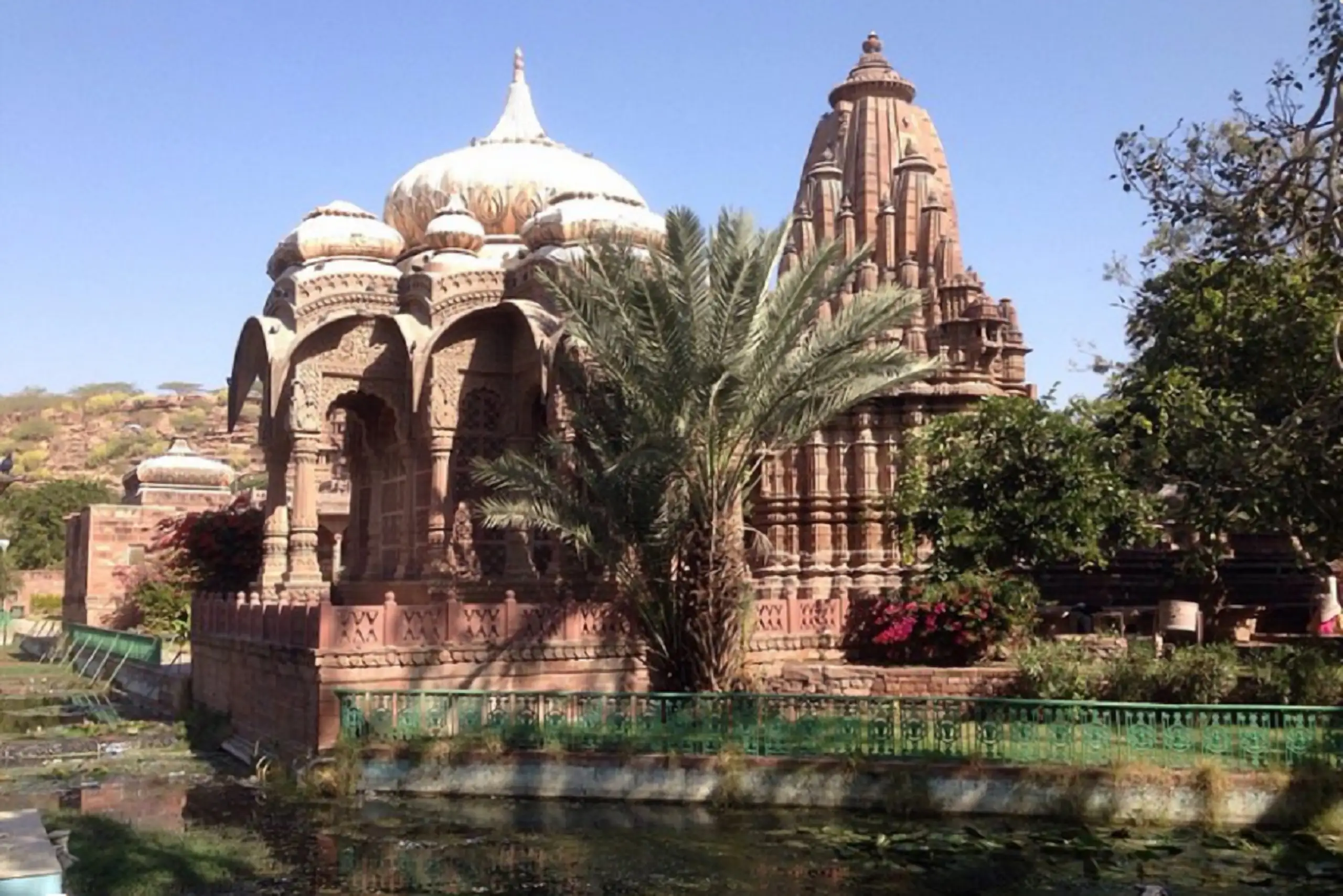
On the outskirts of the city, the Mandore Gardens complex houses the older cenotaphs of Jodhpur’s rulers prior to Jaswant Thada, along with a Hall of Heroes featuring rock-cut figures and a small museum. Mandore also served as the region’s capital before Jodhpur was founded in 1459, giving it a historical significance that predates the city itself and offering useful context for understanding how Jodhpur came to be established.
Rai Ka Bagh Palace
A lesser-visited but historically interesting site, Rai Ka Bagh Palace was built in the seventeenth century and today sits adjacent to Jodhpur’s railway station, making it easy to combine with arrival or departure logistics. While not as elaborately maintained as the city’s headline sites, it offers a quieter, less touristed glimpse into an earlier phase of Marwar palace architecture.
Prioritising Your Visits
For travellers with only a single day in Jodhpur, Mehrangarh Fort and Jaswant Thada together form the essential, non-negotiable pairing, easily combined given their proximity to one another. Travellers with two or more days should add Umaid Bhawan Palace and, time permitting, Mandore Gardens, which together round out a fuller picture of Marwar’s architectural and dynastic history across different eras. A well-paced two-day circuit covering all four sites — Mehrangarh and Jaswant Thada on one day given their proximity, Umaid Bhawan and Mandore on another — allows real time at each without rushing through Jodhpur’s considerable architectural heritage.
Lesser-Known Palace Sites Worth Knowing About
Beyond the headline sites, Jodhpur also has several smaller palace structures scattered through the old city and surrounding areas, including portions of the old Sardar Bagh complex and smaller havelis that once served as residences for nobility connected to the royal court. While these sites rarely appear on standard itineraries, they offer glimpses into the broader palace architecture tradition of Marwar beyond the four or five major sites most visitors focus on.
Entry Fees and Ticketing Overview
Each of Jodhpur’s major forts and palaces charges its own separate entry fee, with different rates typically applied for Indian and foreign visitors, and additional charges often applying for camera use or audio guides. Because these sites are managed by different trusts and authorities rather than a single unified body, it’s worth budgeting time to purchase tickets individually at each location rather than assuming a single combined pass will cover everything.
Guides Versus Independent Exploration
Hiring a local guide, either for a single site or for a combined tour covering several palaces in one day, can add considerable historical context that isn’t always captured on posted signage, particularly at Mehrangarh Fort where the audio guide alone covers only part of the collection in depth. A single guide familiar with all four major sites, rather than relying only on individual site guides, helps connect the broader Rathore historical narrative that runs across the entire fort and palace circuit. Independent exploration remains entirely feasible for travellers who prefer a more self-directed pace, especially at smaller sites like Jaswant Thada where the layout is compact and easy to navigate without assistance.
Seasonal Considerations for Palace Visits
Winter months from October through March offer the most comfortable conditions for exploring Jodhpur’s forts and palaces on foot, particularly Mehrangarh Fort’s exposed ramparts and Mandore’s outdoor cenotaph complex, both of which involve considerable time outdoors. Summer visitors can still see all of these sites comfortably by scheduling visits for early morning or late afternoon and avoiding the most intense midday heat between roughly noon and three in the afternoon.
FAQ
Which is the most impressive fort in Jodhpur?
Mehrangarh Fort is widely considered the most impressive, both in scale and preserved detail.
Are there lesser-known forts near Jodhpur?
Yes, smaller heritage structures exist around Mandore and nearby villages worth exploring.
How many days do I need to see all major forts and palaces?
Two days allows a relaxed visit to the main sites without feeling rushed.
Are combined tickets available for multiple sites?
Occasionally, though each site typically sells its own entry ticket at the gate.
Which fort or palace is best for photography?
Mehrangarh’s ramparts offer the most dramatic photography, especially during golden hour.