Jodhpur Shopping Guide: What to Buy & Where to Shop
This Jodhpur shopping guide covers a scene that ranks among Rajasthan’s best, built on centuries of local craft traditions spanning textiles, metalwork, leatherwork, and antiques, concentrated heavily within the old city’s markets and increasingly complemented by boutique shops around newer traveler hubs like Toorji Ka Jhalra. For travelers wanting to bring home a genuine piece of Marwar craftsmanship rather than generic souvenirs, Jodhpur offers depth and variety that rewards dedicated exploration across several distinct shopping areas. Bandhani textiles and a piece of traditional silver jewelry are commonly cited as particularly representative Jodhpur souvenirs, capturing the region’s distinctive craft traditions in a compact, easily transportable form, though this Jodhpur shopping guide covers the fuller range; several topics below have their own dedicated, more detailed guides linked throughout.
Sardar Market and the Clock Tower Area
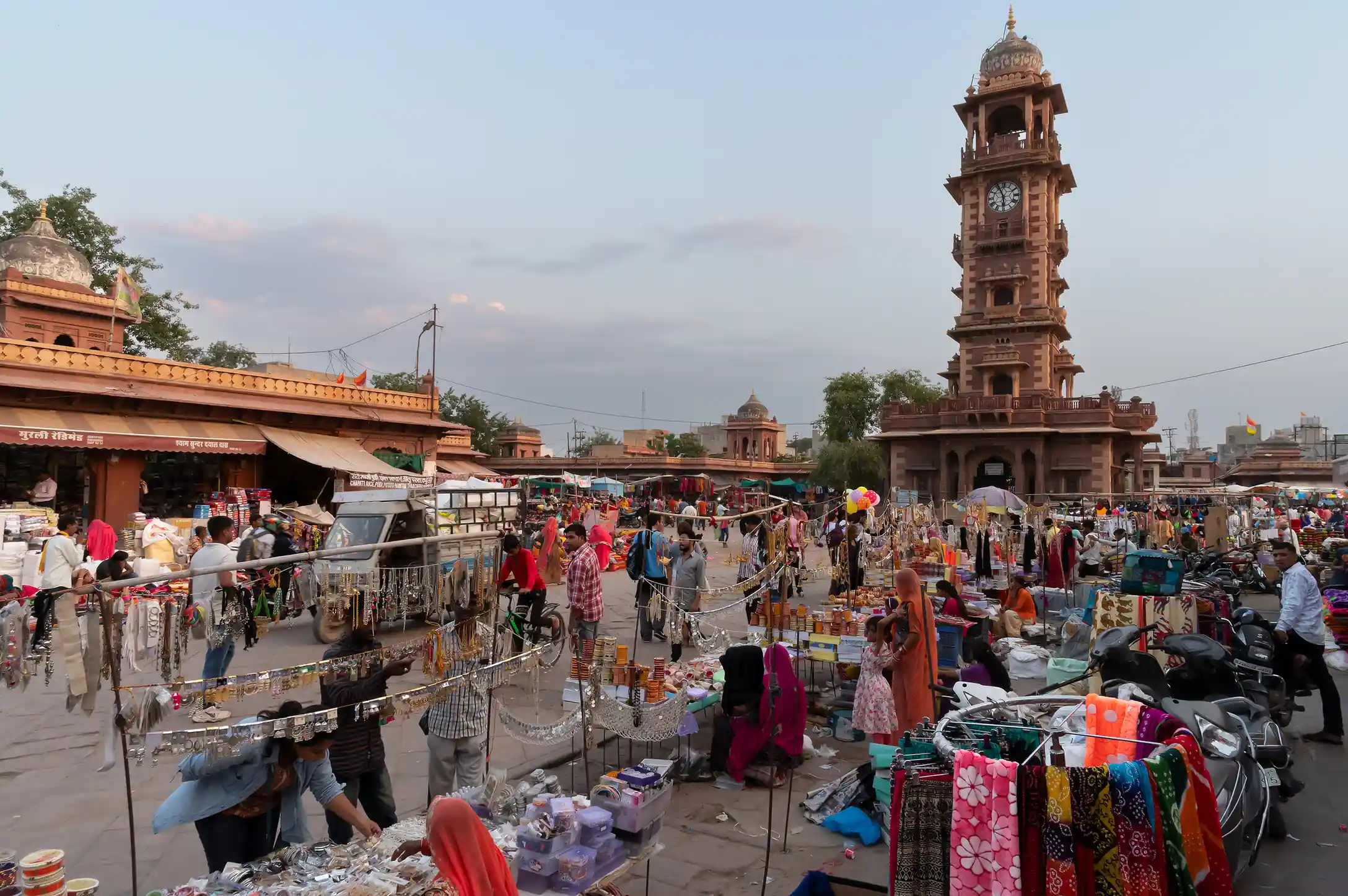
Jodhpur’s most famous market cluster surrounds the iconic Clock Tower, offering a dense concentration of stalls selling spices, textiles, silver jewelry, and general goods, alongside the everyday bustle of a functioning local market that hasn’t been entirely reshaped around tourism, giving visitors a lively shopping atmosphere that functions as much for local residents as for tourists. Our dedicated Clock Tower Market guide covers this area in more detail.
Textiles and Bandhani
Jodhpur and the wider Marwar region are well known for bandhani, a traditional tie-dye technique producing distinctively patterned fabrics, alongside block-printed textiles and embroidered pieces, all widely available throughout the city’s markets at a considerable range of price points depending on quality and craftsmanship. This tradition also connects to the broader Rajasthani textile heritage found in Jaipur, though Jodhpur has its own specific regional variations in pattern and color palette. Our dedicated textiles guide covers bandhani and block prints in more depth.
Handicrafts and Souvenirs
Beyond textiles, Jodhpur’s markets offer a wide range of handicrafts including carved wooden items, metalwork, leather juttis, and miniature paintings, providing plenty of options for travelers seeking distinctive, locally made souvenirs beyond mass-produced tourist items. Our dedicated handicrafts and souvenirs guide goes into more detail on what to look for and where.
Antiques and Furniture
Jodhpur has developed a significant reputation as a center for antique and reproduction furniture, with several dedicated shops and even export warehouses on the city’s outskirts catering to both individual travelers and larger international furniture buyers interested in restored colonial-era pieces and newly crafted traditional Rajasthani furniture. Our dedicated antique and vintage shopping guide covers this trade in more depth.
Boutique Shopping Near Toorji Ka Jhalra
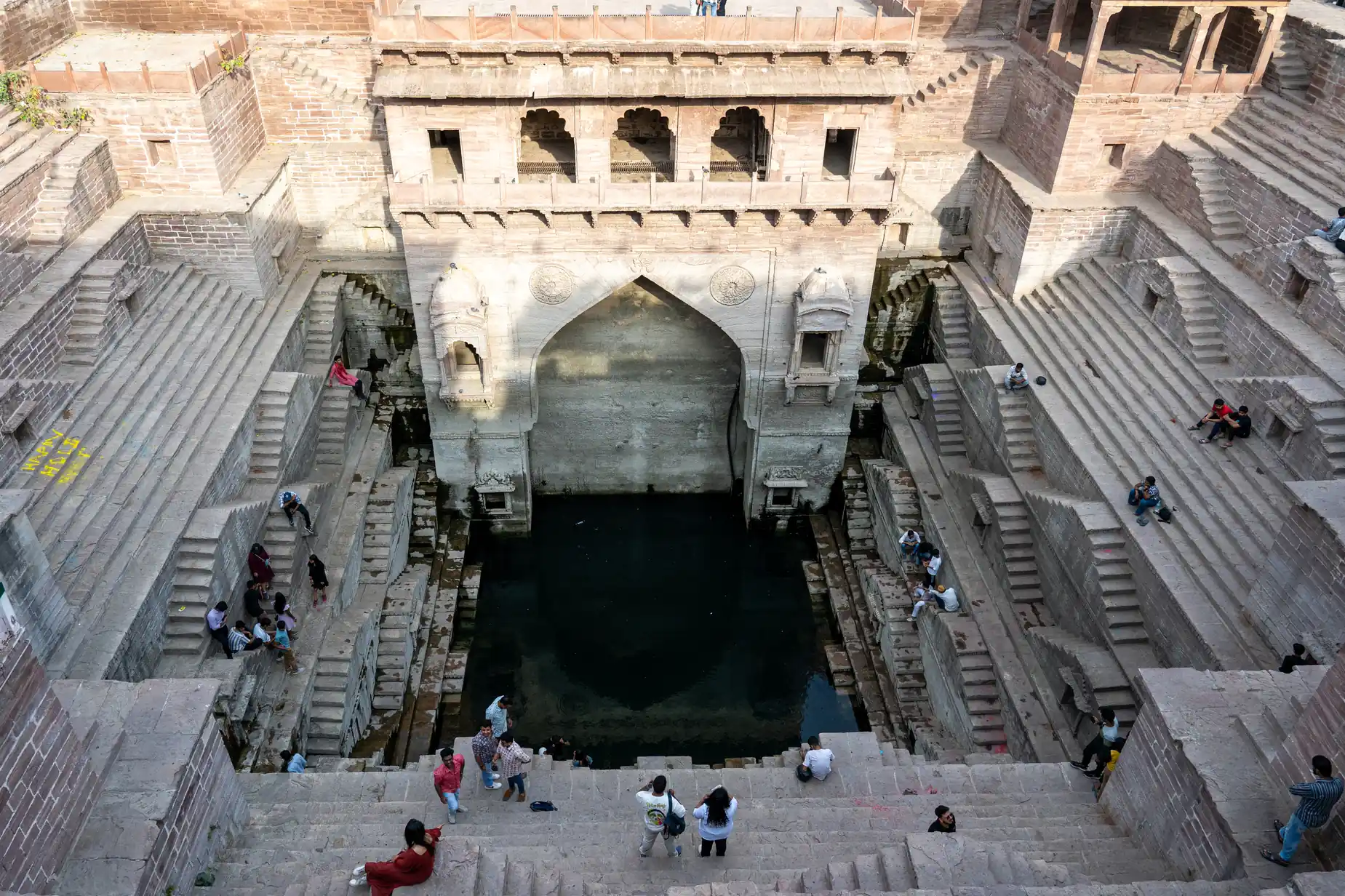
The area surrounding the restored stepwell has developed into a curated boutique shopping district, offering a more polished, tourist-friendly alternative to the older, more chaotic Sardar Market, with shops specifically catering to international travelers and offering more design-forward home goods.
Bargaining Culture in Jodhpur’s Markets
Bargaining remains standard practice throughout Jodhpur’s traditional markets, particularly at stalls without fixed pricing, and approaching negotiations with patience and good humor generally yields better results than aggressive haggling, with prices typically settling well below the initial asking figure. Boutique shops in areas like Toorji Ka Jhalra typically operate with fixed, non-negotiable pricing, as do larger export-oriented furniture and antique showrooms given their scale and shipping logistics.
Shipping Purchases Home
For larger purchases like furniture or bulk textiles, several established shops offer international shipping services, handling the logistics of exporting bulkier items that wouldn’t be practical to carry in luggage, though it’s worth confirming shipping costs and expected delivery timelines before committing to a large purchase. Confirming a dealer’s reputation and physical showroom presence matters considerably for these larger, higher-value purchases. Smaller souvenirs like textiles, block prints, and leather juttis are far easier to carry personally, making them a practical choice for travelers not planning to arrange shipping for larger pieces during a shorter Jodhpur stop.
Is It Safe to Buy Antiques in Jodhpur, Given Export Restrictions on Genuine Antiquities?
Older, authentic antiques may be subject to export restrictions, so most shops sell high-quality reproductions rather than true antiques, and reputable dealers should be able to clarify the status and any documentation needed for larger purchases.
What Is the Best Time of Day to Shop in Jodhpur’s Markets?
Late morning through early evening tends to be the most active shopping period, with many smaller stalls closing for a break during the hottest midday hours in summer, so planning shopping trips around this local rhythm can be helpful.
Spice Markets and Culinary Souvenirs
Jodhpur’s markets, particularly around the Clock Tower, offer excellent spice shopping, with vendors selling everything from the Mathania chillies used in laal maas to elaborate masala blends packaged specifically for travelers, giving food-loving visitors a way to bring the flavors of Marwar cuisine home alongside more conventional textile or craft souvenirs. Many spice vendors are happy to explain the uses of different blends, offering an informal education in Rajasthani cooking alongside the shopping experience itself.
Jewelry Shopping in Jodhpur
Silver jewelry, often featuring traditional tribal and Rajput-influenced designs, is widely available throughout Jodhpur’s markets, with prices generally based on weight for silver pieces, though authenticity can vary considerably more between vendors for gemstone jewelry. Travelers interested in gemstone jewelry should exercise more caution and ideally shop at established, reputable dealers rather than informal street vendors, given the greater potential for inflated pricing or misrepresented stone quality when shopping independently in an unfamiliar market environment.
Leather Goods and Traditional Juttis
Traditional leather juttis, ornately embroidered slip-on shoes, remain a popular Jodhpur purchase, available in a wide range of colors and embroidery styles across numerous shops throughout the old city, with prices varying based on the complexity of the embroidery work and the quality of leather used in construction, and quality varying considerably between mass-produced tourist versions and authentically handmade pairs from established cobbler families.
Are Fixed-Price Shops a Better Option Than Bargaining-Based Markets for First-Time Visitors?
Fixed-price boutique shops, particularly around Toorji Ka Jhalra, can offer a more relaxed, pressure-free shopping experience for travelers uncomfortable with bargaining, though prices are generally somewhat higher than what a confident negotiator might achieve at traditional market stalls.
Can I Arrange a Guided Shopping Tour in Jodhpur?
Yes, several local guides offer dedicated shopping tours, taking visitors to a curated selection of reputable shops and workshops, often including craft demonstrations, which can be a useful way to shop confidently in an unfamiliar market environment.
Best Days and Times to Avoid Market Crowds
Weekday mornings tend to offer the calmest shopping conditions in Jodhpur’s busier markets, before the combination of tour groups and local shoppers builds through the late morning and afternoon, while weekends and festival periods can see considerably heavier foot traffic throughout Sardar Market and the surrounding lanes, worth keeping in mind for travelers who prefer a more relaxed browsing pace.
Payment and Practical Shopping Tips
As a practical note for anyone following this Jodhpur shopping guide, larger boutique shops and established dealers generally accept cards, while smaller market stalls often prefer cash, so carrying a reasonable amount of cash is advisable when planning a shopping trip through the older, more traditional market areas. Checking current market hours before heading out helps avoid disappointment, since some smaller stalls close for a midday break during the hottest part of the day, particularly outside peak winter tourist season.
Getting the Most Out of Jodhpur’s Shopping Scene
As this Jodhpur shopping guide has covered, the city’s combination of everyday bazaar shopping and specialized furniture export trade gives it a notably broader shopping profile than many other Rajasthan cities, worth exploring across at least half a day rather than a single quick stop. Spending a full morning specifically at Sardar Market, rather than a rushed pass-through, gives enough time to browse the full range of goods on offer and negotiate thoughtfully rather than settling on the first price offered.
FAQ
What should I prioritize buying in Jodhpur?
Textiles, handicrafts, and small antique pieces top most visitors’ shopping lists.
Where can I shop for the best variety in Jodhpur?
Sardar Market offers the widest range of goods within a single, walkable area.
Is it safe to shop in Jodhpur’s markets?
Yes, the main markets are busy, well-trafficked, and generally safe for shoppers.
Can I get items shipped home from Jodhpur?
Larger shops, particularly furniture dealers, often offer international shipping services.
What payment methods work in Jodhpur markets?
Cash remains essential for smaller vendors, while larger shops increasingly accept cards and UPI.