Best Museums in Jodhpur: Art, History & Culture
Jodhpur’s museums extend well beyond the famous Mehrangarh Fort Museum, offering visitors several distinct ways to explore the city’s royal history, decorative arts, and more recent architectural heritage, each housed within a different kind of historic building rather than a purpose-built gallery space. For travelers with a deeper interest in Marwar’s history and craftsmanship than a single fort visit can satisfy, these additional museums fill in useful gaps, from vintage royal vehicles to textiles and folk art rarely displayed elsewhere in Rajasthan.
Mehrangarh Fort Museum
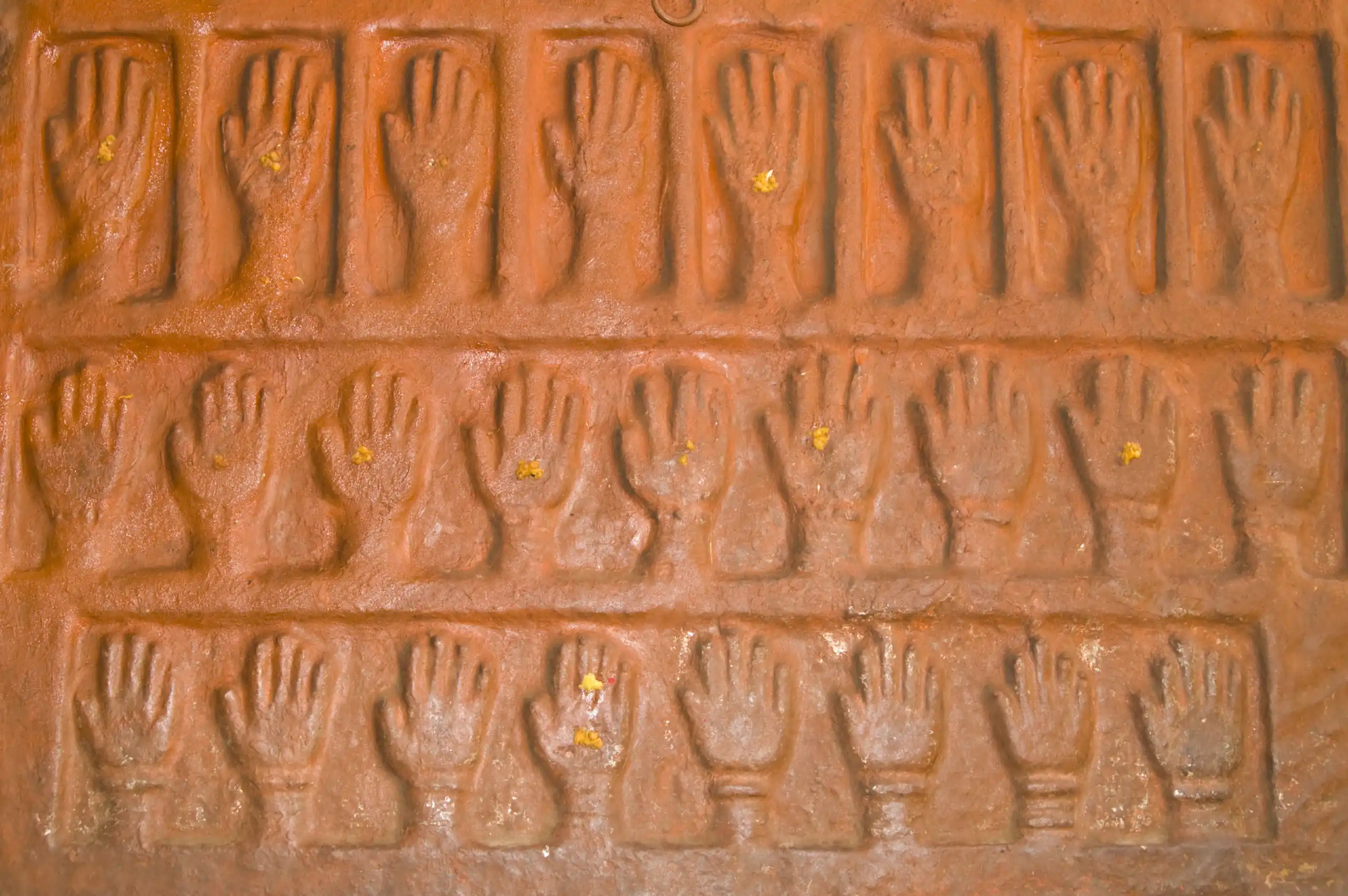
The fort’s own museum remains Jodhpur’s most comprehensive, spread across several palace apartments within the fort itself and covering weapons, palanquins, royal costumes, and a notable collection of miniature paintings documenting Marwar court life across centuries. It ranks among Rajasthan’s best-curated royal collections, with English-language information and audio guide coverage considerably more thorough than at many comparable Indian fort museums, benefiting from sustained investment by the Mehrangarh Museum Trust over several decades.
Umaid Bhawan Palace Museum
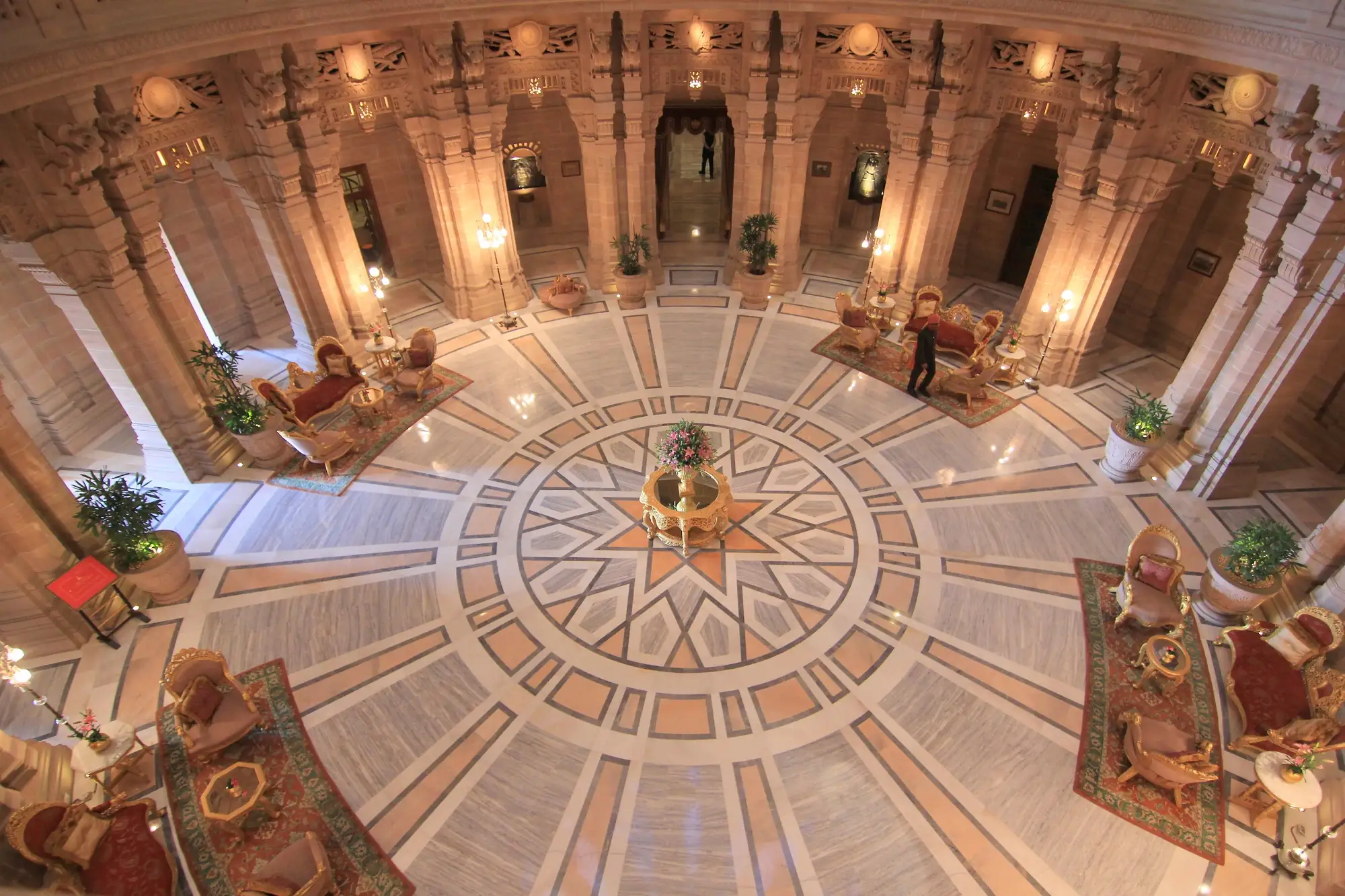
Housed within a working royal residence and luxury hotel, the Umaid Bhawan Palace museum focuses on a narrower but visually striking twentieth-century slice of royal history, including a notable collection of vintage cars from the royal garage alongside clocks, china, and photographs documenting the palace’s construction between 1928 and 1943. That construction history is unusual in its own right: the palace was commissioned partly as a famine-relief project, providing paid employment to thousands of local workers during a period of severe drought and crop failure in Marwar.
Jaswant Thada’s Portrait Gallery
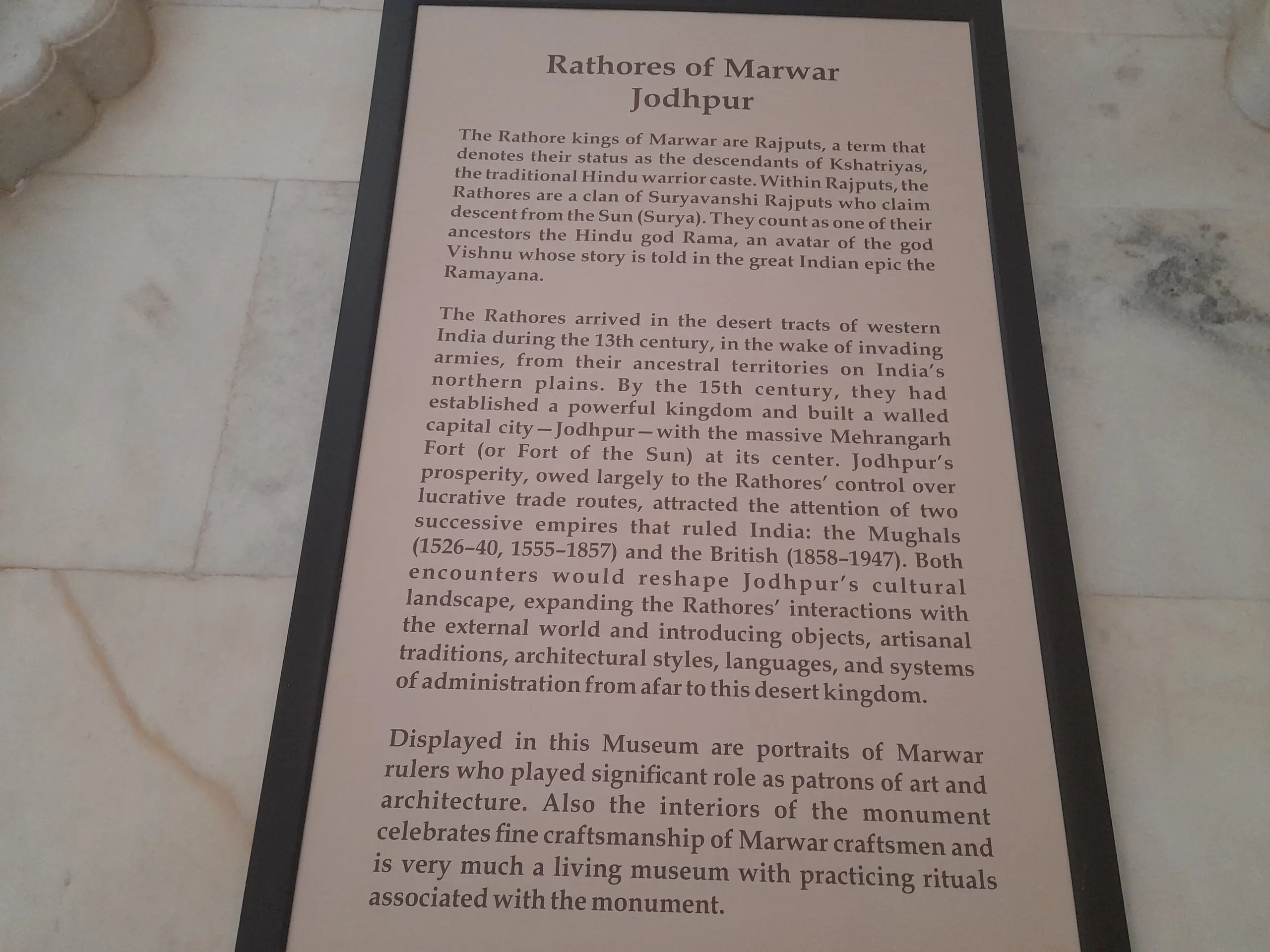
While primarily a memorial rather than a museum in the conventional sense, Jaswant Thada’s interior houses a gallery of portraits depicting successive Marwar rulers, offering a useful visual complement to the more object-focused displays at Mehrangarh Fort and helping visitors put faces to the historical names encountered throughout the city’s monuments.
Government Museum, Umaid Public Park
Located within the pleasant Umaid Public Park, Jodhpur’s Government Museum offers a smaller, more traditional collection covering local archaeology, weapons, and miniature paintings. It lacks the polish of the fort’s private museum and is generally less visited than the city’s fort and palace museums, but it provides useful additional context on the wider region’s history for visitors with time to spare beyond the headline sites.
Rao Jodha Desert Rock Park Interpretation Center
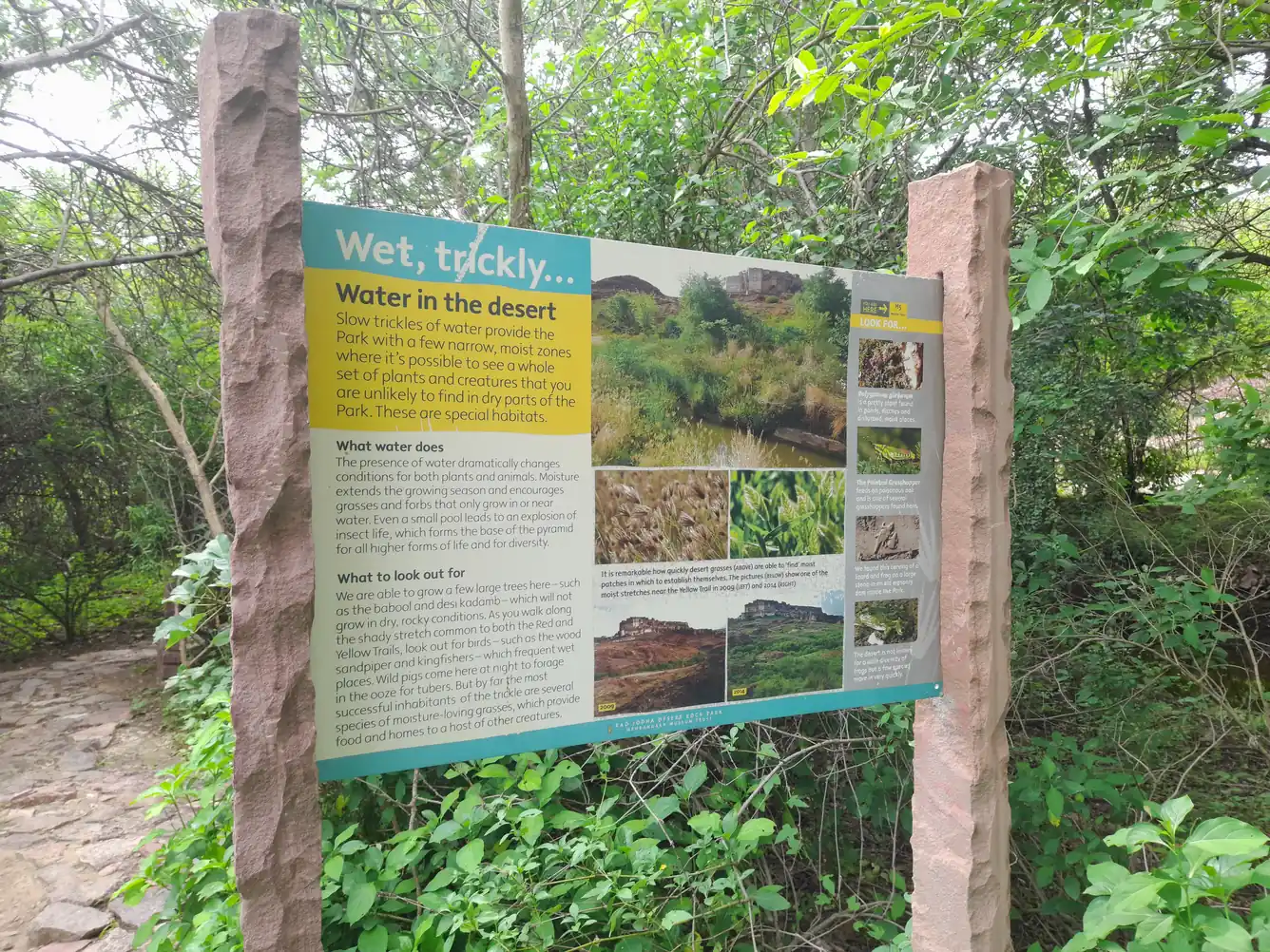
While not a museum in the traditional sense, this park’s interpretation center provides useful ecological and geological context on the Aravalli rock formations and desert ecosystem surrounding Mehrangarh Fort, a worthwhile complement to the more history-focused museums elsewhere in the city.
Textile and Craft Collections
Given Jodhpur’s long-standing reputation for textiles, embroidery, and block printing, several smaller galleries and shops throughout the old city function as informal craft museums, displaying traditional techniques alongside items for sale, offering a hands-on complement to the more formal museum displays found at the fort and palace.
Planning a Museum-Focused Day
Travelers wanting to prioritize Jodhpur’s museums over general sightseeing should plan for at least a full day, allocating a substantial morning block to Mehrangarh Fort’s extensive galleries before moving to Umaid Bhawan Palace in the afternoon, since both together already represent a fairly full day of focused museum visiting given their combined scale. Combining a museum visit with the corresponding monument, Mehrangarh’s museum during the fort tour and Umaid Bhawan’s museum wing during a palace visit, makes efficient use of time rather than treating museums as separate standalone stops. An hour or two comfortably covers the main sections at each site at an unhurried pace.
Photography Policies Across Jodhpur’s Museums
Photography rules vary noticeably between Jodhpur’s museums, with Mehrangarh Fort generally permitting standard photography for a modest additional fee while restricting photography of specific fragile textiles or paintings even while permitting general interior photography. Umaid Bhawan Palace applies stricter restrictions in several of its galleries. Checking current policy at each site’s entrance is worthwhile before assuming photography will be allowed throughout.
Combining Museums with Shopping and Craft Workshops
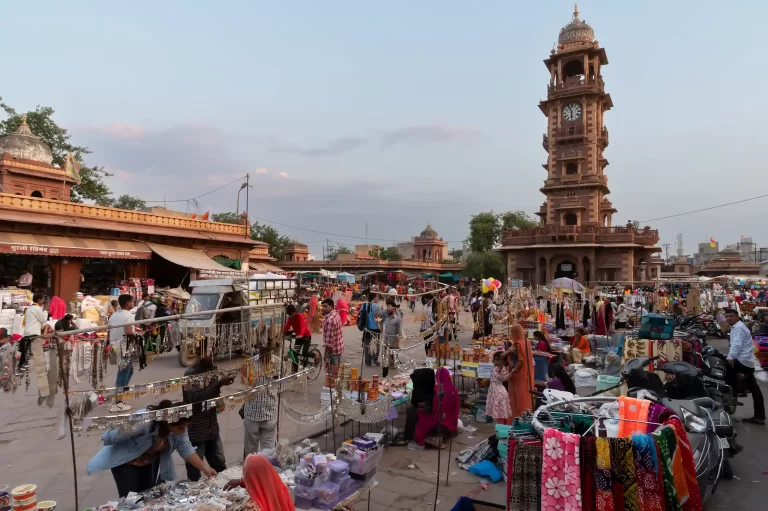
Several of Jodhpur’s craft and textile-focused informal museums are closely linked to nearby shops and workshops, meaning a museum-focused itinerary can often be combined naturally with shopping for handicrafts, textiles, or antiques, particularly around the old city’s Clock Tower and Sardar Market areas.
Antique and Curio Shops as Informal Museums
Several long-established antique dealers in Jodhpur’s old city, particularly around the areas near the Clock Tower, function almost like informal private museums, with owners often knowledgeable about the provenance and history of the furniture, artwork, and decorative objects they sell, even for items well outside a typical traveler’s budget. Browsing these shops, even without buying, can be an educational way to see examples of traditional Marwar craftsmanship up close, often with a level of hands-on access not possible in the formal museum settings.
Seasonal and Temporary Exhibitions
Beyond its permanent collections, Mehrangarh Fort periodically hosts temporary exhibitions, sometimes featuring contemporary art displayed alongside its historic galleries, an approach the Mehrangarh Museum Trust has used to draw renewed local and international attention to the fort’s collections. Checking current exhibition listings before a visit can add an additional, time-limited reason to prioritize the fort even for travelers who have visited before.
Visiting Museums During Off-Peak Hours
Arriving at Mehrangarh Fort’s museum galleries shortly after opening, before the mid-morning tour bus groups arrive, offers a noticeably more relaxed pace for reading exhibit descriptions and taking photographs without crowds. This is particularly worth keeping in mind during the busy winter season between October and March, when visitor numbers peak considerably compared to the quieter monsoon and summer months.
FAQ
What is the main museum to visit in Jodhpur?
The Mehrangarh Fort Museum houses the most significant collection of royal artifacts and weapons.
Is there an entry fee for Jodhpur’s museums?
Yes, most museums charge a separate entry fee from general fort or palace admission.
Are Jodhpur’s museums suitable for children?
Yes, especially the fort museum’s weapons and vehicle displays, which tend to hold children’s interest.
How much time should I plan for museum visits?
An hour or two covers the main museum sections at a comfortable, unhurried pace.
Are photography and videography allowed inside museums?
Rules vary by site; some allow photography for an additional fee while others restrict it.